Showing archive for: “U.S. Constitutional Law: Rights & Liberties”
The New (Mexico) Math: Multiply the Violations and Never Mind the Harm
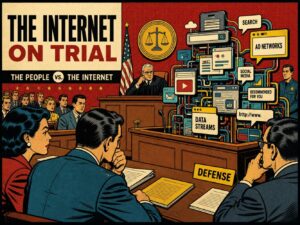
The big news in the competition-plus space—where competition policy meets broader policy concerns—isn’t an antitrust matter at all. It’s New Mexico’s announcement of its “Historic $25 Billion Penalty Against Facebook” (Meta Platforms). Here’s coverage from The New York Times, The Washington Post, The Wall Street Journal, and, for a bit of local flavor, the Albuquerque ... The New (Mexico) Math: Multiply the Violations and Never Mind the Harm

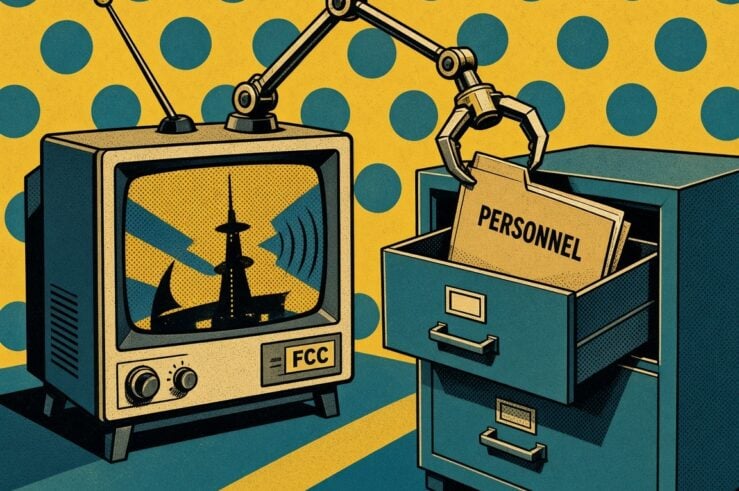
The FCC’s Public Interest in Your Personnel Files
The Federal Communications Commission (FCC) licenses television stations. Does that make it Disney’s human resources department? The agency seems to think so, invoking a “public interest” mandate to investigate the company’s diversity policies—a mandate whose meaning seems to change with whoever holds power. Under the Communications Act of 1934, as amended, the FCC has initiated ... The FCC’s Public Interest in Your Personnel Files
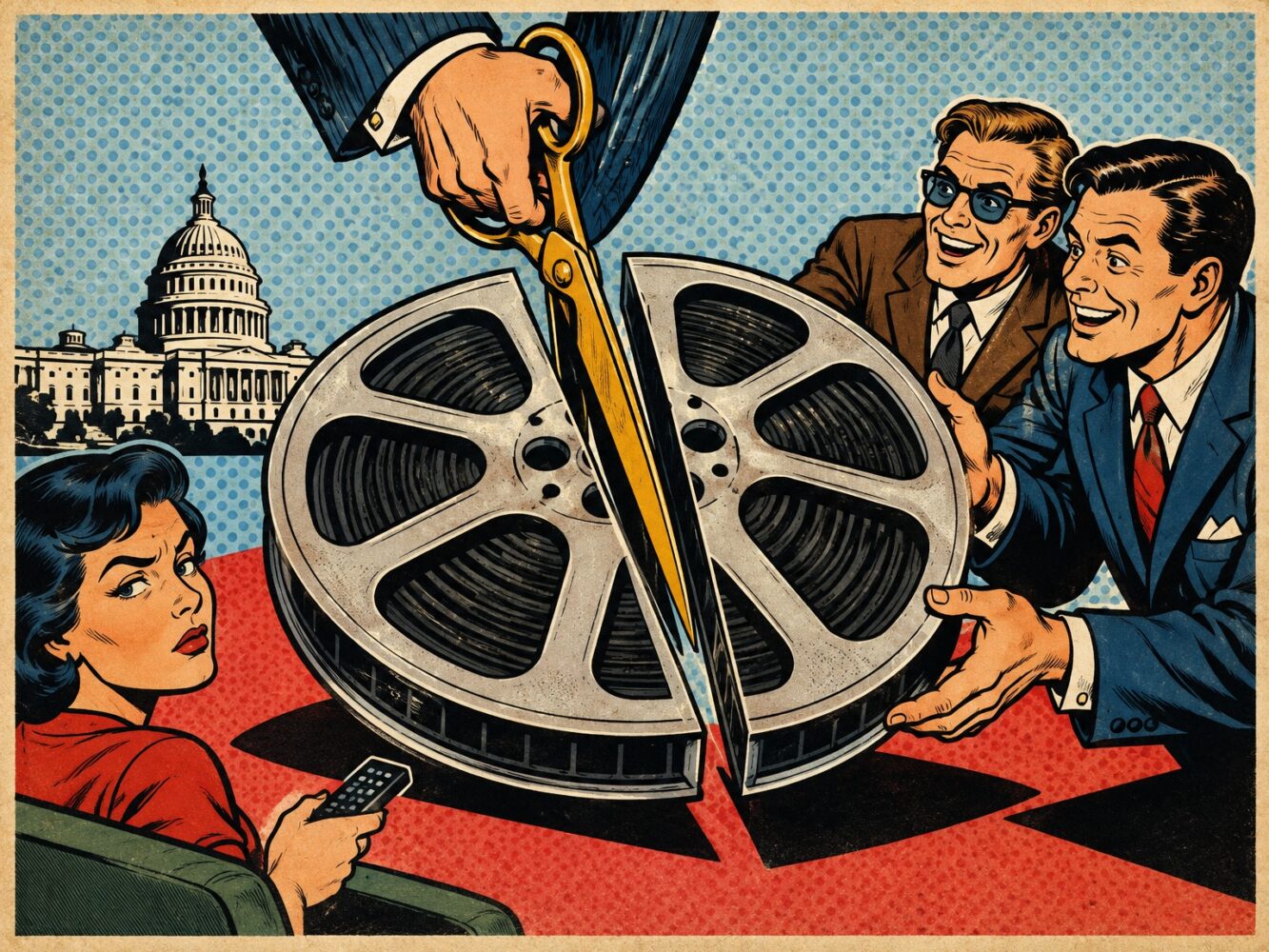
Fin-Syn Is a Rerun Washington Should Skip
Some of Hollywood’s most high-powered producers and agents have a pitch for Washington. Make streaming services spend half their original-content budgets buying from independent U.S. producers. Producers and talent agencies would get guaranteed business. Viewers, on the other hand, would get no guarantees. The inspiration comes from the Financial Interest and Syndication Rules, better known ... Fin-Syn Is a Rerun Washington Should Skip
No Country for Young Posters: Social Media Bans Outrun the Evidence
Governments around the world are rushing to address the youth mental health crisis, with social media squarely in their sights. From Capitol Hill to Paris to Sydney, lawmakers are proposing or enacting strict age restrictions that would ban teenagers from creating social media profiles. But are these heavy-handed mandates the right approach? A recent white ... No Country for Young Posters: Social Media Bans Outrun the Evidence

The Right-Answer Machine: Who Decides What Chatbots Should Say?
The trouble with chatbots is right there in the name: They talk. When that talk contributes to harm, policymakers face a deceptively difficult question. Should they seek rules that amount to policing dangerous conduct, or deciding what the chatbot should have said instead? The question matters because chatbots have quickly become one of the most ... The Right-Answer Machine: Who Decides What Chatbots Should Say?

‘Deliberation as Self-Discovery and Institutions for Political Speech,’ by Catherine Hafer and Dimitri Landa
The We Are What We Read series is, in part, about what defines the field of law & economics. The field’s natural home lies in applications that are, well, economic. Hence its longstanding—and now standard—role in contracts, corporations, antitrust, torts, and other areas. For this selection, I wanted to show how law & economics can ... ‘Deliberation as Self-Discovery and Institutions for Political Speech,’ by Catherine Hafer and Dimitri Landa

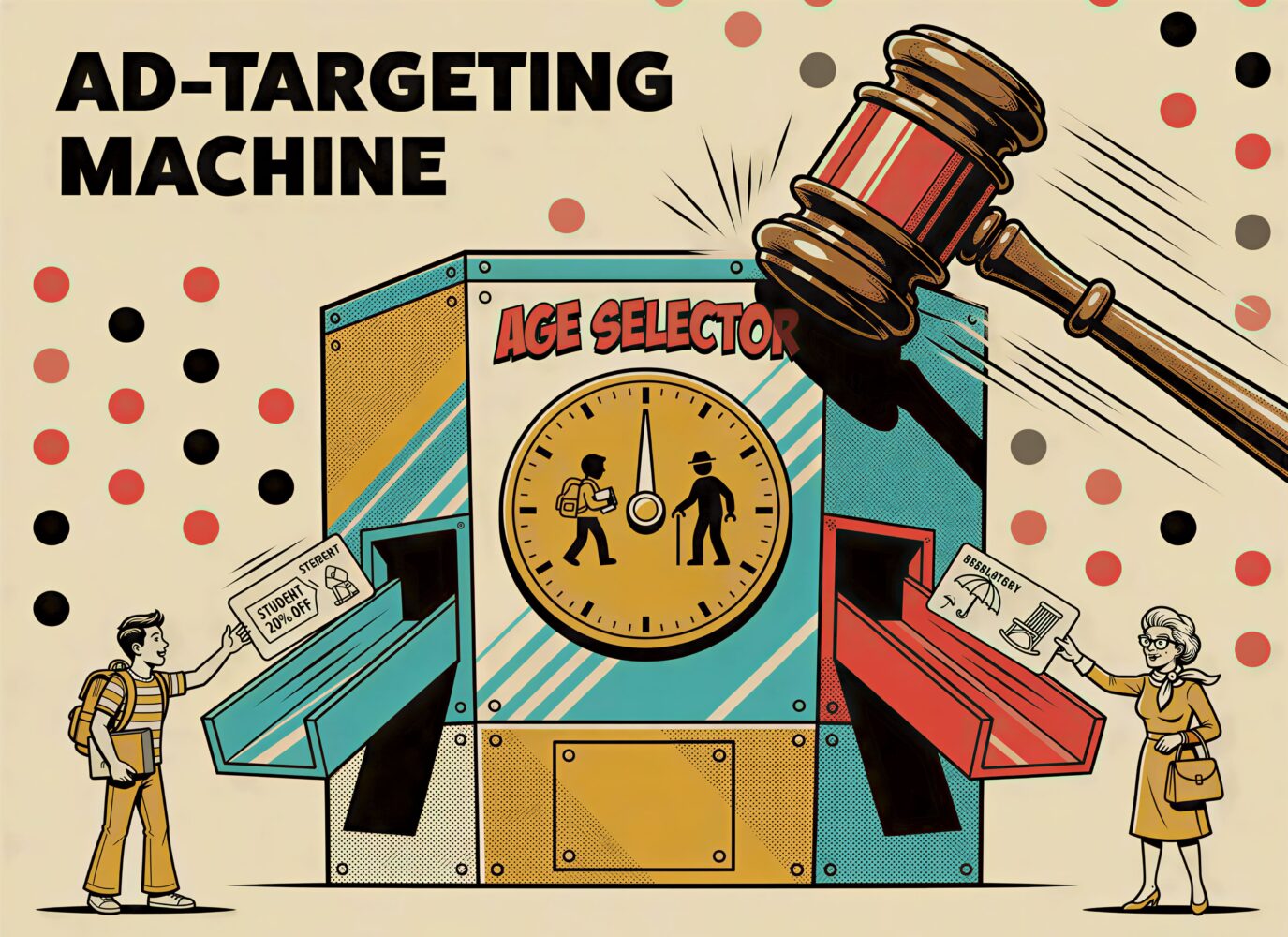
Google, the Unruh Act, and the Legal Risk of Knowing Your Audience
Advertising’s oldest rule is simple: Know your audience. In California, following it may get an online platform sued. Show retirement-home ads to seniors and student discounts to college students, and sensible targeting can suddenly look like unlawful discrimination. That question is now before California’s Sixth Appellate District. The dispute arises from a trial court ruling in ... Google, the Unruh Act, and the Legal Risk of Knowing Your Audience
Pulling the 39% Thread: Why the FCC Must Fix More Than the Broadcast Cap
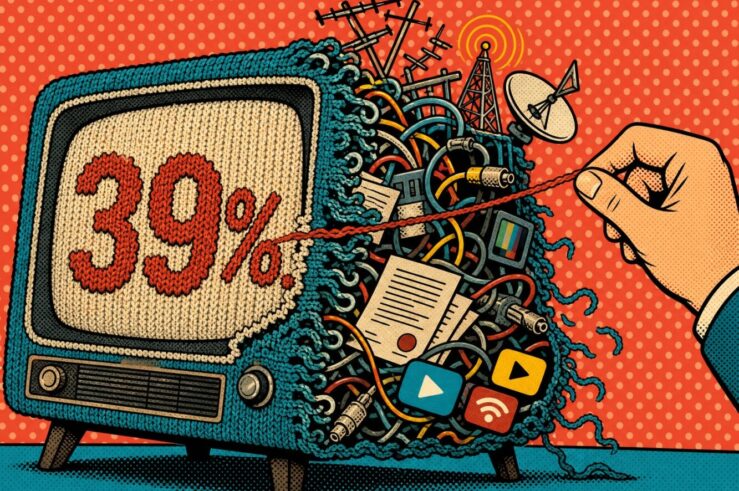
The Federal Communications Commission’s (FCC) 39% broadcast-ownership cap is a rule for a three-network world trying to govern a streaming one. Retiring it makes sense. Retiring it by itself does not. For four decades, the FCC has barred any company from owning television stations that collectively reach more than 39% of U.S. television households. The ... Pulling the 39% Thread: Why the FCC Must Fix More Than the Broadcast Cap
The FTC’s AI Accuracy Statement Needs a Fact Check
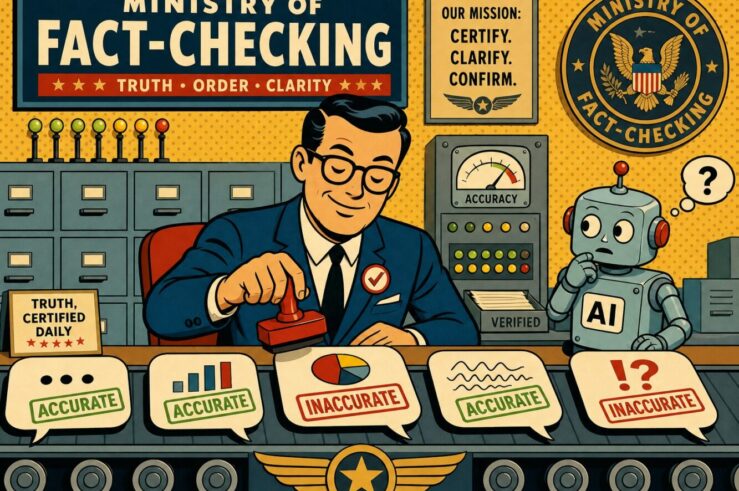
A policy statement about accuracy should, at minimum, be precise. The Federal Trade Commission’s (FTC) Proposed Policy Statement Concerning the Suppression of Accuracy in Artificial Intelligence Systems (AI Policy Statement) struggles with that assignment. The International Center for Law & Economics (ICLE) submitted comments in response to the FTC’s request for input, and this post ... The FTC’s AI Accuracy Statement Needs a Fact Check
Chatrie and the Court’s Pretzel Logic: The Fourth Amendment Gets Twisted
The Supreme Court just told police they cannot turn your phone into a witness against you merely because you walked through the wrong patch of pavement. That is the good news. The less comforting news is that the Court reached that result by dragging some badly aging Fourth Amendment doctrine along for the ride. In ... Chatrie and the Court’s Pretzel Logic: The Fourth Amendment Gets Twisted

Don’t Put the Government on the Cap Table
When Washington offers to “share the upside,” check the fine print. With artificial intelligence, the proposed bargain is not just that taxpayers might get a slice of the next great American industry. It is that the federal government would become part owner of the companies that increasingly shape what Americans ask, read, write, and believe. ... Don’t Put the Government on the Cap Table

Texas Wants to Check Your App Store Papers
Smartphones are no longer just phones. For kids, they are libraries, newspapers, classrooms, cameras, maps, town squares, and, yes, bottomless distraction machines. Texas Senate Bill 2420 treats access to all of it as something that should first pass through a state-mandated checkpoint. Also known as the App Store Accountability Act, SB 2420 is currently facing ... Texas Wants to Check Your App Store Papers