Showing archive for: “Telecommunications & Regulated Industries”
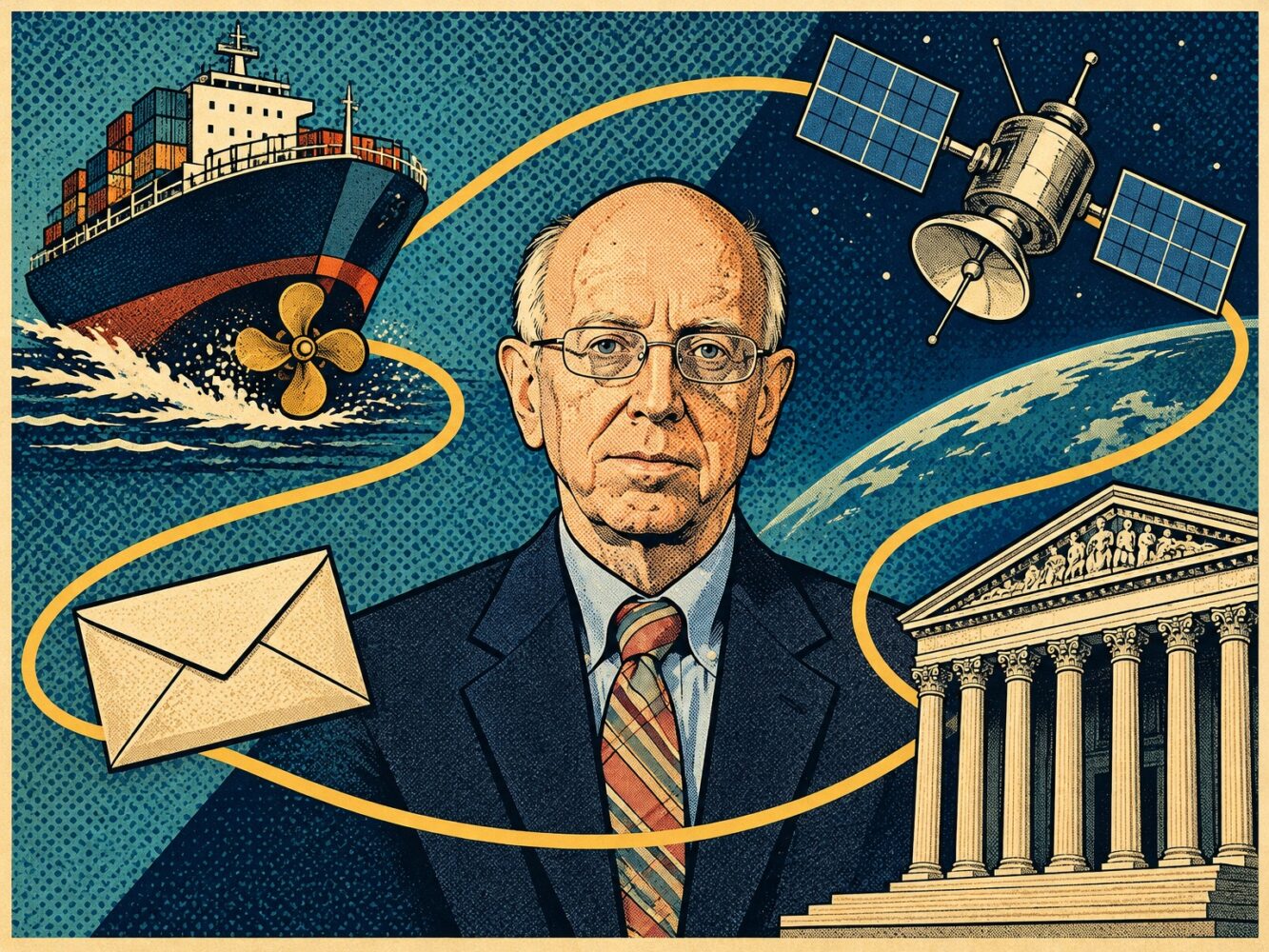
Remembering Richard Posner’s Economy of Explanation
Judge Richard Posner died this week. Few scholars have left such a mark on both law and economics. As Alex Tabarrok put it, he was “the only person ever to deserve a Nobel prize and a seat on the Supreme Court.” Most writing about him will—and should—focus on his contributions to legal scholarship. He was ... Remembering Richard Posner’s Economy of Explanation
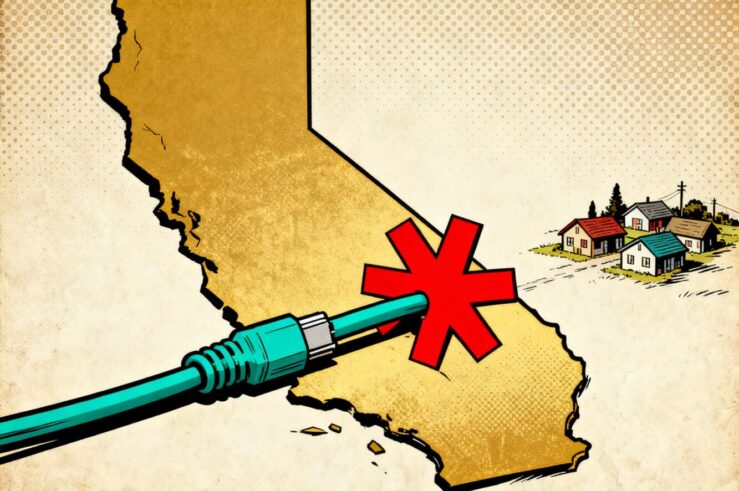
California Wants Broadband With No Strings Attached
California has signed on for federal broadband money, but agreeing to the terms is apparently a whole other story. While Sacramento disputes the fine print, the residents the money is supposed to connect will keep waiting. On Nov. 2, California became the last state to sign an agreement accepting its share of the $42.5 billion ... California Wants Broadband With No Strings Attached
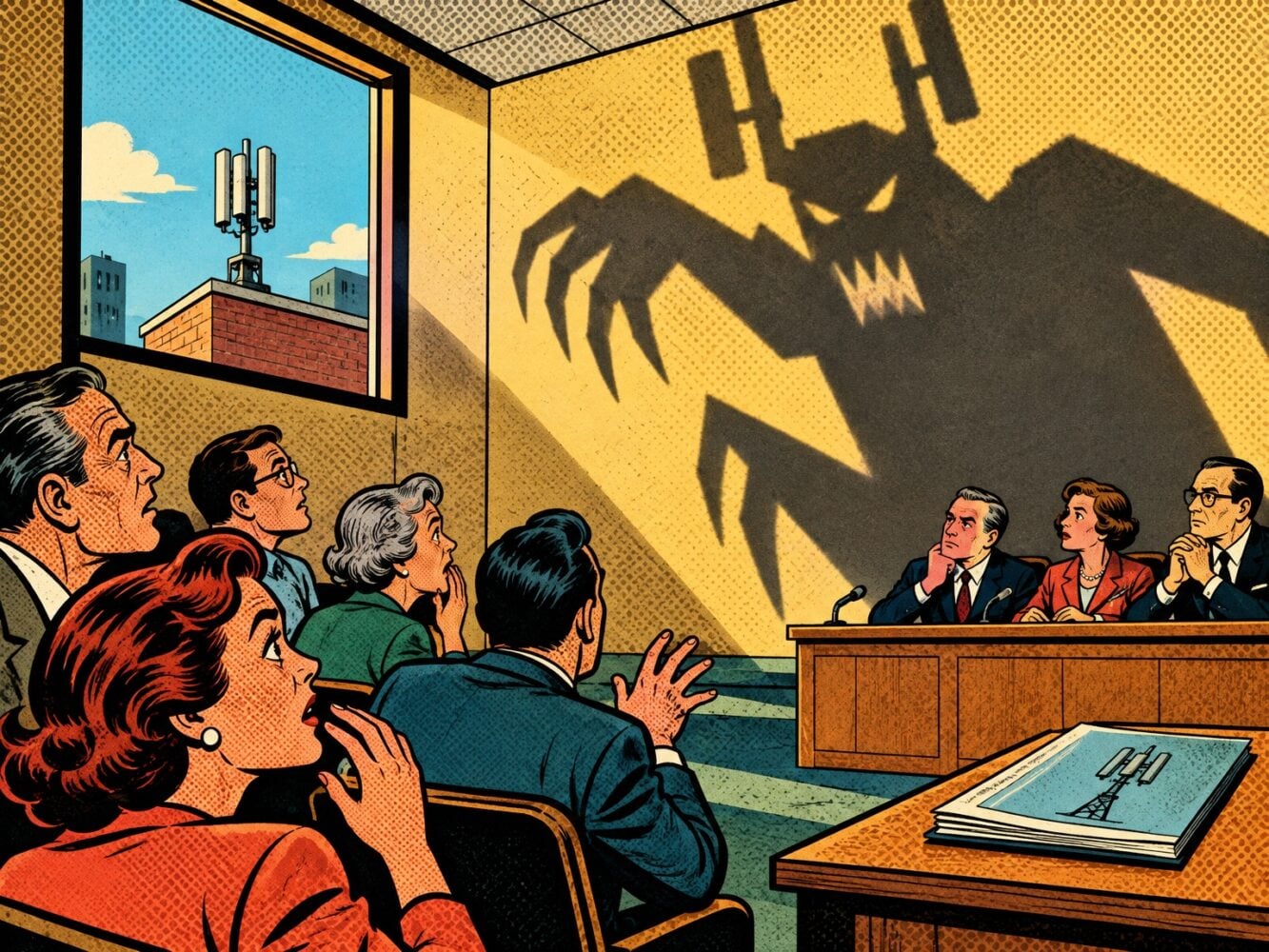
No Signal in My Backyard: How Radiation Fears Block Wireless Networks
Wireless networks have a reception problem that better antennas can’t fix. While decades of research haven’t established harm from radiofrequency (RF) exposure below federal limits, fears about those emissions can still stop an antenna from going up. America’s wireless networks grow one tower, rooftop antenna, and small-cell antenna at a time. Each needs a permit ... No Signal in My Backyard: How Radiation Fears Block Wireless Networks
Deregulation by the Ton: The FRA’s Heavy Paperwork and Lightweight Relief
In November 1962, Soviet Premier Nikita Khrushchev addressed the Central Committee plenum to vent his frustration over the glaring distortions created by the state’s central economic planning. His chief complaint concerned a metric known as val—gross industrial output measured by weight or volume. Lighting factories faced production quotas based on sheer tonnage, rather than quality ... Deregulation by the Ton: The FRA’s Heavy Paperwork and Lightweight Relief

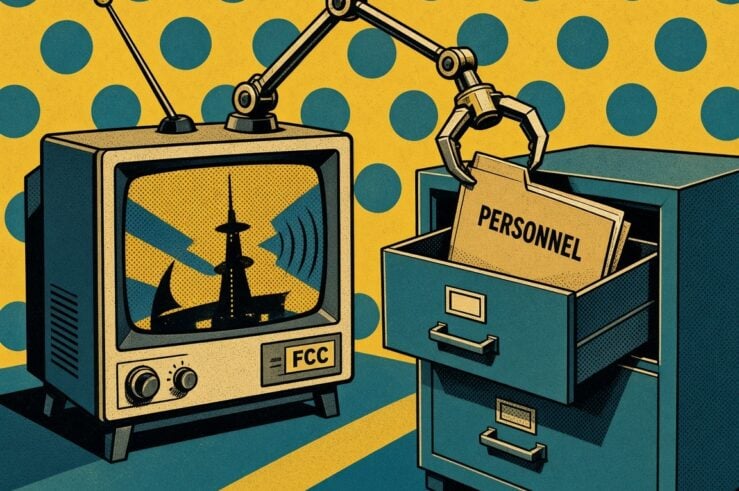
The FCC’s Public Interest in Your Personnel Files
The Federal Communications Commission (FCC) licenses television stations. Does that make it Disney’s human resources department? The agency seems to think so, invoking a “public interest” mandate to investigate the company’s diversity policies—a mandate whose meaning seems to change with whoever holds power. Under the Communications Act of 1934, as amended, the FCC has initiated ... The FCC’s Public Interest in Your Personnel Files
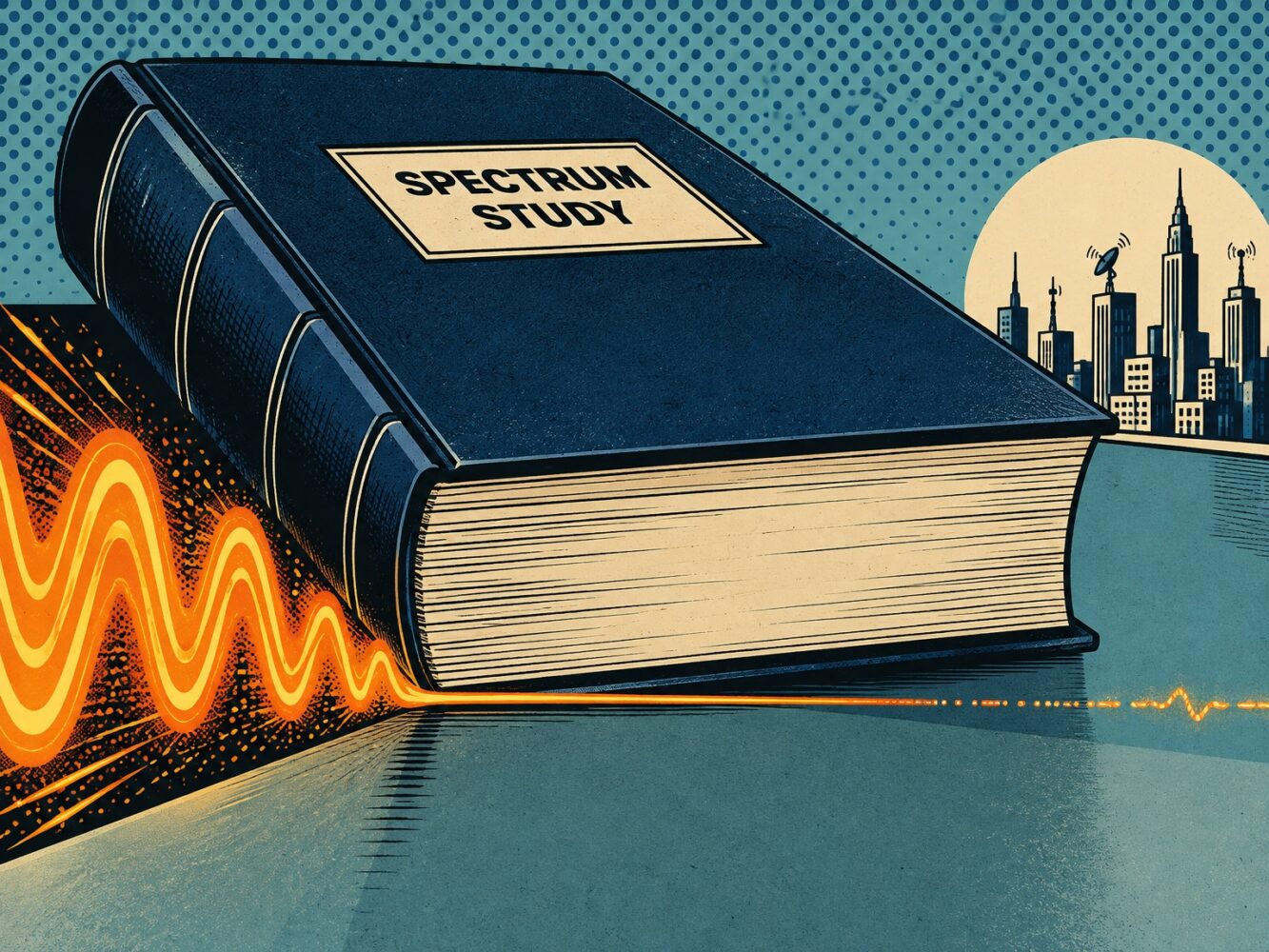
Licensed to Wait: The High Cost of Spectrum Delay
America’s wireless future is on hold, pending another study. Federal agencies control much of the spectrum needed to build it—and the process for opening those frequencies rewards incumbents for taking their time. Sustaining U.S. leadership in wireless technology requires more spectrum—the radio frequencies that carry wireless signals—for fifth- and sixth-generation mobile networks (5G and 6G), ... Licensed to Wait: The High Cost of Spectrum Delay
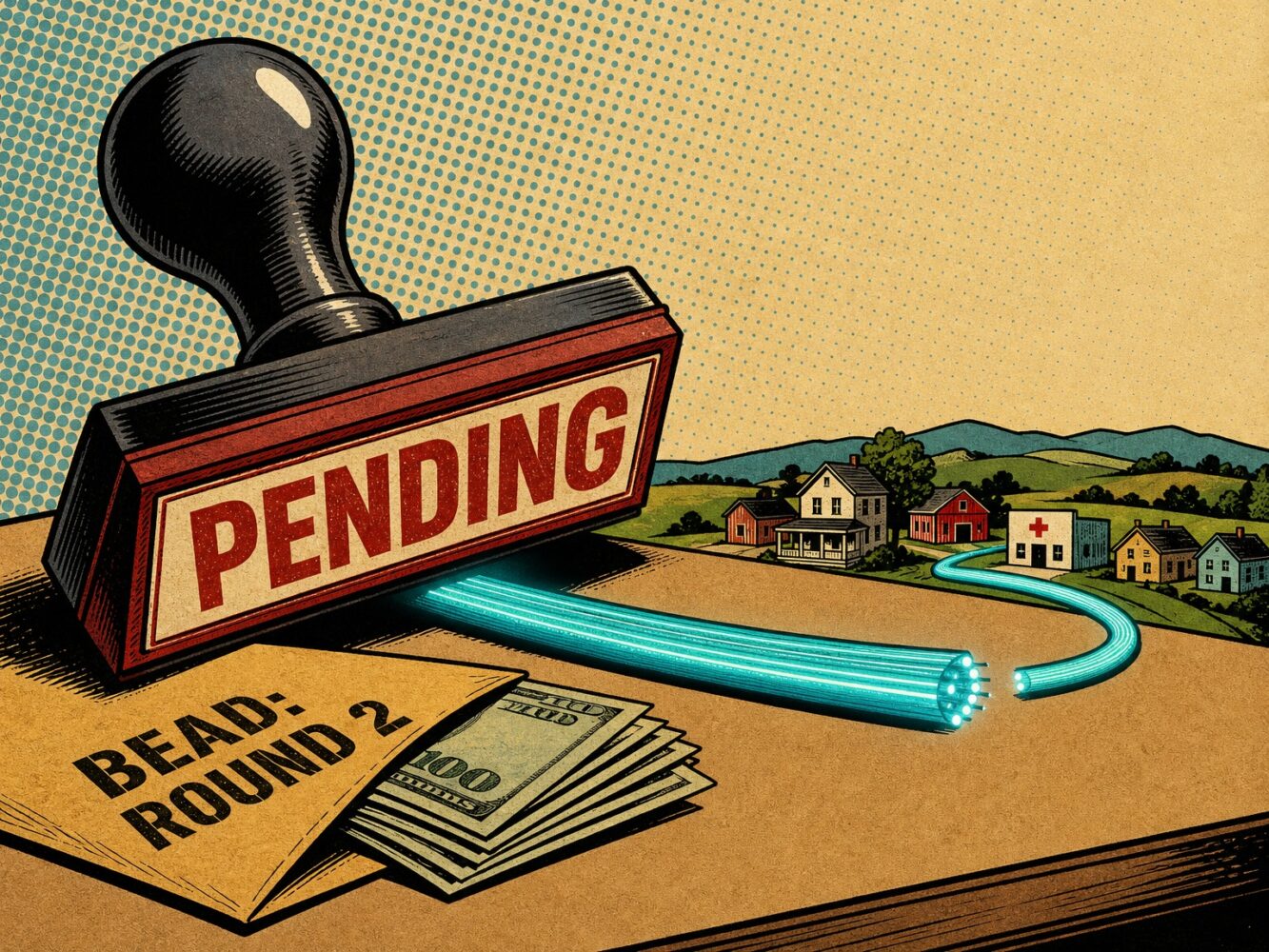
BEAD’s Second Act: The Future Is Pending Approval
The road to rural access to AI-enabled services runs through the permit office. Chips, data centers, and electricity get the attention, but delivering AI to a farmer’s field, a rural clinic, or a factory floor takes a broadband network. Building it means navigating utility poles, road crossings, and public rights-of-way—each with a gatekeeper who can ... BEAD’s Second Act: The Future Is Pending Approval
Fiber Freeze: How Maple Grove Made a Cable Franchise the Price of Broadband
The Federal Communications Commission’s (FCC) Build America Agenda rests on a simple premise: Stop making it so hard to build. Federal and state policymakers have spent years reducing permitting delays, resolving pole-attachment disputes, and easing access to public rights-of-way—the public corridors used for infrastructure such as roads, utility poles, and fiber lines. These obstacles slow ... Fiber Freeze: How Maple Grove Made a Cable Franchise the Price of Broadband

The FCC Is Right To Keep Every Band on the Table for Direct-to-Device
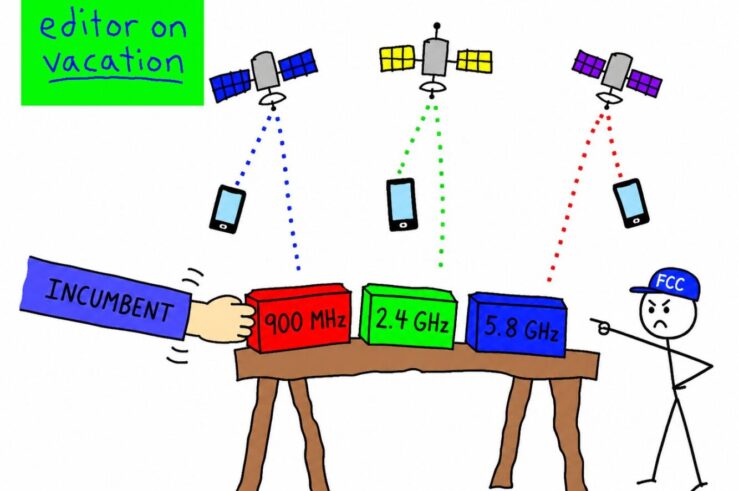
Note: Our editor is on vacation. The image for this post and any errors in the body are solely the fault of the author. At its August 6 open meeting, the Federal Communications Commission (FCC) is scheduled to vote on a notice of proposed rulemaking (NPRM) titled “Unleashing Unlicensed Spectrum for Direct-to-Device.” This proceeding will ... The FCC Is Right To Keep Every Band on the Table for Direct-to-Device
The AI Boom Still Runs on Old-Fashioned Airwaves
AI may live in the cloud, but the cloud still needs roads. Those roads are communications networks—and the airwaves they depend on may determine how far and fast the AI boom can travel. That two-way relationship will take center stage tomorrow, when the U.S. Senate Commerce Subcommittee on Telecommunications and Media holds a hearing titled ... The AI Boom Still Runs on Old-Fashioned Airwaves
Pulling the 39% Thread: Why the FCC Must Fix More Than the Broadcast Cap
The Federal Communications Commission’s (FCC) 39% broadcast-ownership cap is a rule for a three-network world trying to govern a streaming one. Retiring it makes sense. Retiring it by itself does not. For four decades, the FCC has barred any company from owning television stations that collectively reach more than 39% of U.S. television households. The ... Pulling the 39% Thread: Why the FCC Must Fix More Than the Broadcast Cap

Lightning in a Bottleneck: How Regulatory Gridlock Is Choking America’s Energy Boom
America’s power grid has plenty of new customers and no shortage of new ideas. What it lacks is a regulatory system capable of connecting the two. Artificial intelligence data centers, advanced manufacturing, and cryptocurrency operations are driving electricity demand sharply higher. Yet the rules for connecting new power sources and major users remain slow, fragmented, ... Lightning in a Bottleneck: How Regulatory Gridlock Is Choking America’s Energy Boom