Showing archive for: “Property Land Use & Real Estate Law”
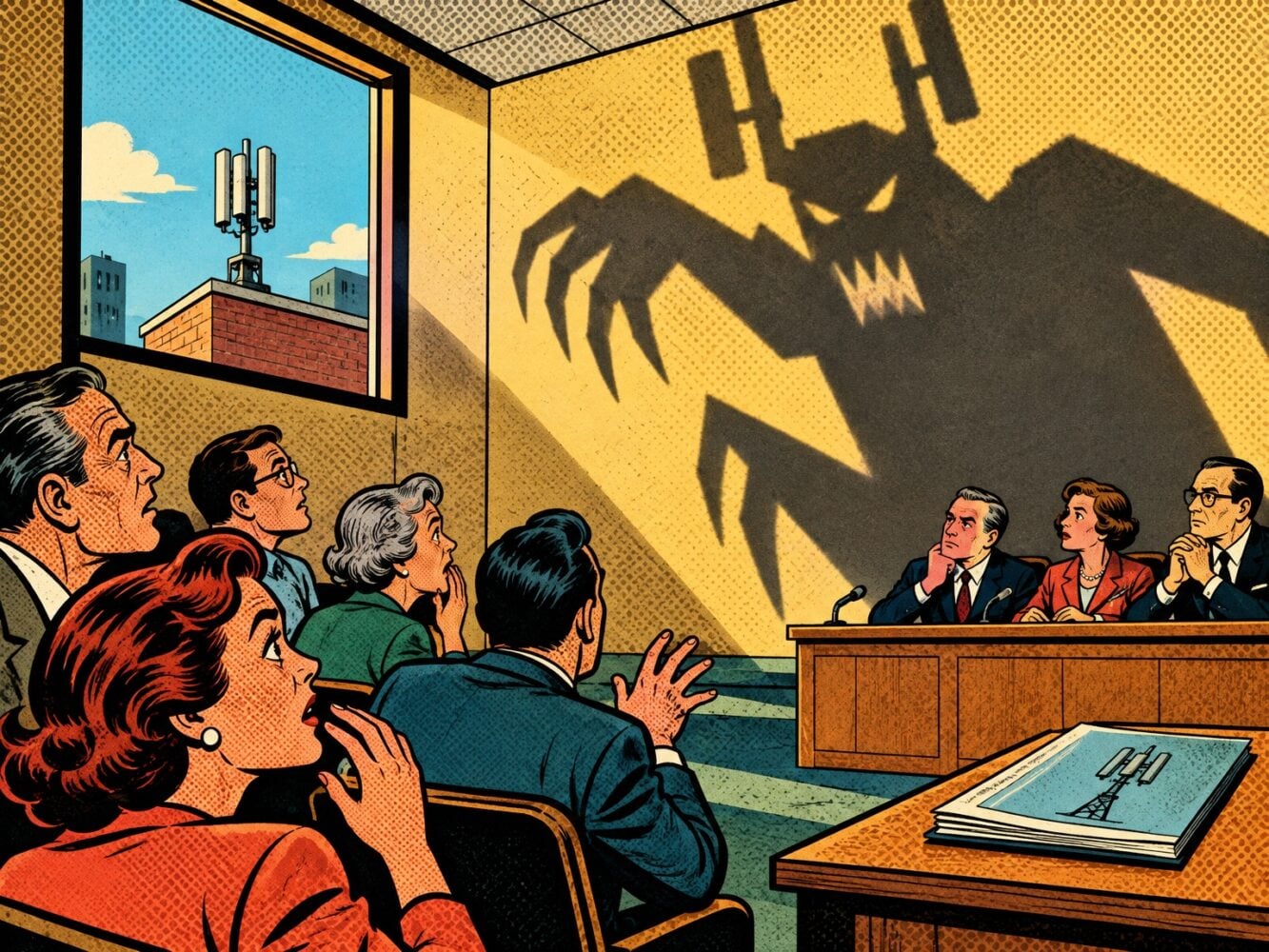
No Signal in My Backyard: How Radiation Fears Block Wireless Networks
Wireless networks have a reception problem that better antennas can’t fix. While decades of research haven’t established harm from radiofrequency (RF) exposure below federal limits, fears about those emissions can still stop an antenna from going up. America’s wireless networks grow one tower, rooftop antenna, and small-cell antenna at a time. Each needs a permit ... No Signal in My Backyard: How Radiation Fears Block Wireless Networks
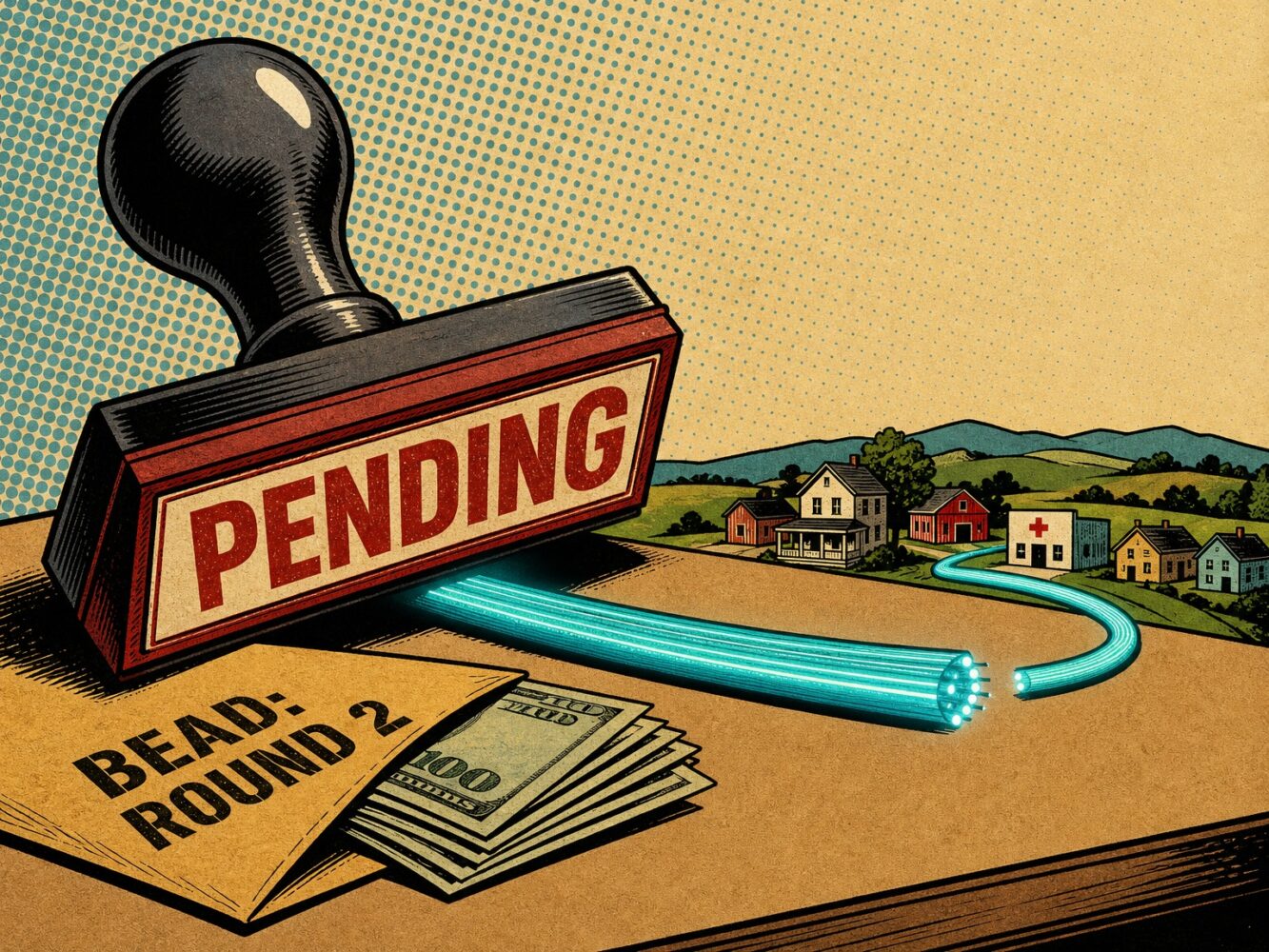
BEAD’s Second Act: The Future Is Pending Approval
The road to rural access to AI-enabled services runs through the permit office. Chips, data centers, and electricity get the attention, but delivering AI to a farmer’s field, a rural clinic, or a factory floor takes a broadband network. Building it means navigating utility poles, road crossings, and public rights-of-way—each with a gatekeeper who can ... BEAD’s Second Act: The Future Is Pending Approval
The Data Center Chessboard Has No Pause Button
The whole country ostensibly wants America to win the artificial intelligence (AI) race. A striking number, however, would prefer someone else’s town to host the data centers, power plants, transmission lines, and cooling systems required to run it. Adam Smith knew the type. In “The Theory of Moral Sentiments,” he warned against the “man of ... The Data Center Chessboard Has No Pause Button

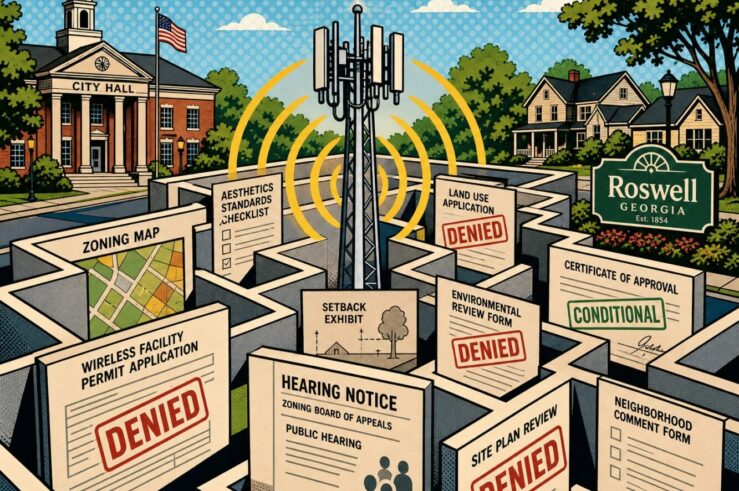
The Roswell Loophole: How to Stop Wireless Deployment One Permit at a Time
A city does not need to hang a “no cell towers allowed” sign to keep wireless service out. It can get there the quieter way: deny one permit, then another, each for reasons that sound local, particular, and perfectly ordinary. The question at the heart of the Telecommunications Act of 1996 is whether federal law ... The Roswell Loophole: How to Stop Wireless Deployment One Permit at a Time
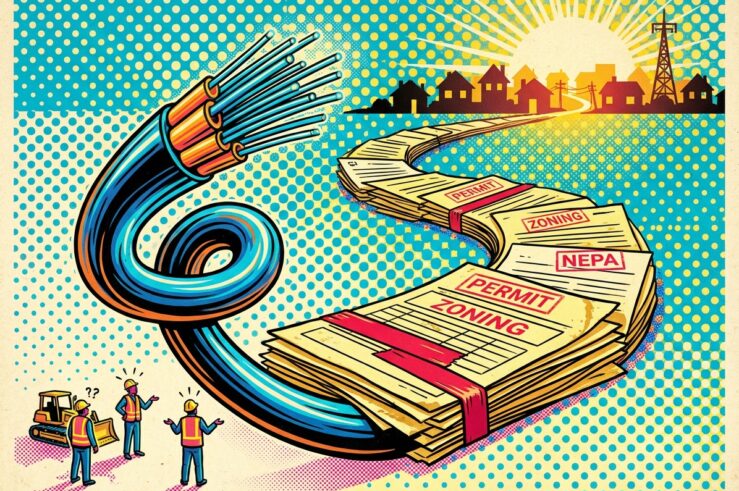
The Last Mile Is a Paper Trail: Why Broadband Gets Stuck
Everyone wants faster broadband—no one wants to wait for the permits. Modern communications infrastructure doesn’t stand still. Providers must keep investing in upgrades and expansion to meet consumer demand. Next-generation applications—artificial intelligence (AI), artificial reality (AR), and virtual reality (VR)—will require robust infrastructure to support them. That infrastructure depends on sustained investment from a wide ... The Last Mile Is a Paper Trail: Why Broadband Gets Stuck
Why No One Likes Land Taxes
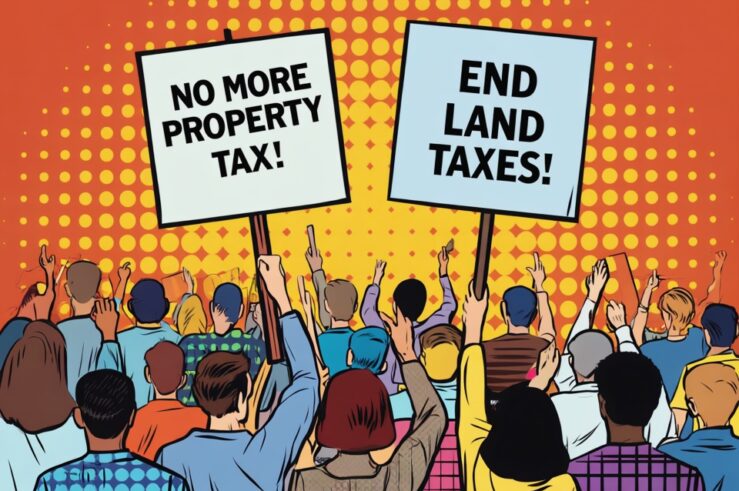
Economists and [insert basically every other group of people] often don’t agree. Take, for instance, the recent discussion of price controls. The headline of this opinion piece on the subject in The New York Times literally begins with “Economists Hate This Idea.” Yet voters aren’t so skeptical. (I’m not ready to say the idea has ... Why No One Likes Land Taxes
What Is a Barrier to Entry?
Why do monopolies exist? Many textbooks point to barriers to entry as a cause of monopolies. Tyler Cowen and Alex Tabarrok’s textbook says: “In addition to patents, government regulation and economies of scale, monopolies may be created whenever there is a significant barrier to entry, something that raises the cost to new firms of entering the industry.” ... What Is a Barrier to Entry?

COVID-19, Ghost Flights, and Emerging Property Rights in Airport Slots
One of the most visible economic effects of the COVID-19 spread is the decrease in airline customers. Alec Stapp alerted me to the recent outrage over “ghost flights,” where airlines fly nearly empty planes to maintain their “slots.” The airline industry is unfortunately in economic freefall as governments prohibit and travelers pull back on air ... COVID-19, Ghost Flights, and Emerging Property Rights in Airport Slots
The “Common Law Property” Myth in the Libertarian Critique of IP Rights (Part 2)
In Part One, I addressed the argument by some libertarians that so-called “traditional property rights in land” are based in inductive, ground-up “common law court decisions,” but that intellectual property (IP) rights are top-down, artificial statutory entitlements. Thus, for instance, libertarian law professor, Tom Bell, has written in the University of Illinois Journal of Law, ... The “Common Law Property” Myth in the Libertarian Critique of IP Rights (Part 2)
The “Common Law Property” Myth in the Libertarian Critique of IP Rights (Part 1)
In libertarian critiques of intellectual property (IP) rights, such as copyrights and patents, it’s common to the hear the claim that “traditional property rights in land” is based in inductive, ground-up “common law court decisions,” but that IP rights are top-down, artificial statutory entitlements. Thus, the argument goes, property rights in land are rooted solely ... The “Common Law Property” Myth in the Libertarian Critique of IP Rights (Part 1)
Local Barriers to Entry: Arlington Beer Garden Edition
Last week I posted about the regulatory barriers facing an ice cream shop in San Francisco. A student passes along a story that hits a bit closer to home: the sale of beer right here in Arlington County. Apparently, the owner of the Westover Beer Garden has had enough: It’s been a contentious couple of ... Local Barriers to Entry: Arlington Beer Garden Edition
The Bulldozer Solution to the Housing Crisis
My inaugural blog on two-sided markets did not elicit much reaction from TOTM readers. Perhaps it was too boring. In a desperate attempt to generate a hostile comment from at least one housing advocate, I have decided to advocate bulldozing homes in foreclosure as one (of several) means to relieve the housing crisis. Not with ... The Bulldozer Solution to the Housing Crisis