Showing archive for: “Political Economy: Structure & Scope of Government”
Fear of Missing Out Meets Fear of Letting Families Decide
“Everyone else’s parents let them” has helped generations of children negotiate later curfews, sleepovers, and trips to the mall. Today, it helps them get social media accounts. The novel twist is treating that familiar parental predicament as grounds for the government to make the decision for everyone. Jonathan Haidt and coauthors argue that families face ... Fear of Missing Out Meets Fear of Letting Families Decide

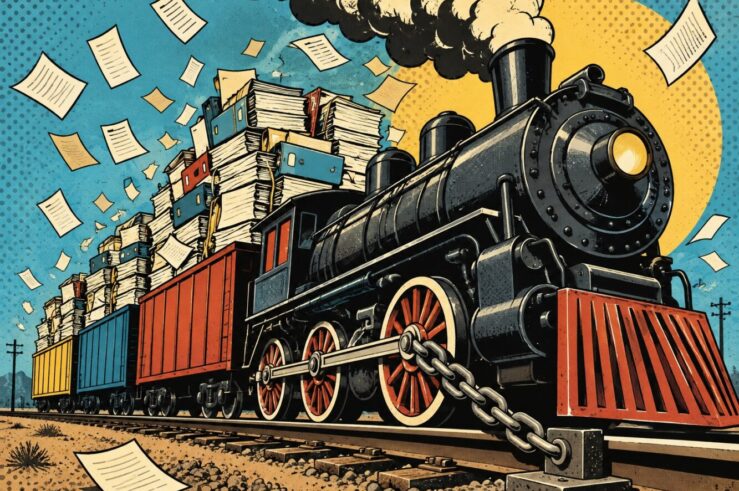
Deregulation by the Ton: The FRA’s Heavy Paperwork and Lightweight Relief
In November 1962, Soviet Premier Nikita Khrushchev addressed the Central Committee plenum to vent his frustration over the glaring distortions created by the state’s central economic planning. His chief complaint concerned a metric known as val—gross industrial output measured by weight or volume. Lighting factories faced production quotas based on sheer tonnage, rather than quality ... Deregulation by the Ton: The FRA’s Heavy Paperwork and Lightweight Relief
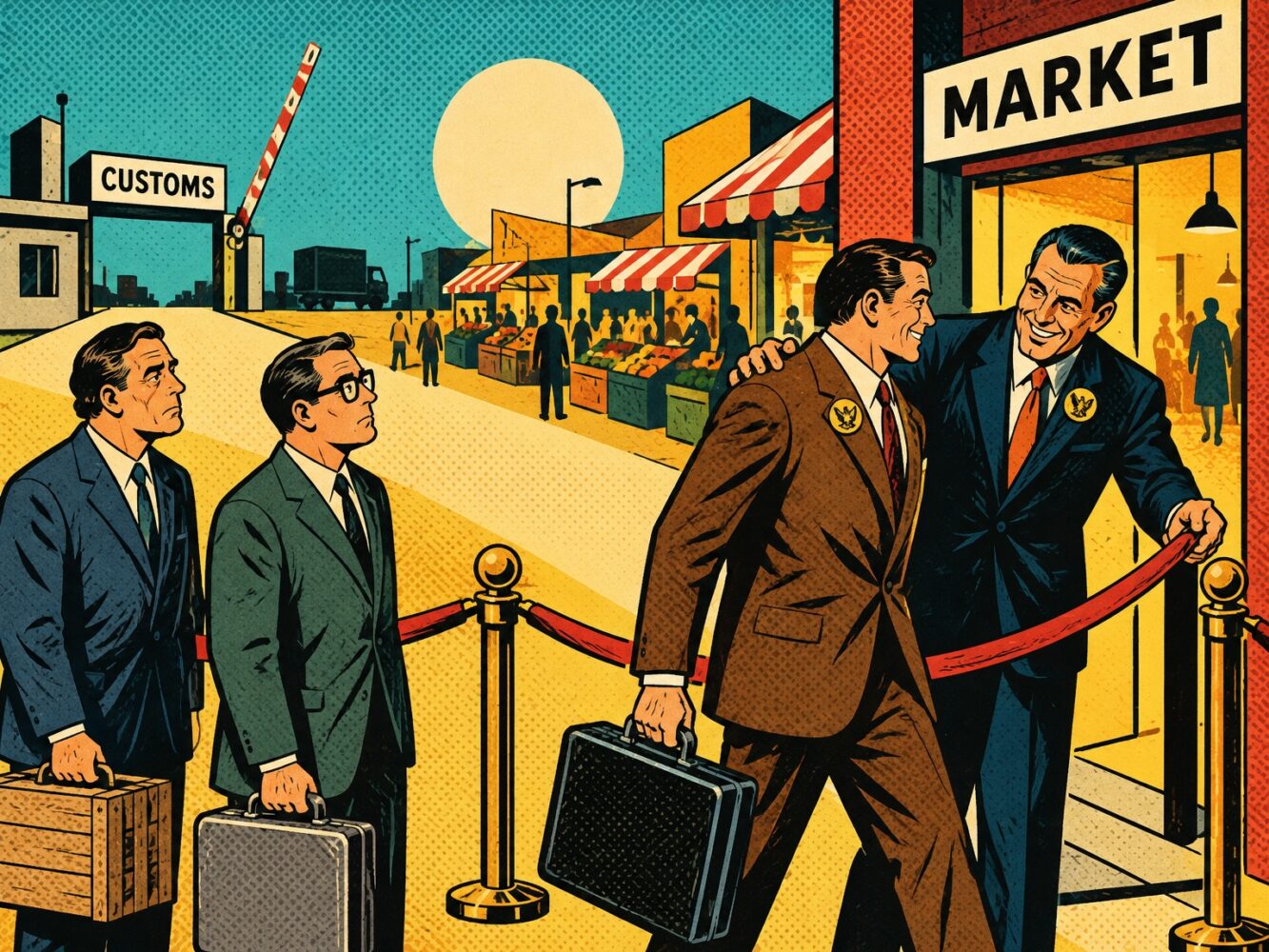
Beyond Tariffs: Free Trade and the Friends-and-Family Plan
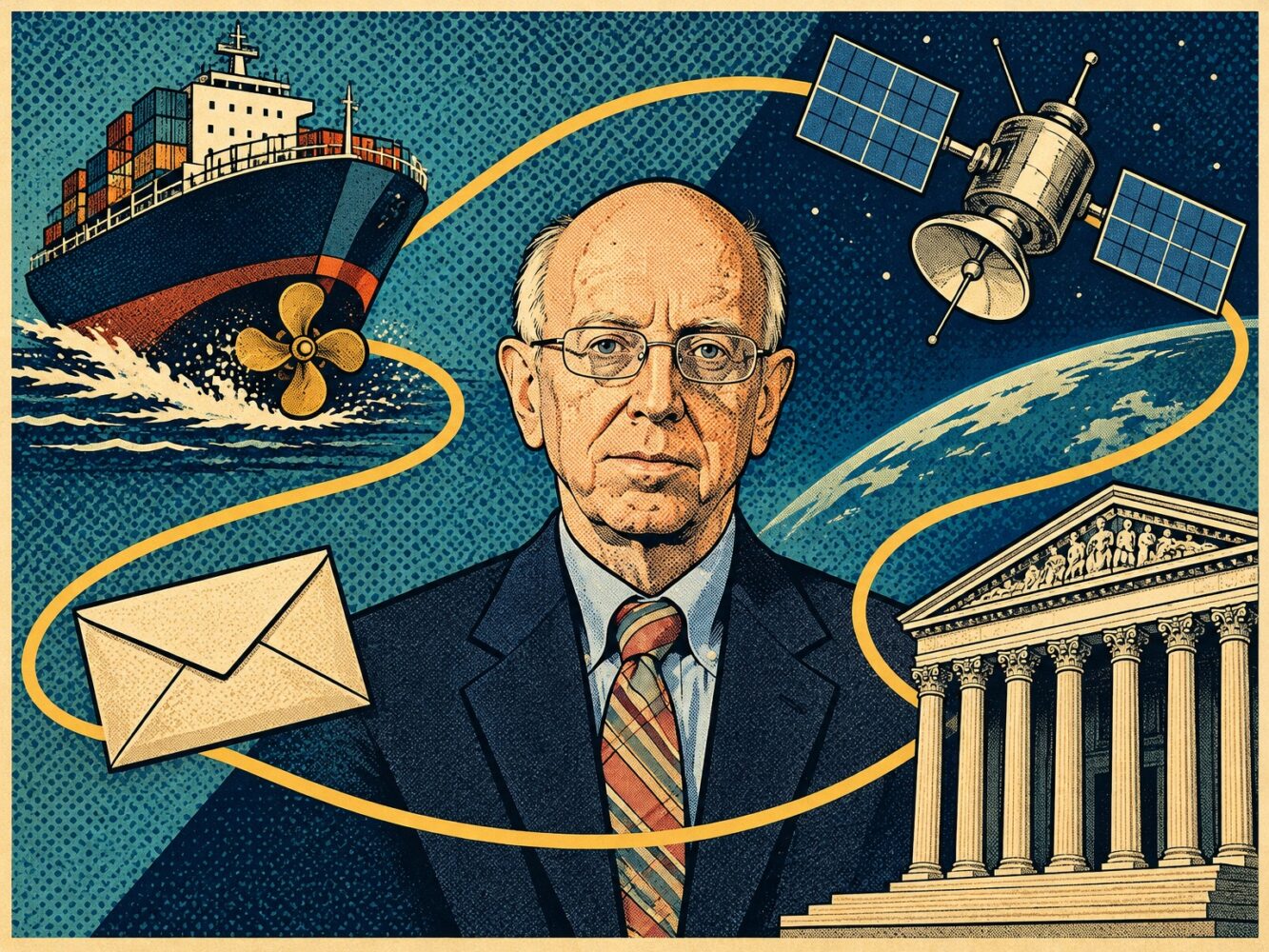
A trade deal can lower tariffs and yet still leave the hardest barriers untouched. The shipment clears customs, but the supplier cannot get a license, bid for a government contract, or compete with a subsidized state firm. The border is nominally open, but the market has other arrangements. As I argue in a new Mercatus ... Beyond Tariffs: Free Trade and the Friends-and-Family Plan
‘The Use of Knowledge in Society,’ by Friedrich A. Hayek
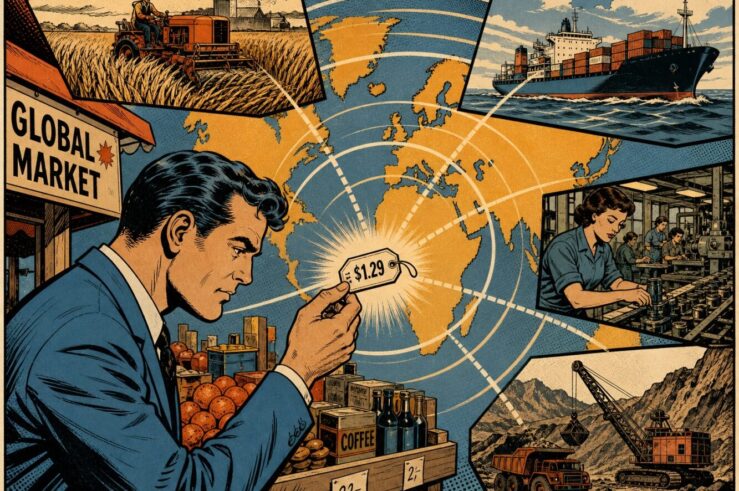
The wealth and technological sophistication of modern society are readily apparent. Less visible, but no less remarkable, is its ability to coordinate the actions of billions of people who know almost nothing about one another’s circumstances. Every day we make decisions without possessing most of the information on which those decisions ultimately depend. We purchase ... ‘The Use of Knowledge in Society,’ by Friedrich A. Hayek
‘The Logic of Political Survival,’ by Bruce Bueno de Mesquita, Alastair Smith, Randolph M. Siverson & James D. Morrow
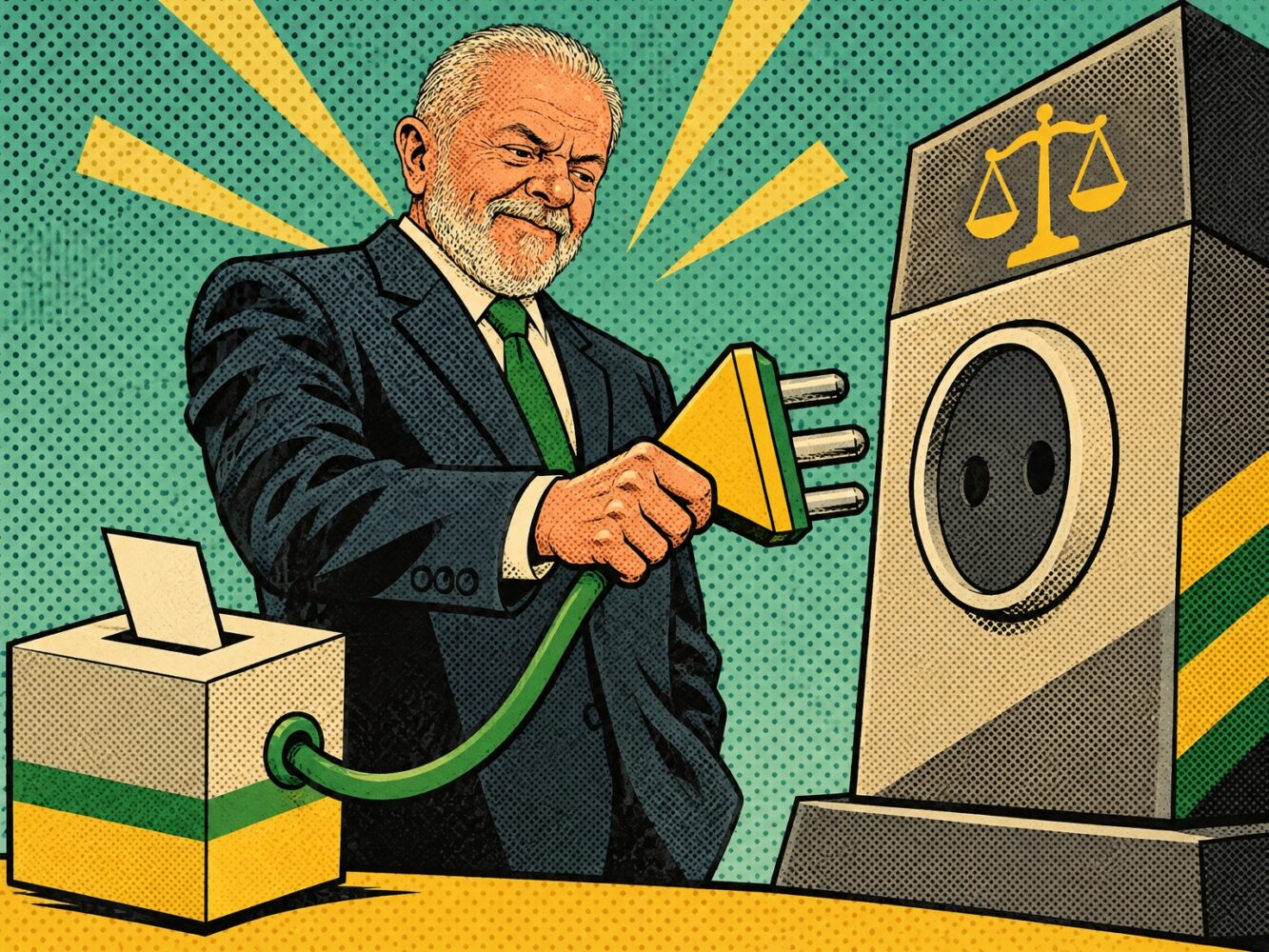
Since the COVID-19 pandemic and the political upheavals that followed, concerns have grown that many Western democracies face authoritarian pressure and are becoming less democratic. This shift has renewed interest in one of political science’s most influential frameworks for understanding democratic and nondemocratic rule: Selectorate Theory, developed by Bruce Bueno de Mesquita, Alastair Smith, Randolph ... ‘The Logic of Political Survival,’ by Bruce Bueno de Mesquita, Alastair Smith, Randolph M. Siverson & James D. Morrow
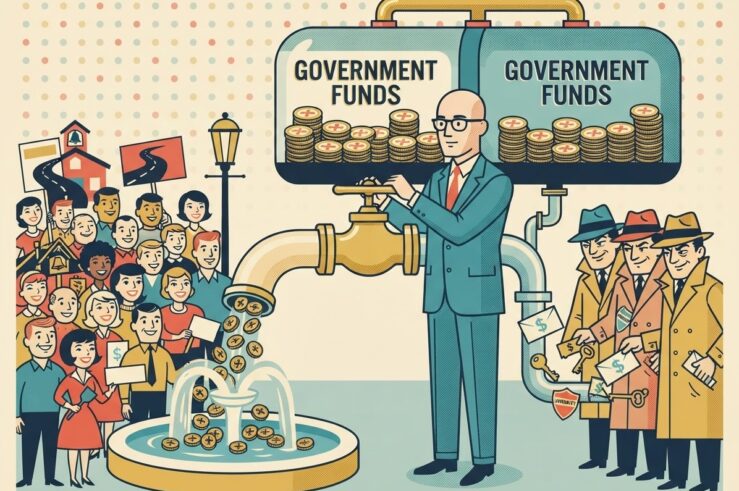
The Fatal Conceit Gets a GPU Cluster: Bernie Sanders’ Plan to Socialize AI
The American A.I. Sovereign Wealth Fund Act rests on a sweeping claim about the ownership of value created by artificial intelligence. Because AI models are trained on data generated by the public, the bill treats the resulting gains as a public resource subject to state control and redistribution. Sen. Bernie Sanders’ (I-Vt.) proposal would require ... The Fatal Conceit Gets a GPU Cluster: Bernie Sanders’ Plan to Socialize AI

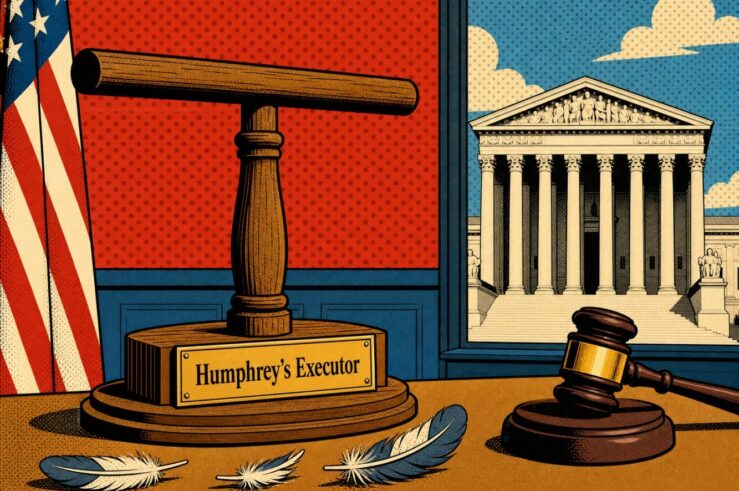
Much Ado About Removal: The Supreme Court, the FTC, and the End of Independent-ish Agencies
For roughly 90 years, Humphrey’s Executor had been the constitutional law equivalent of a load-bearing antique: an awkward, if still functioning, architectural kludge, much admired in certain circles, but increasingly hard to rationalize. Earlier this week, finally, the U.S. Supreme Court replaced it. In Trump v. Slaughter, the Court overruled that 1935 opinion. The president ... Much Ado About Removal: The Supreme Court, the FTC, and the End of Independent-ish Agencies
Don’t Put the Government on the Cap Table
When Washington offers to “share the upside,” check the fine print. With artificial intelligence, the proposed bargain is not just that taxpayers might get a slice of the next great American industry. It is that the federal government would become part owner of the companies that increasingly shape what Americans ask, read, write, and believe. ... Don’t Put the Government on the Cap Table

If at First Consumers Don’t Switch, Regulate Again
Under the Digital Markets Act (DMA), consumers are apparently sovereign—right up until they choose the wrong thing. When Mozilla reports that Firefox is now selected through a DMA browser-choice screen once every 10 seconds—more than 6 million selections in total, with daily active iOS users 113% higher in the European Union than they would have ... If at First Consumers Don’t Switch, Regulate Again

Artificial Intelligence, Natural Ignorance
Everyone in Washington seems to agree that artificial intelligence must be governed. The only real dispute is who gets the steering wheel. Congress? Federal agencies? State legislatures? Some newly minted task force with a long acronym and a taste for reporting requirements? That debate is already too narrow. President Donald Trump’s recent executive order on ... Artificial Intelligence, Natural Ignorance

Grow the Pie, Skip the Sermon
In a recent Substack essay, “The progress movement needs a better theory of progress,” Brink Lindsey argues that the progress movement has settled for too thin a vision. It focuses on wealth creation and technological advance, he says, when it should adopt a “fuller conception of progress”—one that promotes “spiritual welfare” and thicker accounts of ... Grow the Pie, Skip the Sermon

The Hidden Premise: Smuggling Paternalism Through the Back Door
A familiar pattern has taken hold in platform regulation—and in the academic and policy commentary that surrounds it. Critics spot a real phenomenon, recast it as market failure, and then press for intervention that far outstrips what the evidence can support. The result: arguments that read as persuasive but collapse under scrutiny. They conflate distinct ... The Hidden Premise: Smuggling Paternalism Through the Back Door