Showing archive for: “Economics of Networks”
Why Corner Post’s Merchant Victory May Not Ring Up Savings
Merchants persuaded a federal appeals court to throw out the Federal Reserve’s debit-card fee cap. They might want to hold the applause until they see its replacement. A ruling aimed at the Fed’s arithmetic could leave room for a higher cap—and a fuller accounting of what consumers get for those fees. In Corner Post, Inc. ... Why Corner Post’s Merchant Victory May Not Ring Up Savings

The DMA’s Magic Words and Missing Off Switch
The European Union’s Digital Markets Act (DMA) depends on two terms that lawmakers never defined. “Fairness” and “contestability” determine how the European Commission measures gatekeeper compliance, imposes new obligations, and grades its own performance every three years. The law uses both terms liberally but explains neither. Recital 79 even promises that the Commission will apply ... The DMA’s Magic Words and Missing Off Switch

All-Inclusive Antitrust: Europe’s New Route to Merger Prohibition
Booking.com wanted to become a one-stop shop for a traveler’s entire journey. European regulators saw a different itinerary: a one-way trip to deeper dominance. In a closely watched Sept. 9 judgment, the European Union’s General Court upheld the European Commission’s 2023 decision blocking Booking’s acquisition of Etraveli. The court agreed that adding Etraveli’s flight-booking business ... All-Inclusive Antitrust: Europe’s New Route to Merger Prohibition

No Free Ride: Uber’s African Retreat
First, “Uber” became a verb. Now, in parts of Africa, it is becoming past tense. The company’s withdrawal from Nigeria and Uganda complicates one of competition policy’s favorite storylines: U.S. technology platforms enter, conquer, and never leave. That assumption has helped fuel a rush to import rules modeled on the European Union’s Digital Markets Act ... No Free Ride: Uber’s African Retreat

Location, Location, Litigation: The Antitrust Fight Over Private Listings
In the late 1800s, real estate agents gathered at local associations to exchange information about the homes they were trying to sell. The intuitive logic was that the best way to make a sale was to spread the word. The real estate market has evolved considerably since then, but buyers and sellers, typically through their ... Location, Location, Litigation: The Antitrust Fight Over Private Listings

Google, the Unruh Act, and the Legal Risk of Knowing Your Audience
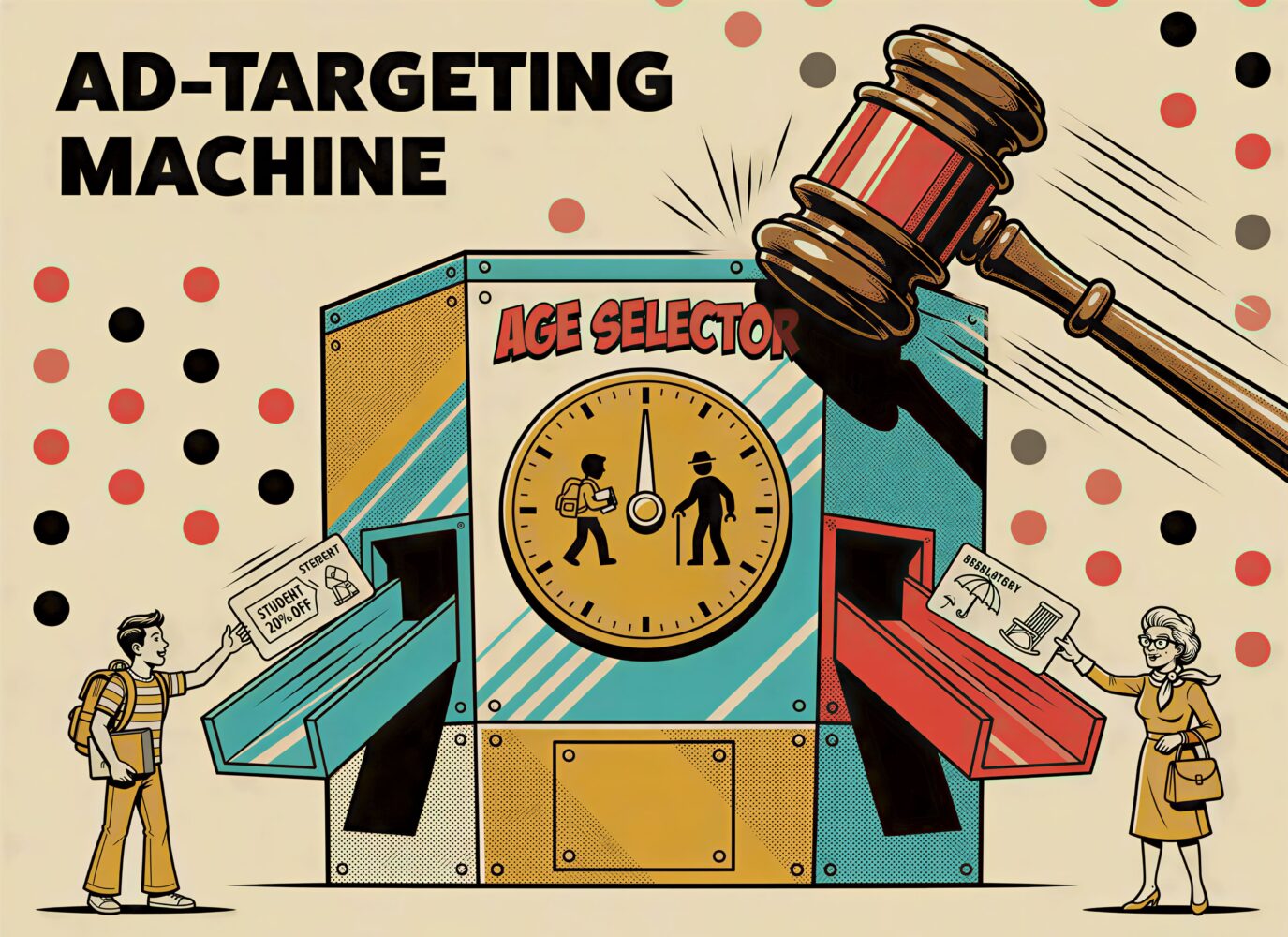
Advertising’s oldest rule is simple: Know your audience. In California, following it may get an online platform sued. Show retirement-home ads to seniors and student discounts to college students, and sensible targeting can suddenly look like unlawful discrimination. That question is now before California’s Sixth Appellate District. The dispute arises from a trial court ruling in ... Google, the Unruh Act, and the Legal Risk of Knowing Your Audience
Copy, Paste, Compensate: Nigeria’s Misguided Bid to Make Big Tech Pay for News
Nigeria has looked south and seen a $40 million payday for the press. The trouble is that it misread both the price tag and the fine print—and its attempt to collect may leave Nigerian publishers with fewer readers and no comparable payday. On July 6, Nigeria’s Federal Competition and Consumer Protection Commission (FCCPC) announced investigations ... Copy, Paste, Compensate: Nigeria’s Misguided Bid to Make Big Tech Pay for News

The Price of Peace in the Swipe-Fee Wars
After 21 years, two failed settlements, and enough economic testimony to qualify as its own industry, the great interchange-fee war may finally be nearing a cease-fire. The terms are imperfect, and the case never had much economic merit. Even so, the proposed settlement may offer the best available escape from a dispute whose legislative sequels ... The Price of Peace in the Swipe-Fee Wars

Brussels’ AI Catch-22: Siri, Define ‘Choice’
Did Apple jump, or was it pushed? That is the question Brussels would rather not answer after Apple announced that its new Siri AI features will not ship on iPhones and iPads in the European Union. The European Commission says Apple made a free choice. Apple’s actual choice was between opening the iPhone in ways ... Brussels’ AI Catch-22: Siri, Define ‘Choice’

The EU’s Bid to Nationalize Space
Europe’s latest space policy has a simple theory: To build a champion, you must first clear the field. The European Commission’s newly adopted proposal to reallocate the 2 GHz mobile-satellite-service (MSS) band—a slice of radio spectrum used for satellite communications—would reserve most of that spectrum for European operators. The same proposal would limit non-EU militaries ... The EU’s Bid to Nationalize Space

The Case of the Vanishing Competitor
Spirit Airlines was supposed to be the competitor antitrust law saved. Instead, it may become the cautionary tale antitrust law cannot quite avoid. The carrier’s disappearance has transformed the JetBlue-Spirit merger litigation from an ordinary postmortem into a test case for how antitrust law should treat distressed challengers in concentrated network industries. Protecting Competition, Minus ... The Case of the Vanishing Competitor

Nonstop to Nowhere: Spirit, JetBlue, and the Limits of Merger Doctrine
Spirit Airlines built its brand on the promise that flying could be miserable, but cheap. Its reported shutdown and liquidation now poses a less cheerful question for antitrust: What if the competitor regulators fought to preserve was already running out of runway? That question has triggered the sort of debate that is easy to politicize ... Nonstop to Nowhere: Spirit, JetBlue, and the Limits of Merger Doctrine