Showing archive for: “Comparative Political Economy: Regulation”
Protectionism in Regulatory Clothing: How Governments Keep Markets Closed Without Tariffs
Governments negotiate away tariffs in public, but they can restore much of the protection in the licensing office. A procurement preference, a selective subsidy, or a regulatory exemption can accomplish much the same thing. Trade liberalization has made tariffs easier to see and negotiate away, but governments still have plenty of ways to shelter favored ... Protectionism in Regulatory Clothing: How Governments Keep Markets Closed Without Tariffs
Brussels Rules Without the Brussels Perks
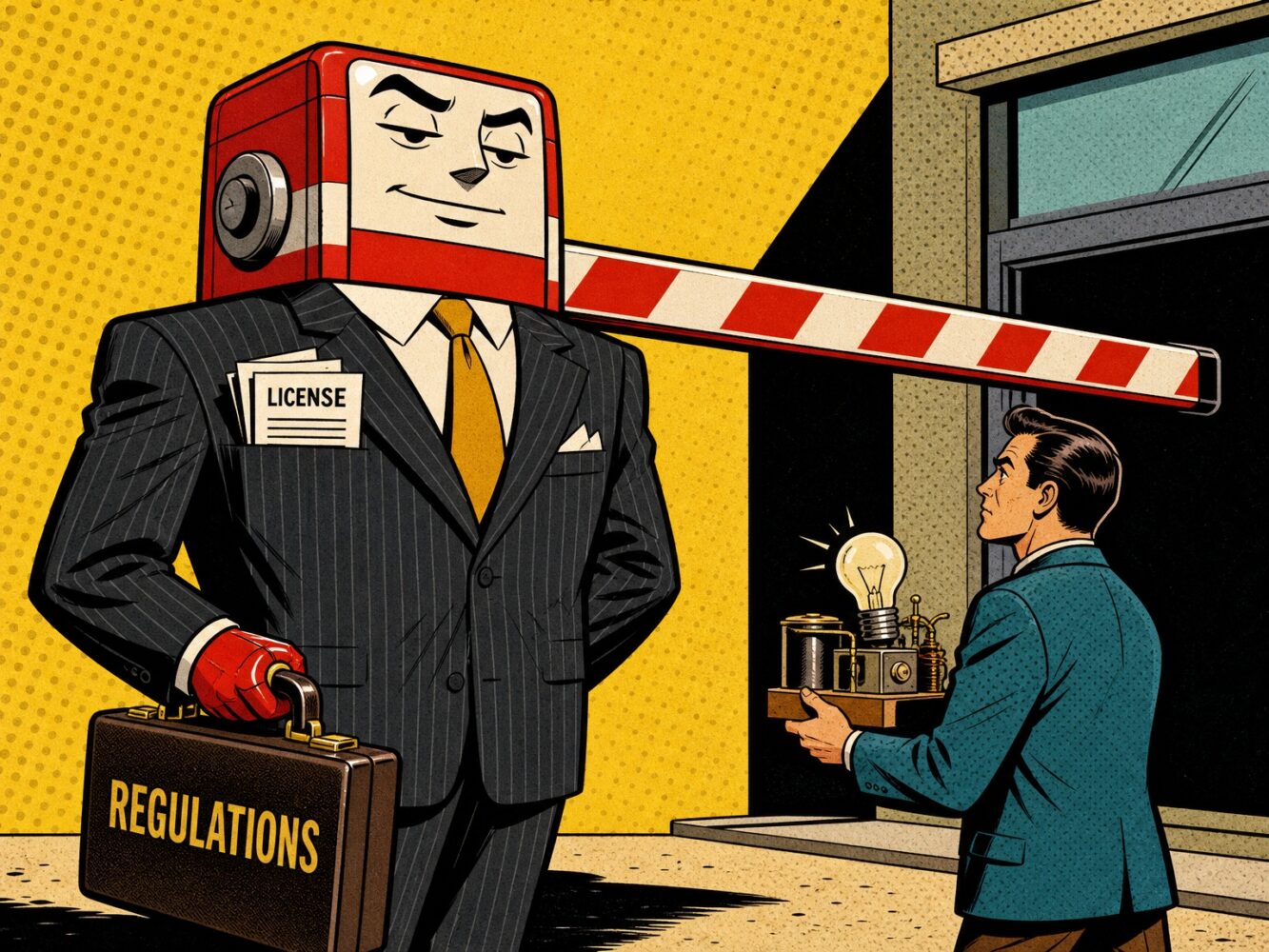
Brussels’ latest competition guidelines should probably come with a warning label. Countries borrowing them risk importing dubious economics, remedies designed for Europe’s very specific institutional problems, and a trade fight with Washington. On Sept. 3, after a three-year process, the European Commission adopted its first guidelines on exclusionary abuses under Article 102 of the Treaty ... Brussels Rules Without the Brussels Perks

Beyond Tariffs: Free Trade and the Friends-and-Family Plan
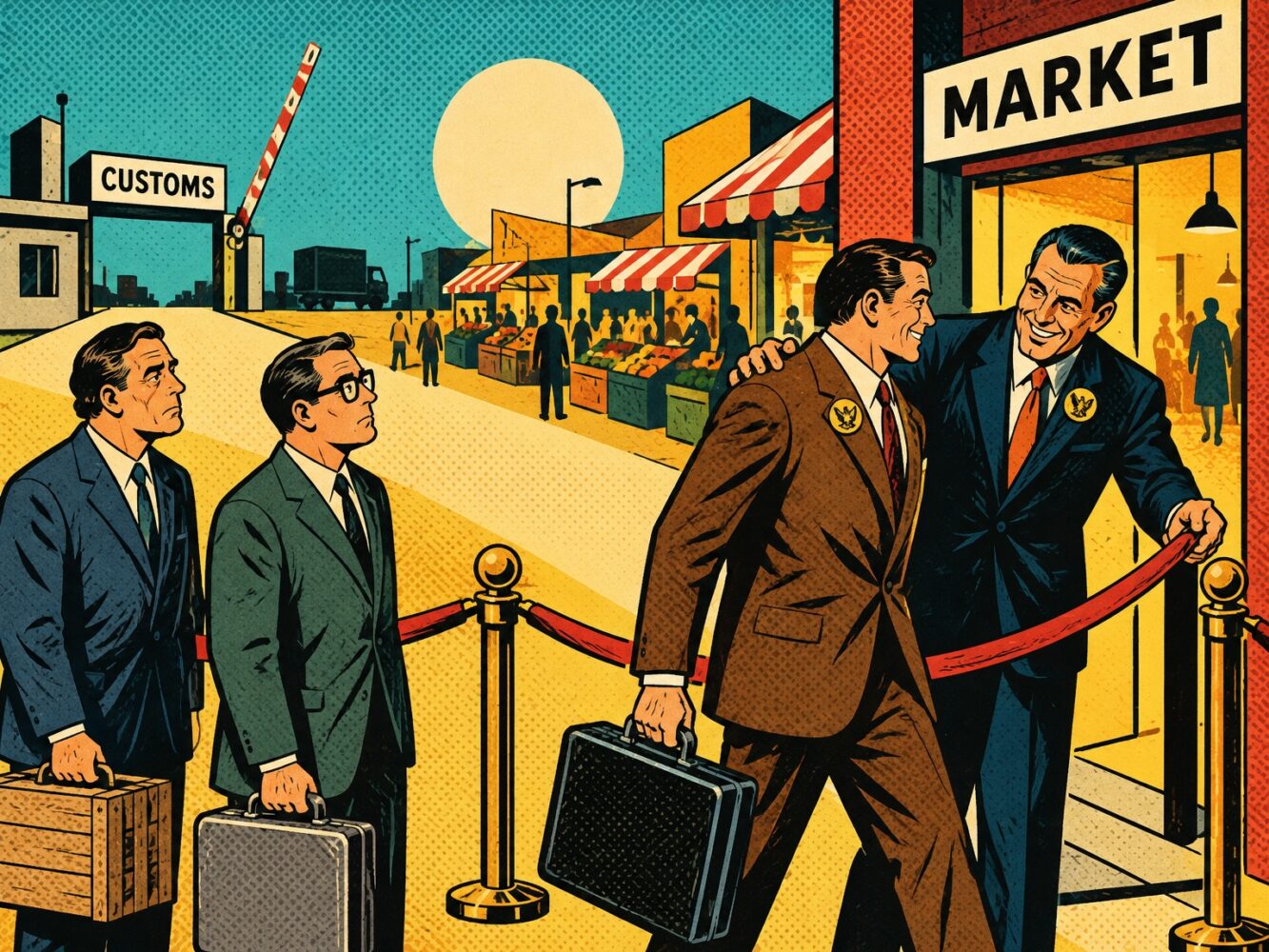
A trade deal can lower tariffs and yet still leave the hardest barriers untouched. The shipment clears customs, but the supplier cannot get a license, bid for a government contract, or compete with a subsidized state firm. The border is nominally open, but the market has other arrangements. As I argue in a new Mercatus ... Beyond Tariffs: Free Trade and the Friends-and-Family Plan
No Free Ride: Uber’s African Retreat
First, “Uber” became a verb. Now, in parts of Africa, it is becoming past tense. The company’s withdrawal from Nigeria and Uganda complicates one of competition policy’s favorite storylines: U.S. technology platforms enter, conquer, and never leave. That assumption has helped fuel a rush to import rules modeled on the European Union’s Digital Markets Act ... No Free Ride: Uber’s African Retreat

‘The Logic of Political Survival,’ by Bruce Bueno de Mesquita, Alastair Smith, Randolph M. Siverson & James D. Morrow
Since the COVID-19 pandemic and the political upheavals that followed, concerns have grown that many Western democracies face authoritarian pressure and are becoming less democratic. This shift has renewed interest in one of political science’s most influential frameworks for understanding democratic and nondemocratic rule: Selectorate Theory, developed by Bruce Bueno de Mesquita, Alastair Smith, Randolph ... ‘The Logic of Political Survival,’ by Bruce Bueno de Mesquita, Alastair Smith, Randolph M. Siverson & James D. Morrow
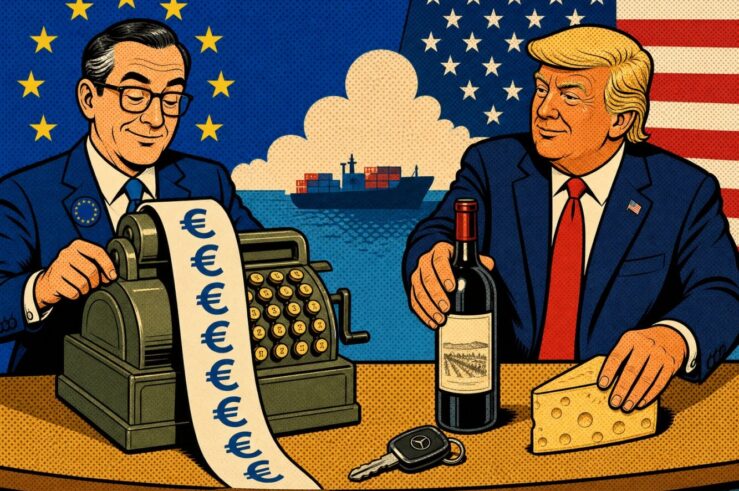
From Google Fines to French Wine: The Trade Case Against the DMA
Brussels has spent two years testing how much regulatory pain Washington will tolerate before reaching for the tariff book. President Donald Trump may have supplied the answer. His threatened Section 301 investigation—a process that allows the United States to retaliate against foreign practices that unfairly burden U.S. commerce—could turn Europe’s digital rulebook into a transatlantic ... From Google Fines to French Wine: The Trade Case Against the DMA
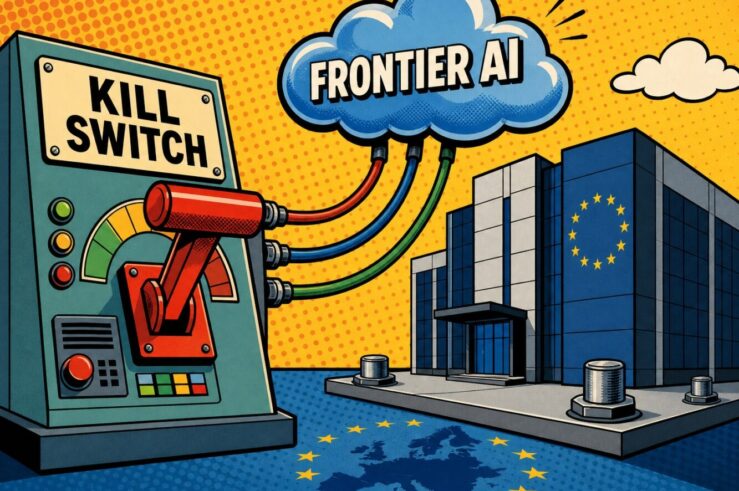
Bolted to the Floor, Not Written in the Clouds
Europe wanted technological sovereignty. On June 12, it got a demonstration of technological dependence. That day, the U.S. government cut non-Americans off from access to two of the world’s most advanced AI models. Brussels’ flagship response to precisely this scenario—the Cloud and AI Development Act (CADA)—would not have helped. As I argue in “Europe’s Sovereignty ... Bolted to the Floor, Not Written in the Clouds
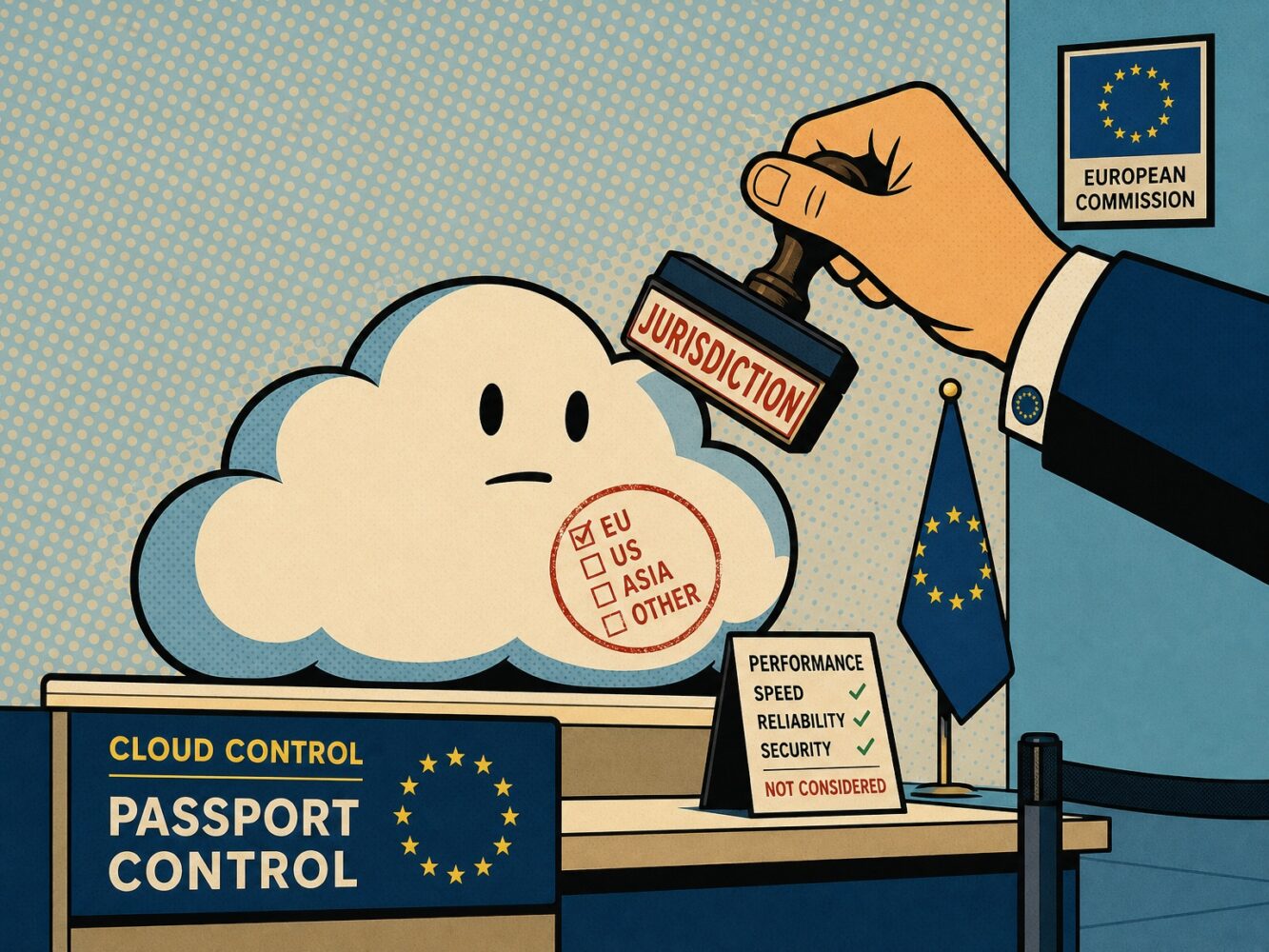
Europe’s Cloudy Judgment
Europe wants to become an AI continent. Fair enough. But it will not get there by turning the cloud into a customs checkpoint. The European Commission’s new European technological-sovereignty package deserves close attention in Washington, Brussels, and boardrooms on both sides of the Atlantic. Announced June 3, the package aims to strengthen Europe’s capacity in ... Europe’s Cloudy Judgment
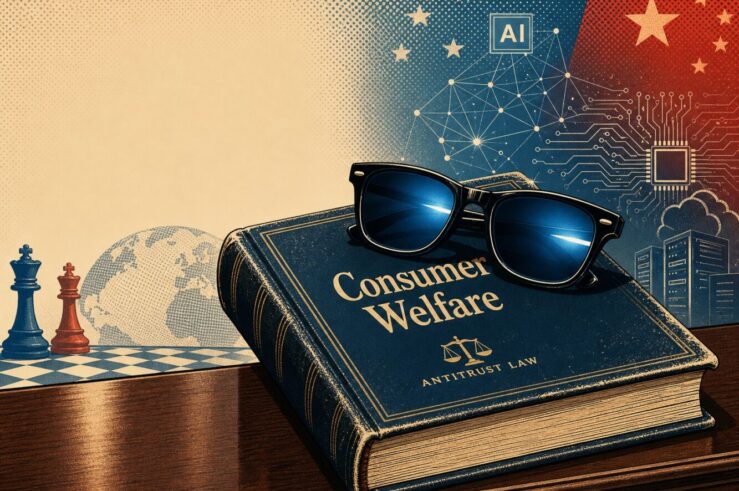
How China Accidentally Made Consumer Welfare Cool Again
The consumer welfare standard was supposed to be on the defensive. After nearly a decade of attacks from the neo-Brandeisian movement, critics had cast it as too narrow, too technocratic, and too forgiving of “Big Tech.” Yet the standard’s most important new ally may turn out to be an unexpected one: geopolitics. The consumer welfare ... How China Accidentally Made Consumer Welfare Cool Again
Competitiveness Without the Cronyism
Big mergers are back in fashion. So are “national champions,” industrial-policy wish lists, and solemn warnings that antitrust enforcement may leave the West defenseless against foreign rivals. In Washington, Brussels, and London, competition policy increasingly sounds less like economics and more like geopolitical strategy. That trend creates a real risk of confusion. Antitrust is not ... Competitiveness Without the Cronyism
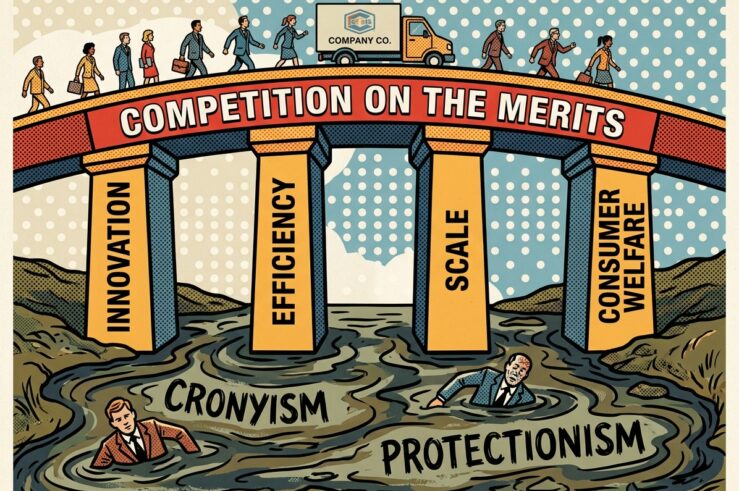
Merger Guidelines for the Industrial Policy Curious
The European Commission published its draft “guidelines on the assessment of mergers under Council Regulation (EC) No 139/2004 on the control of concentrations between undertakings” yesterday. The title does what titles of merger guidelines usually do: it lowers expectations. That is useful misdirection. The document itself is anything but dull. The draft guidelines span more ... Merger Guidelines for the Industrial Policy Curious
The View from Singapore: A TOTM Q&A with Alvin Koh
Alvin, can you briefly describe your professional background? In my role as chief executive of the Competition and Consumer Commission of Singapore (CCS), I oversee the administration and enforcement of Singapore’s competition, consumer protection, and legal metrology laws to ensure Singapore’s markets remain competitive and consumers are protected from unfair trading practices. This is my ... The View from Singapore: A TOTM Q&A with Alvin Koh