Showing archive for: “Corporate Law & Finance”
Protectionism in Regulatory Clothing: How Governments Keep Markets Closed Without Tariffs
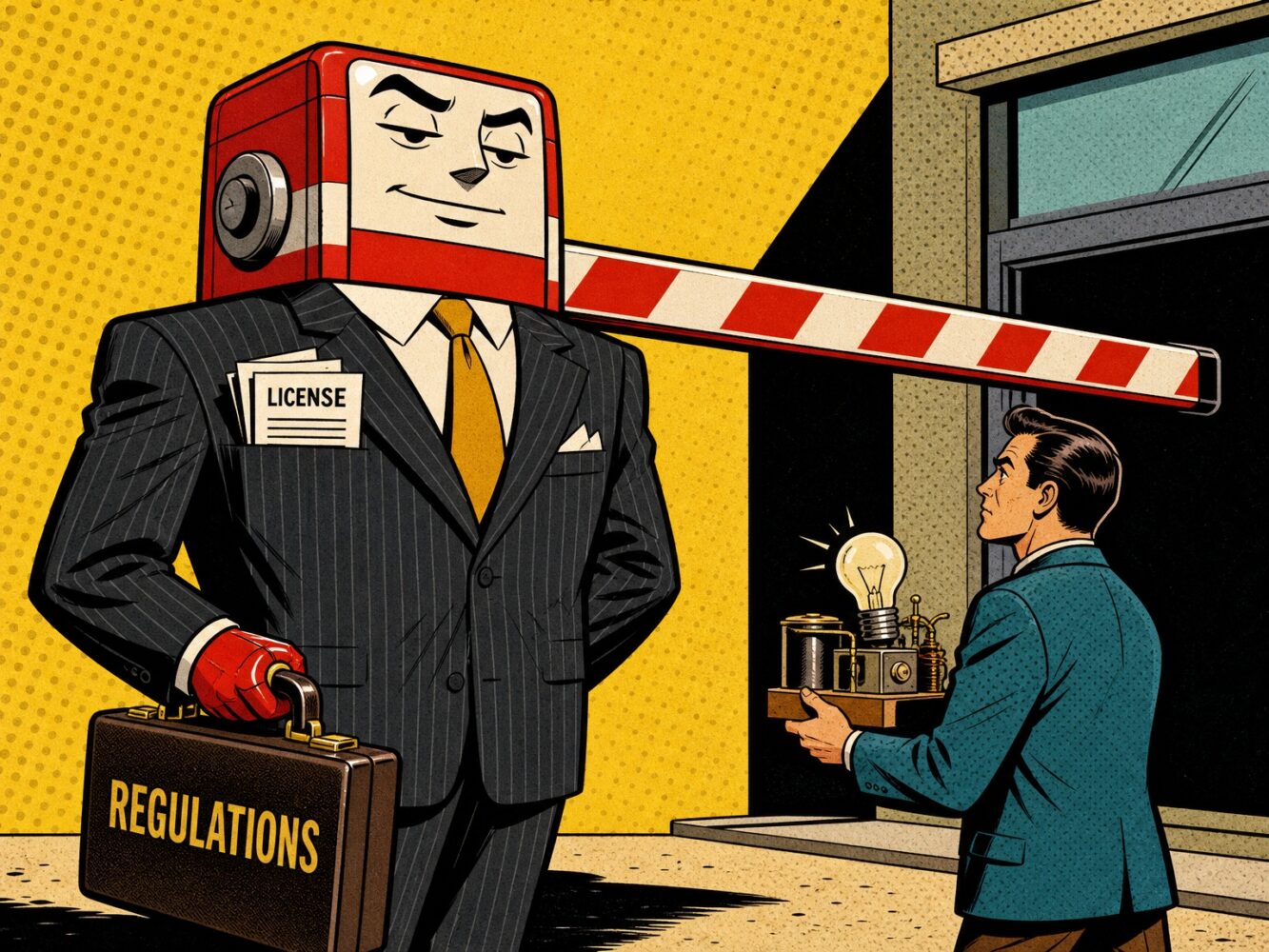
Governments negotiate away tariffs in public, but they can restore much of the protection in the licensing office. A procurement preference, a selective subsidy, or a regulatory exemption can accomplish much the same thing. Trade liberalization has made tariffs easier to see and negotiate away, but governments still have plenty of ways to shelter favored ... Protectionism in Regulatory Clothing: How Governments Keep Markets Closed Without Tariffs
SpaceX and the New Geography of Corporate Governance
SpaceX may soon ask public investors to buy a piece of the future. The fine print may ask them to buy something else, too: a theory of corporate governance. The company’s reported initial public offering (IPO) has already drawn significant concern from institutional investors and corporate-governance observers. That concern is understandable. SpaceX reportedly seeks to ... SpaceX and the New Geography of Corporate Governance

Warner Bros Discovery: We Have Another SpinCo
Warner Bros. Discovery announced yesterday it will split into two separate companies, following Comcast’s similar move to spin off its cable networks into a new entity called Versant. (Laugh all you want at Versant’s name, it’s better than Tronc or Monday.) To those who haven’t followed the sector’s challenges, the Warners and Comcast decisions might ... Warner Bros Discovery: We Have Another SpinCo

American Industrial Policy Should Start with No More Self-Inflicted Tax Wounds
U.S. industrial-policy efforts frequently undermine themselves through counterproductive tax regulations, creating a paradox that hinders genuine investment and economic growth. Policymakers have committed substantial resources and political capital toward reshoring domestic manufacturing, upgrading national infrastructure, and enhancing American economic competitiveness. Indeed, these goals have been central to the Trump administration’s stated economic priorities. Yet despite ... American Industrial Policy Should Start with No More Self-Inflicted Tax Wounds

Simplifying Small Firm Disclosure
An occasional reader brought to our attention a bill that is fast making its way through the U.S. House Committee on Financial Services. The Small Company Disclosure Simplification Act (H.R. 4167) would exempt emerging growth companies and companies with annual gross revenue less than $250 million from using the eXtensible Business Reporting Language (XBRL) structure ... Simplifying Small Firm Disclosure

So What’s Going to Happen to Securities Fraud Class Actions? Some Thoughts on Halliburton
On Wednesday, the U.S. Supreme Court heard oral argument in Halliburton v. Erica P. John Fund, a case that could drastically alter the securities fraud landscape. Here are a few thoughts on the issues at stake in the case and a cautious prediction about how the Court will rule. First, some quick background for the ... So What’s Going to Happen to Securities Fraud Class Actions? Some Thoughts on Halliburton
Executive Compensation Symposium This Friday at Case Western’s Center for Business Law and Regulation
This coming Friday (Oct. 12), the Center for Business Law and Regulation at Case Western Law School will host what promises to be a terrific symposium on executive compensation. Presenters include TOTM alumnus Todd Henderson (Chicago Law), Jill Fisch (Penn Law), Jesse Fried (Harvard Law), David Walker (Boston U Law), David Larcker (Stanford Business), Stephen L. Brown (TIAA-CREF), Paul Hodgson ... Executive Compensation Symposium This Friday at Case Western’s Center for Business Law and Regulation
More Bailout Fallout: Non-buyer’s Remorse
An interesting story in the WSJ Online today about American International Group (AIG)’s use of a standard tax write-off and the political firestorm it is creating…all because the Washington establishment thought it could hide behind semantics during the bailout era. The benefits at issue were accrued by AIG as it amassed record losses amid the ... More Bailout Fallout: Non-buyer’s Remorse
Remembering Larry Ribstein
I was terribly saddened and, quite frankly, dumbfounded when I heard that Larry Ribstein had passed away. I had seen Larry approximately three weeks before when he gave a workshop at Yale and the last thought that would have crossed my mind would have been that I would be receiving such horrible news. At the ... Remembering Larry Ribstein
Renee Newman Knake on Corporations, the Delivery of Legal Services, and the First Amendment Part II
In Part I of this post, I identified a jurisprudential thread of cases that suggest corporations have a First Amendment right to own and invest in law practices for the delivery legal services. These decisions include NAACP v. Button, the union trilogy, and Bates v. State Bar of Arizona. Two recent cases shed light on ... Renee Newman Knake on Corporations, the Delivery of Legal Services, and the First Amendment Part II
In Defense of Delaware’s Business Judgment Rule
In a recent Dealbook post, Steven M. Davidoff complains that Delaware’s business judgment rule is too lenient. Davidoff contends that “[a] Delaware court is not going to find [directors] liable no matter how stupid their decisions are. Instead, a Delaware court will find them liable only if they intentionally acted wrongfully or were so oblivious ... In Defense of Delaware’s Business Judgment Rule
Opening the US securities markets
Larry makes a strong argument below for why the proposed SEC rules changes reported today in the WSJ should not be heralded as some great opening up of US securities markets, but that the changes are little more than political posturing to prevent addressing the real problem of the costs imposed by securities regulation more ... Opening the US securities markets