Showing archive for: “Contracts & Commercial Law”
The Watchdog and the Web Crawler
Earlier this year, Meta proposed what amounts to a price increase for its business users. To keep doing business on Facebook and Instagram under the new terms, companies would have had to let Meta’s software scan their websites and use what it found to develop its own products. German publishers called the proposal “blatant theft.” ... The Watchdog and the Web Crawler

Remembering Richard Posner’s Economy of Explanation
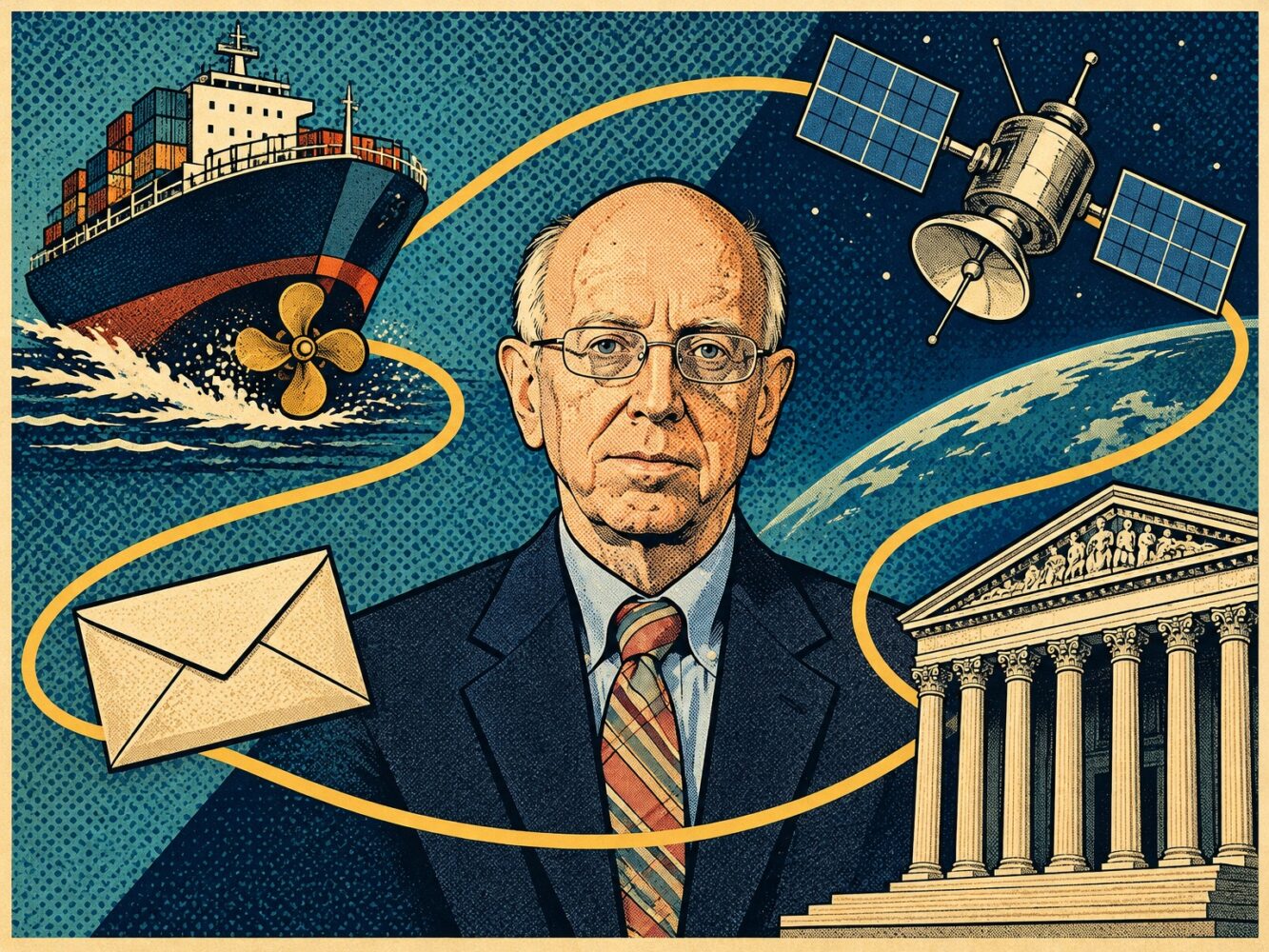
Judge Richard Posner died this week. Few scholars have left such a mark on both law and economics. As Alex Tabarrok put it, he was “the only person ever to deserve a Nobel prize and a seat on the Supreme Court.” Most writing about him will—and should—focus on his contributions to legal scholarship. He was ... Remembering Richard Posner’s Economy of Explanation
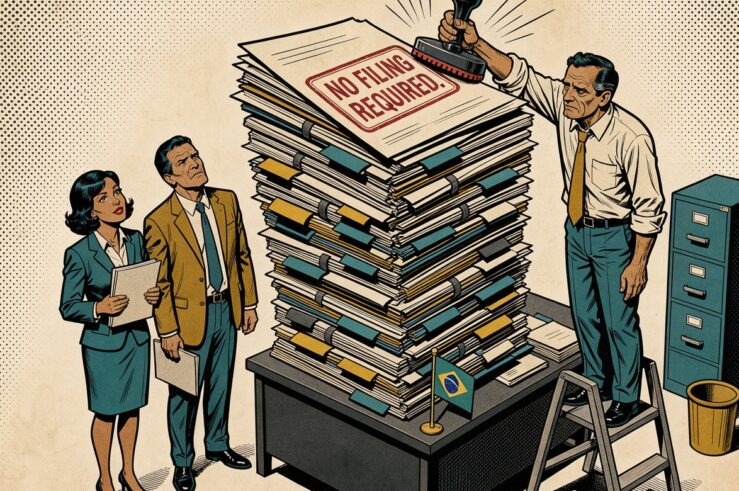
Two Years, 57 Pages, No Merger: Amazon, Anthropic, and Brazil’s Filing Problem
The wave of artificial intelligence (AI) partnerships and “acqui-hires”—deals to acquire a company’s talent—has reached Brazil. The tribunal of Brazil’s Administrative Council for Economic Defense (CADE) decided its first batch of such cases involving large technology firms and AI startups in May. A second round followed in September with Amazon/Anthropic—the would-be merger that turned out ... Two Years, 57 Pages, No Merger: Amazon, Anthropic, and Brazil’s Filing Problem
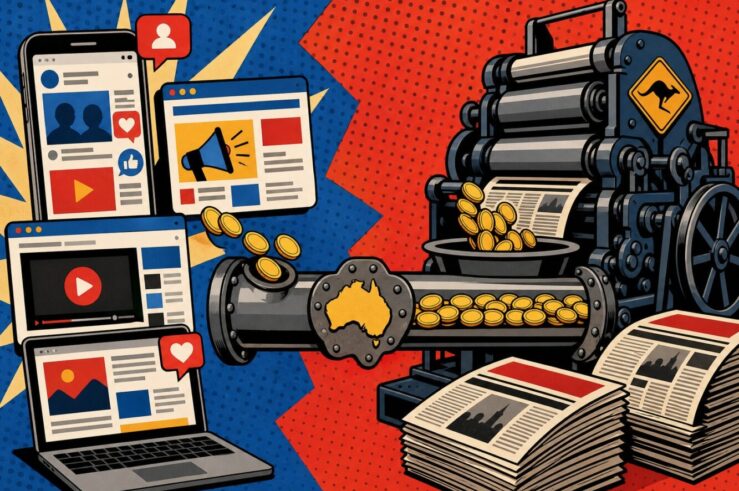
Much Ado About No News: Australia’s Latest Plan to Make Platforms Pay
Australia’s latest plan to make digital platforms pay for journalism has an unusual feature. A platform can owe money even if it carries no journalism at all. The government calls this an “incentive.” On Aug. 3, the Australian government finalized legislation establishing the News Bargaining Incentive (NBI). The government first proposed the NBI in December ... Much Ado About No News: Australia’s Latest Plan to Make Platforms Pay
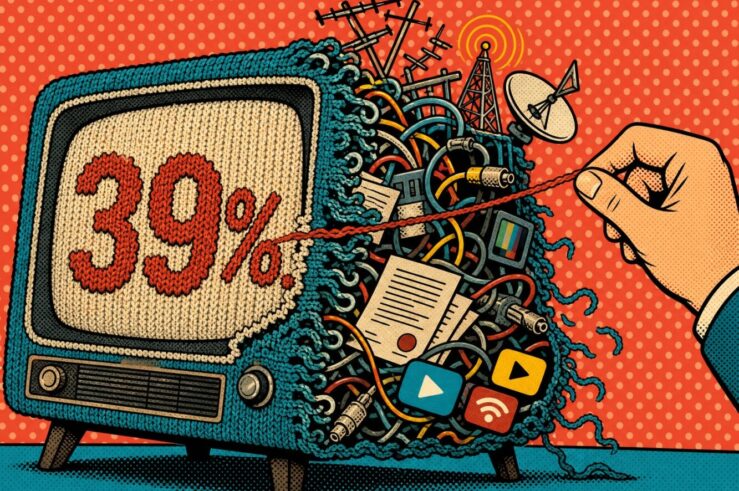
Pulling the 39% Thread: Why the FCC Must Fix More Than the Broadcast Cap
The Federal Communications Commission’s (FCC) 39% broadcast-ownership cap is a rule for a three-network world trying to govern a streaming one. Retiring it makes sense. Retiring it by itself does not. For four decades, the FCC has barred any company from owning television stations that collectively reach more than 39% of U.S. television households. The ... Pulling the 39% Thread: Why the FCC Must Fix More Than the Broadcast Cap
Android and the Art of Regulatory Self-Harm
Europe keeps asking where its technology champions are. In Google Android, the Court of Justice of the European Union (CJEU) offered part of the answer: build a successful platform, and Brussels may spend the next decade treating its architecture as evidence. The CJEU’s final judgment in Google Android, handed down last week, will be celebrated ... Android and the Art of Regulatory Self-Harm

Chatrie and the Court’s Pretzel Logic: The Fourth Amendment Gets Twisted
The Supreme Court just told police they cannot turn your phone into a witness against you merely because you walked through the wrong patch of pavement. That is the good news. The less comforting news is that the Court reached that result by dragging some badly aging Fourth Amendment doctrine along for the ride. In ... Chatrie and the Court’s Pretzel Logic: The Fourth Amendment Gets Twisted

Texas Wants to Check Your App Store Papers
Smartphones are no longer just phones. For kids, they are libraries, newspapers, classrooms, cameras, maps, town squares, and, yes, bottomless distraction machines. Texas Senate Bill 2420 treats access to all of it as something that should first pass through a state-mandated checkpoint. Also known as the App Store Accountability Act, SB 2420 is currently facing ... Texas Wants to Check Your App Store Papers

Brazil Catches the Acqui-Hire Wave
The global antitrust wave over Big Tech’s artificial intelligence deals has reached Brazil. The question is whether Brazil’s competition authority is paddling into a real breaker—or mistaking regulatory chop for a swell. Last month, Brazil’s antitrust authority, the Administrative Council for Economic Defense (CADE), entered that debate. It issued part of its long-awaited decisions on ... Brazil Catches the Acqui-Hire Wave

WarGames, Shopping Bots, and the Statute Trap: The CFAA and Amazon v Perplexity
When the 9th U.S. Circuit Court of Appeals hears oral argument later today in Amazon.com Services LLC v. Perplexity AI, Inc., it will confront a novel question: how should the Computer Fraud and Abuse Act (CFAA), a statute designed to punish computer break-ins, apply to an AI agent that browses the web on a user’s ... WarGames, Shopping Bots, and the Statute Trap: The CFAA and Amazon v Perplexity

SpaceX and the New Geography of Corporate Governance
SpaceX may soon ask public investors to buy a piece of the future. The fine print may ask them to buy something else, too: a theory of corporate governance. The company’s reported initial public offering (IPO) has already drawn significant concern from institutional investors and corporate-governance observers. That concern is understandable. SpaceX reportedly seeks to ... SpaceX and the New Geography of Corporate Governance

Reverse Patent Pools and Other TTBER Tall Tales
In standard-essential patent (SEP) licensing, every procedural tweak is also a skirmish over bargaining power. That is what makes licensing negotiation groups (LNGs) more than an obscure acronym in the European Commission’s 2026 Technology Transfer Block Exemption Regulation (TTBER) and accompanying Guidelines (TTGs). LNGs would allow technology implementers to bargain collectively with rights holders. Depending ... Reverse Patent Pools and Other TTBER Tall Tales