Licensed to Wait: The High Cost of Spectrum Delay
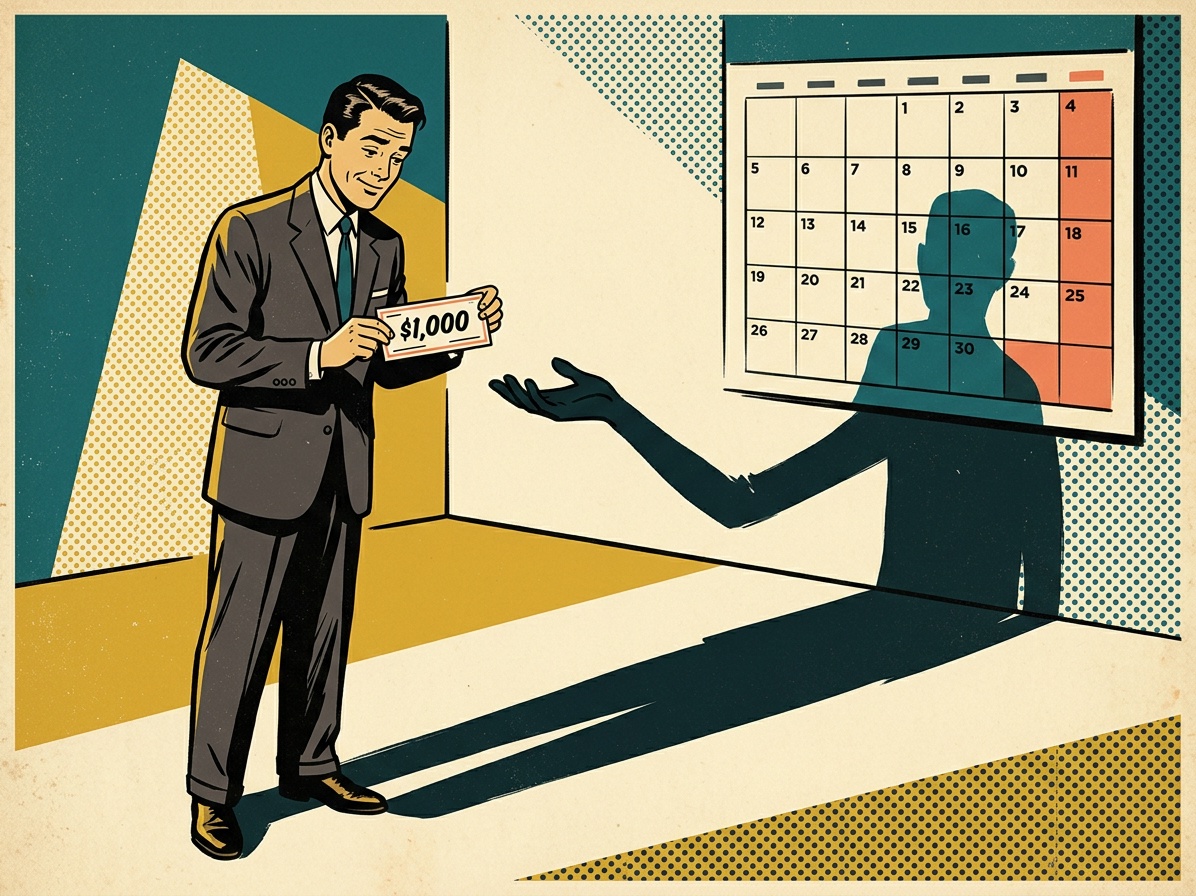
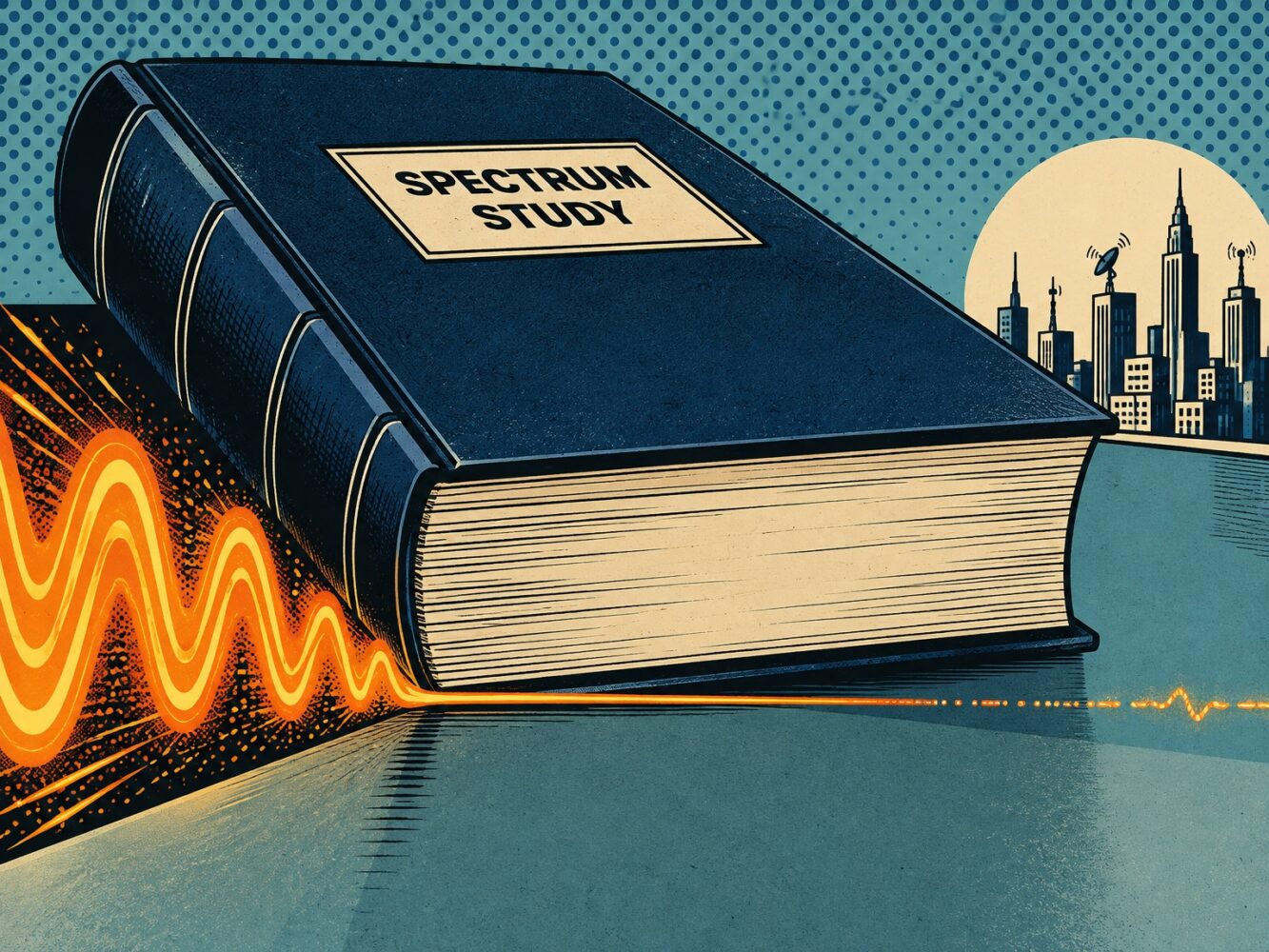
America’s wireless future is on hold, pending another study. Federal agencies control much of the spectrum needed to build it—and the process for opening those frequencies rewards incumbents for taking their time. Sustaining U.S. leadership in wireless technology requires more spectrum—the radio frequencies that carry wireless signals—for fifth- and sixth-generation mobile networks (5G and 6G), ... Licensed to Wait: The High Cost of Spectrum Delay
BEAD’s Second Act: The Future Is Pending Approval
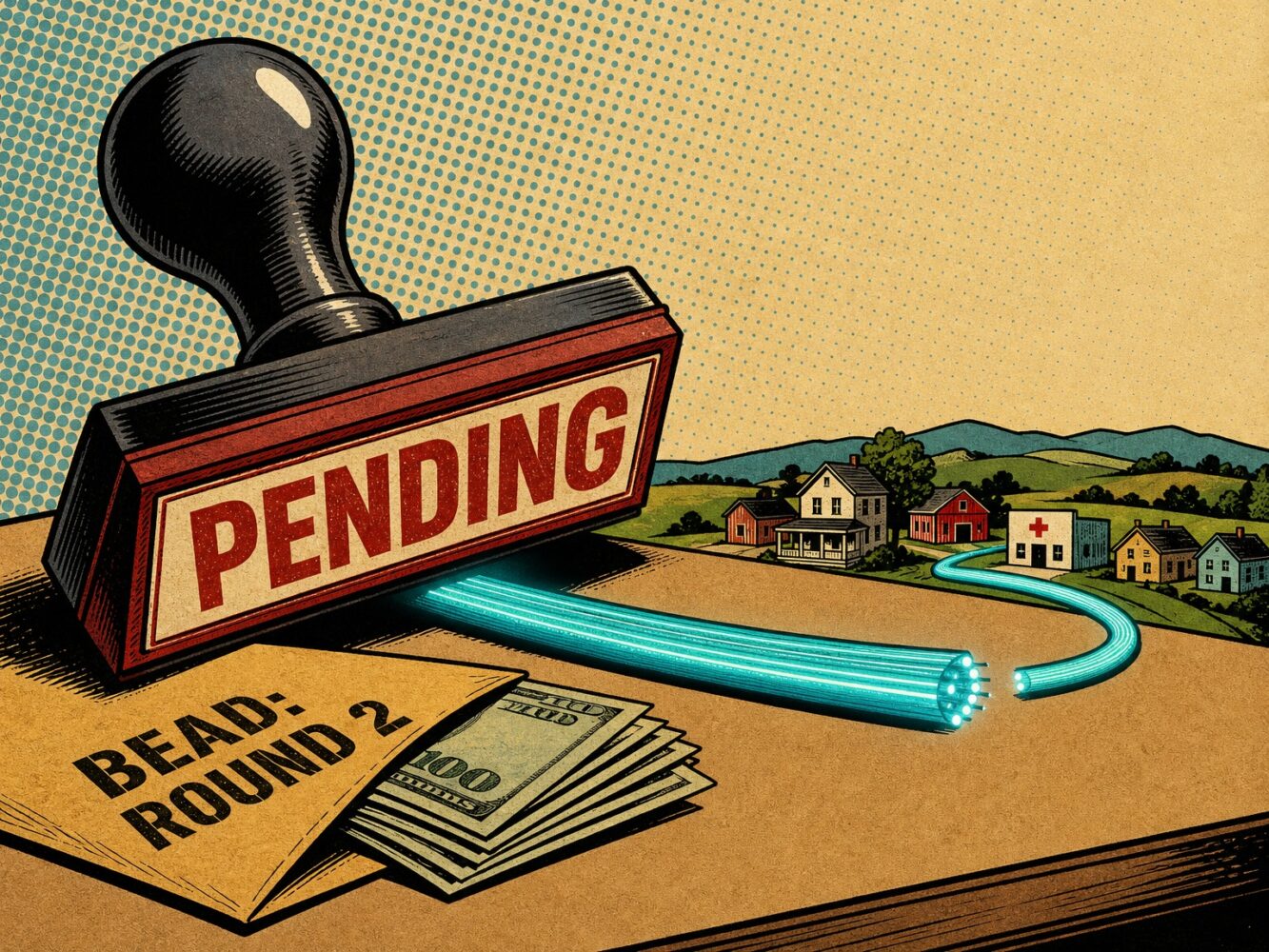
The road to rural access to AI-enabled services runs through the permit office. Chips, data centers, and electricity get the attention, but delivering AI to a farmer’s field, a rural clinic, or a factory floor takes a broadband network. Building it means navigating utility poles, road crossings, and public rights-of-way—each with a gatekeeper who can ... BEAD’s Second Act: The Future Is Pending Approval
Fiber Freeze: How Maple Grove Made a Cable Franchise the Price of Broadband
The Federal Communications Commission’s (FCC) Build America Agenda rests on a simple premise: Stop making it so hard to build. Federal and state policymakers have spent years reducing permitting delays, resolving pole-attachment disputes, and easing access to public rights-of-way—the public corridors used for infrastructure such as roads, utility poles, and fiber lines. These obstacles slow ... Fiber Freeze: How Maple Grove Made a Cable Franchise the Price of Broadband

The AI Boom Still Runs on Old-Fashioned Airwaves
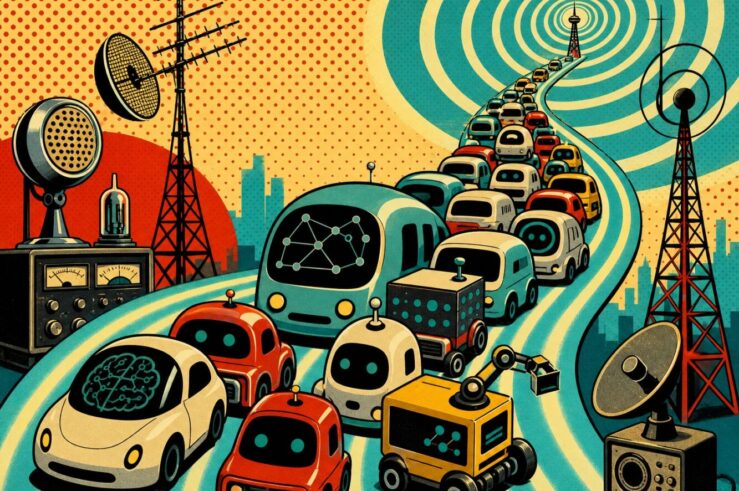
AI may live in the cloud, but the cloud still needs roads. Those roads are communications networks—and the airwaves they depend on may determine how far and fast the AI boom can travel. That two-way relationship will take center stage tomorrow, when the U.S. Senate Commerce Subcommittee on Telecommunications and Media holds a hearing titled ... The AI Boom Still Runs on Old-Fashioned Airwaves
Pulling the 39% Thread: Why the FCC Must Fix More Than the Broadcast Cap
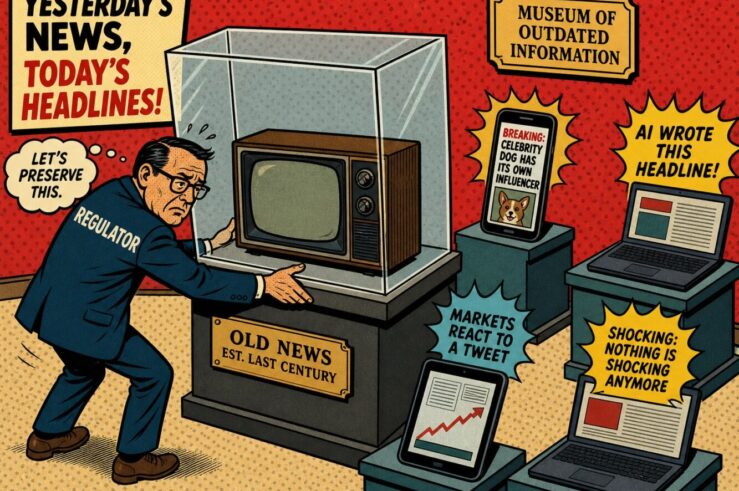
The Federal Communications Commission’s (FCC) 39% broadcast-ownership cap is a rule for a three-network world trying to govern a streaming one. Retiring it makes sense. Retiring it by itself does not. For four decades, the FCC has barred any company from owning television stations that collectively reach more than 39% of U.S. television households. The ... Pulling the 39% Thread: Why the FCC Must Fix More Than the Broadcast Cap

The Cost of Holding Up Broadband
America’s multibillion-dollar broadband push rests on an unglamorous piece of infrastructure: the utility pole. Fiber may carry the future, but first someone has to pay for the wood holding it up. Broadband providers rarely own the poles their networks use. Reaching a new community usually requires attaching equipment to poles owned by a utility or ... The Cost of Holding Up Broadband

The State That Wouldn’t Hang Up: California’s Fight to Keep the Old Phone Network Alive
In 1877, Thomas Doolittle strung the first hard-drawn copper telephone wire in Ansonia, Connecticut, replacing the iron lines that had carried Alexander Graham Bell’s earliest calls. Nearly 150 years later, most of the country is finally retiring the last copper in its telephone networks, replacing it with fiber-optic cable and wireless connectivity. California, naturally, has ... The State That Wouldn’t Hang Up: California’s Fight to Keep the Old Phone Network Alive

The Roswell Loophole: How to Stop Wireless Deployment One Permit at a Time
A city does not need to hang a “no cell towers allowed” sign to keep wireless service out. It can get there the quieter way: deny one permit, then another, each for reasons that sound local, particular, and perfectly ordinary. The question at the heart of the Telecommunications Act of 1996 is whether federal law ... The Roswell Loophole: How to Stop Wireless Deployment One Permit at a Time

The Future of News and Its Frenemies
The local news business has spent the past two decades being “saved” by people who mostly seem to want it embalmed. Every new shift in how Americans consume information—websites, social feeds, newsletters, podcasts, short-form video, artificial-intelligence summaries—gets treated less like evidence of adaptation than proof that civilization will soon forget how school-board meetings work. That ... The Future of News and Its Frenemies
The Lifeline Program’s Afterlife Problem
A subsidy program can survive many things. Paying benefits to the dead should not be one of them. That is the problem now facing the Federal Communications Commission’s (FCC) Lifeline program, which was designed to ensure that low-income Americans can connect to the communications networks modern life depends on. As the program has expanded to ... The Lifeline Program’s Afterlife Problem

The Last Mile Is a Paper Trail: Why Broadband Gets Stuck
Everyone wants faster broadband—no one wants to wait for the permits. Modern communications infrastructure doesn’t stand still. Providers must keep investing in upgrades and expansion to meet consumer demand. Next-generation applications—artificial intelligence (AI), artificial reality (AR), and virtual reality (VR)—will require robust infrastructure to support them. That infrastructure depends on sustained investment from a wide ... The Last Mile Is a Paper Trail: Why Broadband Gets Stuck

Subsidizing Obsolescence: How FCC Rules Keep Copper Alive
The Federal Communications Commission (FCC) is close to finishing a long-running transition away from legacy telecom regulation—but outdated rules still pay carriers to stay in the past. Last month, the FCC adopted a notice of proposed rulemaking (NPRM) to eliminate payments to legacy telecommunications carriers that have not upgraded to networks based on internet protocols ... Subsidizing Obsolescence: How FCC Rules Keep Copper Alive