Showing archive for: “IO: Regulation Antitrust & Privatization”
The Watchdog and the Web Crawler
Earlier this year, Meta proposed what amounts to a price increase for its business users. To keep doing business on Facebook and Instagram under the new terms, companies would have had to let Meta’s software scan their websites and use what it found to develop its own products. German publishers called the proposal “blatant theft.” ... The Watchdog and the Web Crawler

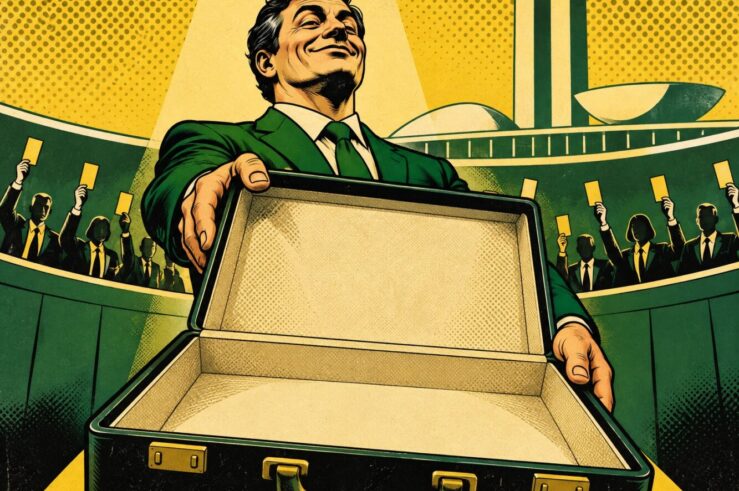
Brazil Is Counting Votes Before Counting the Costs of Digital Regulation
Even as Brazil’s government is racing to find the votes for a sweeping digital-markets law, it’s still struggling to explain why the country needs it. The Chamber of Deputies, Brazil’s lower house, is expected to vote tomorrow, Nov. 17, on Bill 4,675/2025. The bill would let the Administrative Council for Economic Defense (CADE), Brazil’s antitrust ... Brazil Is Counting Votes Before Counting the Costs of Digital Regulation
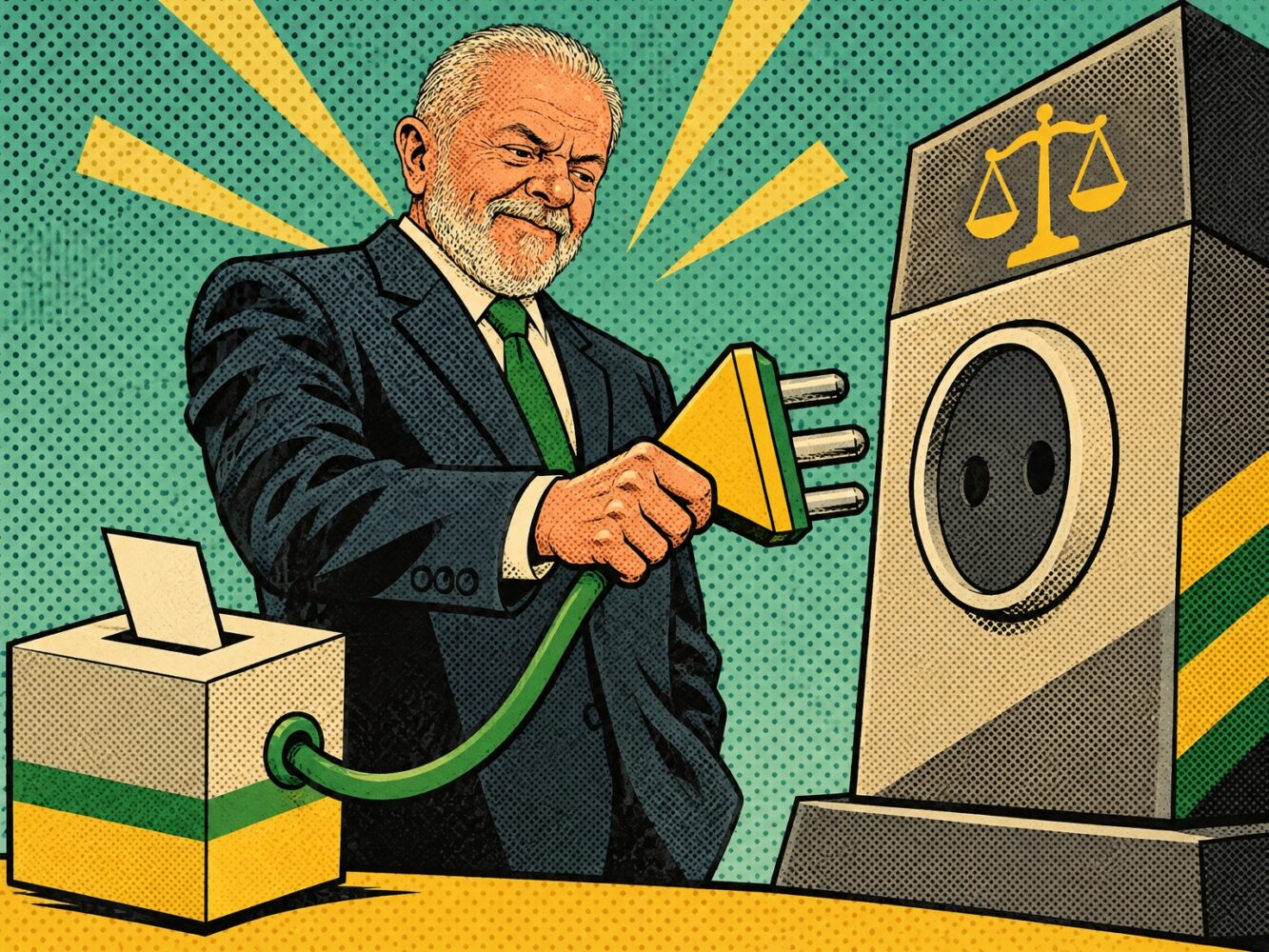
Lula’s Antitrust Non Sequitur: Election Complaints Don’t Make a Competition Case
Brazil’s president has complaints about how digital platforms handled the election he just won. His administration’s proposed remedy? Give the competition regulator more power. The missing step is explaining what one has to do with the other. The legislative timing is easier to explain. Brazil’s 2026 elections gave President Luiz Inácio Lula da Silva a ... Lula’s Antitrust Non Sequitur: Election Complaints Don’t Make a Competition Case
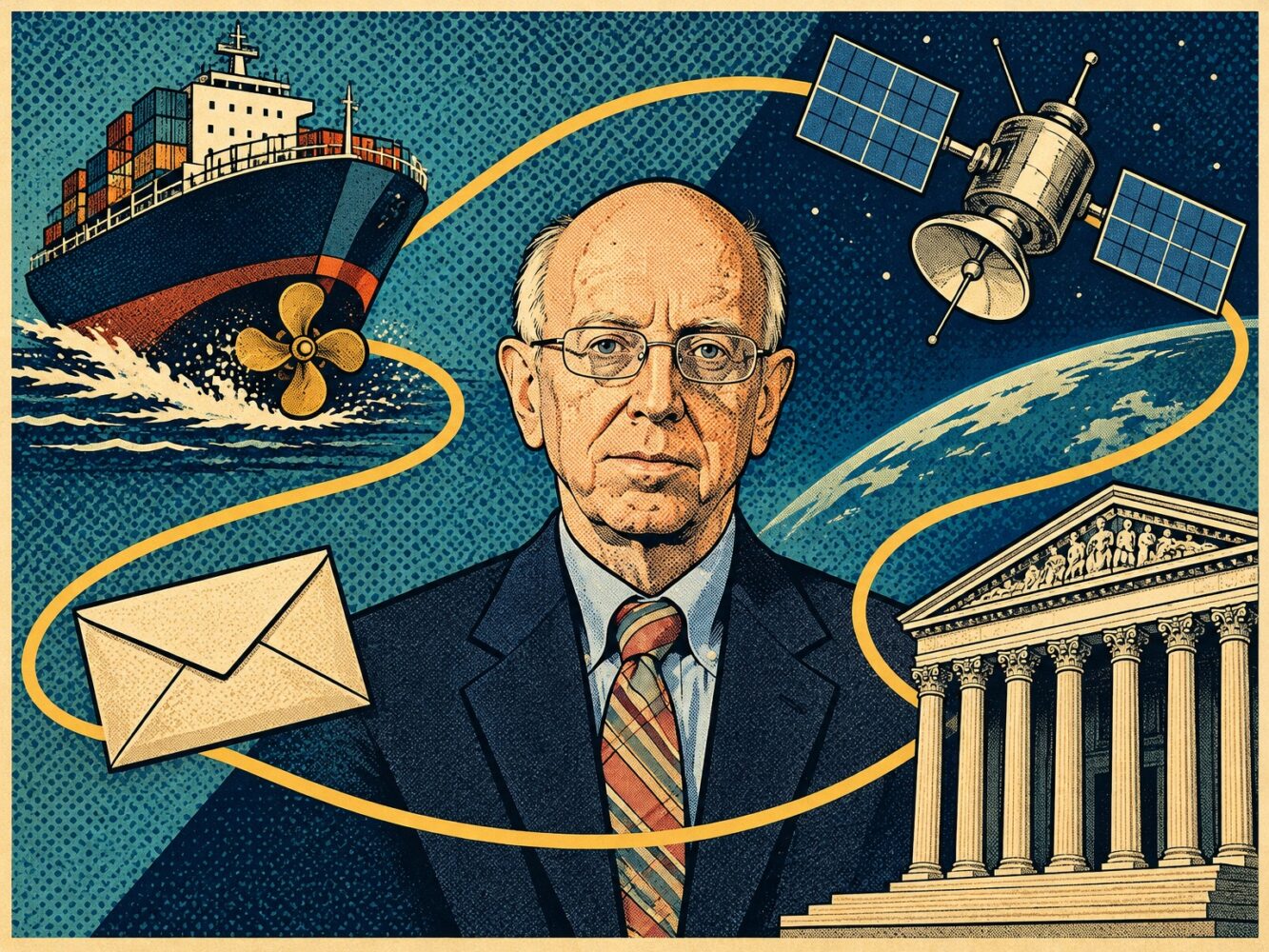
Remembering Richard Posner’s Economy of Explanation
Judge Richard Posner died this week. Few scholars have left such a mark on both law and economics. As Alex Tabarrok put it, he was “the only person ever to deserve a Nobel prize and a seat on the Supreme Court.” Most writing about him will—and should—focus on his contributions to legal scholarship. He was ... Remembering Richard Posner’s Economy of Explanation
California Wants Broadband With No Strings Attached
California has signed on for federal broadband money, but agreeing to the terms is apparently a whole other story. While Sacramento disputes the fine print, the residents the money is supposed to connect will keep waiting. On Nov. 2, California became the last state to sign an agreement accepting its share of the $42.5 billion ... California Wants Broadband With No Strings Attached

Remembering Dick Posner
My mom once told me about a conversation she’d had with Judge Richard “Dick” Posner’s wife, Charlene. She’d asked whether the Posners were going to an upcoming conference in Tokyo—the sort of meeting it would have made sense for them to attend. This was way before Kindles, and they weren’t going, Charlene explained, because Dick ... Remembering Dick Posner

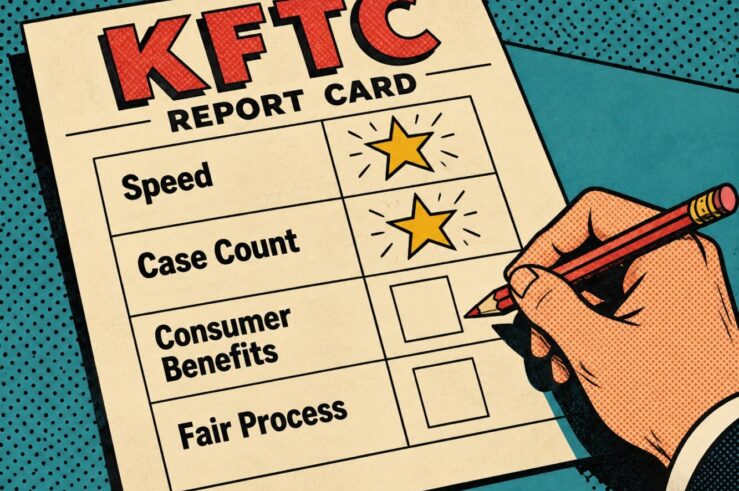
The Missing Subjects on Korea’s Antitrust Report Card
The Korea Fair Trade Commission (KFTC) keeps getting high marks. Consumers are entitled to ask what’s being graded. The agency has earned a “Very Good” assessment in Global Competition Review’s (GCR) annual competition-authority ratings for 13 consecutive years. The latest assessment, based on its 2025 performance, praised its increased cartel decisions, shorter investigations, and merger ... The Missing Subjects on Korea’s Antitrust Report Card
Protectionism in Regulatory Clothing: How Governments Keep Markets Closed Without Tariffs
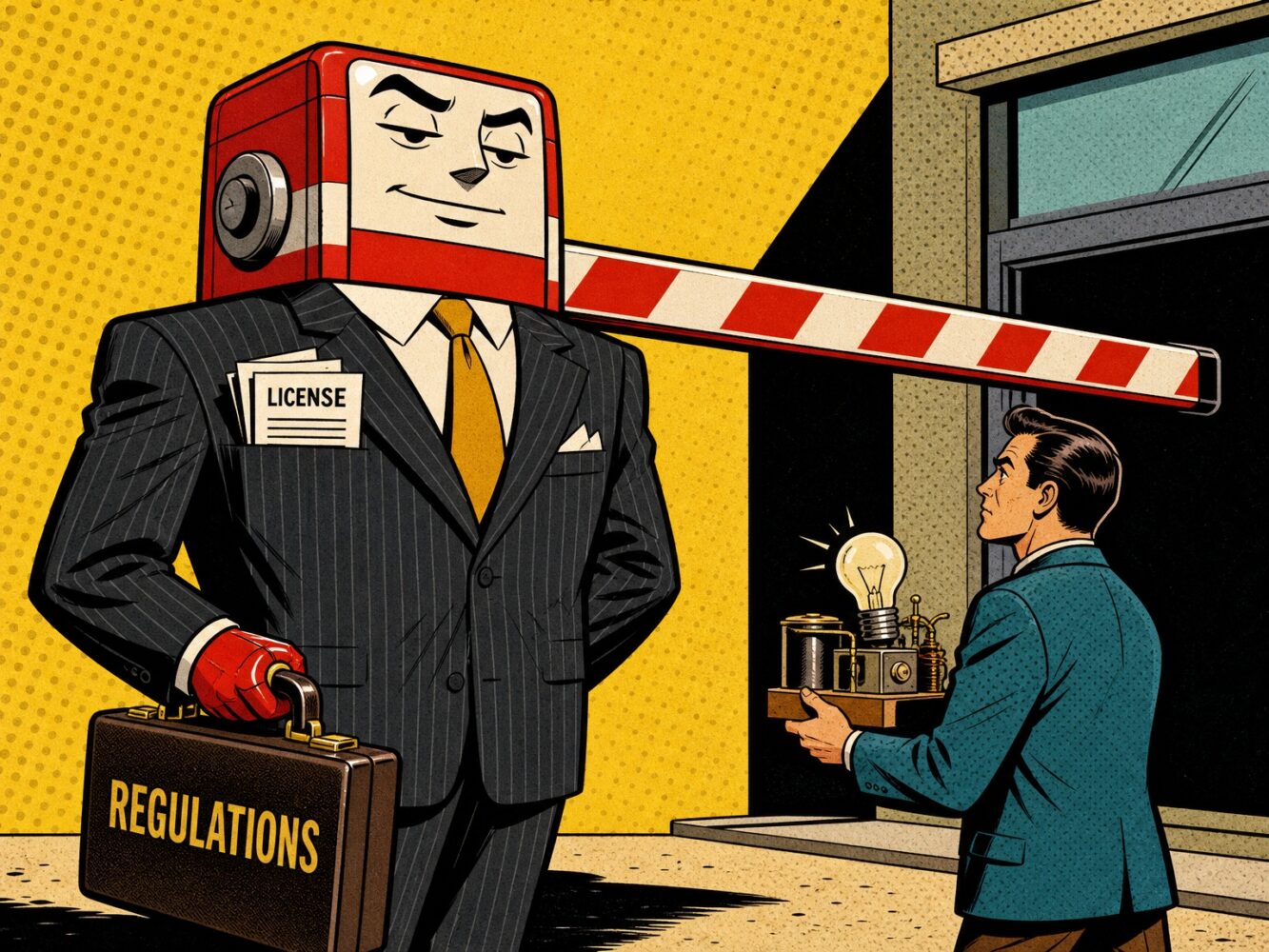
Governments negotiate away tariffs in public, but they can restore much of the protection in the licensing office. A procurement preference, a selective subsidy, or a regulatory exemption can accomplish much the same thing. Trade liberalization has made tariffs easier to see and negotiate away, but governments still have plenty of ways to shelter favored ... Protectionism in Regulatory Clothing: How Governments Keep Markets Closed Without Tariffs
Antitrust’s State of Prey: The Hawks Go Local
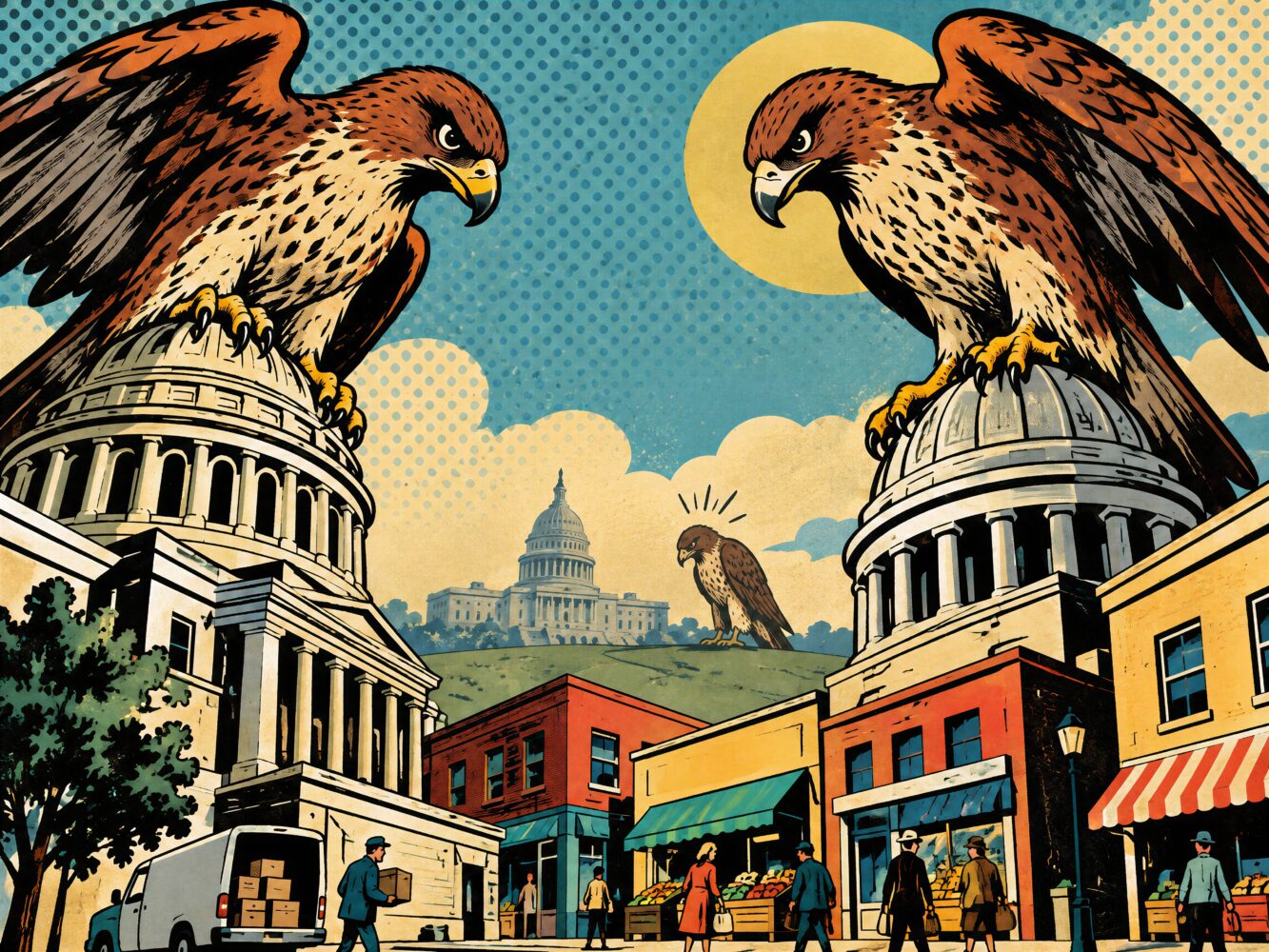
For antitrust doves—those of us who think antitrust works best with a restrained approach to policing competition—the U.S. midterm results look, at first glance, like a triumph for the hawks. Democrats have won control of both chambers of Congress, with at least 54 Senate seats and potentially their largest House majority in nearly two decades. ... Antitrust’s State of Prey: The Hawks Go Local
Deregulation by the Ton: The FRA’s Heavy Paperwork and Lightweight Relief
In November 1962, Soviet Premier Nikita Khrushchev addressed the Central Committee plenum to vent his frustration over the glaring distortions created by the state’s central economic planning. His chief complaint concerned a metric known as val—gross industrial output measured by weight or volume. Lighting factories faced production quotas based on sheer tonnage, rather than quality ... Deregulation by the Ton: The FRA’s Heavy Paperwork and Lightweight Relief

AI Is Picking the Locks on Europe’s Gatekeeper Rules
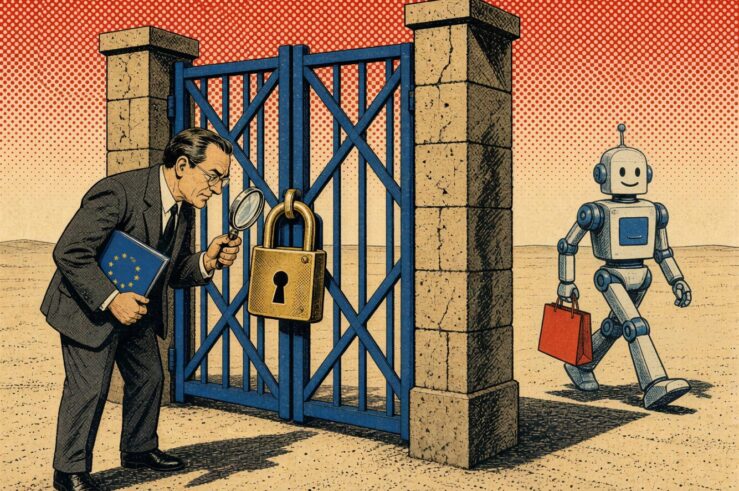
Big Tech is spending a fortune to secure a future that competition regulators seem to think it already owns. Investors aren’t so sure. They’re losing patience with the industry’s artificial intelligence (AI) bill—and questioning what all that spending will buy. Alphabet shares sank more than 12% last Thursday—the company’s worst trading day on record—after both ... AI Is Picking the Locks on Europe’s Gatekeeper Rules
The Price of Playing Fair: How Charging Everyone the Same Can Leave Consumers Worse Off
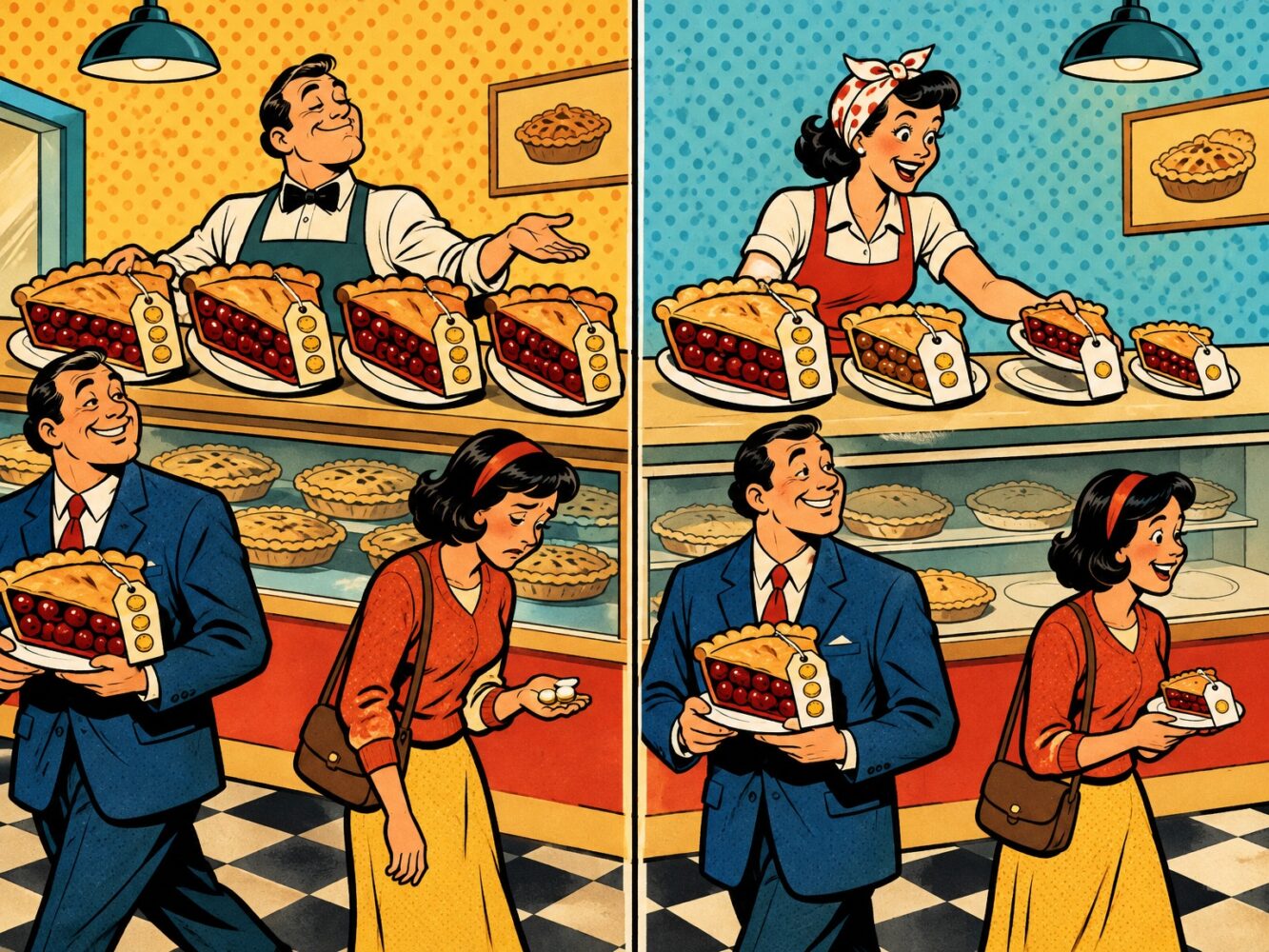
Imagine you have a business that earns zero economic profit. It exactly covers its costs, including the return needed to attract investors, but nothing more. Is this the end state of competition? Is there anything left for competition to do? Sure. If another company comes along with lower costs, it can drive prices down. That’s ... The Price of Playing Fair: How Charging Everyone the Same Can Leave Consumers Worse Off