Showing archive for: “Comparative & Global Administrative Law”
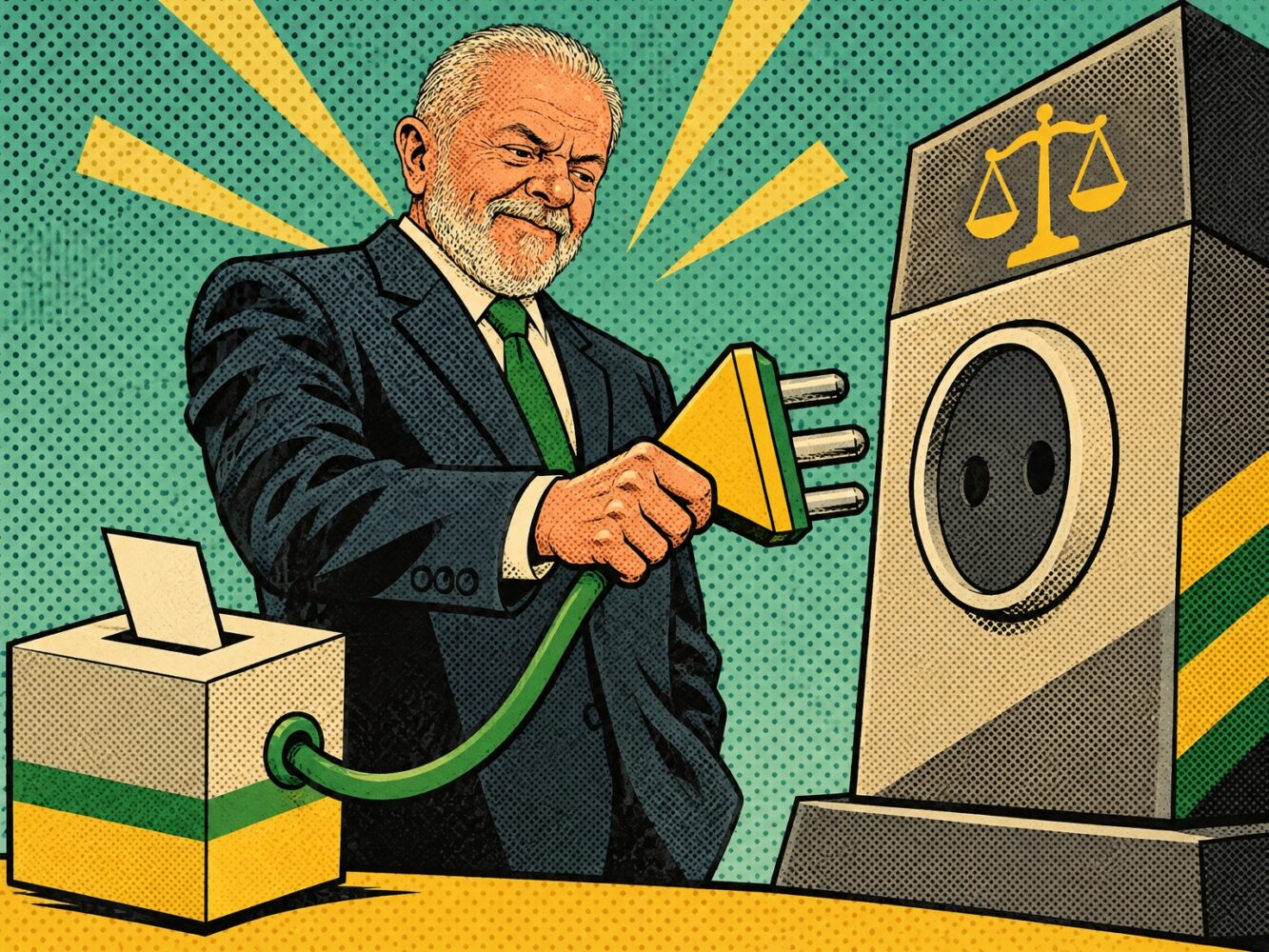
Lula’s Antitrust Non Sequitur: Election Complaints Don’t Make a Competition Case
Brazil’s president has complaints about how digital platforms handled the election he just won. His administration’s proposed remedy? Give the competition regulator more power. The missing step is explaining what one has to do with the other. The legislative timing is easier to explain. Brazil’s 2026 elections gave President Luiz Inácio Lula da Silva a ... Lula’s Antitrust Non Sequitur: Election Complaints Don’t Make a Competition Case
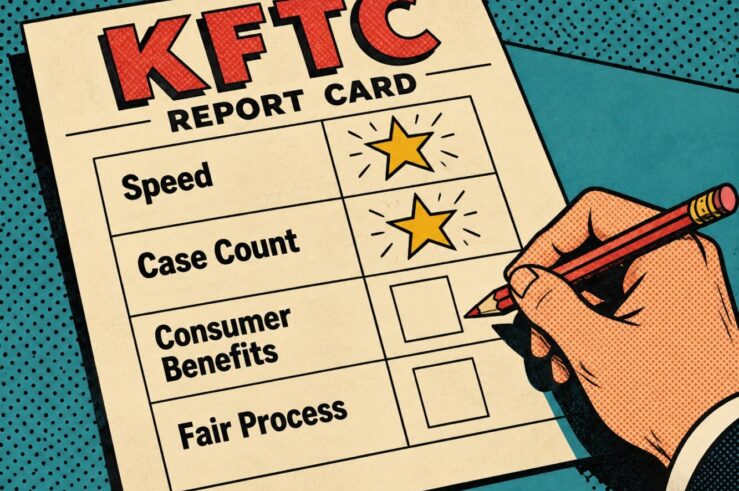
The Missing Subjects on Korea’s Antitrust Report Card
The Korea Fair Trade Commission (KFTC) keeps getting high marks. Consumers are entitled to ask what’s being graded. The agency has earned a “Very Good” assessment in Global Competition Review’s (GCR) annual competition-authority ratings for 13 consecutive years. The latest assessment, based on its 2025 performance, praised its increased cartel decisions, shorter investigations, and merger ... The Missing Subjects on Korea’s Antitrust Report Card
The View from Southeast Asia: A TOTM Q&A with Hee Eun Kim
Hee Eun Kim, can you tell us a bit about yourself and what your work focuses on? I am a member of Baker McKenzie’s antitrust and competition team in the Asia-Pacific region. Before joining Baker McKenzie, I spent more than 10 years as in-house antitrust counsel in the tech sector, so I tend to approach ... The View from Southeast Asia: A TOTM Q&A with Hee Eun Kim

Every Click You Make: Article 6(5)’s Search for a Limiting Principle
When does a “directions” button become a competition-law violation? When it points to Google Maps, according to the European Commission. A law meant to police search rankings is becoming a license to police the whole page. On July 23, the Commission fined Alphabet €460 million for favoring nine of its own services on Google’s search ... Every Click You Make: Article 6(5)’s Search for a Limiting Principle

Beyond Tariffs: Free Trade and the Friends-and-Family Plan
A trade deal can lower tariffs and yet still leave the hardest barriers untouched. The shipment clears customs, but the supplier cannot get a license, bid for a government contract, or compete with a subsidized state firm. The border is nominally open, but the market has other arrangements. As I argue in a new Mercatus ... Beyond Tariffs: Free Trade and the Friends-and-Family Plan

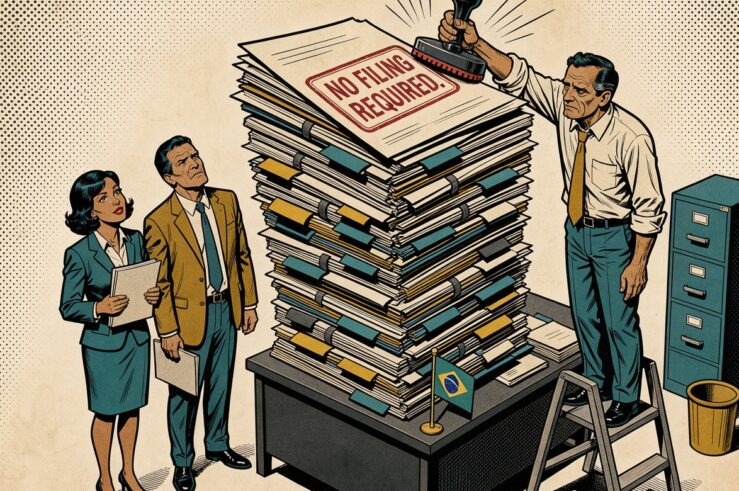
Two Years, 57 Pages, No Merger: Amazon, Anthropic, and Brazil’s Filing Problem
The wave of artificial intelligence (AI) partnerships and “acqui-hires”—deals to acquire a company’s talent—has reached Brazil. The tribunal of Brazil’s Administrative Council for Economic Defense (CADE) decided its first batch of such cases involving large technology firms and AI startups in May. A second round followed in September with Amazon/Anthropic—the would-be merger that turned out ... Two Years, 57 Pages, No Merger: Amazon, Anthropic, and Brazil’s Filing Problem
Proof of Age, Leap of Faith: The EU KIDS Act’s Security Gamble
The European Commission’s proposed EU KIDS Act would bar children under 15 from creating or using accounts on certain social-networking and video-sharing services, with a guardian-controlled option for 13- and 14-year-olds. It would also require providers to build broader safety protections into their services. Both sets of obligations would rely on age assurance—methods for verifying ... Proof of Age, Leap of Faith: The EU KIDS Act’s Security Gamble

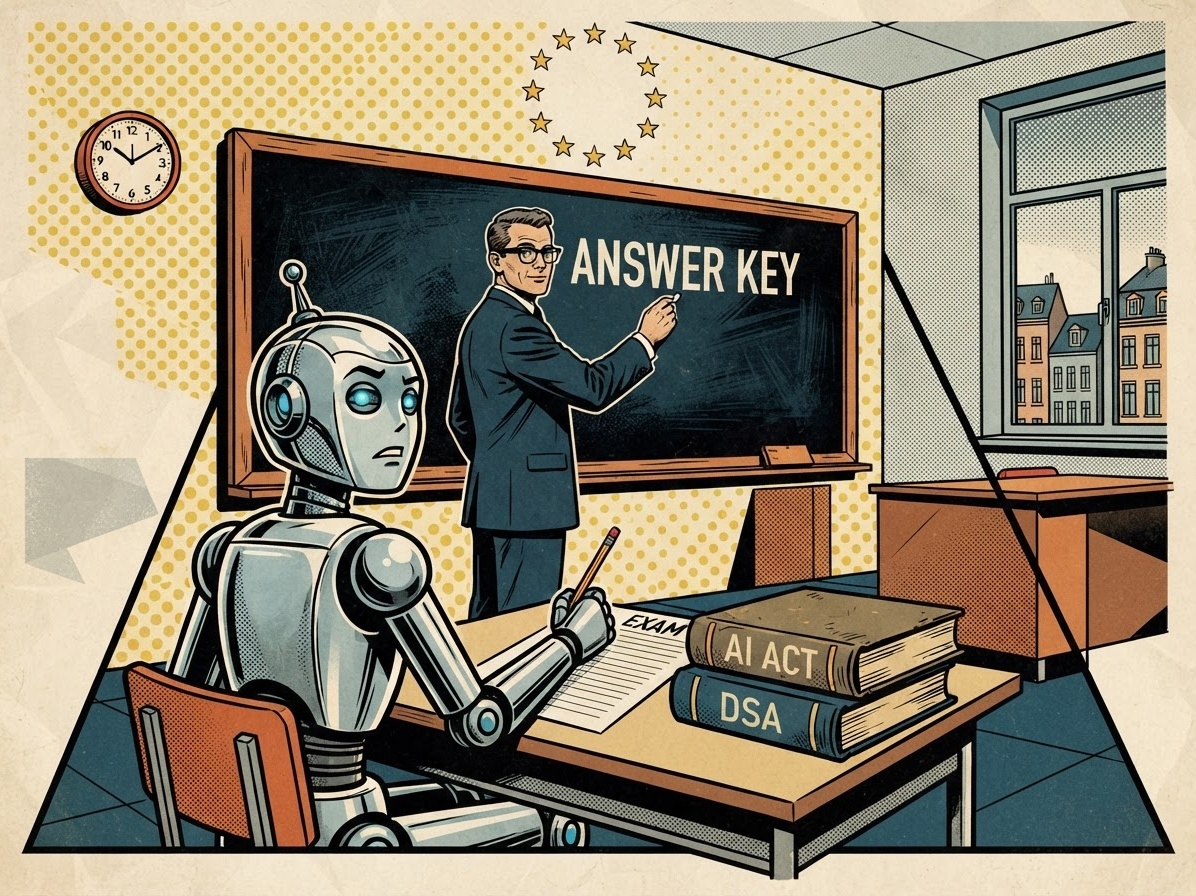
Brussels Writes the Answer Key
Ask Brussels what ChatGPT is, and you get two answers. Under the Artificial Intelligence Act (AI Act), the European Union regulates it as artificial intelligence. On Aug. 31, the European Commission supplied another answer when it designated ChatGPT as a Very Large Online Search Engine under the Digital Services Act (DSA). Each classification comes with ... Brussels Writes the Answer Key
The DMA’s Magic Words and Missing Off Switch
The European Union’s Digital Markets Act (DMA) depends on two terms that lawmakers never defined. “Fairness” and “contestability” determine how the European Commission measures gatekeeper compliance, imposes new obligations, and grades its own performance every three years. The law uses both terms liberally but explains neither. Recital 79 even promises that the Commission will apply ... The DMA’s Magic Words and Missing Off Switch

One AI, Two Rulebooks: Brussels’ ChatGPT Conundrum
ChatGPT can draft a memo, plan a trip, and search the web. As of Aug. 31, it can add another line to its regulatory résumé: The European Commission has designated it a “very large online search engine” under the Digital Services Act (DSA). The label may sound technical, but it captures a central problem for ... One AI, Two Rulebooks: Brussels’ ChatGPT Conundrum

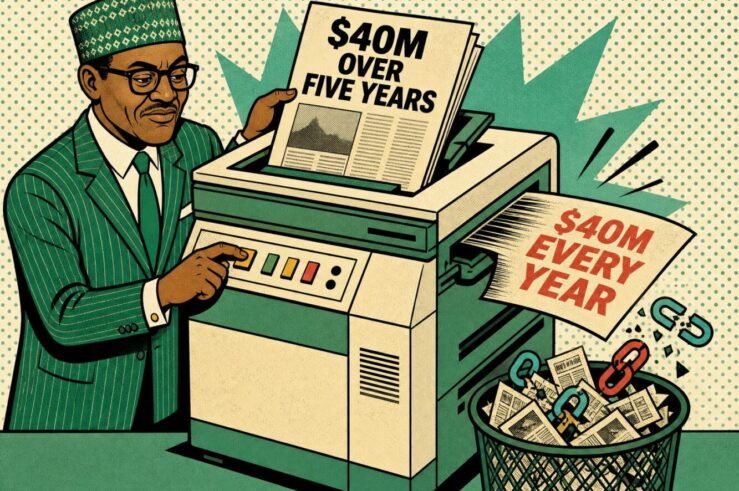
Copy, Paste, Compensate: Nigeria’s Misguided Bid to Make Big Tech Pay for News
Nigeria has looked south and seen a $40 million payday for the press. The trouble is that it misread both the price tag and the fine print—and its attempt to collect may leave Nigerian publishers with fewer readers and no comparable payday. On July 6, Nigeria’s Federal Competition and Consumer Protection Commission (FCCPC) announced investigations ... Copy, Paste, Compensate: Nigeria’s Misguided Bid to Make Big Tech Pay for News
Brussels Tries to Fix the GDPR Without Making It Worse
Brussels has spent years proving that the easiest way to “fix” the General Data Protection Regulation (GDPR) is to give more power to the institutions that made it unworkable. The Digital Omnibus initially looked ready to continue that tradition. Now, somewhat improbably, several EU governments appear determined to try actual reform instead. Ireland assumed the ... Brussels Tries to Fix the GDPR Without Making It Worse