Showing archive for: “Cyberspace Law”
The FTC’s Case of Mistaken Identity: Scammers, Platforms, and Everyone in Between
Who should answer for a scam ad: the scammer, the company that sold the ad space, or the company whose software tracks the results? The Federal Trade Commission (FTC) wants to hold online platforms liable, but its definition of “platform” leaves the answer murky. It could reach beyond Google and Meta to Walmart, Uber, and ... The FTC’s Case of Mistaken Identity: Scammers, Platforms, and Everyone in Between

Lula’s Antitrust Non Sequitur: Election Complaints Don’t Make a Competition Case
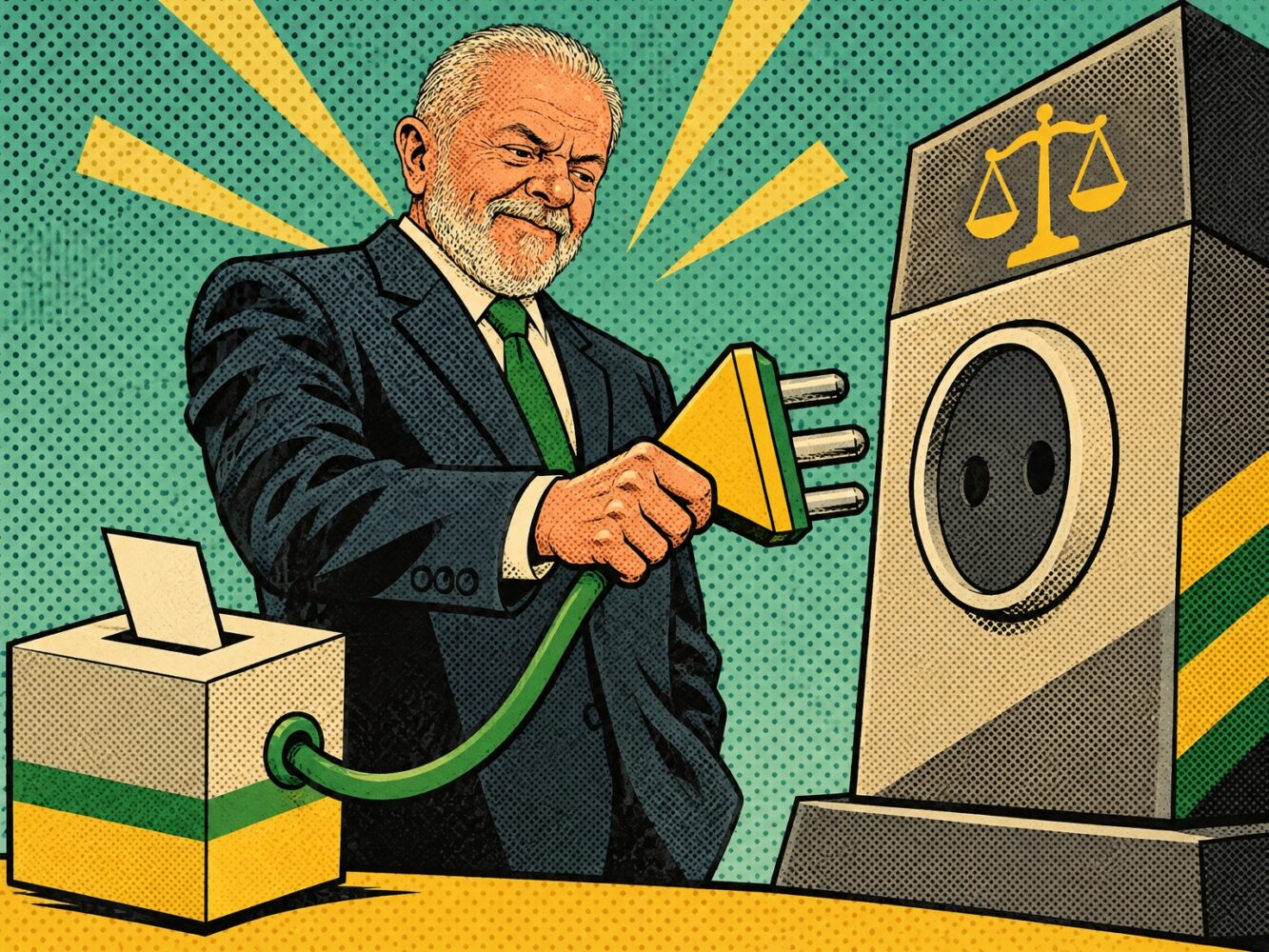
Brazil’s president has complaints about how digital platforms handled the election he just won. His administration’s proposed remedy? Give the competition regulator more power. The missing step is explaining what one has to do with the other. The legislative timing is easier to explain. Brazil’s 2026 elections gave President Luiz Inácio Lula da Silva a ... Lula’s Antitrust Non Sequitur: Election Complaints Don’t Make a Competition Case
Fear of Missing Out Meets Fear of Letting Families Decide
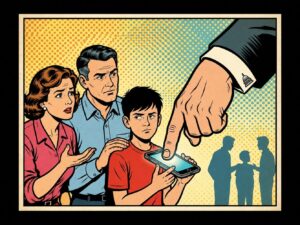
“Everyone else’s parents let them” has helped generations of children negotiate later curfews, sleepovers, and trips to the mall. Today, it helps them get social media accounts. The novel twist is treating that familiar parental predicament as grounds for the government to make the decision for everyone. Jonathan Haidt and coauthors argue that families face ... Fear of Missing Out Meets Fear of Letting Families Decide

The View from Southeast Asia: A TOTM Q&A with Hee Eun Kim
Hee Eun Kim, can you tell us a bit about yourself and what your work focuses on? I am a member of Baker McKenzie’s antitrust and competition team in the Asia-Pacific region. Before joining Baker McKenzie, I spent more than 10 years as in-house antitrust counsel in the tech sector, so I tend to approach ... The View from Southeast Asia: A TOTM Q&A with Hee Eun Kim

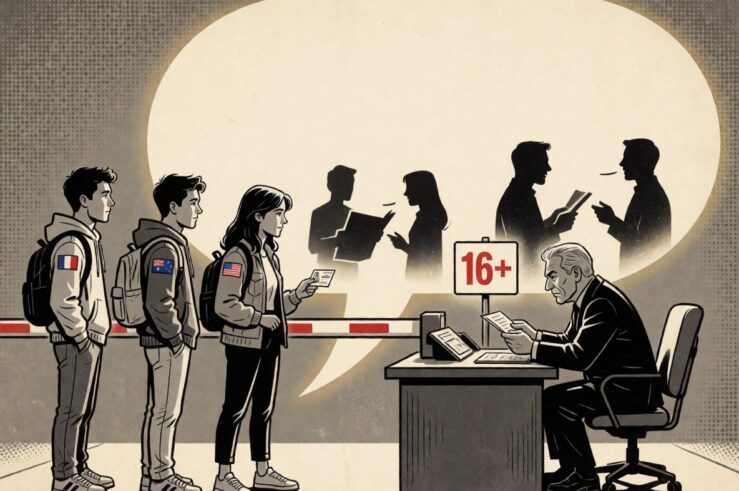
Proof of Age, Leap of Faith: The EU KIDS Act’s Security Gamble
The European Commission’s proposed EU KIDS Act would bar children under 15 from creating or using accounts on certain social-networking and video-sharing services, with a guardian-controlled option for 13- and 14-year-olds. It would also require providers to build broader safety protections into their services. Both sets of obligations would rely on age assurance—methods for verifying ... Proof of Age, Leap of Faith: The EU KIDS Act’s Security Gamble

Fraud, Platforms, and the Art of Getting Ahead of Yourself
The Federal Trade Commission (FTC) wants to stop impersonation scams. Fair enough. But calling a new regulatory venture an “update” doesn’t make it one, and spotting a real problem doesn’t tell you which rules—if any—will solve it. A little more homework would help. On Sept. 24, the FTC announced an advance notice of proposed rulemaking ... Fraud, Platforms, and the Art of Getting Ahead of Yourself

No Country for Young Posters: Social Media Bans Outrun the Evidence
Governments around the world are rushing to address the youth mental health crisis, with social media squarely in their sights. From Capitol Hill to Paris to Sydney, lawmakers are proposing or enacting strict age restrictions that would ban teenagers from creating social media profiles. But are these heavy-handed mandates the right approach? A recent white ... No Country for Young Posters: Social Media Bans Outrun the Evidence
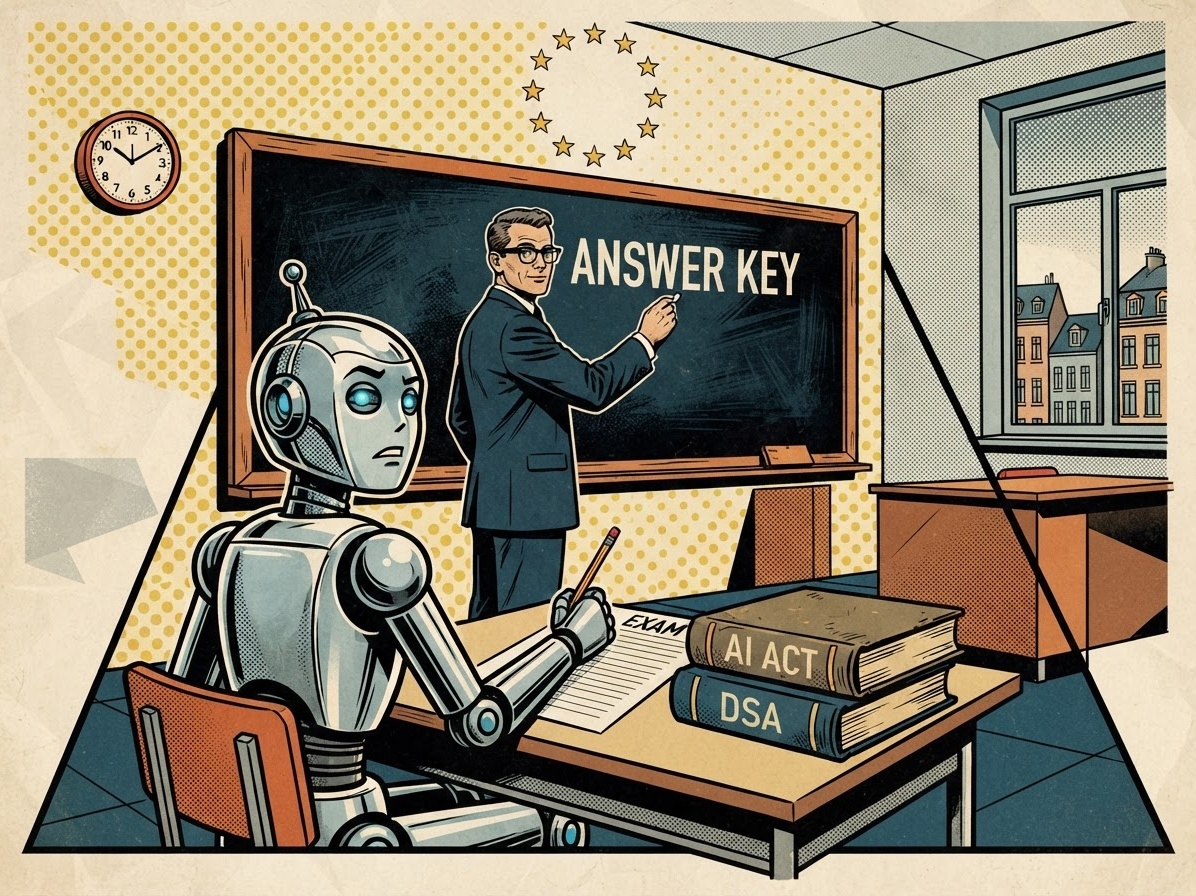
Brussels Writes the Answer Key
Ask Brussels what ChatGPT is, and you get two answers. Under the Artificial Intelligence Act (AI Act), the European Union regulates it as artificial intelligence. On Aug. 31, the European Commission supplied another answer when it designated ChatGPT as a Very Large Online Search Engine under the Digital Services Act (DSA). Each classification comes with ... Brussels Writes the Answer Key
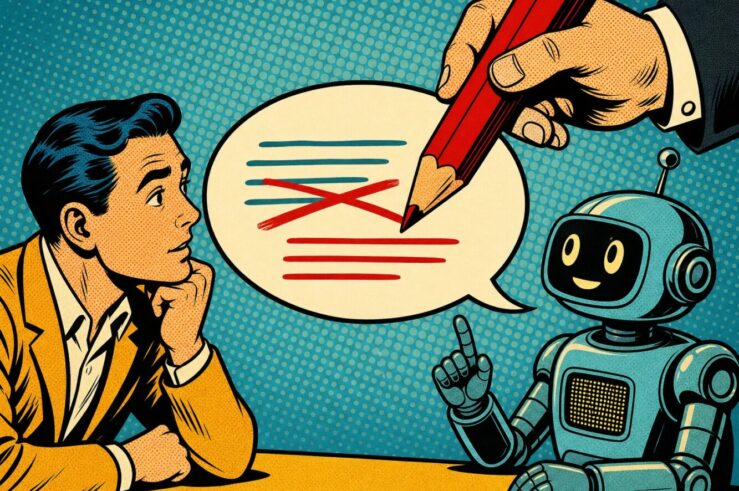
The Right-Answer Machine: Who Decides What Chatbots Should Say?
The trouble with chatbots is right there in the name: They talk. When that talk contributes to harm, policymakers face a deceptively difficult question. Should they seek rules that amount to policing dangerous conduct, or deciding what the chatbot should have said instead? The question matters because chatbots have quickly become one of the most ... The Right-Answer Machine: Who Decides What Chatbots Should Say?
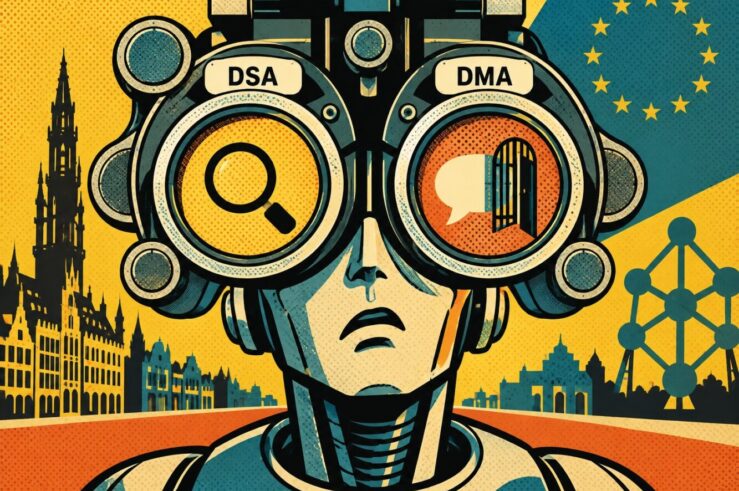
One AI, Two Rulebooks: Brussels’ ChatGPT Conundrum
ChatGPT can draft a memo, plan a trip, and search the web. As of Aug. 31, it can add another line to its regulatory résumé: The European Commission has designated it a “very large online search engine” under the Digital Services Act (DSA). The label may sound technical, but it captures a central problem for ... One AI, Two Rulebooks: Brussels’ ChatGPT Conundrum
Google, the Unruh Act, and the Legal Risk of Knowing Your Audience
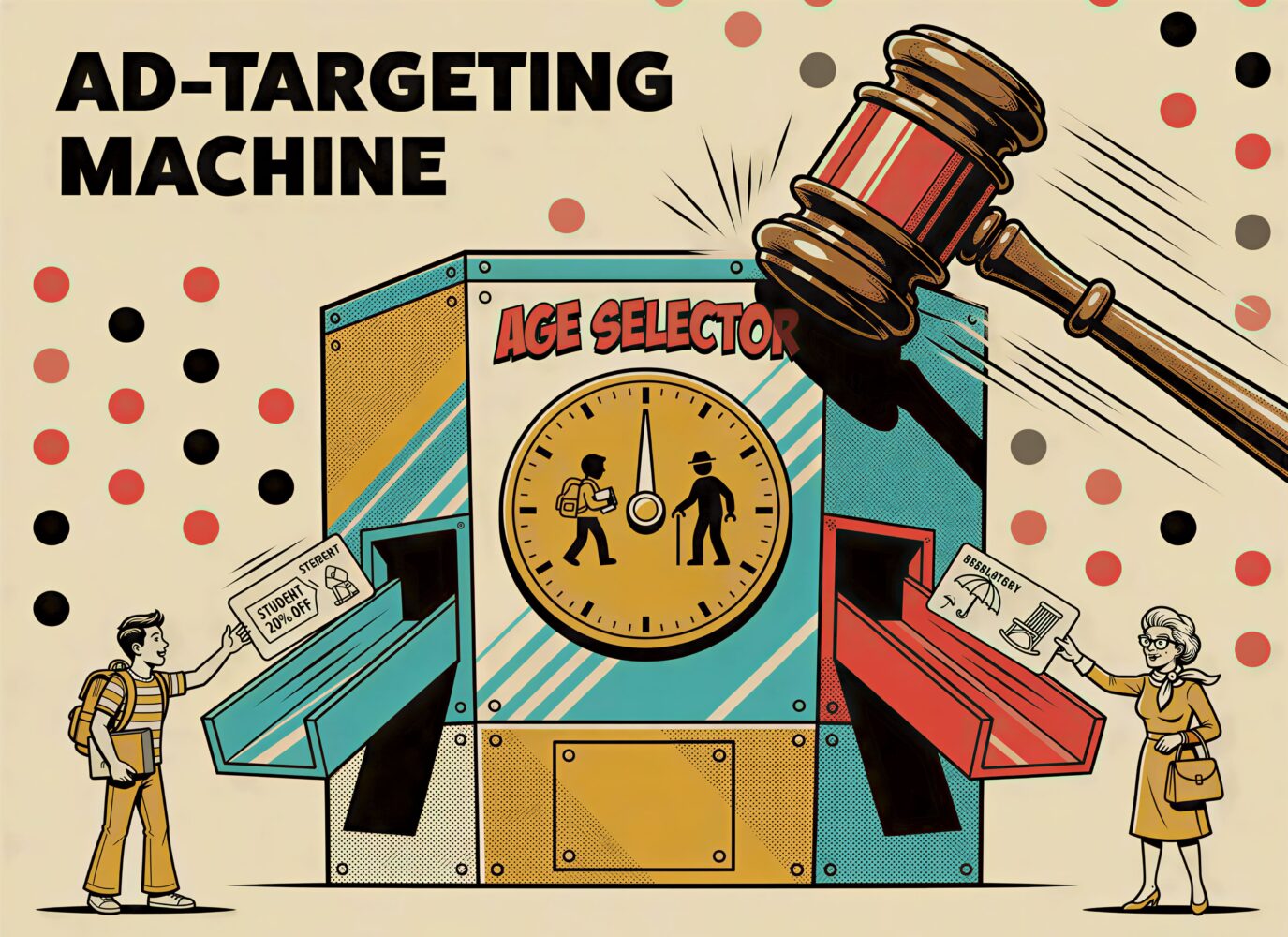
Advertising’s oldest rule is simple: Know your audience. In California, following it may get an online platform sued. Show retirement-home ads to seniors and student discounts to college students, and sensible targeting can suddenly look like unlawful discrimination. That question is now before California’s Sixth Appellate District. The dispute arises from a trial court ruling in ... Google, the Unruh Act, and the Legal Risk of Knowing Your Audience
Brazil’s Gatekeeper Bill Gets a Tuneup, Not a Rethink
Brazil may soon become the first country in the Americas to regulate digital platforms before they do anything wrong. Bill 4,675/2025 would let the Administrative Council for Economic Defense (CADE) designate large technology companies as having “systemic relevance” and impose special obligations without first proving anticompetitive conduct or consumer harm. That is a substantial change ... Brazil’s Gatekeeper Bill Gets a Tuneup, Not a Rethink