Showing archive for: “Behavioral & Experimental Economics”
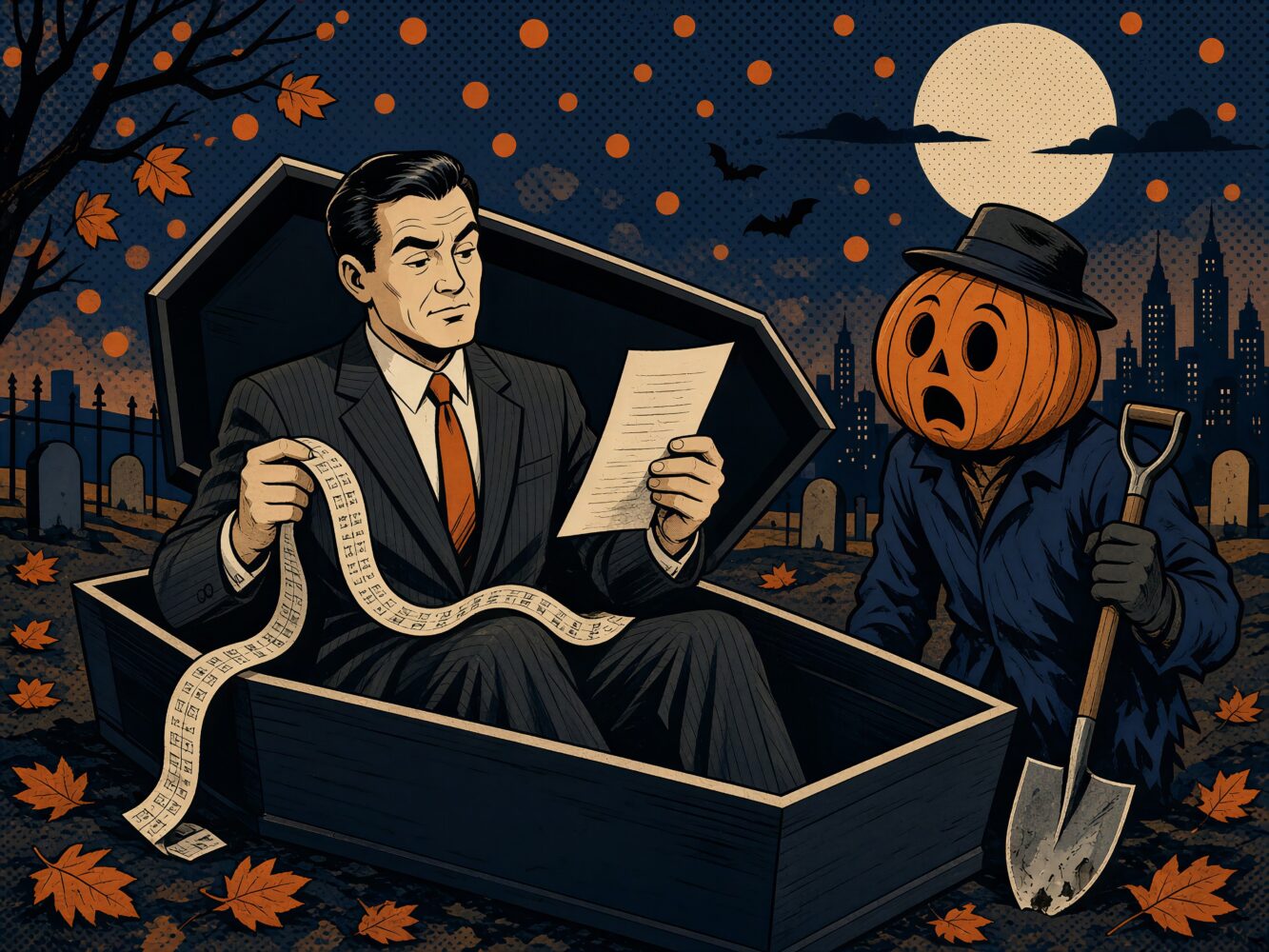
The Halloween Effect and the Premature Burial of Efficient Markets
Every October, financial journalism performs a small act of necromancy. Out comes the “Halloween effect,” the finding that stocks tend to earn higher returns from November through April than from May through October. It gives apparent empirical backing to the old stock-market adage “Sell in May and go away.” The implied strategy is simple: Hold ... The Halloween Effect and the Premature Burial of Efficient Markets
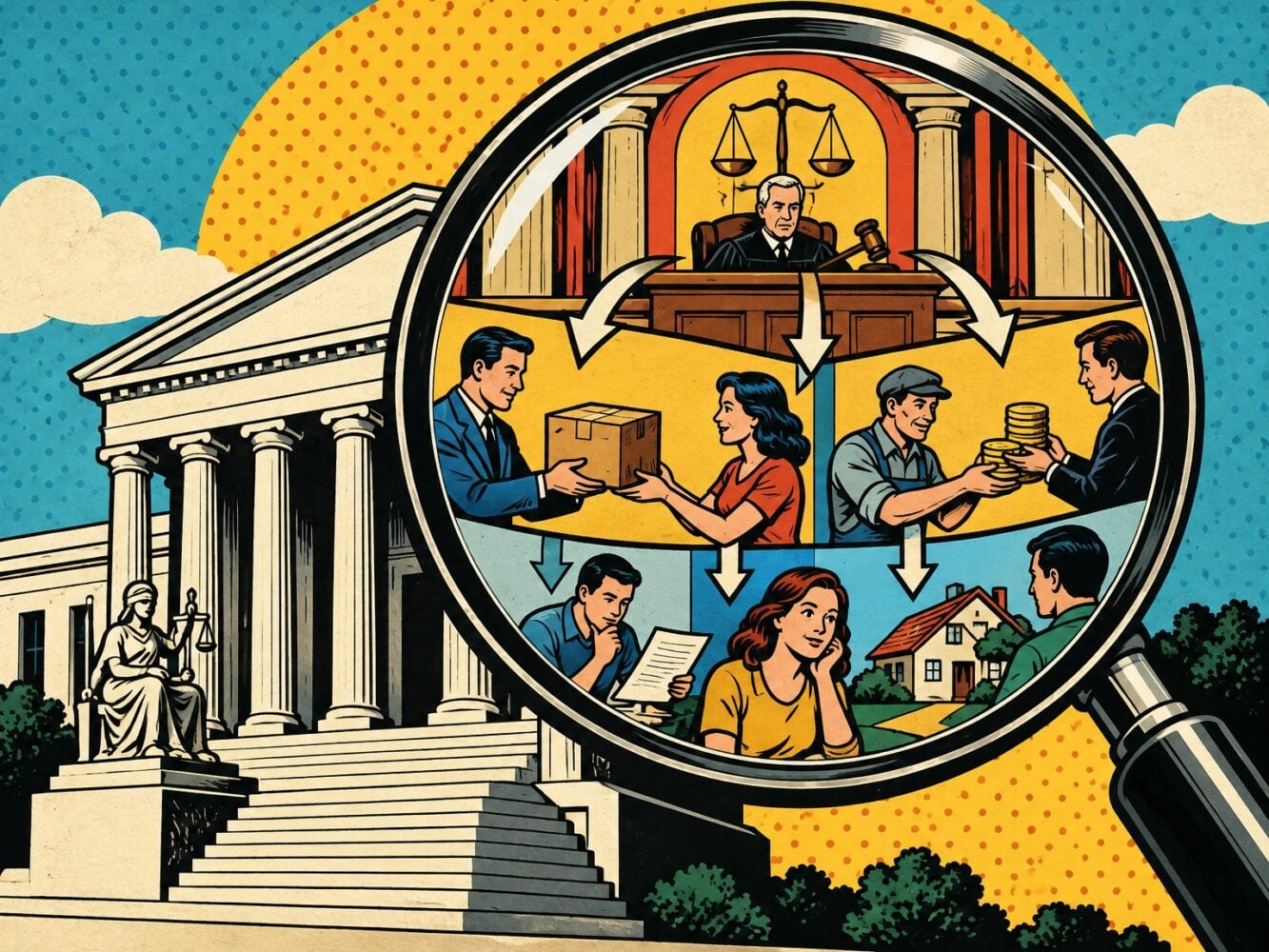
‘Contemporary Law and Economics,’ by Adam Chilton, Joshua C. Macey & Mila Versteeg
What does it mean to be a law & economics (L&E) scholar? It can’t require a Ph.D. in economics. Richard Posner doesn’t have one. He didn’t even major in economics as an undergraduate, preferring English—as did his Chicago colleagues Douglas Baird and Diane Wood. It can’t require a law degree, either, or Ronald Coase, William ... ‘Contemporary Law and Economics,’ by Adam Chilton, Joshua C. Macey & Mila Versteeg
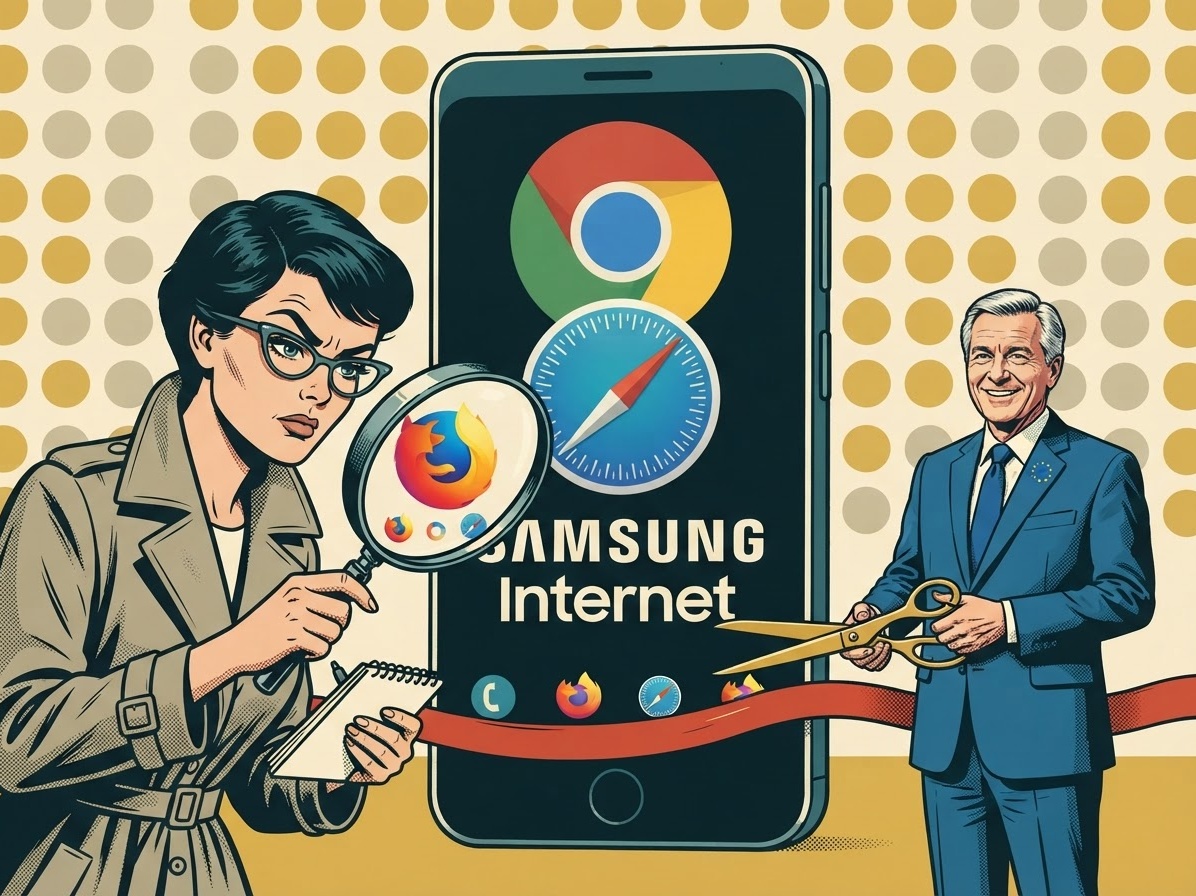
We Measured Europe’s Browser Revolution. Bring a Magnifying Glass.
Europe’s browser revolution appears to have left most browsers exactly where it found them. The European Commission is celebrating a “surge” in alternatives. The browsing data suggest a ripple. In April, the Commission reviewed the Digital Markets Act (DMA) and pronounced it “fit for purpose.” “Alternative browsers and search engines are being increasingly chosen by ... We Measured Europe’s Browser Revolution. Bring a Magnifying Glass.
The Hidden Premise: Smuggling Paternalism Through the Back Door
A familiar pattern has taken hold in platform regulation—and in the academic and policy commentary that surrounds it. Critics spot a real phenomenon, recast it as market failure, and then press for intervention that far outstrips what the evidence can support. The result: arguments that read as persuasive but collapse under scrutiny. They conflate distinct ... The Hidden Premise: Smuggling Paternalism Through the Back Door

The DMA’s Challenge to User Safety: Lessons from Apple’s Porn App Controversy
A recent controversy over pornographic apps being downloaded to iPhones in the European Union illustrates a fundamental tension in the EU’s Digital Markets Act (DMA): the conflict between mandated openness and established user-safety expectations. While the DMA aims to promote competition and user choice, the recent case of the pornographic-video app Hot Tub, distributed to ... The DMA’s Challenge to User Safety: Lessons from Apple’s Porn App Controversy

Google, Amazon, Switching Costs, and Red Herrings
Way back in May, I cracked wise about the Federal Trade Commission’s (FTC) fictional “Bureau of Let’s Sue Meta,” noting that the commission’s proposal (really, an “order to show cause”) to modify its 2020 settlement of a consumer-protection matter with what had then been Facebook—in other words, a settlement modifying a 2012 settlement—was the FTC’s ... Google, Amazon, Switching Costs, and Red Herrings

Policy Diversity Saves Lives: Unmasking Confirmation Bias Caused by a Virus
The brutal toll of the coronavirus pandemic has delivered dramatic public policies. The United States has closed institutions, banned crowds, postponed non-emergency medical procedures and instituted social distancing. All to “flatten the curve” of illness. The measures are expensive, but there is no obvious way to better save lives. There is evidence that, even without ... Policy Diversity Saves Lives: Unmasking Confirmation Bias Caused by a Virus
Seven Things Netflix’s ‘The Great Hack’ Gets Wrong About the Facebook–Cambridge Analytica Data Scandal
And if David finds out the data beneath his profile, you’ll start to be able to connect the dots in various ways with Facebook and Cambridge Analytica and Trump and Brexit and all these loosely-connected entities. Because you get to see inside the beast, you get to see inside the system. This excerpt from the ... Seven Things Netflix’s ‘The Great Hack’ Gets Wrong About the Facebook–Cambridge Analytica Data Scandal

The economic impact of smoke-free air laws on the restaurant and hospitality industries
The puzzling lack of economic impacts One focus in the analysis of smoke-free air (SFA) laws has been on measuring the impact smoking bans have on the restaurant and hospitality industries. The overwhelming or “consensus” result of this research is that bans impose no adverse impact on industry revenues and employment levels (Scollo et al., ... The economic impact of smoke-free air laws on the restaurant and hospitality industries
Dear Antitrusters: Bias Is Ubiquitous. Stick to the Merits.
A recent tweet by Lina Khan, discussing yesterday’s American Express decision, exemplifies an unfortunate trend in contemporary antitrust discourse. Khan wrote: The economists cited by the Second Circuit (whose opinion SCOTUS affirms) for the analysis of ‘two-sided’ [markets] all had financial links to the credit card sector, as we point out in FN 4 [link ... Dear Antitrusters: Bias Is Ubiquitous. Stick to the Merits.
How Uber uses innovative management tactics to incentivize its drivers: A critical commentary on Noam Scheiber’s “How Uber Uses Psychological Tricks to Push Its Drivers’ Buttons”
In a recent long-form article in the New York Times, reporter Noam Scheiber set out to detail some of the ways Uber (and similar companies, but mainly Uber) are engaged in “an extraordinary experiment in behavioral science to subtly entice an independent work force to maximize its growth.” That characterization seems innocuous enough, but it is ... How Uber uses innovative management tactics to incentivize its drivers: A critical commentary on Noam Scheiber’s “How Uber Uses Psychological Tricks to Push Its Drivers’ Buttons”
Understanding ownership and property in the Digital Age
What does it mean to “own” something? A simple question (with a complicated answer, of course) that, astonishingly, goes unasked in a recent article in the Pennsylvania Law Review entitled, What We Buy When We “Buy Now,” by Aaron Perzanowski and Chris Hoofnagle (hereafter “P&H”). But how can we reasonably answer the question they pose ... Understanding ownership and property in the Digital Age