Showing archive for: “IO: Empirical Studies of Firms & Markets”
How to Profit From a Cartel Without Joining One
Adam Smith warned that people in the same trade rarely meet without the conversation turning to a scheme to raise prices. Antitrust enforcers on both sides of the Atlantic now suspect they can skip the meeting—a shared shareholder may do the job. In May 2025, the U.S. Justice Department (DOJ) and Federal Trade Commission (FTC) ... How to Profit From a Cartel Without Joining One

Fin-Syn Is a Rerun Washington Should Skip
Some of Hollywood’s most high-powered producers and agents have a pitch for Washington. Make streaming services spend half their original-content budgets buying from independent U.S. producers. Producers and talent agencies would get guaranteed business. Viewers, on the other hand, would get no guarantees. The inspiration comes from the Financial Interest and Syndication Rules, better known ... Fin-Syn Is a Rerun Washington Should Skip

We Measured Europe’s Browser Revolution. Bring a Magnifying Glass.
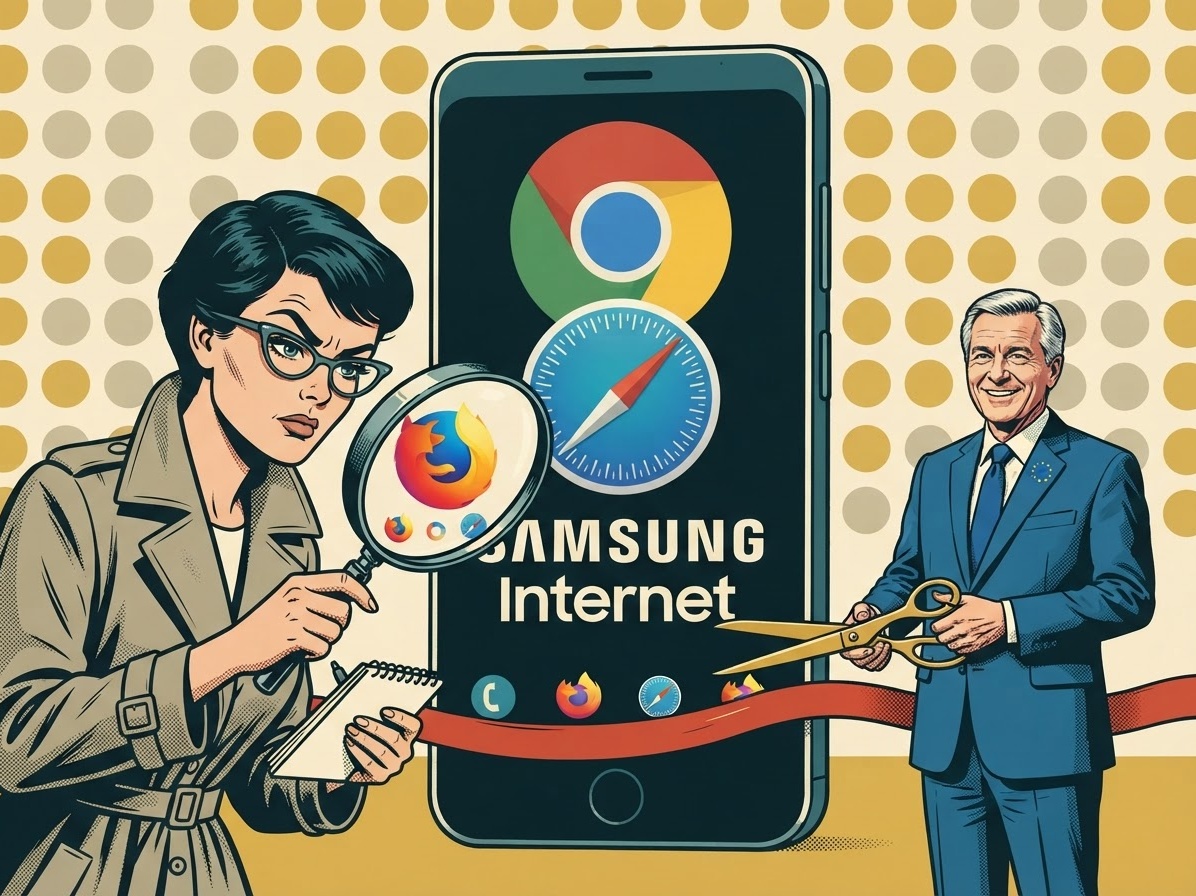
Europe’s browser revolution appears to have left most browsers exactly where it found them. The European Commission is celebrating a “surge” in alternatives. The browsing data suggest a ripple. In April, the Commission reviewed the Digital Markets Act (DMA) and pronounced it “fit for purpose.” “Alternative browsers and search engines are being increasingly chosen by ... We Measured Europe’s Browser Revolution. Bring a Magnifying Glass.
No Free Ride: Uber’s African Retreat
First, “Uber” became a verb. Now, in parts of Africa, it is becoming past tense. The company’s withdrawal from Nigeria and Uganda complicates one of competition policy’s favorite storylines: U.S. technology platforms enter, conquer, and never leave. That assumption has helped fuel a rush to import rules modeled on the European Union’s Digital Markets Act ... No Free Ride: Uber’s African Retreat

Premium, Regular, or Collusive? Brazil’s Aprix Case Tests Algorithmic Pricing
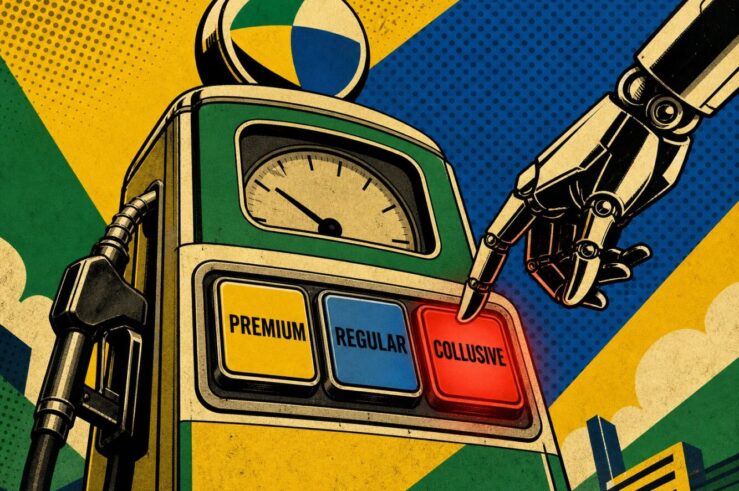
Few antitrust investigations find their theory of harm laid out in the target’s sales brochure. Brazil’s investigation of Aprix, a startup that sells pricing software to gas stations, nearly managed the feat. One of the company’s promotional brochures introduced prospective clients to the prisoner’s dilemma, the classic game-theory example in which individually rational choices can ... Premium, Regular, or Collusive? Brazil’s Aprix Case Tests Algorithmic Pricing
Paramount’s Mission: Impossible Antitrust Case
Hollywood loves a sequel, and the antitrust fight over Paramount Skydance’s proposed $110 billion acquisition of Warner Bros. Discovery (WBD) is becoming one. First came the familiar streaming-monopoly scare. Now comes the more personal version: the writers, drivers, and actors who make the movies fear that a combined studio will need far fewer of them—and ... Paramount’s Mission: Impossible Antitrust Case

The Great AI Monopoly That Wasn’t
Predictions of AI-driven monopoly have outpaced the evidence. Several years into the generative AI boom, regulators have investigated, firms have invested, and markets have shifted—yet durable market power and demonstrable competitive harm remain elusive. More than a year ago, Dirk Auer and I challenged the “hyperbolic and dystopian” narrative dominating discussions about competition in artificial-intelligence ... The Great AI Monopoly That Wasn’t

Gigabit or Bust: The Mirage of Insufficient Broadband Competition
Regulators keep searching for a simple test to declare broadband markets “competitive.” The California Public Utilities Commission’s Public Advocates Office (Cal Advocates) thinks it found one: count gigabit networks. If a market lacks multiple overlapping gigabit-capable systems, Cal Advocates suggests in a report released last month, regulators should treat it as effectively noncompetitive. That framing ... Gigabit or Bust: The Mirage of Insufficient Broadband Competition

The Invisible Hand Screws Up Your Regression
You’ve probably heard the claim: “Chinese imports destroyed millions of American manufacturing jobs.” Most likely, that number comes from the famous “China Shock” research by David Autor, David Dorn, and Gordon Hanson. It’s become a fixture in trade debates. In that original paper, Autor, Dorn, and Hanson compared regions with different exposure to Chinese import competition. ... The Invisible Hand Screws Up Your Regression

Streaming Market Shares: Error 404, Data Not Found
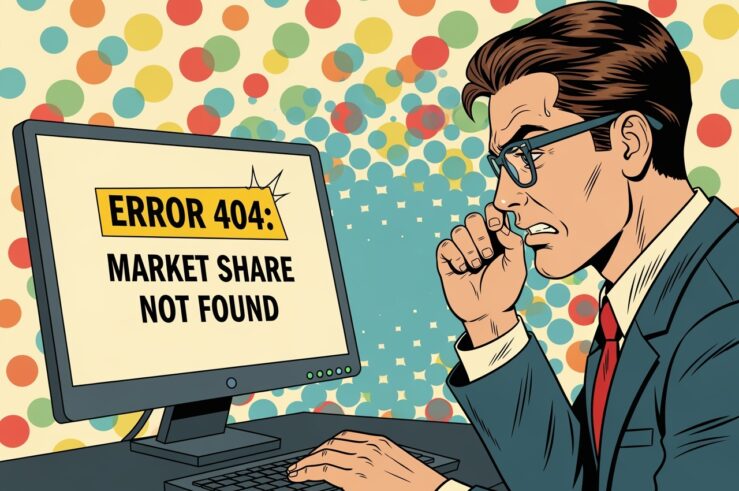
No matter who acquires Warner Bros. Discovery, whether it’s ultimately Netflix or Paramount Skydance, the deal will be one of the largest media mergers in history. Yet antitrust authorities reviewing these transactions face an unusual obstacle: they cannot reliably calculate market shares for the streaming services at the heart of the proposed deals. The standard ... Streaming Market Shares: Error 404, Data Not Found
Evaluating the Sale of Warner Bros Discovery to Netflix from an Antitrust Perspective
Warner Bros. Discovery (WBD) has announced that it is selling its major assets to Netflix, including Warner Bros. Pictures (home of Harry Potter), DC Studios, and HBO Max. Netflix was chosen among a group of bidders that also included Paramount and Comcast. This post explores some of the antitrust issues and hurdles that a combined ... Evaluating the Sale of Warner Bros Discovery to Netflix from an Antitrust Perspective

Killer Acquisitions: A Killer Story, But Still Not Much Evidence
Merger-control regimes around the world have for some time now engaged with the theory of harm known as “killer acquisitions.” The idea is simple: an incumbent buys a rival in order to shut down its operations and preempt future competition. Indeed, the original paper that laid out the theory found that 5-7% of mergers may ... Killer Acquisitions: A Killer Story, But Still Not Much Evidence