The EU’s Facebook Marketplace Decision: The Gatekeeper That Wasn’t
Sometimes the most important thing about a gatekeeper case is that there was no gatekeeper after all. That is the quiet lesson of the European Union General Court’s judgment in Meta Platforms v. Commission, which annulled in part the European Commission’s decision to designate Meta as a gatekeeper under the Digital Markets Act (DMA). The ... The EU’s Facebook Marketplace Decision: The Gatekeeper That Wasn’t

Rinse, Repeat, Reject: ‘Washing’ Claims in Antitrust
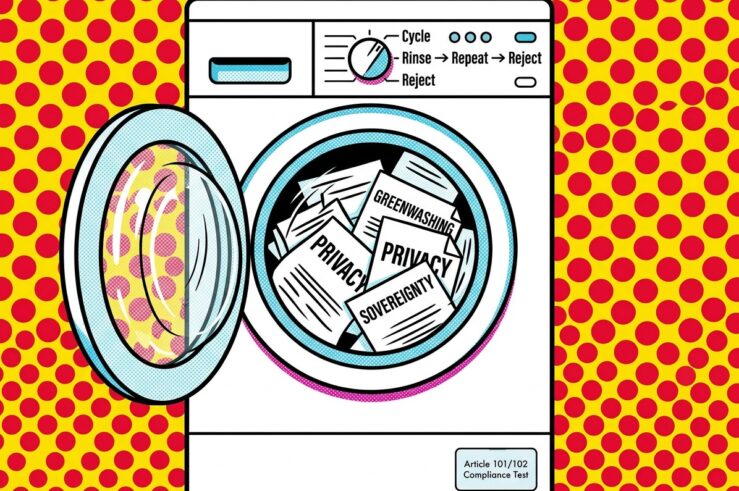
Although not a single, Mitski’s “Washing Machine Heart” ranks among her most popular songs. Its insistent drumbeat echoes the spin cycle of an old washing machine, recalling the singer’s frustration with her romantic life. Competition policy has its own fixation on “washing.” In this context, “washing” describes efforts by undertakings to invoke public policy goals—such ... Rinse, Repeat, Reject: ‘Washing’ Claims in Antitrust
Acquihires and Other Antitrust Ghost Stories
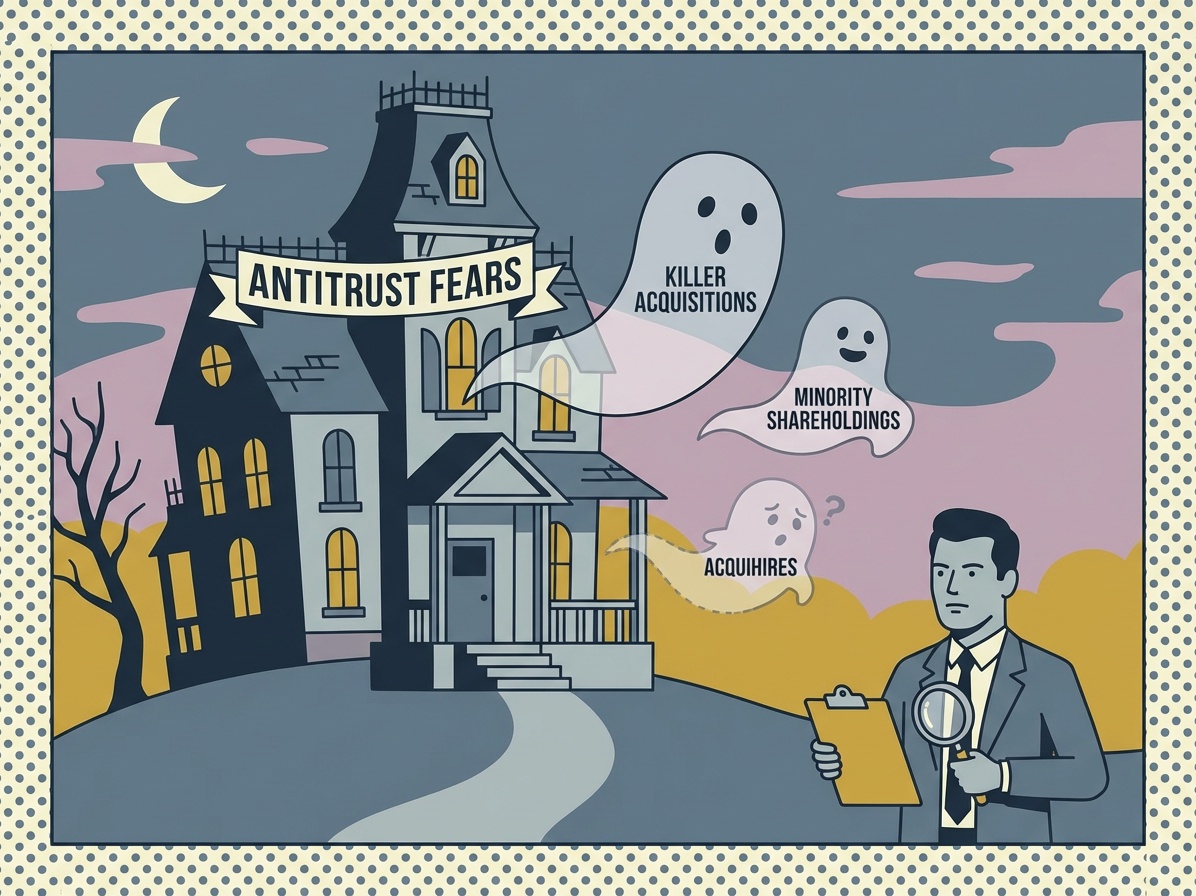
Merger-control debates tend to repeat themselves. As new transaction forms emerge, regulators often move quickly to respond before harm becomes irreversible. Over the past decade, this pattern played out in debates over “killer acquisitions,” and earlier, minority shareholdings. Today, a similar dynamic surrounds so-called “acquihires.” Acquihires are transactions aimed primarily at acquiring a firm’s workforce, ... Acquihires and Other Antitrust Ghost Stories
Keeping Titans in Quarantine
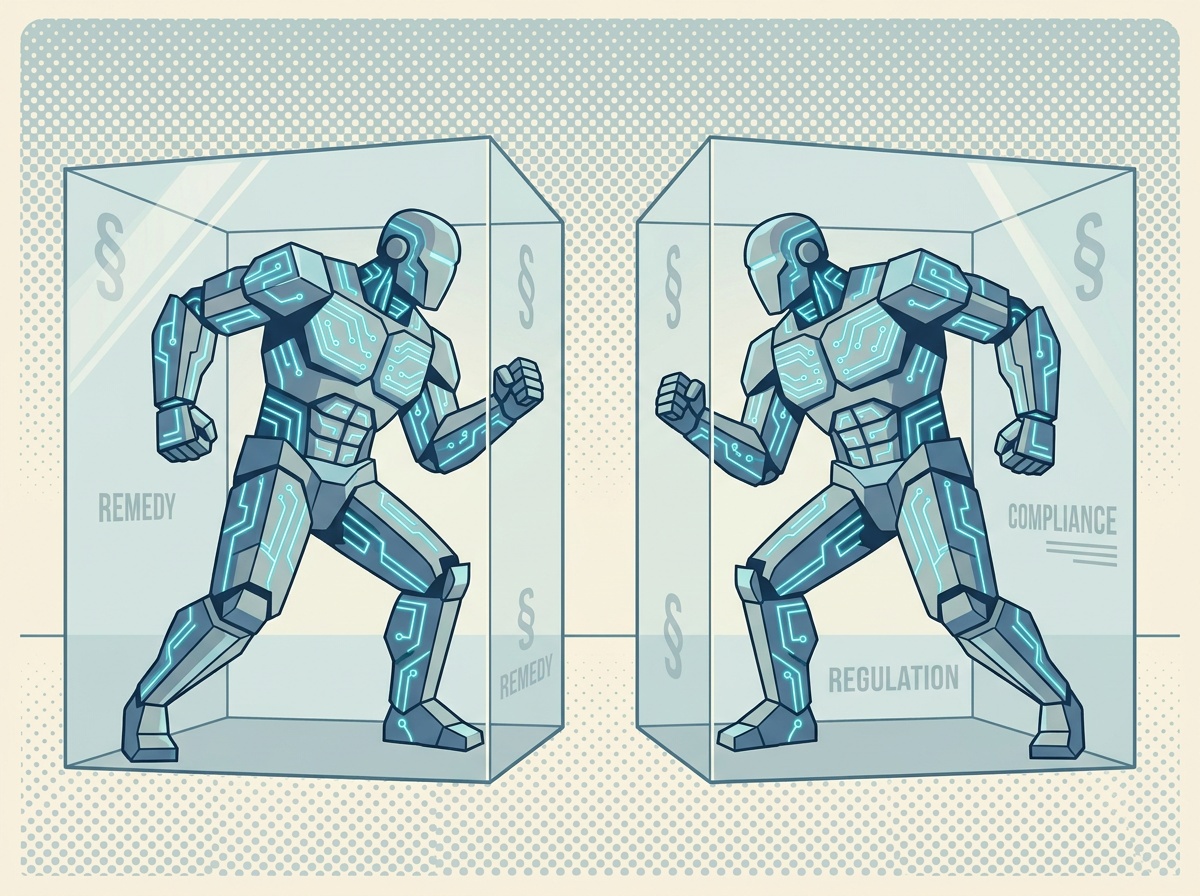
Antitrust law once imposed a simple rule on dominant firms: stay in your lane. That idea fell out of favor. Unfortunately, its logic did not. The clearest example comes from midcentury enforcement. In 1956, the U.S. Department of Justice (DOJ) imposed a sweeping antitrust remedy on AT&T. The DOJ consent decree required AT&T’s research arm, ... Keeping Titans in Quarantine
Two Faces of Inefficiency in European Competition Law
Whatever else one might want to say of the European Commission in 2025, they cannot be accused of idleness. Spurred by leadership change and mounting evidence of Europe’s economic malaise, the Commission has been working hard to update its competition toolbox. Calls for evidence have been issued across multiple areas, from guidance on technology-transfer agreements ... Two Faces of Inefficiency in European Competition Law

Killer Acquisitions: A Killer Story, But Still Not Much Evidence
Merger-control regimes around the world have for some time now engaged with the theory of harm known as “killer acquisitions.” The idea is simple: an incumbent buys a rival in order to shut down its operations and preempt future competition. Indeed, the original paper that laid out the theory found that 5-7% of mergers may ... Killer Acquisitions: A Killer Story, But Still Not Much Evidence

The EU’s Google Adtech Decision: Structural Remedies by Stealth?
The European Commission’s €2.95 billion decision against Google arrives amid heightened EU-U.S. trade tensions, the Trump administration’s recent criticism of EU tech regulations, internal disagreements within the Commission, and heated commentary on both sides of the Atlantic. But beyond geopolitics, the decision also raises important legal and policy questions. In particular, the Commission’s apparent request ... The EU’s Google Adtech Decision: Structural Remedies by Stealth?

Implementing the EU’s Digital Markets Act: The Seen and the Unseen
The focus of the European Commission’s recently published second annual enforcement report on the Digital Markets Act (DMA) was, as expected, on what has been achieved. The report celebrates the concrete, measurable steps the Commission has taken to rein in “gatekeeper” platforms: investigations launched, compliance workshops held, remedies imposed. These are the seen effects—the visible ... Implementing the EU’s Digital Markets Act: The Seen and the Unseen