Showing archive for: “Antitrust Law & Policy”
Protectionism in Regulatory Clothing: How Governments Keep Markets Closed Without Tariffs
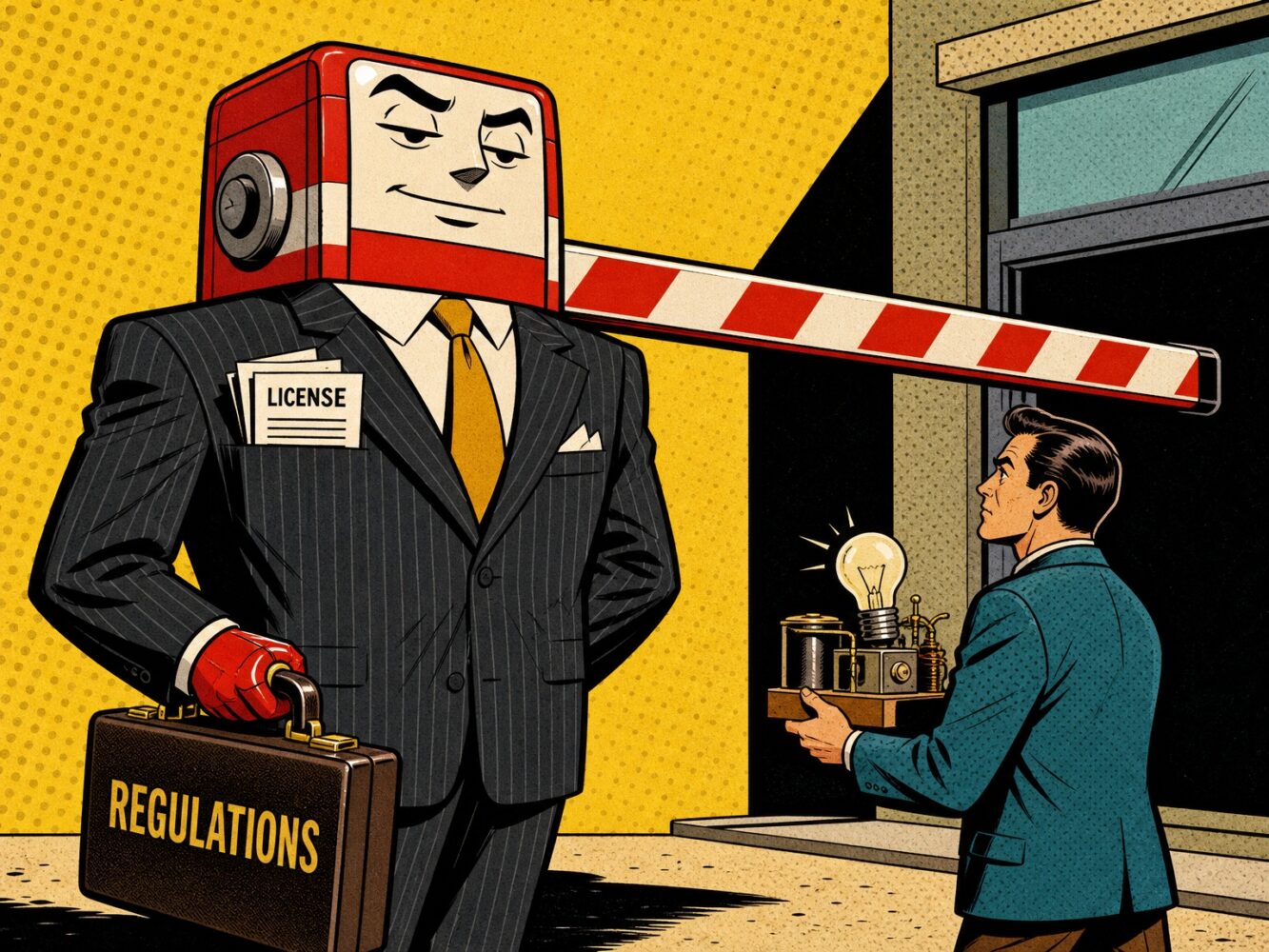
Governments negotiate away tariffs in public, but they can restore much of the protection in the licensing office. A procurement preference, a selective subsidy, or a regulatory exemption can accomplish much the same thing. Trade liberalization has made tariffs easier to see and negotiate away, but governments still have plenty of ways to shelter favored ... Protectionism in Regulatory Clothing: How Governments Keep Markets Closed Without Tariffs
Antitrust’s State of Prey: The Hawks Go Local
For antitrust doves—those of us who think antitrust works best with a restrained approach to policing competition—the U.S. midterm results look, at first glance, like a triumph for the hawks. Democrats have won control of both chambers of Congress, with at least 54 Senate seats and potentially their largest House majority in nearly two decades. ... Antitrust’s State of Prey: The Hawks Go Local

AI Is Picking the Locks on Europe’s Gatekeeper Rules
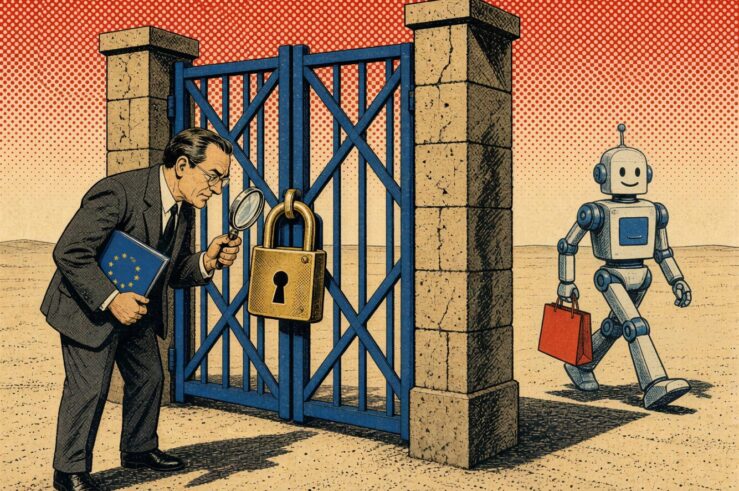
Big Tech is spending a fortune to secure a future that competition regulators seem to think it already owns. Investors aren’t so sure. They’re losing patience with the industry’s artificial intelligence (AI) bill—and questioning what all that spending will buy. Alphabet shares sank more than 12% last Thursday—the company’s worst trading day on record—after both ... AI Is Picking the Locks on Europe’s Gatekeeper Rules
The Price of Playing Fair: How Charging Everyone the Same Can Leave Consumers Worse Off
Imagine you have a business that earns zero economic profit. It exactly covers its costs, including the return needed to attract investors, but nothing more. Is this the end state of competition? Is there anything left for competition to do? Sure. If another company comes along with lower costs, it can drive prices down. That’s ... The Price of Playing Fair: How Charging Everyone the Same Can Leave Consumers Worse Off

The View from Southeast Asia: A TOTM Q&A with Hee Eun Kim
Hee Eun Kim, can you tell us a bit about yourself and what your work focuses on? I am a member of Baker McKenzie’s antitrust and competition team in the Asia-Pacific region. Before joining Baker McKenzie, I spent more than 10 years as in-house antitrust counsel in the tech sector, so I tend to approach ... The View from Southeast Asia: A TOTM Q&A with Hee Eun Kim

How to Profit From a Cartel Without Joining One
Adam Smith warned that people in the same trade rarely meet without the conversation turning to a scheme to raise prices. Antitrust enforcers on both sides of the Atlantic now suspect they can skip the meeting—a shared shareholder may do the job. In May 2025, the U.S. Justice Department (DOJ) and Federal Trade Commission (FTC) ... How to Profit From a Cartel Without Joining One

Fin-Syn Is a Rerun Washington Should Skip
Some of Hollywood’s most high-powered producers and agents have a pitch for Washington. Make streaming services spend half their original-content budgets buying from independent U.S. producers. Producers and talent agencies would get guaranteed business. Viewers, on the other hand, would get no guarantees. The inspiration comes from the Financial Interest and Syndication Rules, better known ... Fin-Syn Is a Rerun Washington Should Skip

Every Click You Make: Article 6(5)’s Search for a Limiting Principle
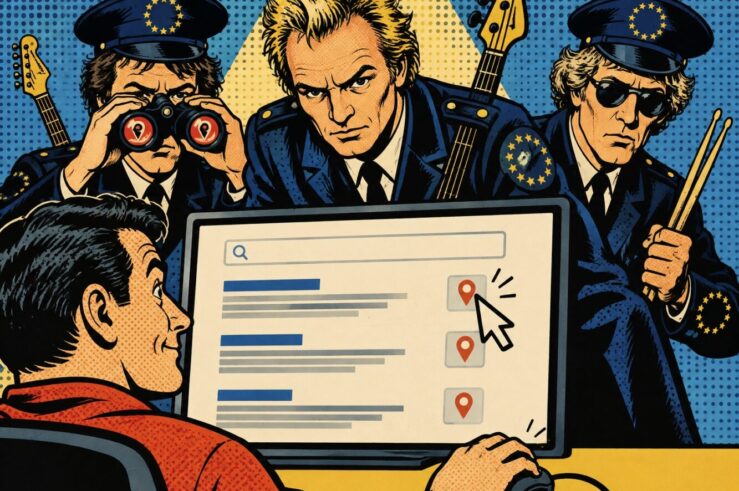
When does a “directions” button become a competition-law violation? When it points to Google Maps, according to the European Commission. A law meant to police search rankings is becoming a license to police the whole page. On July 23, the Commission fined Alphabet €460 million for favoring nine of its own services on Google’s search ... Every Click You Make: Article 6(5)’s Search for a Limiting Principle
Brussels Rules Without the Brussels Perks
Brussels’ latest competition guidelines should probably come with a warning label. Countries borrowing them risk importing dubious economics, remedies designed for Europe’s very specific institutional problems, and a trade fight with Washington. On Sept. 3, after a three-year process, the European Commission adopted its first guidelines on exclusionary abuses under Article 102 of the Treaty ... Brussels Rules Without the Brussels Perks

We Measured Europe’s Browser Revolution. Bring a Magnifying Glass.
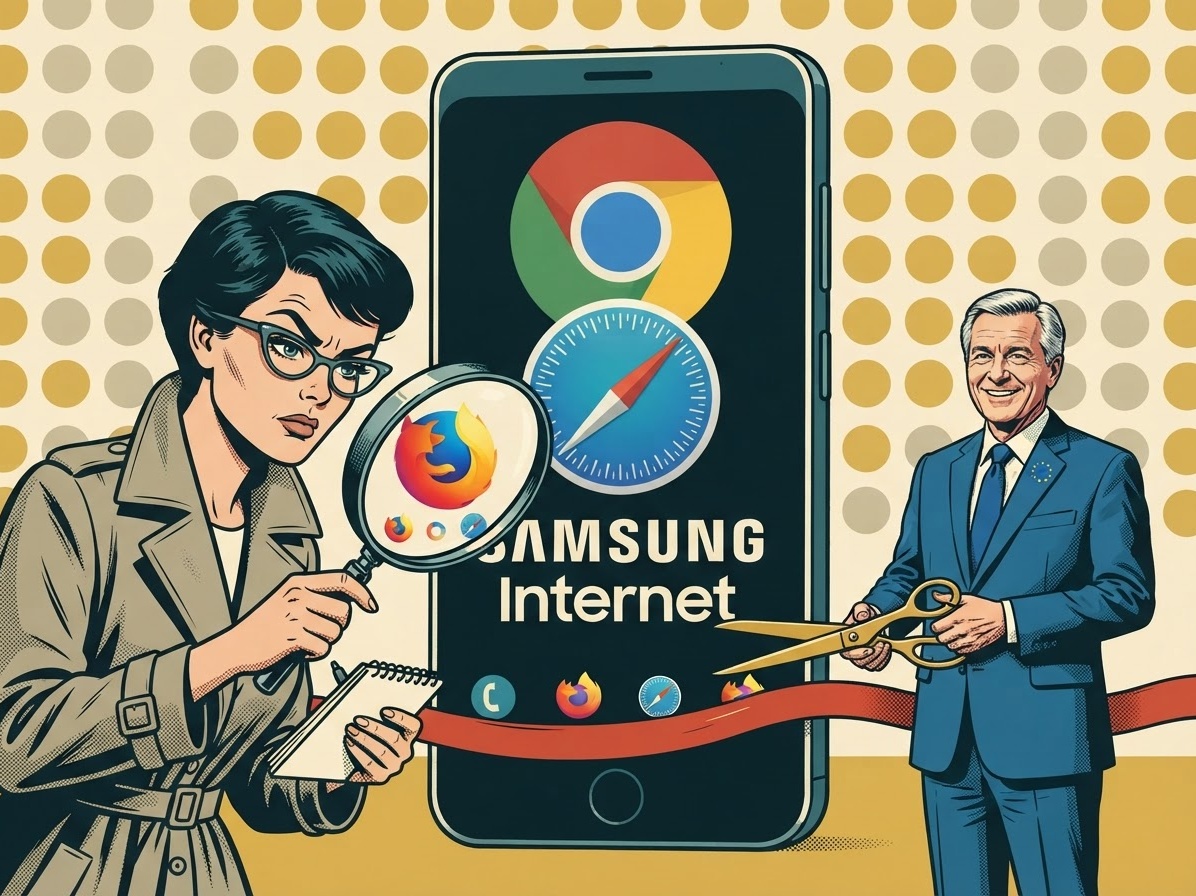
Europe’s browser revolution appears to have left most browsers exactly where it found them. The European Commission is celebrating a “surge” in alternatives. The browsing data suggest a ripple. In April, the Commission reviewed the Digital Markets Act (DMA) and pronounced it “fit for purpose.” “Alternative browsers and search engines are being increasingly chosen by ... We Measured Europe’s Browser Revolution. Bring a Magnifying Glass.
Antitrust at the Agencies: Pour One Out for Southern Glazer’s
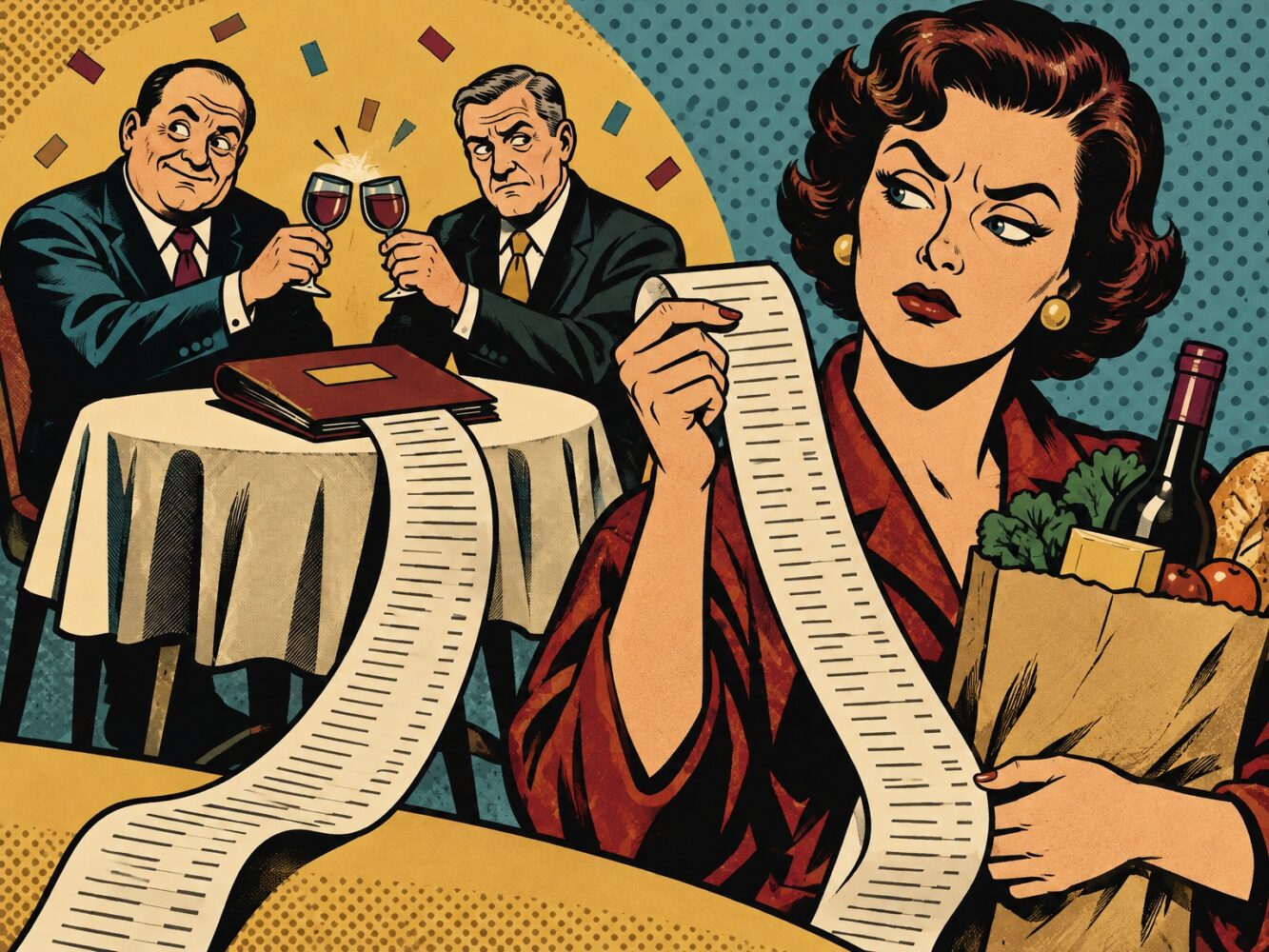
The Federal Trade Commission (FTC) has settled a wine-and-spirits case, and its press release reads like a victory toast. The two commissioners who approved the deal write as if they’d rather send the bottle back. Consumers might want to check the tab. The settlement in Southern Glazer’s Wine and Spirits landed just after I’d put ... Antitrust at the Agencies: Pour One Out for Southern Glazer’s
Beyond Tariffs: Free Trade and the Friends-and-Family Plan
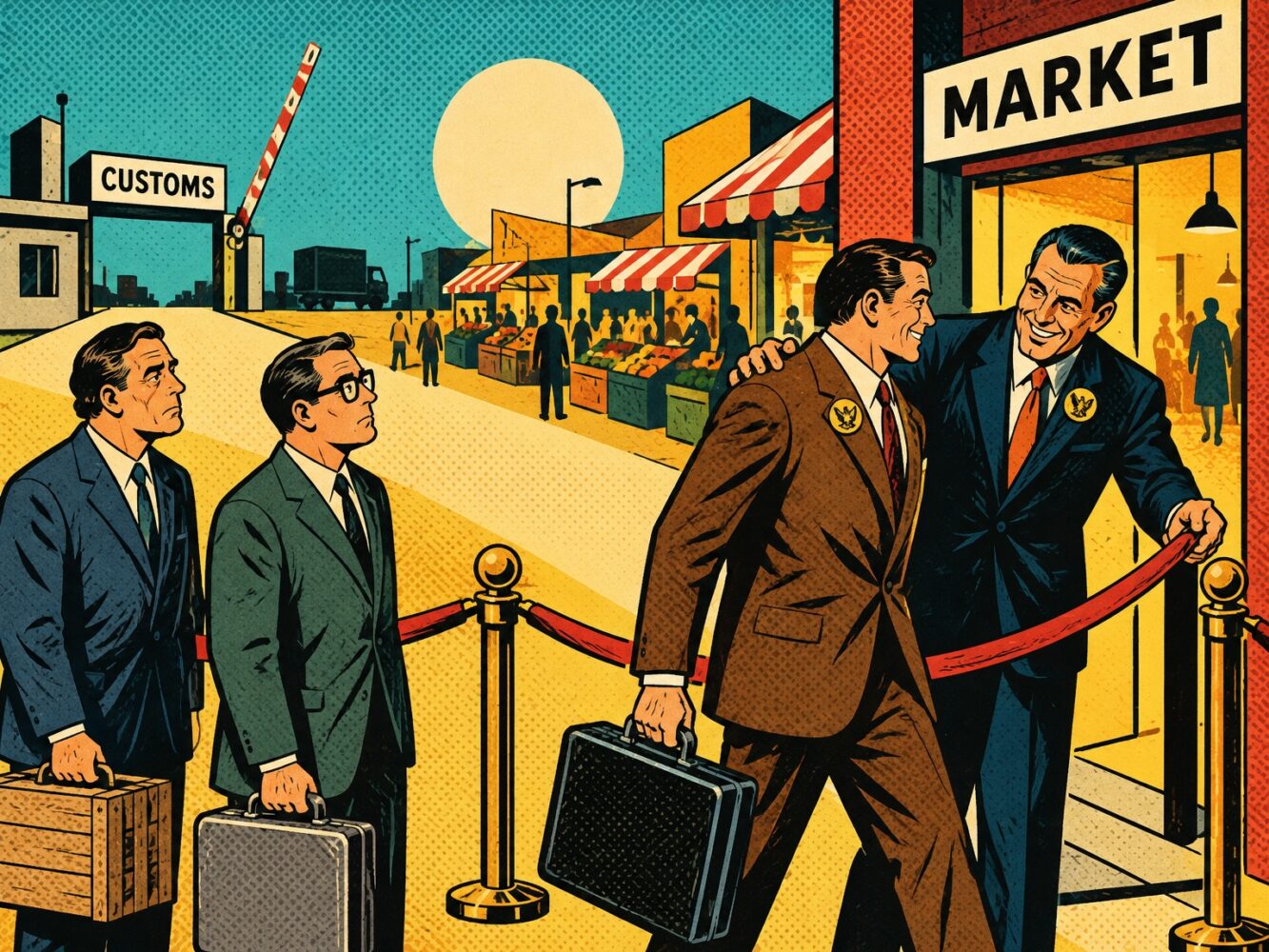
A trade deal can lower tariffs and yet still leave the hardest barriers untouched. The shipment clears customs, but the supplier cannot get a license, bid for a government contract, or compete with a subsidized state firm. The border is nominally open, but the market has other arrangements. As I argue in a new Mercatus ... Beyond Tariffs: Free Trade and the Friends-and-Family Plan