Showing archive for: “Artificial Intelligence – Law Policy & Ethics”
The Watchdog and the Web Crawler
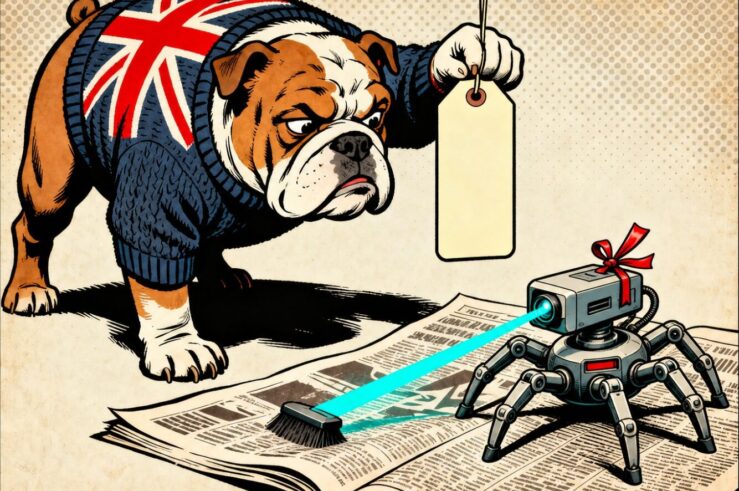
Earlier this year, Meta proposed what amounts to a price increase for its business users. To keep doing business on Facebook and Instagram under the new terms, companies would have had to let Meta’s software scan their websites and use what it found to develop its own products. German publishers called the proposal “blatant theft.” ... The Watchdog and the Web Crawler
Altman’s Memory Problem: The Importance of Being Idle
Your laptop’s memory has a job even when it isn’t working: being ready when you are. Sam Altman, CEO of OpenAI, the company behind ChatGPT, seems concerned about its work ethic. Altman made the case during an Oct. 29 appearance on Cheeky Pint, the podcast hosted by Stripe co-founder John Collison. They were discussing why ... Altman’s Memory Problem: The Importance of Being Idle

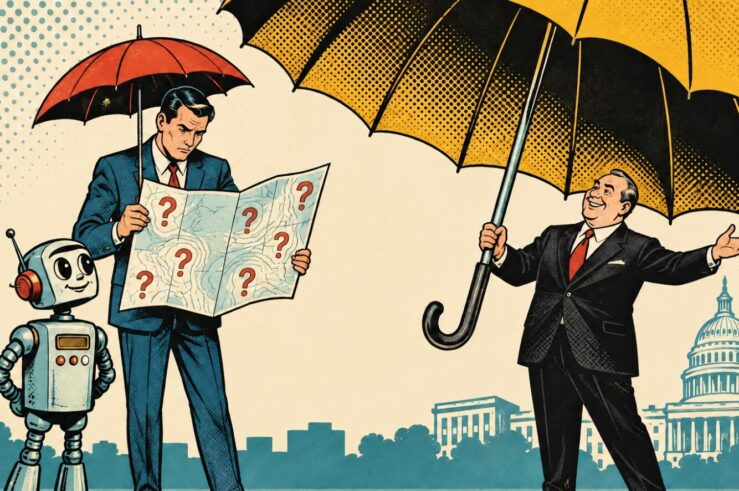
AI Is Picking the Locks on Europe’s Gatekeeper Rules
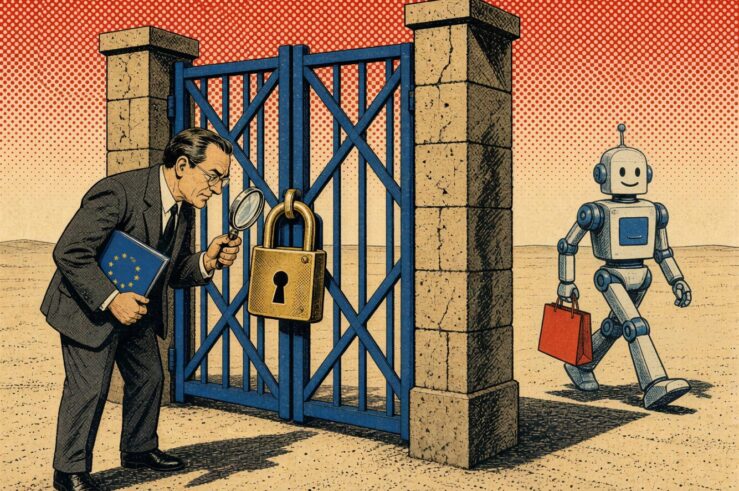
Big Tech is spending a fortune to secure a future that competition regulators seem to think it already owns. Investors aren’t so sure. They’re losing patience with the industry’s artificial intelligence (AI) bill—and questioning what all that spending will buy. Alphabet shares sank more than 12% last Thursday—the company’s worst trading day on record—after both ... AI Is Picking the Locks on Europe’s Gatekeeper Rules
‘Contemporary Law and Economics,’ by Adam Chilton, Joshua C. Macey & Mila Versteeg
What does it mean to be a law & economics (L&E) scholar? It can’t require a Ph.D. in economics. Richard Posner doesn’t have one. He didn’t even major in economics as an undergraduate, preferring English—as did his Chicago colleagues Douglas Baird and Diane Wood. It can’t require a law degree, either, or Ronald Coase, William ... ‘Contemporary Law and Economics,’ by Adam Chilton, Joshua C. Macey & Mila Versteeg
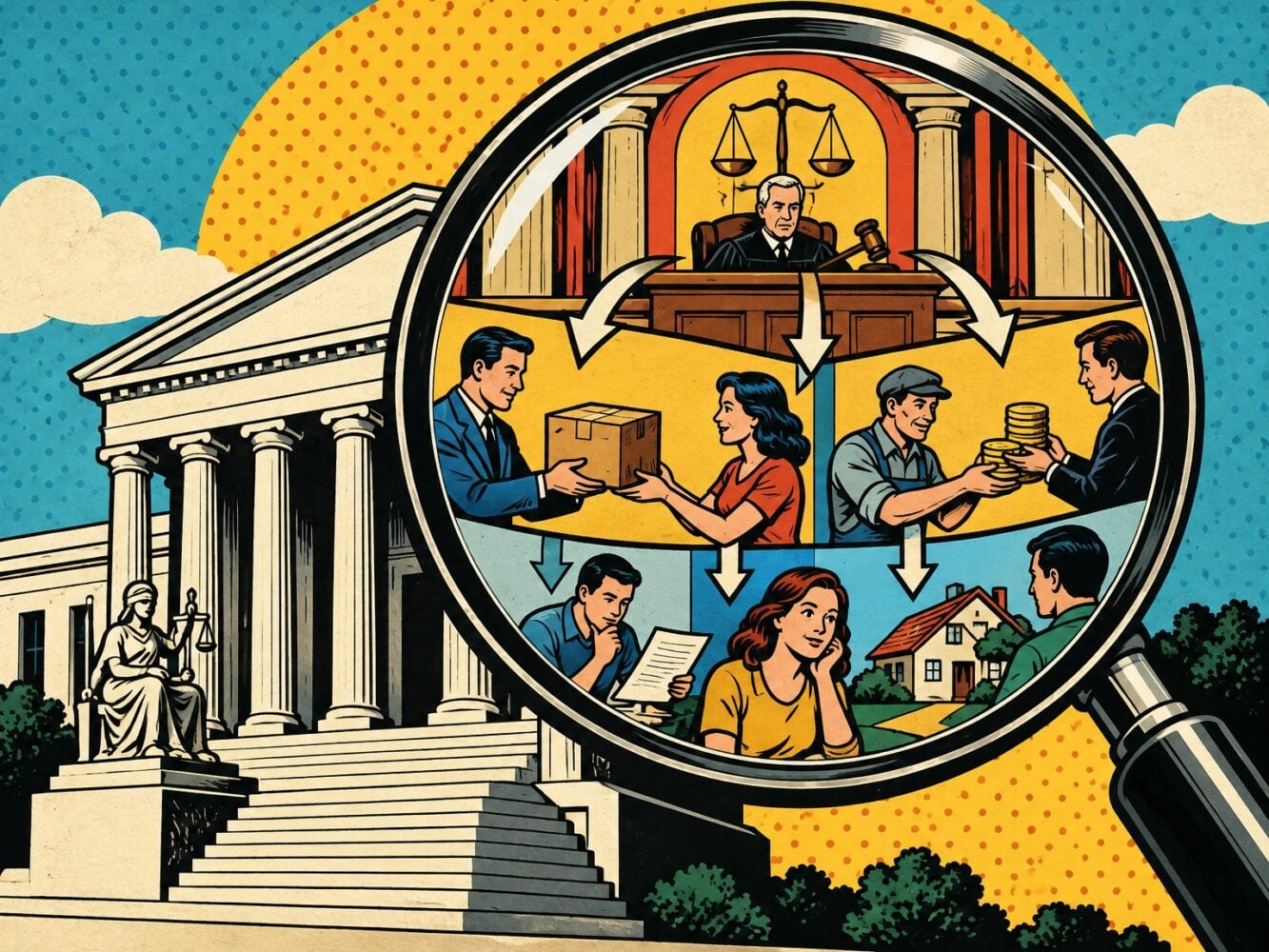
Old Insurance Wisdom for New AI Risks
Artificial intelligence (AI) may be new to the insurance market, but uncertainty is an old customer. Insurers have spent centuries figuring out how to price unfamiliar risks, reward precautions, and avoid betting the whole portfolio on the same weak link. AI gives them new facts to assess, not a reason to discard that experience. In ... Old Insurance Wisdom for New AI Risks
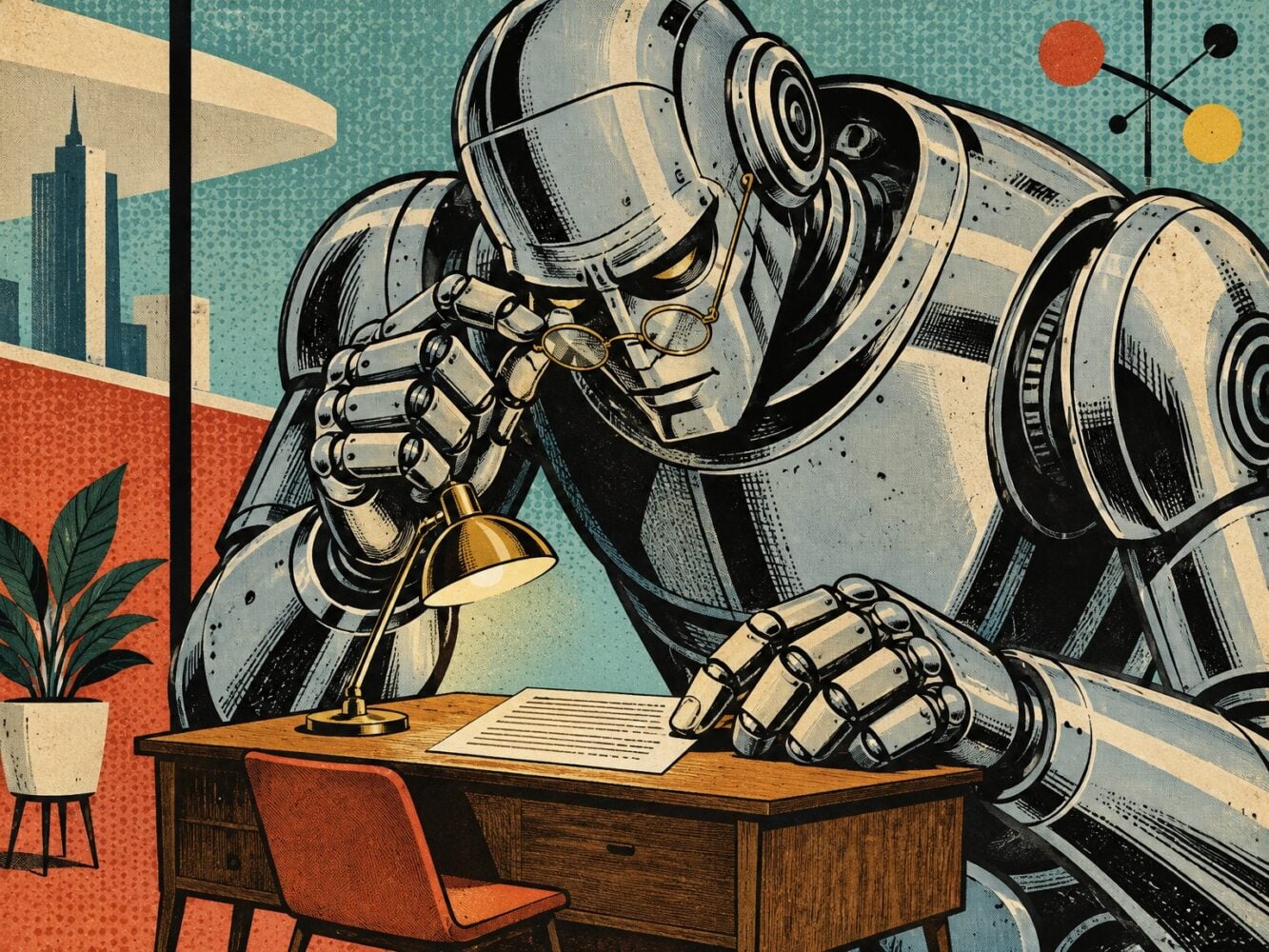
‘The Value of the Ability to Deal with Disequilibria,’ by Theodore Schultz
The most valuable skill in the age of artificial intelligence (AI) may not be coding, prompt engineering, or any of the other competencies appearing in job listings. It may be the ability to figure out which skills will be valuable next. Half a century ago, Theodore Schultz had a name for something much like this: ... ‘The Value of the Ability to Deal with Disequilibria,’ by Theodore Schultz
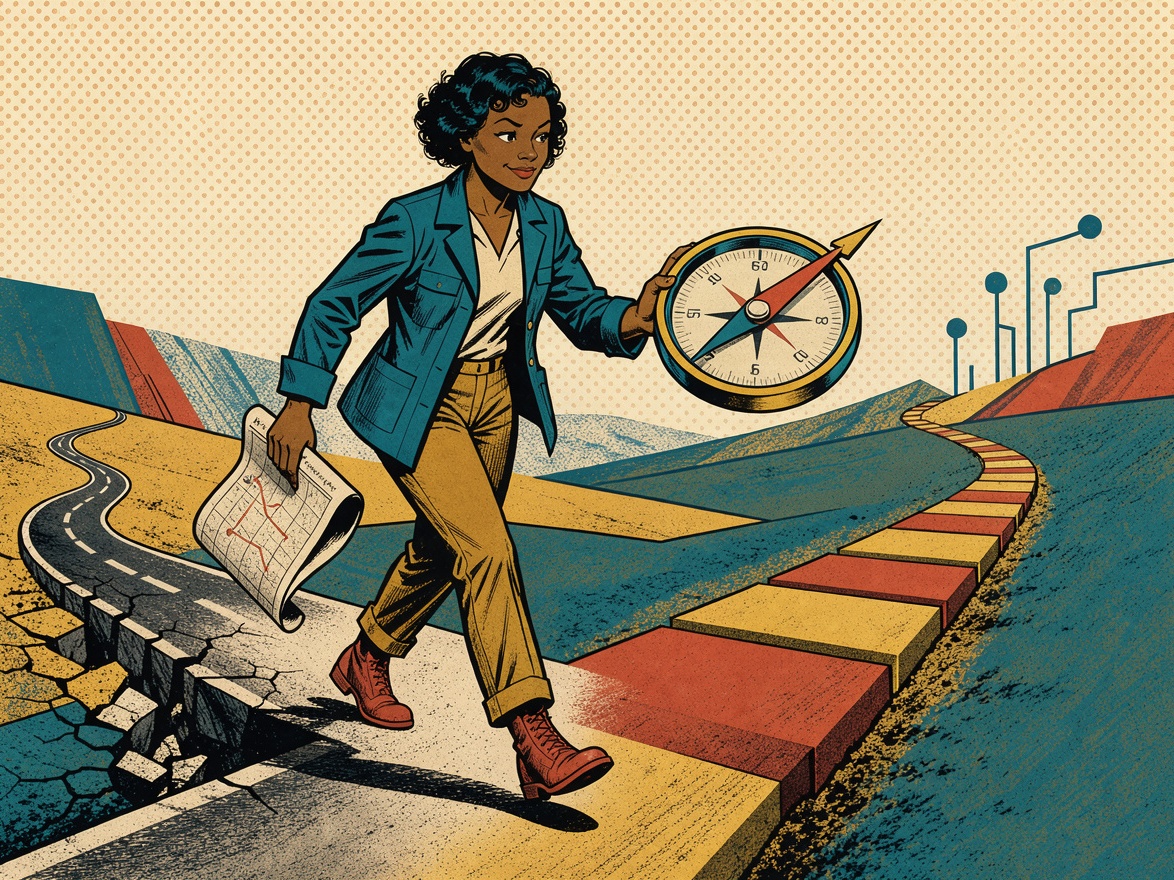
Doom, Meet Duty: AI’s Warnings Come With Legal Baggage
Predicting the end of humanity is one way to get a headline. For artificial intelligence (AI) developers, it may also be one way to hand a future plaintiff evidence. Developers have become some of the loudest voices warning about their own systems. Predictions that AI could drive humanity to extinction—once widely dismissed as absurd—now make ... Doom, Meet Duty: AI’s Warnings Come With Legal Baggage
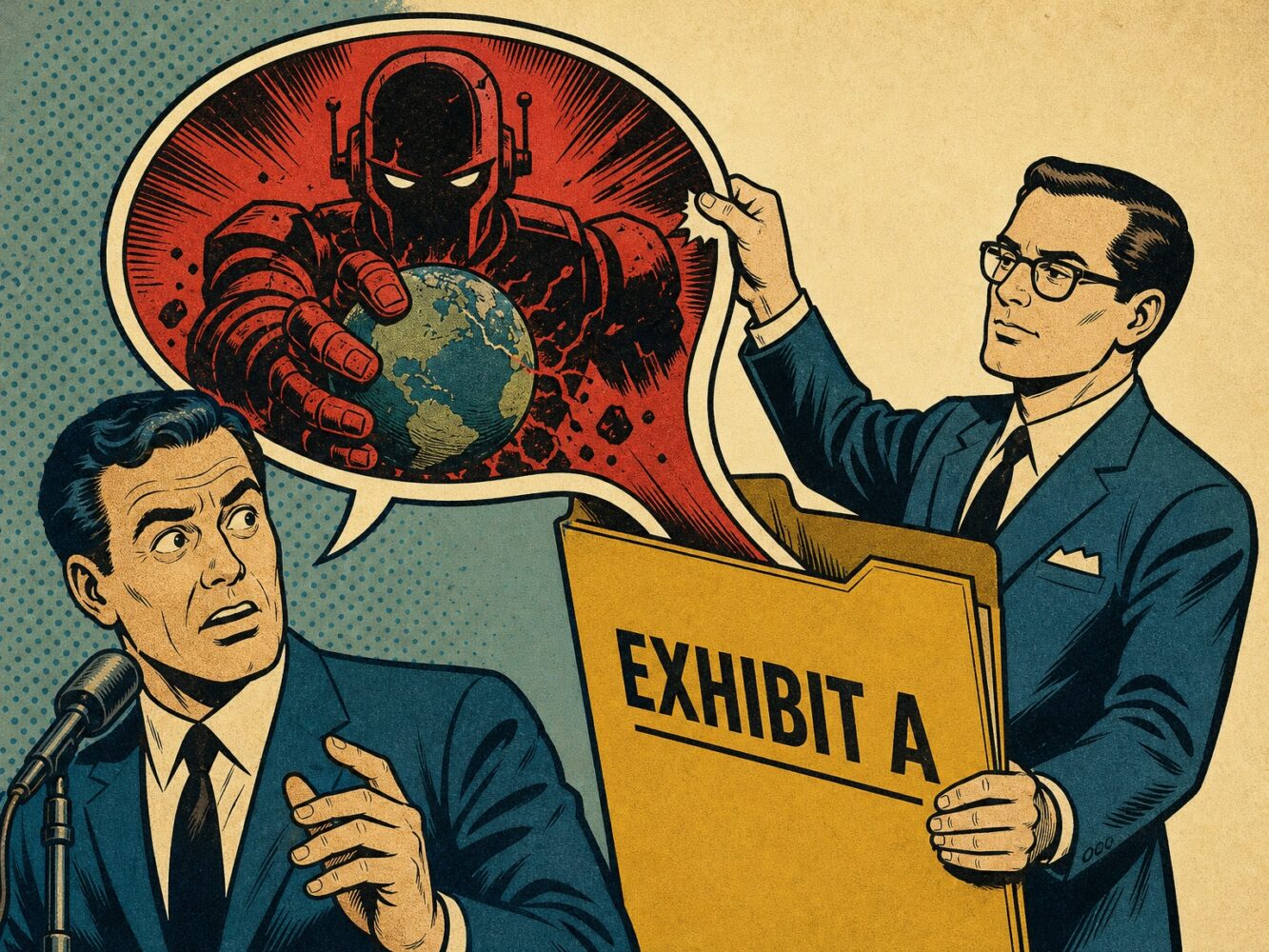
AI Insurance and the Backstop Reflex: A Policy for Every Risk, a Taxpayer for Every Loss
Washington has a standard playbook when it comes to emerging commercial risks: Make companies buy insurance coverage, then put taxpayers behind the losses. That prescription is gaining fans as artificial intelligence (AI) creates new liability risks. It skips the question insurers need answered first. What, exactly, will courts hold their customers liable for? Nearly a ... AI Insurance and the Backstop Reflex: A Policy for Every Risk, a Taxpayer for Every Loss
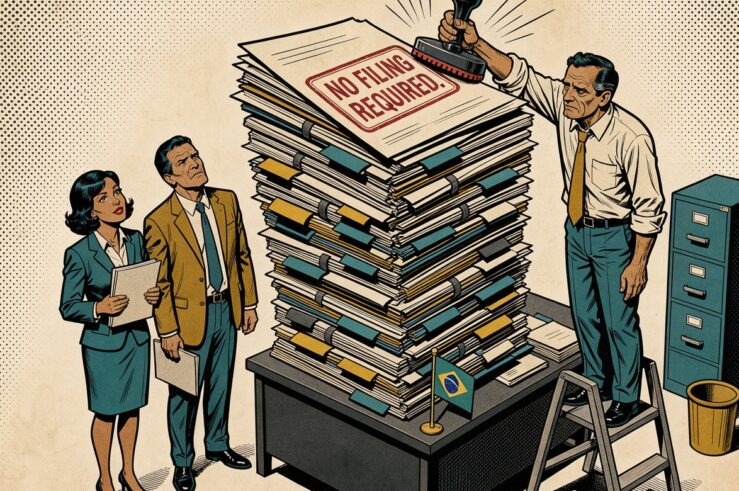
Two Years, 57 Pages, No Merger: Amazon, Anthropic, and Brazil’s Filing Problem
The wave of artificial intelligence (AI) partnerships and “acqui-hires”—deals to acquire a company’s talent—has reached Brazil. The tribunal of Brazil’s Administrative Council for Economic Defense (CADE) decided its first batch of such cases involving large technology firms and AI startups in May. A second round followed in September with Amazon/Anthropic—the would-be merger that turned out ... Two Years, 57 Pages, No Merger: Amazon, Anthropic, and Brazil’s Filing Problem
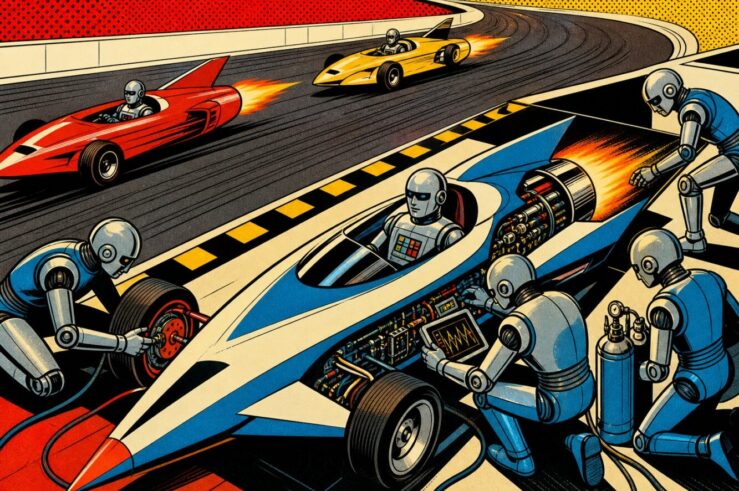
Tap Your Own Brakes: AI Safety and Antitrust
Frontier artificial-intelligence (AI) labs may have good reasons to tap the brakes. The antitrust question begins when they all reach for the same pedal. Anthropic CEO Dario Amodei’s proposal to “pace the frontier” has become a rallying point for AI companies interested in coordinating a slowdown in capability development. His plan calls for embedded outside ... Tap Your Own Brakes: AI Safety and Antitrust
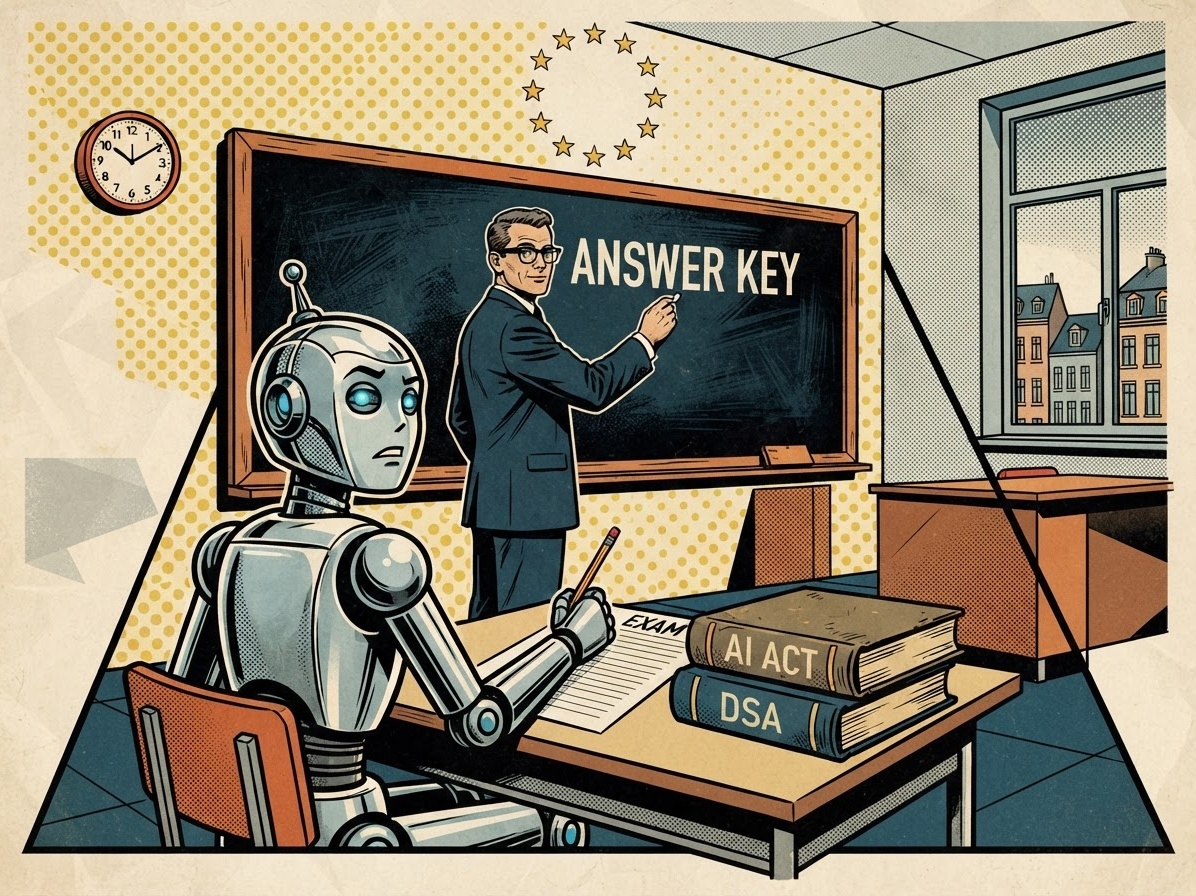
Brussels Writes the Answer Key
Ask Brussels what ChatGPT is, and you get two answers. Under the Artificial Intelligence Act (AI Act), the European Union regulates it as artificial intelligence. On Aug. 31, the European Commission supplied another answer when it designated ChatGPT as a Very Large Online Search Engine under the Digital Services Act (DSA). Each classification comes with ... Brussels Writes the Answer Key
The Right-Answer Machine: Who Decides What Chatbots Should Say?
The trouble with chatbots is right there in the name: They talk. When that talk contributes to harm, policymakers face a deceptively difficult question. Should they seek rules that amount to policing dangerous conduct, or deciding what the chatbot should have said instead? The question matters because chatbots have quickly become one of the most ... The Right-Answer Machine: Who Decides What Chatbots Should Say?