Showing archive for: “Law Politics & the Media”
No Country for Young Posters: Social Media Bans Outrun the Evidence
Governments around the world are rushing to address the youth mental health crisis, with social media squarely in their sights. From Capitol Hill to Paris to Sydney, lawmakers are proposing or enacting strict age restrictions that would ban teenagers from creating social media profiles. But are these heavy-handed mandates the right approach? A recent white ... No Country for Young Posters: Social Media Bans Outrun the Evidence

Much Ado About No News: Australia’s Latest Plan to Make Platforms Pay
Australia’s latest plan to make digital platforms pay for journalism has an unusual feature. A platform can owe money even if it carries no journalism at all. The government calls this an “incentive.” On Aug. 3, the Australian government finalized legislation establishing the News Bargaining Incentive (NBI). The government first proposed the NBI in December ... Much Ado About No News: Australia’s Latest Plan to Make Platforms Pay
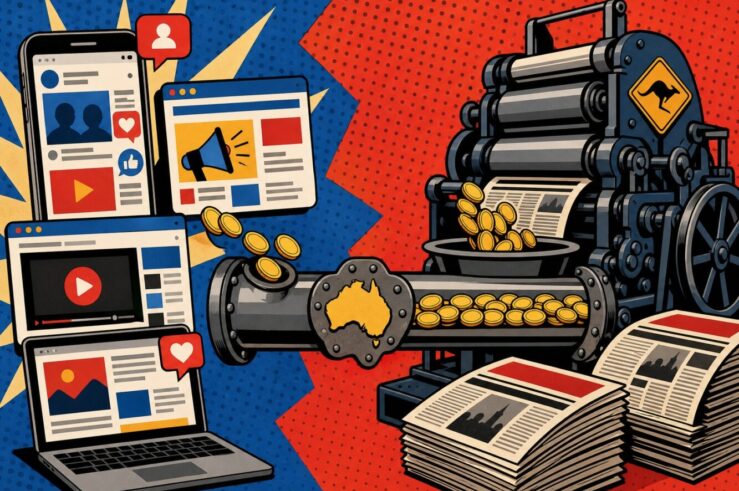
Pulling the 39% Thread: Why the FCC Must Fix More Than the Broadcast Cap
The Federal Communications Commission’s (FCC) 39% broadcast-ownership cap is a rule for a three-network world trying to govern a streaming one. Retiring it makes sense. Retiring it by itself does not. For four decades, the FCC has barred any company from owning television stations that collectively reach more than 39% of U.S. television households. The ... Pulling the 39% Thread: Why the FCC Must Fix More Than the Broadcast Cap
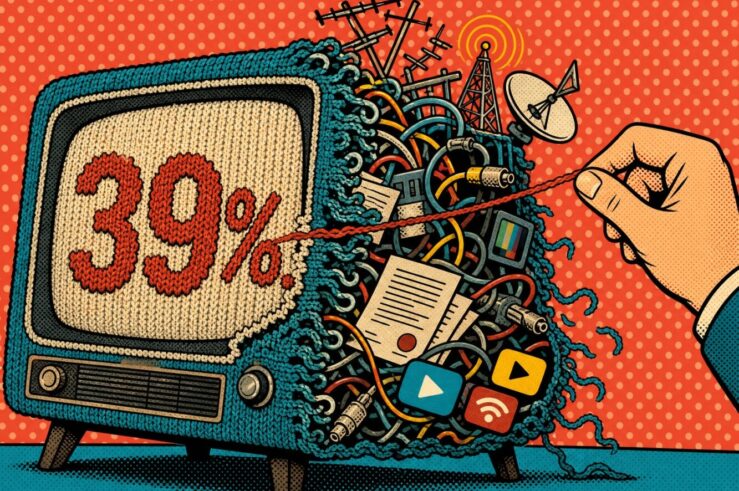
Brazil’s Google News Case and the Art of Not Letting Go
Some legal cases age like wine. Others age like browser tabs left open too long. Brazil’s Google News inquiry belongs firmly in the latter category. On April 3, Brazil’s Administrative Council for Economic Defense (CADE) announced that its Tribunal had unanimously decided to send a seven-year-old administrative inquiry concerning Google’s use of journalistic content—whether for ... Brazil’s Google News Case and the Art of Not Letting Go
The Future of News and Its Frenemies
The local news business has spent the past two decades being “saved” by people who mostly seem to want it embalmed. Every new shift in how Americans consume information—websites, social feeds, newsletters, podcasts, short-form video, artificial-intelligence summaries—gets treated less like evidence of adaptation than proof that civilization will soon forget how school-board meetings work. That ... The Future of News and Its Frenemies
The FCC Wants Final Cut
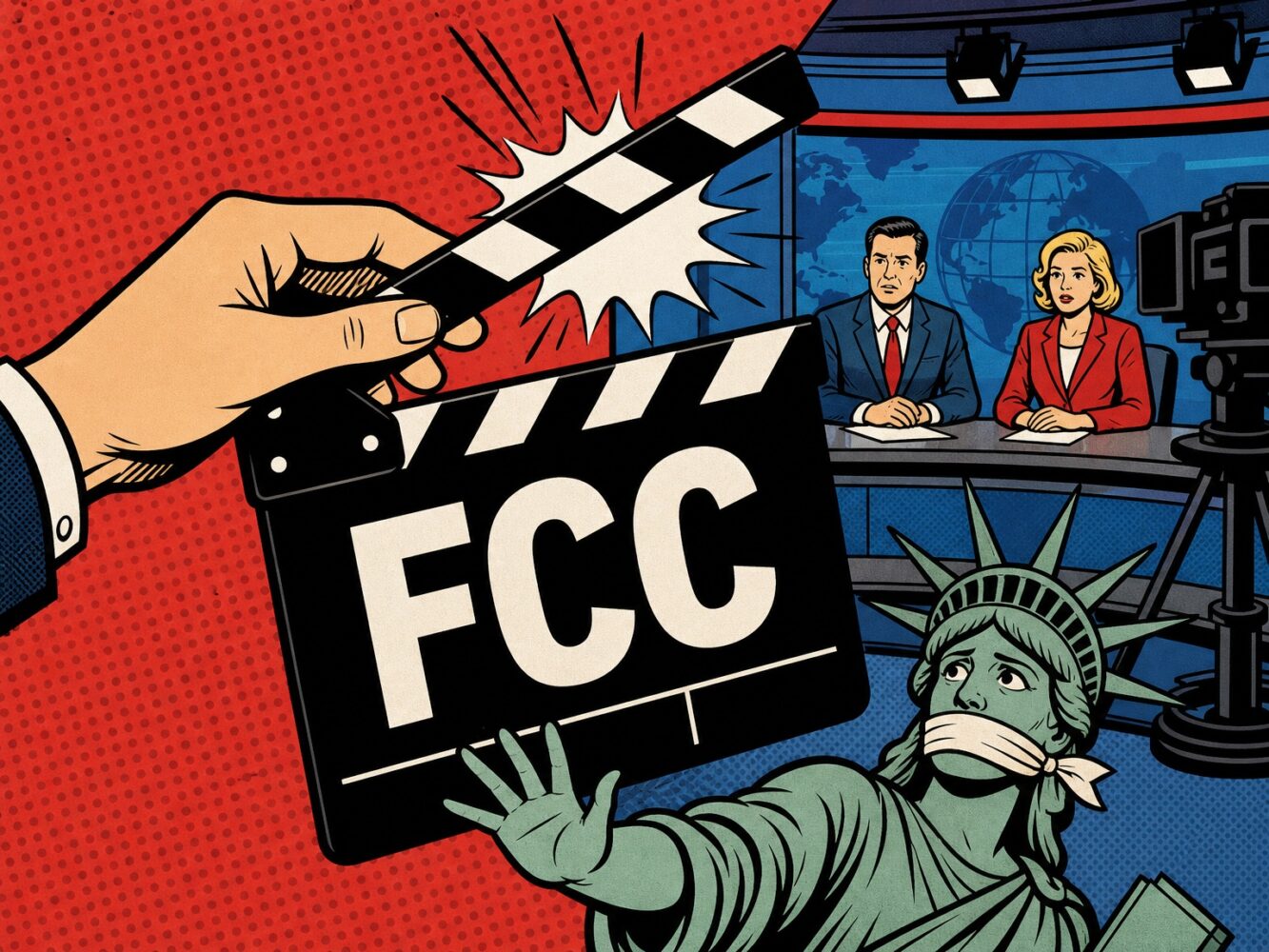
The government does not need to burn books when it can threaten licenses. Why bother with an inquisitor’s bonfire when a regulator’s raised eyebrow can do the trick? That is the modern First Amendment problem. Censorship no longer arrives only as an outright ban. More often, it comes dressed as “oversight,” “public interest,” or “compliance”—all ... The FCC Wants Final Cut
The Paramount Question Isn’t Paramount
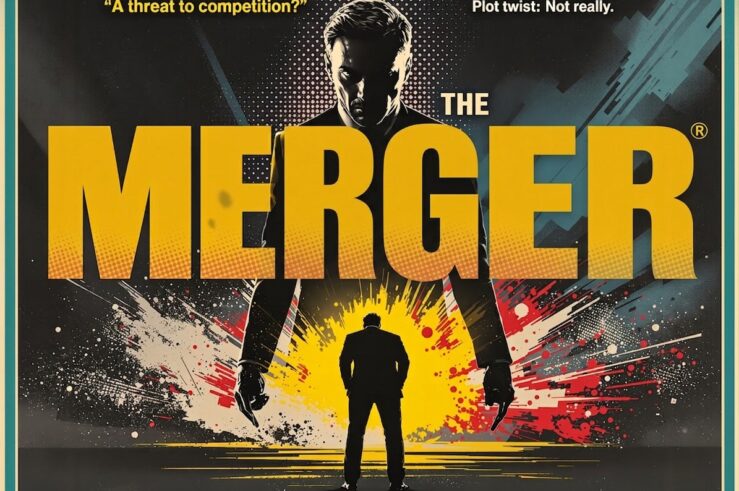
Big mergers make headlines. They don’t always make antitrust problems. In a previous commentary, I explored the antitrust implications of a potential acquisition of Warner Bros. Discovery (WBD). That uncertainty is now resolved. On Feb. 27, Paramount Skydance Corp. agreed to acquire WBD for roughly $110 billion in enterprise value—$31 per share, all cash. The ... The Paramount Question Isn’t Paramount
The 65-Year-Old Law That Still Shapes How You Watch Sports
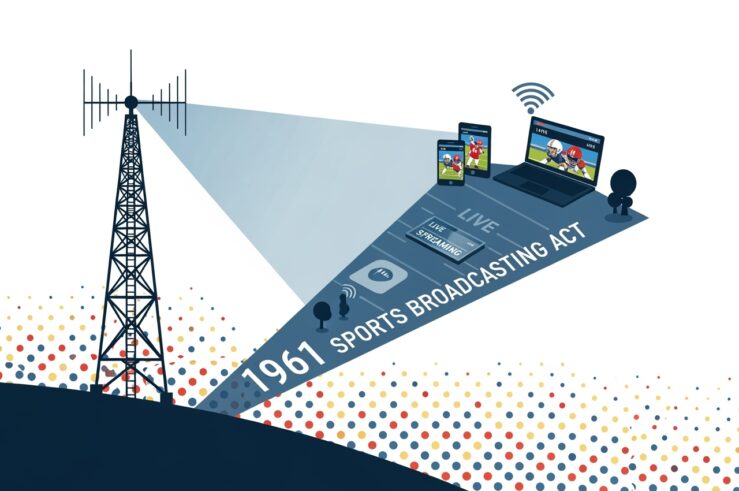
Earlier this month, Federal Communications Commission (FCC) Chairman Brendan Carr asked a pointed question: what happens to local broadcasting if live sports keep migrating to streaming platforms? In a public notice, the FCC seeks comment on sports-broadcasting practices and market developments. The agency focuses on the growing shift of live sports from national broadcast networks ... The 65-Year-Old Law That Still Shapes How You Watch Sports
The FCC Still Thinks You Have Rabbit Ears
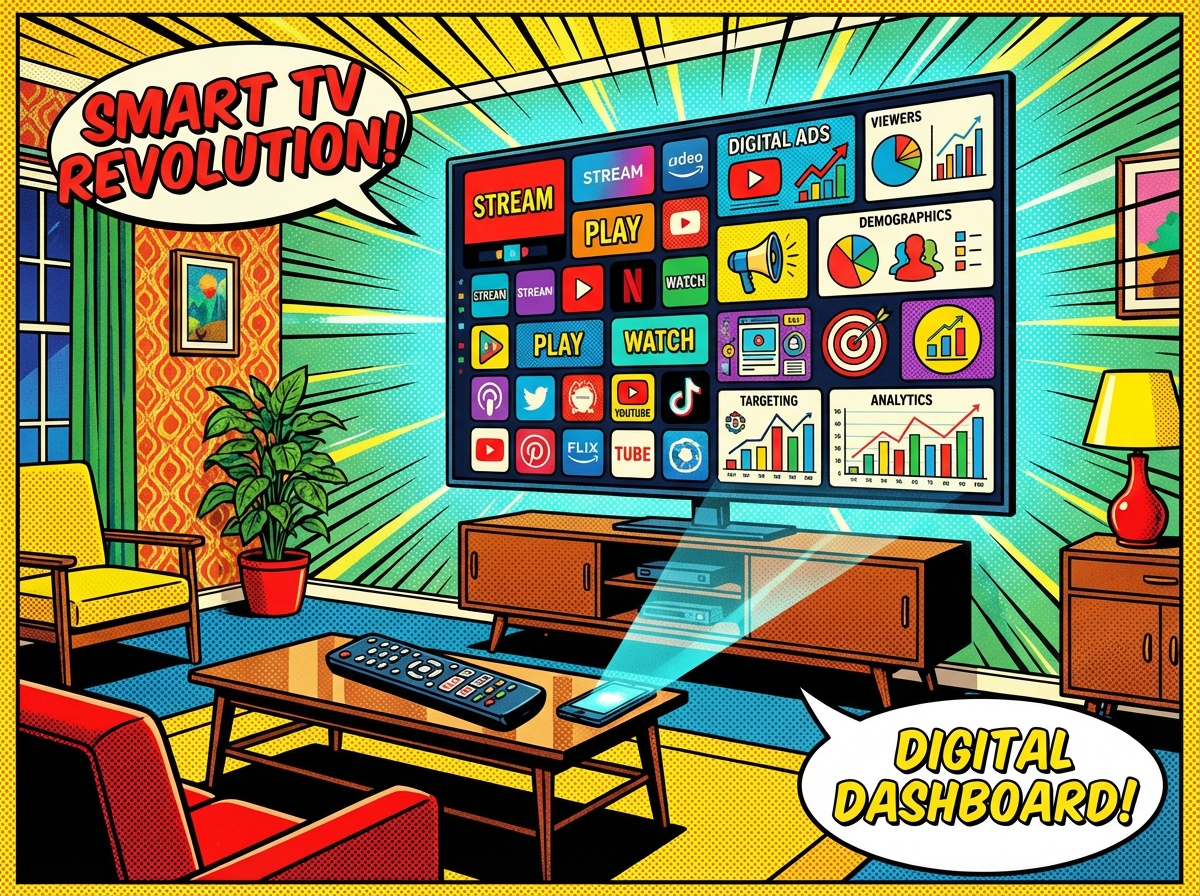
Federal video regulation still treats broadcast, cable, and streaming as separate worlds. Consumers do not. The gap between how the law classifies video services and how people actually watch them is widening, and it increasingly distorts competition across the modern media marketplace. Last week, the International Center for Law and Economics (ICLE) hosted a panel ... The FCC Still Thinks You Have Rabbit Ears

The Platform in Your Living Room
Over the last few decades, antitrust scholars and practitioners have scrutinized the role of platforms—particularly intermediaries—in the internet economy. Many intermediary platforms also compete in the markets they facilitate. That dual role raises familiar concerns about self-preferencing and the risk that a firm may advantage its own products or services. Regulators have focused primarily on ... The Platform in Your Living Room
Netflix, WBD, and the Myth of the Streaming Monopoly
The proposed acquisition of Warner Bros. Discovery (WBD) assets by Netflix is already being cast as a landmark antitrust “test case.” If past deals are any guide, the critiques will follow a familiar script: narrow market definitions, selective data points, and headline-friendly market-share claims designed to trigger alarm. Yet in a video ecosystem defined by ... Netflix, WBD, and the Myth of the Streaming Monopoly

Google Is Not a Pipe
Ohio Attorney General Dave Yost, with support from populists on both the political left and right, contends that Google Search is a common-carrier service under Ohio law and should therefore be restricted from prioritizing its own products and services in its search results. After losing at the lower-court level, Yost now brings his suit against ... Google Is Not a Pipe