Showing archive for: “Litigation & Procedure”
The Missing Subjects on Korea’s Antitrust Report Card
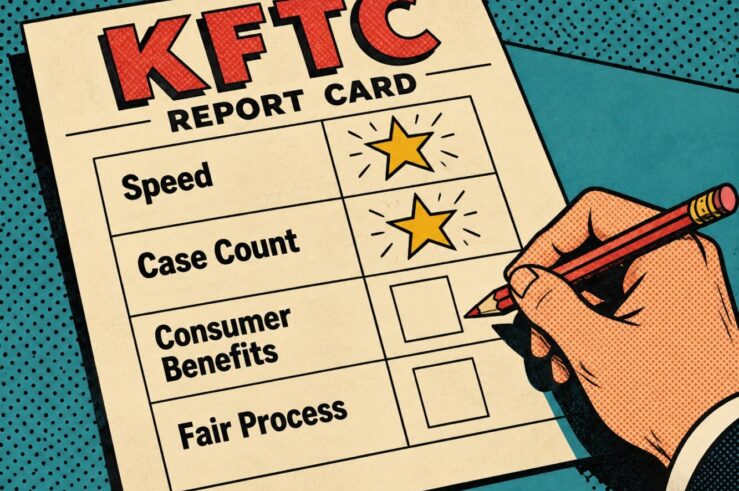
The Korea Fair Trade Commission (KFTC) keeps getting high marks. Consumers are entitled to ask what’s being graded. The agency has earned a “Very Good” assessment in Global Competition Review’s (GCR) annual competition-authority ratings for 13 consecutive years. The latest assessment, based on its 2025 performance, praised its increased cartel decisions, shorter investigations, and merger ... The Missing Subjects on Korea’s Antitrust Report Card
Season’s Litigations: Olivia Rodrigo, the Waitresses, and the Cost of Sounding Familiar
Olivia Rodrigo has released a Christmas song, and listeners have promptly taken up the seasonal task of deciding whether somebody should sue. “Take Me Home (4 Christmas)” recalls the Waitresses’ “Christmas Wrapping,” prompting accusations of plagiarism. Chris Butler, who wrote the older song, has complicated matters by liking the new one. That seems like a ... Season’s Litigations: Olivia Rodrigo, the Waitresses, and the Cost of Sounding Familiar

Antitrust at the Agencies: Pour One Out for Southern Glazer’s
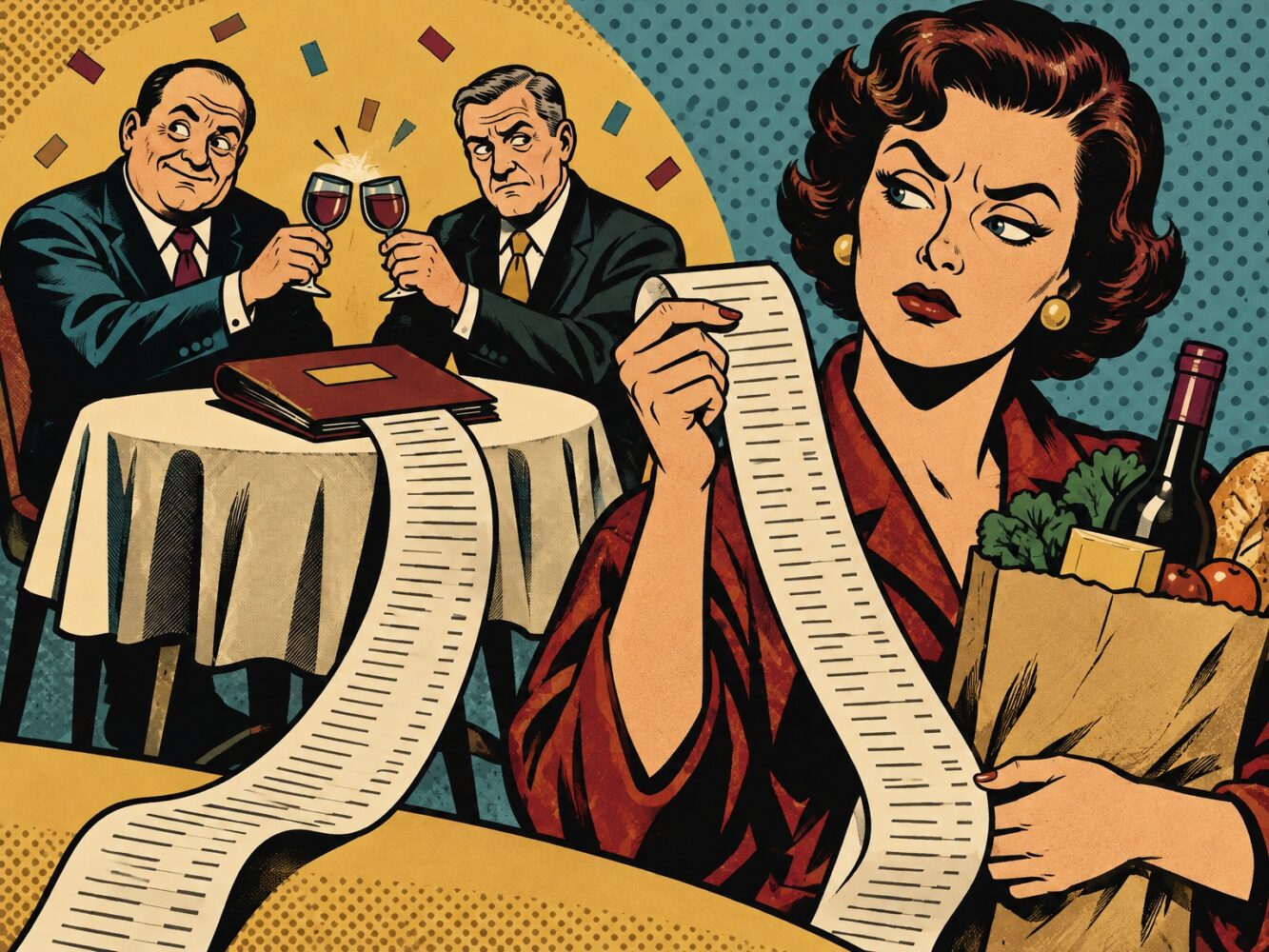
The Federal Trade Commission (FTC) has settled a wine-and-spirits case, and its press release reads like a victory toast. The two commissioners who approved the deal write as if they’d rather send the bottle back. Consumers might want to check the tab. The settlement in Southern Glazer’s Wine and Spirits landed just after I’d put ... Antitrust at the Agencies: Pour One Out for Southern Glazer’s
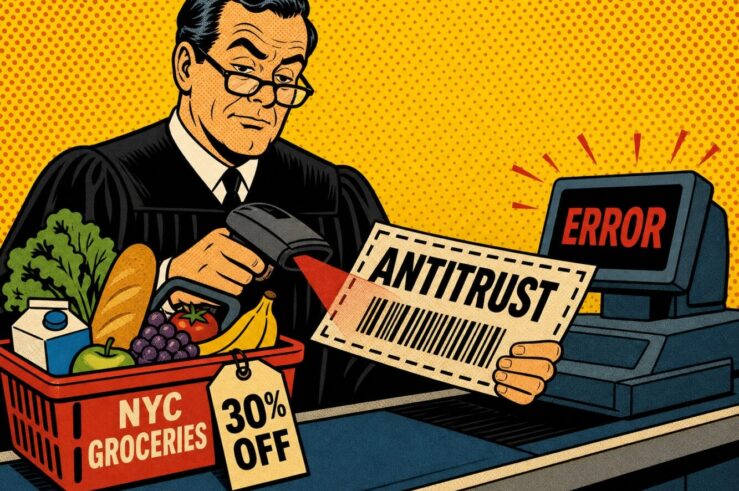
Checkout Error: A Bad Grocery Plan Meets a Weak Antitrust Case
I’ve criticized plenty of private antitrust cases. This may be the first in which the plaintiffs sued to stop a genuinely bad idea—and I still think they should lose. That is the odd posture of the antitrust challenge to Mayor Zohran Mamdani’s plan for subsidized grocery stores in New York City. On Sept. 9, the ... Checkout Error: A Bad Grocery Plan Meets a Weak Antitrust Case
Prime Targets: Amazon, No-Poach Rules, and the Limits of Antitrust
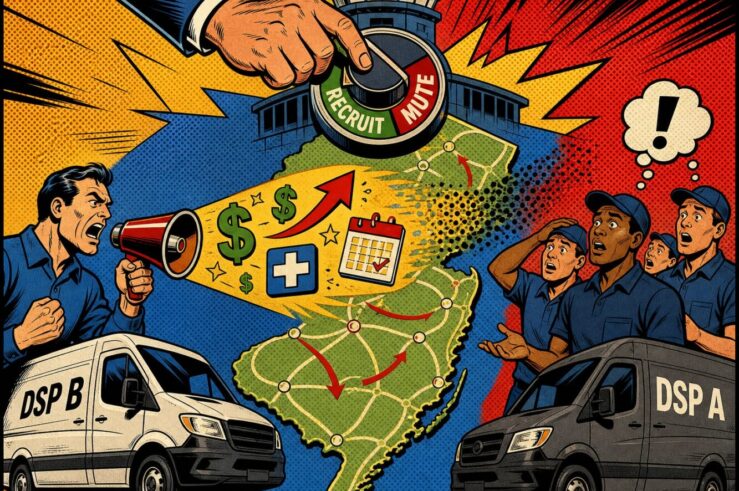
The State of New Jersey’s antitrust case against Amazon begins with a serious allegation: that Amazon restricted drivers from moving among competing delivery contractors. But the state’s complaint goes much farther. It argues that Amazon’s entire Delivery Service Partner (DSP) system unlawfully gives the company monopsony power over both the small businesses that deliver its ... Prime Targets: Amazon, No-Poach Rules, and the Limits of Antitrust
All-Inclusive Antitrust: Europe’s New Route to Merger Prohibition
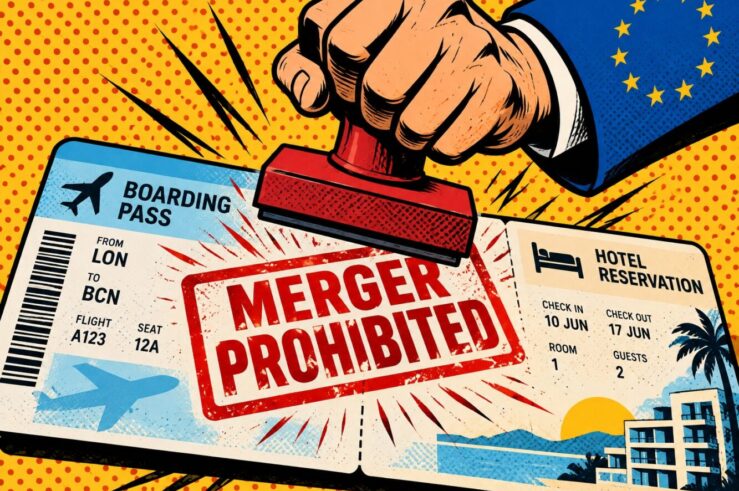
Booking.com wanted to become a one-stop shop for a traveler’s entire journey. European regulators saw a different itinerary: a one-way trip to deeper dominance. In a closely watched Sept. 9 judgment, the European Union’s General Court upheld the European Commission’s 2023 decision blocking Booking’s acquisition of Etraveli. The court agreed that adding Etraveli’s flight-booking business ... All-Inclusive Antitrust: Europe’s New Route to Merger Prohibition
Reserve Judgment: The FTC Takes on Amazon’s Ad Auctions
The price to beat in Amazon’s advertising auctions may not have come from another advertiser at all, according to a lawsuit filed Aug. 31 by the Federal Trade Commission (FTC). In the complaint, the FTC alleges that Amazon quietly set the price itself, promising one pricing rule and using another. That allegation could support a ... Reserve Judgment: The FTC Takes on Amazon’s Ad Auctions

Location, Location, Litigation: The Antitrust Fight Over Private Listings
In the late 1800s, real estate agents gathered at local associations to exchange information about the homes they were trying to sell. The intuitive logic was that the best way to make a sale was to spread the word. The real estate market has evolved considerably since then, but buyers and sellers, typically through their ... Location, Location, Litigation: The Antitrust Fight Over Private Listings

Four Patents and a Time Machine: CareFirst and the Perils of Backdated Antitrust
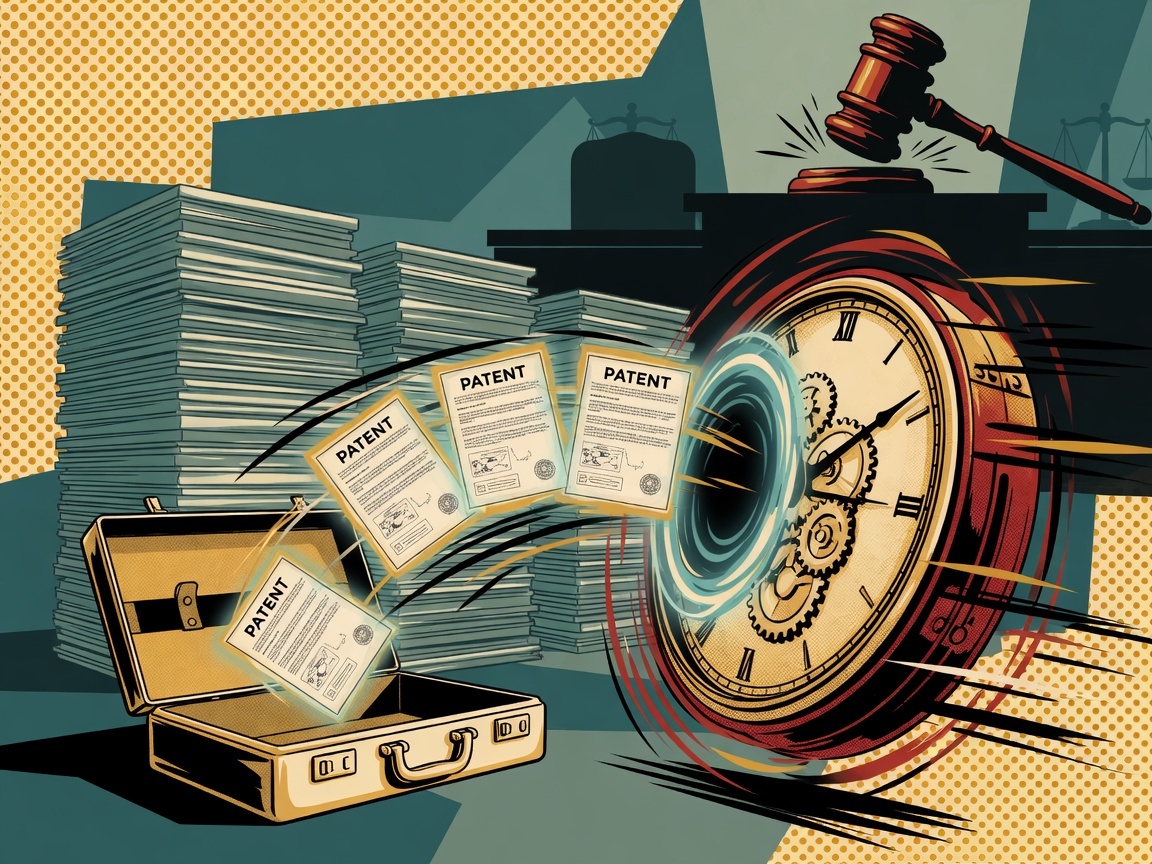
Four patents can carry a lot of antitrust baggage—especially when they come tucked inside a portfolio of more than 500. In CareFirst of Maryland v. Johnson & Johnson, health insurer CareFirst alleges that Johnson & Johnson unlawfully acquired and later asserted four patents to delay competition from biosimilars, highly similar alternatives to biologic drugs, for ... Four Patents and a Time Machine: CareFirst and the Perils of Backdated Antitrust
‘Deliberation as Self-Discovery and Institutions for Political Speech,’ by Catherine Hafer and Dimitri Landa
The We Are What We Read series is, in part, about what defines the field of law & economics. The field’s natural home lies in applications that are, well, economic. Hence its longstanding—and now standard—role in contracts, corporations, antitrust, torts, and other areas. For this selection, I wanted to show how law & economics can ... ‘Deliberation as Self-Discovery and Institutions for Political Speech,’ by Catherine Hafer and Dimitri Landa

Google, the Unruh Act, and the Legal Risk of Knowing Your Audience
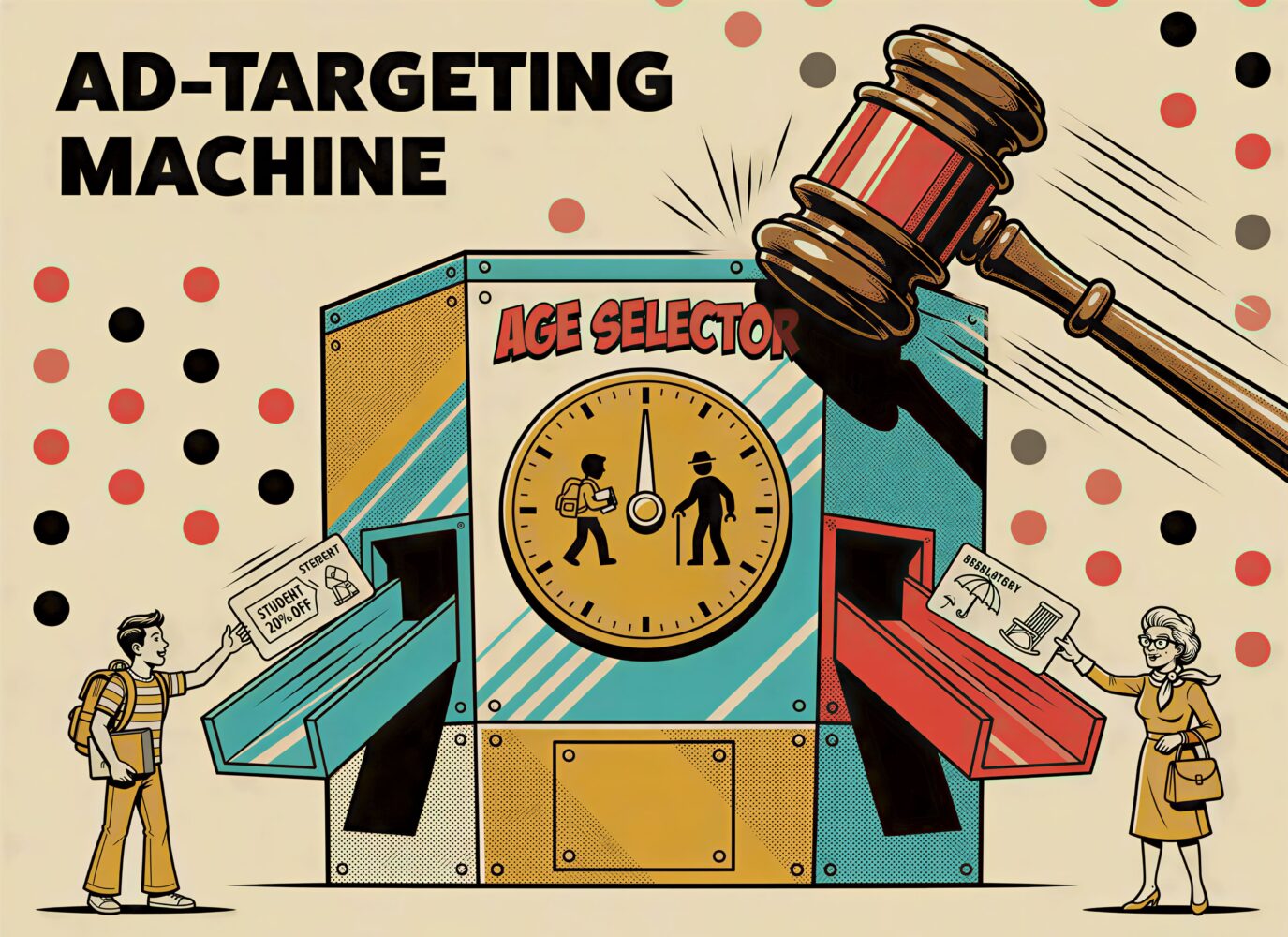
Advertising’s oldest rule is simple: Know your audience. In California, following it may get an online platform sued. Show retirement-home ads to seniors and student discounts to college students, and sensible targeting can suddenly look like unlawful discrimination. That question is now before California’s Sixth Appellate District. The dispute arises from a trial court ruling in ... Google, the Unruh Act, and the Legal Risk of Knowing Your Audience
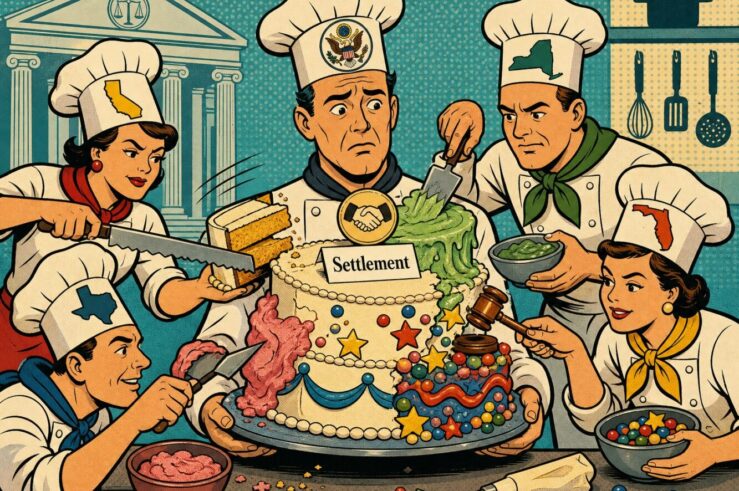
Too Many Cooks Spoil the Settlement
In American antitrust, clearing the federal gate increasingly means arriving at the state turnstiles. State attorneys general play a valuable role when harms are local or federal investigators miss key facts. But serial challenges to nationally integrated conduct turn that safeguard into a standing invitation to relitigate. The result is a system in which no ... Too Many Cooks Spoil the Settlement