Showing archive for: “Microeconomics: Welfare Economics & Collective Decision-Making”
Remembering Richard Posner’s Economy of Explanation
Judge Richard Posner died this week. Few scholars have left such a mark on both law and economics. As Alex Tabarrok put it, he was “the only person ever to deserve a Nobel prize and a seat on the Supreme Court.” Most writing about him will—and should—focus on his contributions to legal scholarship. He was ... Remembering Richard Posner’s Economy of Explanation
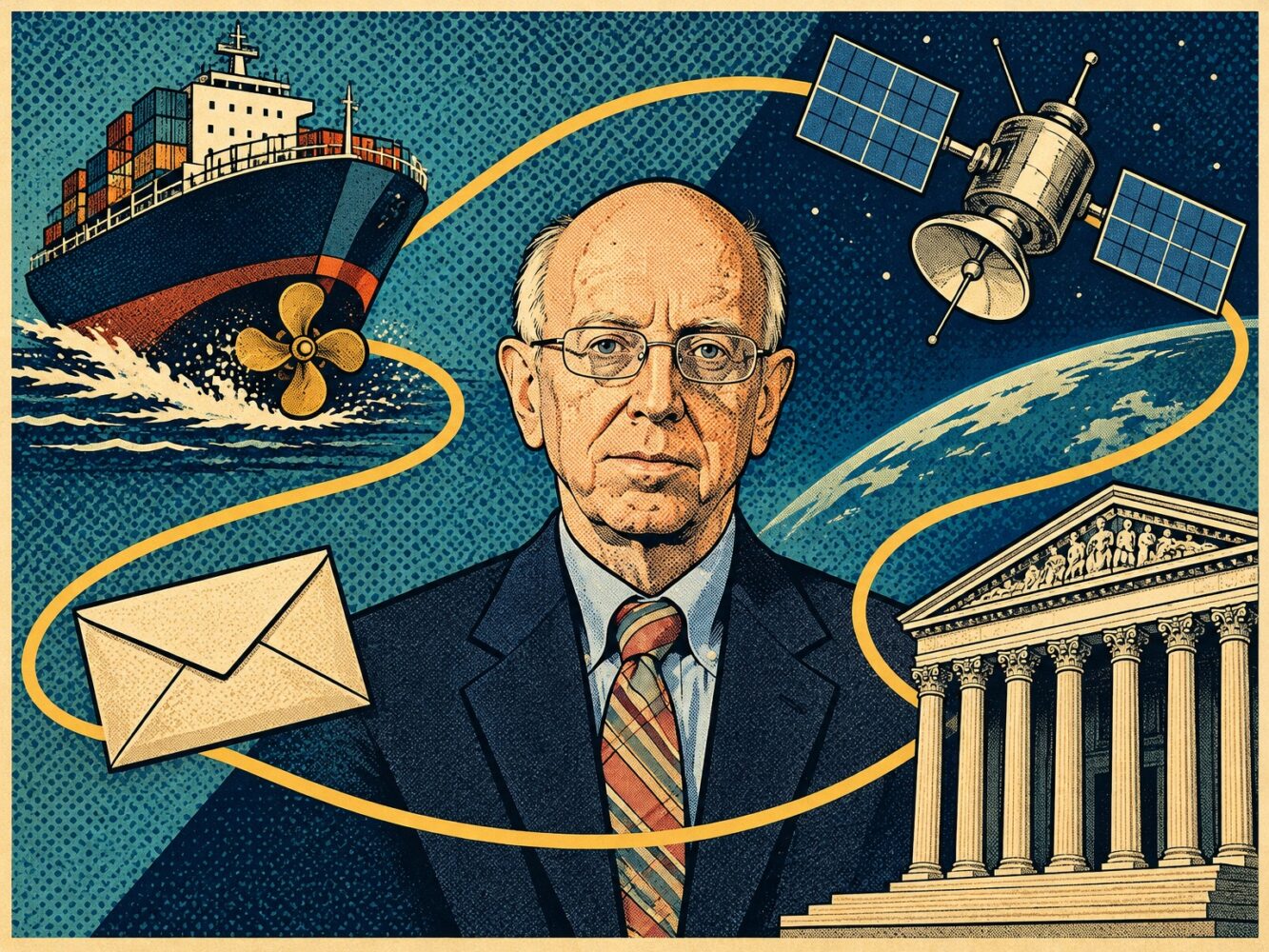
Remembering Dick Posner
My mom once told me about a conversation she’d had with Judge Richard “Dick” Posner’s wife, Charlene. She’d asked whether the Posners were going to an upcoming conference in Tokyo—the sort of meeting it would have made sense for them to attend. This was way before Kindles, and they weren’t going, Charlene explained, because Dick ... Remembering Dick Posner

Fear of Missing Out Meets Fear of Letting Families Decide
“Everyone else’s parents let them” has helped generations of children negotiate later curfews, sleepovers, and trips to the mall. Today, it helps them get social media accounts. The novel twist is treating that familiar parental predicament as grounds for the government to make the decision for everyone. Jonathan Haidt and coauthors argue that families face ... Fear of Missing Out Meets Fear of Letting Families Decide

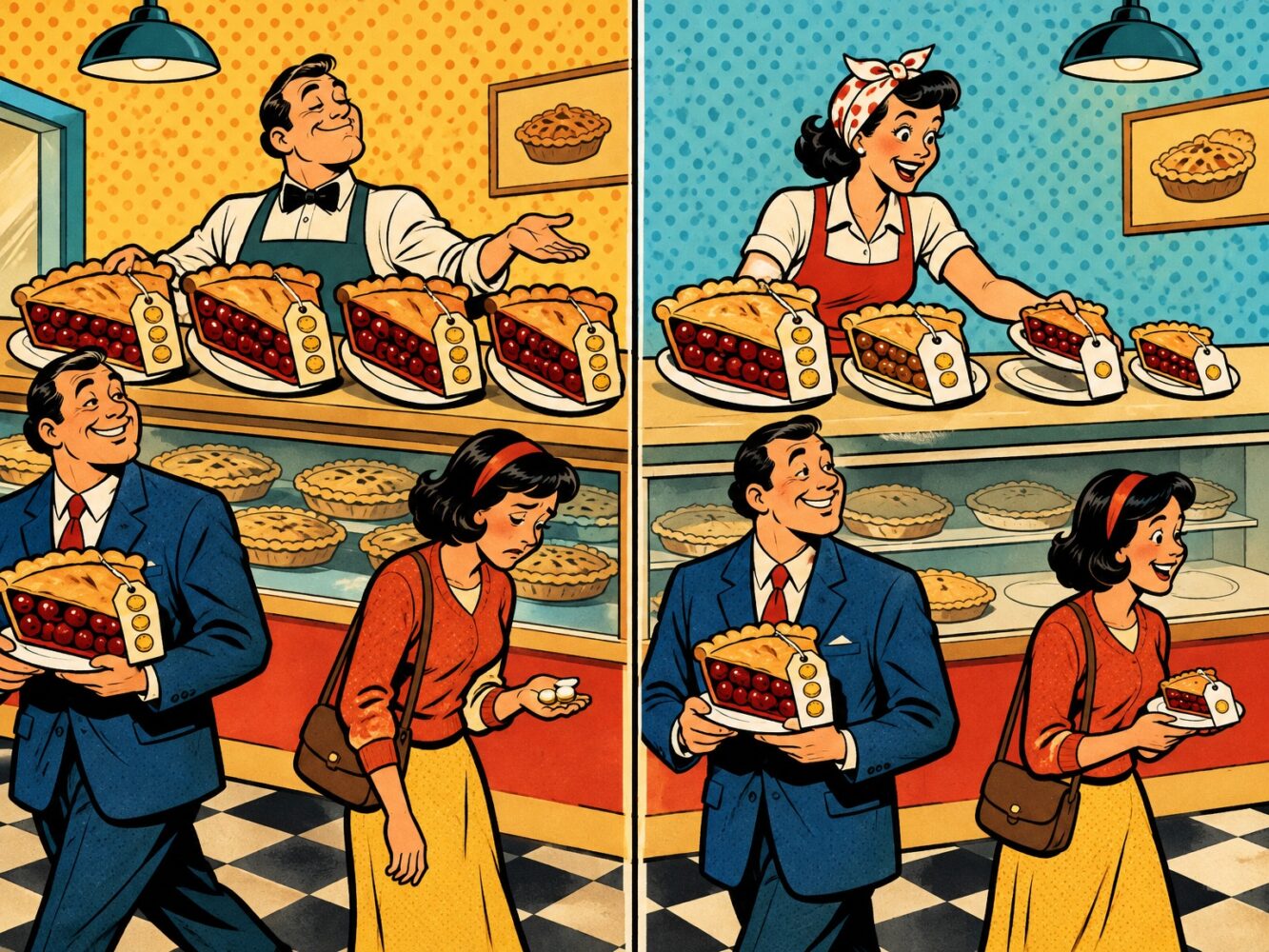
The Price of Playing Fair: How Charging Everyone the Same Can Leave Consumers Worse Off
Imagine you have a business that earns zero economic profit. It exactly covers its costs, including the return needed to attract investors, but nothing more. Is this the end state of competition? Is there anything left for competition to do? Sure. If another company comes along with lower costs, it can drive prices down. That’s ... The Price of Playing Fair: How Charging Everyone the Same Can Leave Consumers Worse Off
‘Contemporary Law and Economics,’ by Adam Chilton, Joshua C. Macey & Mila Versteeg
What does it mean to be a law & economics (L&E) scholar? It can’t require a Ph.D. in economics. Richard Posner doesn’t have one. He didn’t even major in economics as an undergraduate, preferring English—as did his Chicago colleagues Douglas Baird and Diane Wood. It can’t require a law degree, either, or Ronald Coase, William ... ‘Contemporary Law and Economics,’ by Adam Chilton, Joshua C. Macey & Mila Versteeg
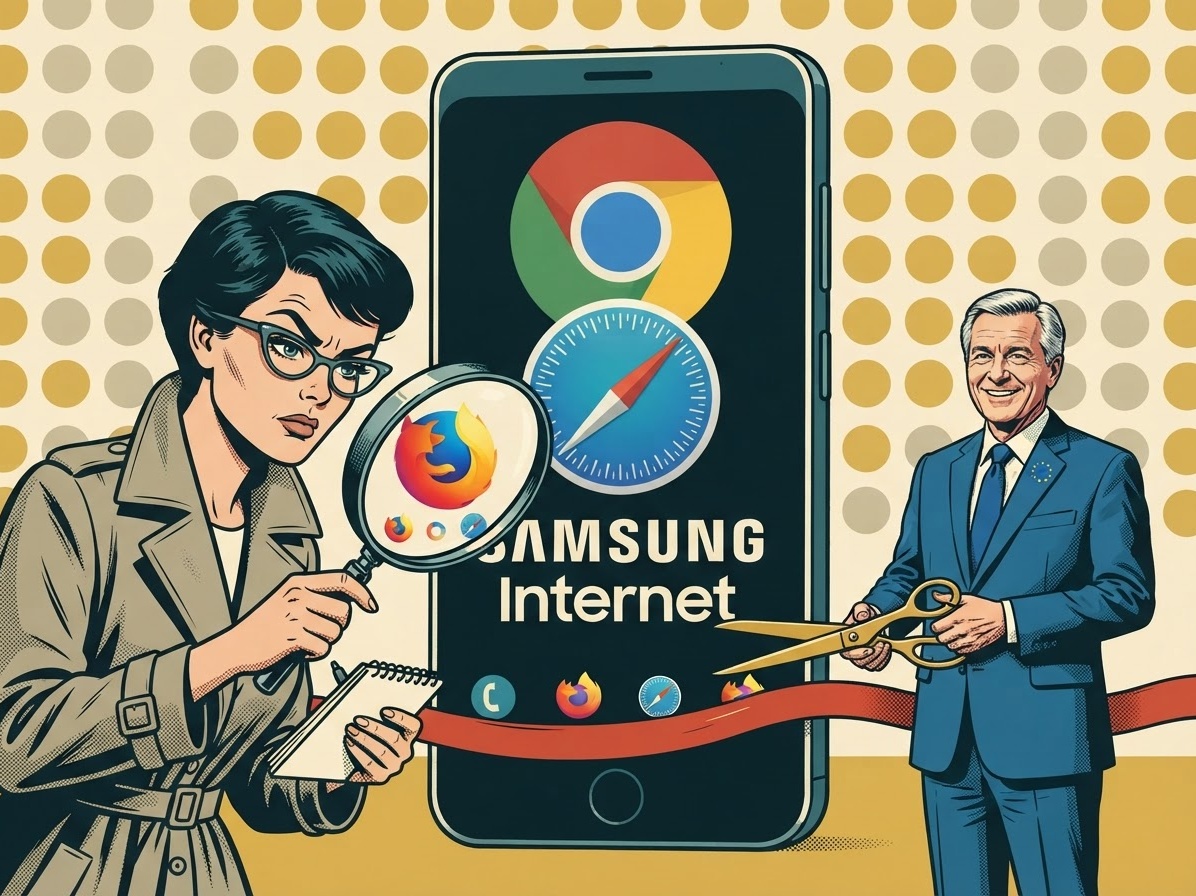
We Measured Europe’s Browser Revolution. Bring a Magnifying Glass.
Europe’s browser revolution appears to have left most browsers exactly where it found them. The European Commission is celebrating a “surge” in alternatives. The browsing data suggest a ripple. In April, the Commission reviewed the Digital Markets Act (DMA) and pronounced it “fit for purpose.” “Alternative browsers and search engines are being increasingly chosen by ... We Measured Europe’s Browser Revolution. Bring a Magnifying Glass.
Licensed to Wait: The High Cost of Spectrum Delay
America’s wireless future is on hold, pending another study. Federal agencies control much of the spectrum needed to build it—and the process for opening those frequencies rewards incumbents for taking their time. Sustaining U.S. leadership in wireless technology requires more spectrum—the radio frequencies that carry wireless signals—for fifth- and sixth-generation mobile networks (5G and 6G), ... Licensed to Wait: The High Cost of Spectrum Delay
The DMA’s Magic Words and Missing Off Switch
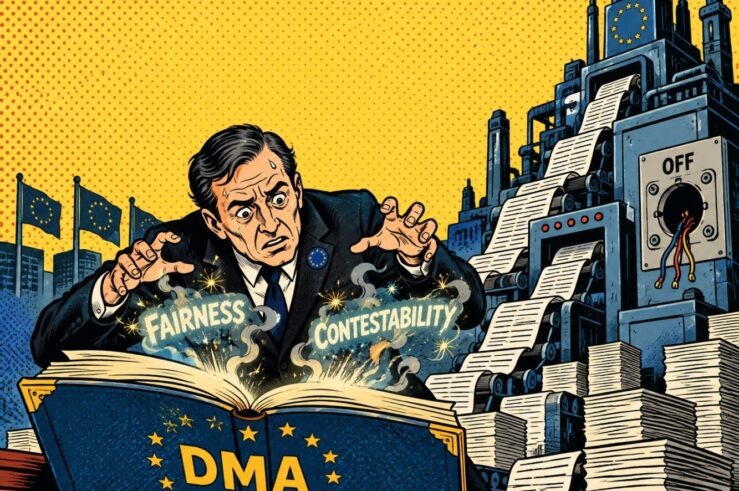
The European Union’s Digital Markets Act (DMA) depends on two terms that lawmakers never defined. “Fairness” and “contestability” determine how the European Commission measures gatekeeper compliance, imposes new obligations, and grades its own performance every three years. The law uses both terms liberally but explains neither. Recital 79 even promises that the Commission will apply ... The DMA’s Magic Words and Missing Off Switch
The Right-Answer Machine: Who Decides What Chatbots Should Say?
The trouble with chatbots is right there in the name: They talk. When that talk contributes to harm, policymakers face a deceptively difficult question. Should they seek rules that amount to policing dangerous conduct, or deciding what the chatbot should have said instead? The question matters because chatbots have quickly become one of the most ... The Right-Answer Machine: Who Decides What Chatbots Should Say?

All-Inclusive Antitrust: Europe’s New Route to Merger Prohibition
Booking.com wanted to become a one-stop shop for a traveler’s entire journey. European regulators saw a different itinerary: a one-way trip to deeper dominance. In a closely watched Sept. 9 judgment, the European Union’s General Court upheld the European Commission’s 2023 decision blocking Booking’s acquisition of Etraveli. The court agreed that adding Etraveli’s flight-booking business ... All-Inclusive Antitrust: Europe’s New Route to Merger Prohibition

Reserve Judgment: The FTC Takes on Amazon’s Ad Auctions
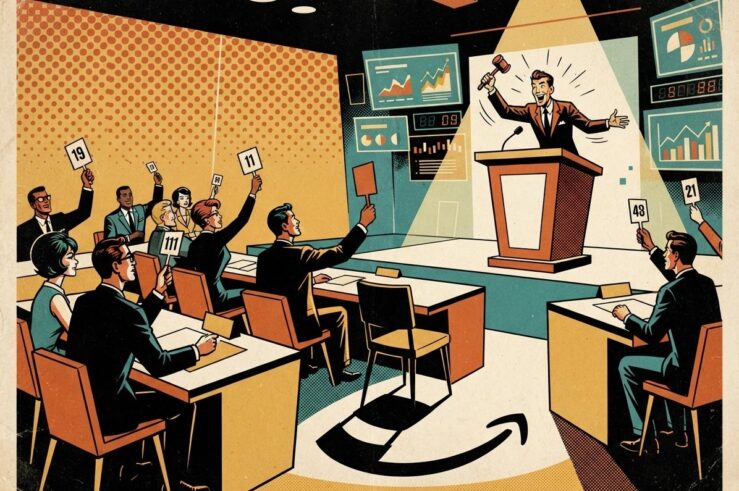
The price to beat in Amazon’s advertising auctions may not have come from another advertiser at all, according to a lawsuit filed Aug. 31 by the Federal Trade Commission (FTC). In the complaint, the FTC alleges that Amazon quietly set the price itself, promising one pricing rule and using another. That allegation could support a ... Reserve Judgment: The FTC Takes on Amazon’s Ad Auctions
Competing Too Well: Europe’s New Guide to Dominance
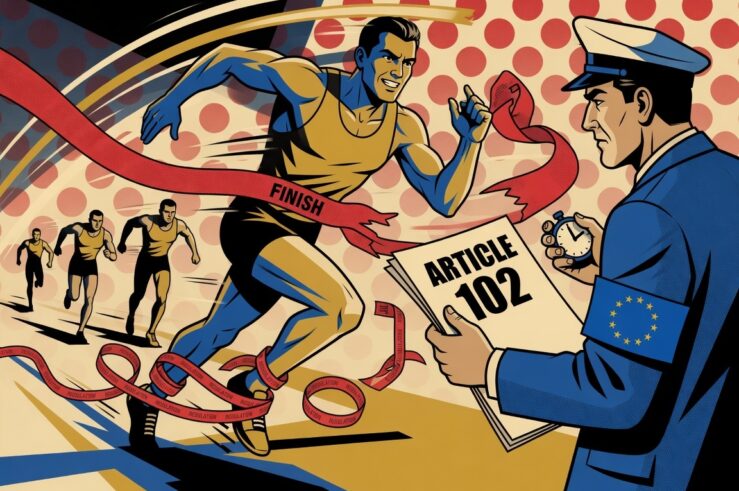
Brussels has finally given Article 102 an instruction manual. Issued Sept. 3, the European Commission’s first comprehensive Guidelines on exclusionary abuses of dominance under the Treaty on the Functioning of the European Union (TFEU) replace a legal scavenger hunt with a single framework. The catch is that the manual still gives the Commission considerable room ... Competing Too Well: Europe’s New Guide to Dominance