Showing archive for: “Advertising & Marketing Law”
Fraud, Platforms, and the Art of Getting Ahead of Yourself
The Federal Trade Commission (FTC) wants to stop impersonation scams. Fair enough. But calling a new regulatory venture an “update” doesn’t make it one, and spotting a real problem doesn’t tell you which rules—if any—will solve it. A little more homework would help. On Sept. 24, the FTC announced an advance notice of proposed rulemaking ... Fraud, Platforms, and the Art of Getting Ahead of Yourself

Reserve Judgment: The FTC Takes on Amazon’s Ad Auctions
The price to beat in Amazon’s advertising auctions may not have come from another advertiser at all, according to a lawsuit filed Aug. 31 by the Federal Trade Commission (FTC). In the complaint, the FTC alleges that Amazon quietly set the price itself, promising one pricing rule and using another. That allegation could support a ... Reserve Judgment: The FTC Takes on Amazon’s Ad Auctions

Fine Print for Every Price: The FTC’s One-Size-Fits-All Guidance
My first post at Truth on the Market—where I called myself a “Refugee from the FTC”—briefly discussed an advance notice of proposed rulemaking (ANPR) published in the Federal Register by the Federal Trade Commission (FTC) under Chair Lina Khan. This one bore the expansive title “Trade Regulation Rule on Commercial Surveillance and Data Security.” I ... Fine Print for Every Price: The FTC’s One-Size-Fits-All Guidance

Google, the Unruh Act, and the Legal Risk of Knowing Your Audience
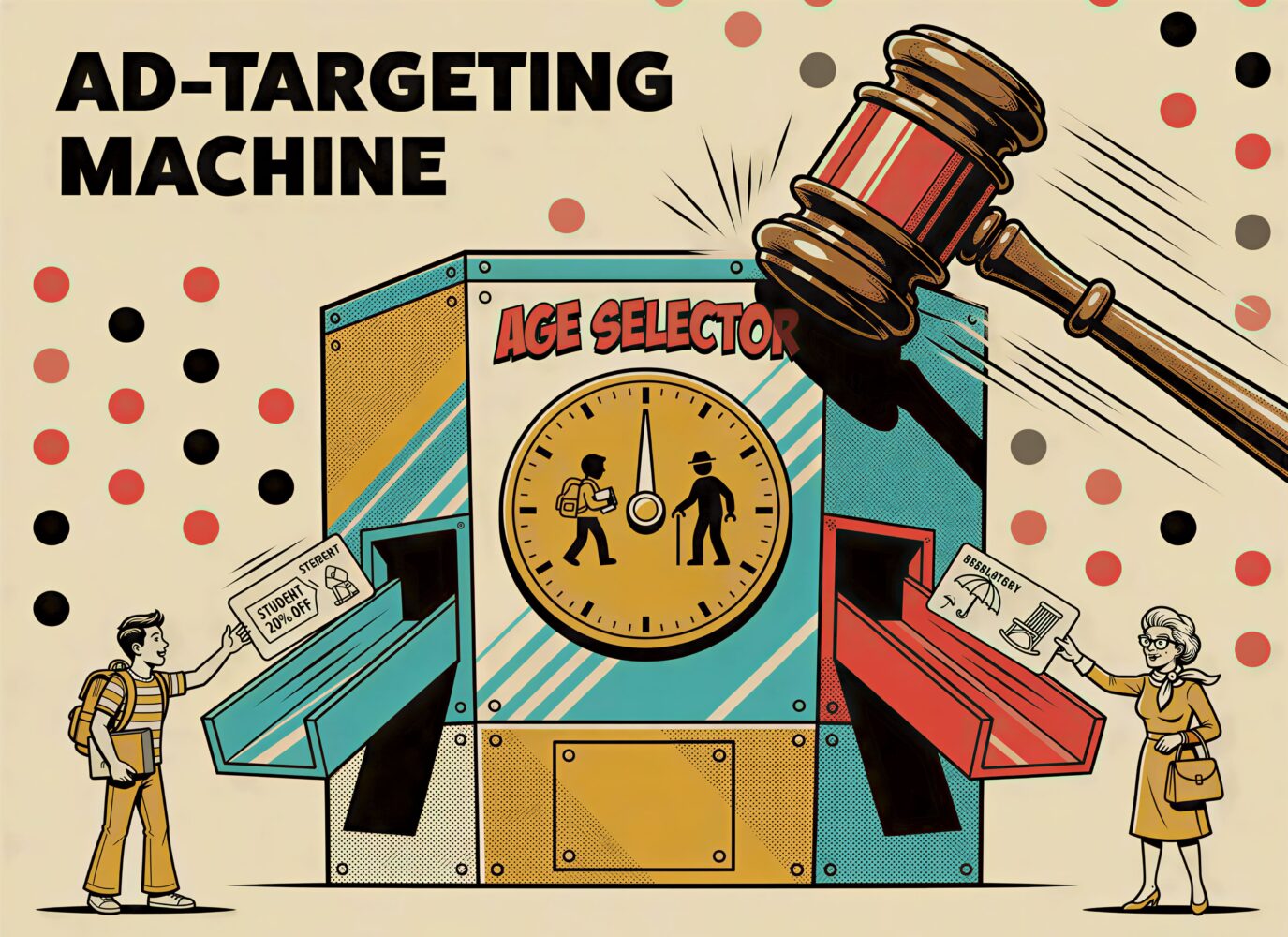
Advertising’s oldest rule is simple: Know your audience. In California, following it may get an online platform sued. Show retirement-home ads to seniors and student discounts to college students, and sensible targeting can suddenly look like unlawful discrimination. That question is now before California’s Sixth Appellate District. The dispute arises from a trial court ruling in ... Google, the Unruh Act, and the Legal Risk of Knowing Your Audience
The FTC’s AI Accuracy Statement Needs a Fact Check
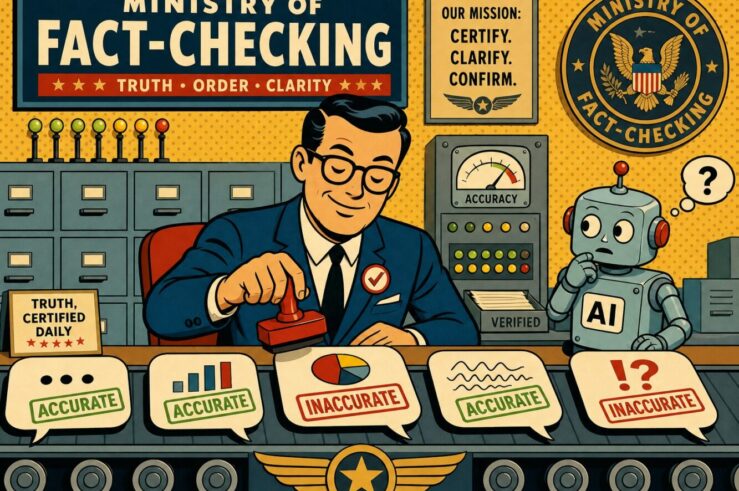
A policy statement about accuracy should, at minimum, be precise. The Federal Trade Commission’s (FTC) Proposed Policy Statement Concerning the Suppression of Accuracy in Artificial Intelligence Systems (AI Policy Statement) struggles with that assignment. The International Center for Law & Economics (ICLE) submitted comments in response to the FTC’s request for input, and this post ... The FTC’s AI Accuracy Statement Needs a Fact Check
The Blind Spot Is the Point: Meta’s Incognito Chat and the Future of Private AI
Meta’s Incognito Chat is interesting not because it promises privacy, but because it makes privacy expensive. It limits what Meta can know, what Meta can monetize, and what Meta can hand over later. That is what makes the announcement worth taking seriously. Meta has launched Incognito Chat with Meta AI, a way to talk to ... The Blind Spot Is the Point: Meta’s Incognito Chat and the Future of Private AI

Turning Down the Thinking: A Law & Economics Trilogue on AI Throttling
Three section leads at the International Center for Law & Economics (ICLE) read the same viral GitHub post and reached three different conclusions. Call it a trilogue—three views, one problem, and a technology that refuses to sit still. The GitHub issue filed last week against Anthropic’s Claude Code product carried a blunt title: “Claude Code ... Turning Down the Thinking: A Law & Economics Trilogue on AI Throttling

Speech, Section 5, and Some Curious Scribbling: A First Amendment Story
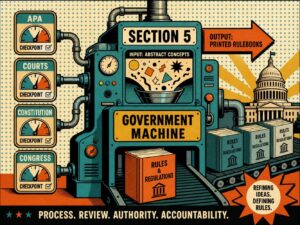
The line between regulating conduct and regulating speech can be thin—and sometimes, suspiciously convenient. Last week, my International Center for Law & Economics (ICLE) colleagues Ben Sperry and Jeff Westling published a post here at Truth on the Market titled “The FCC’s Sleeping Power over the Press.” It’s not about antitrust, but it’s well worth ... Speech, Section 5, and Some Curious Scribbling: A First Amendment Story

When a Blue Checkmark Becomes a €120 Million Problem
The European Commission’s first major enforcement action under the Digital Services Act (DSA) offers an early glimpse of how the European Union intends to regulate large digital platforms—and how far that approach may diverge from the U.S. model. The DSA is an EU regulation governing how online intermediary services operate, including social-media platforms, online marketplaces, ... When a Blue Checkmark Becomes a €120 Million Problem

POPA and the Fight Over the Permission-Slip Internet
The fight over how to protect children online under the First Amendment has intensified in the opening weeks of the year. Two product-liability trials recently began asking whether social-media services such as Instagram and YouTube qualify as unsafe products for minors because of allegedly defective design features. At the same time, federal and state lawmakers ... POPA and the Fight Over the Permission-Slip Internet

FTC’s Three-Pronged Zillow/Redfin Complaint Contends Semantics Don’t Erase Collusion
The details laid out in a recent complaint filed by the Federal Trade Commission (FTC) against internet listing services (ILS) Zillow and Redfin may conjure a sense of déjà vu for antitrust watchers: a nine-figure payment, a rival’s quiet retreat, and a contract that calls itself a “partnership” while disclaiming the name. Strip away the ... FTC’s Three-Pronged Zillow/Redfin Complaint Contends Semantics Don’t Erase Collusion

The EU’s Google Adtech Decision: Structural Remedies by Stealth?
The European Commission’s €2.95 billion decision against Google arrives amid heightened EU-U.S. trade tensions, the Trump administration’s recent criticism of EU tech regulations, internal disagreements within the Commission, and heated commentary on both sides of the Atlantic. But beyond geopolitics, the decision also raises important legal and policy questions. In particular, the Commission’s apparent request ... The EU’s Google Adtech Decision: Structural Remedies by Stealth?