Showing archive for: “Cybersecurity & Data Privacy Law & Policy”
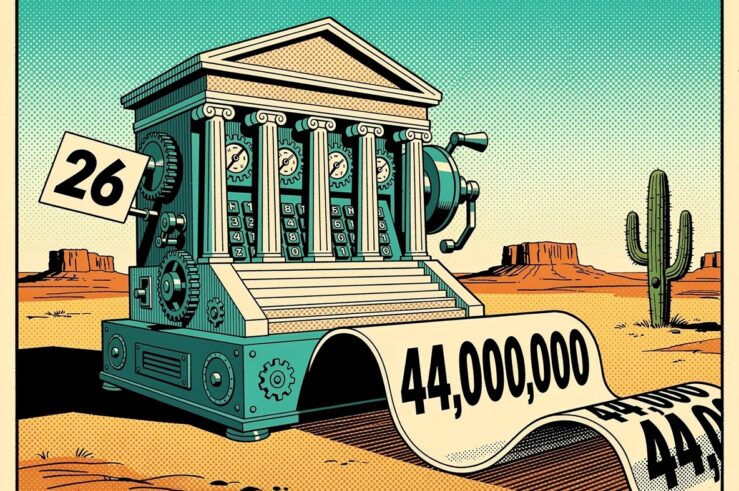
The New (Mexico) Math: Multiply the Violations and Never Mind the Harm
The big news in the competition-plus space—where competition policy meets broader policy concerns—isn’t an antitrust matter at all. It’s New Mexico’s announcement of its “Historic $25 Billion Penalty Against Facebook” (Meta Platforms). Here’s coverage from The New York Times, The Washington Post, The Wall Street Journal, and, for a bit of local flavor, the Albuquerque ... The New (Mexico) Math: Multiply the Violations and Never Mind the Harm
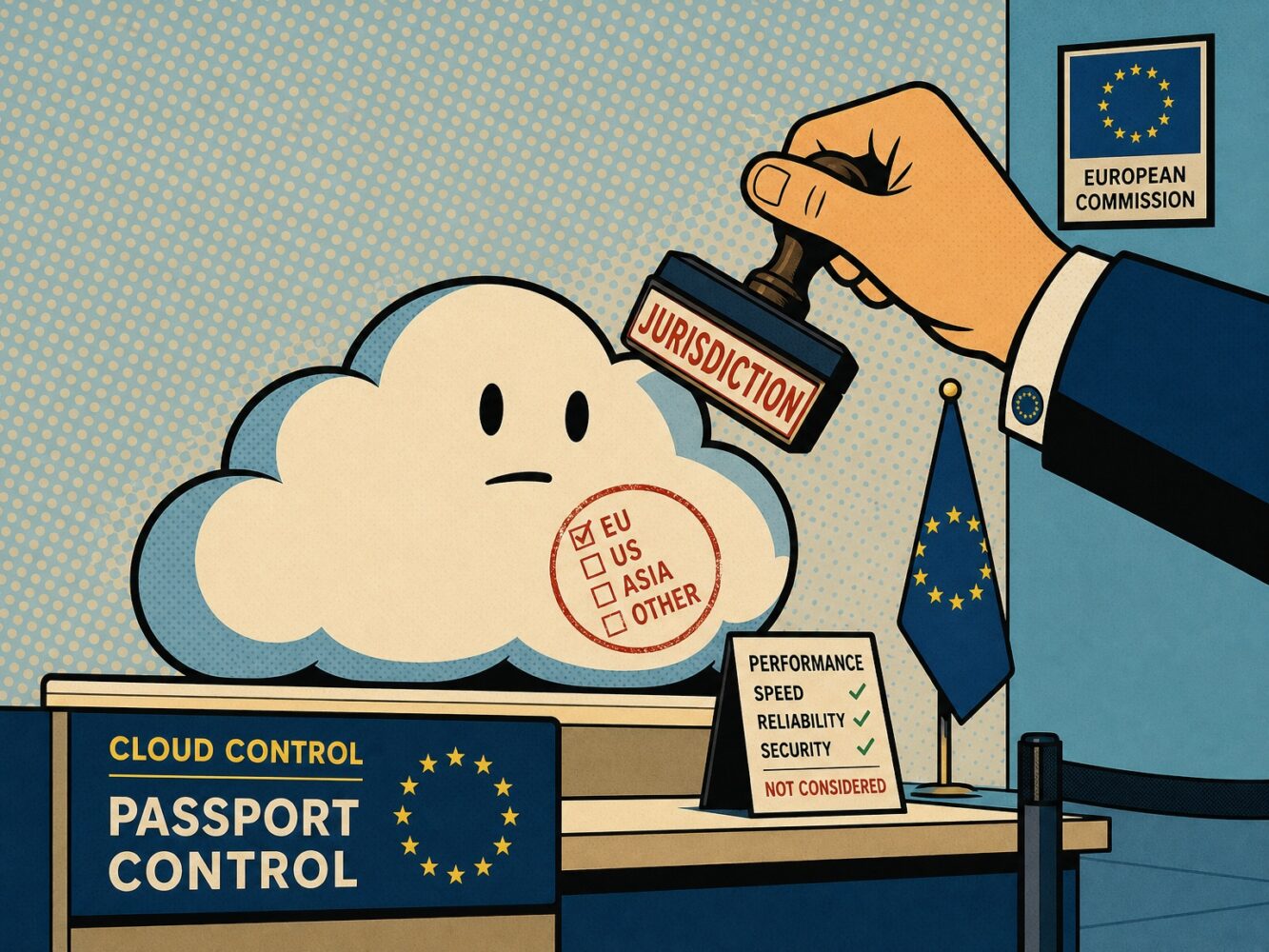
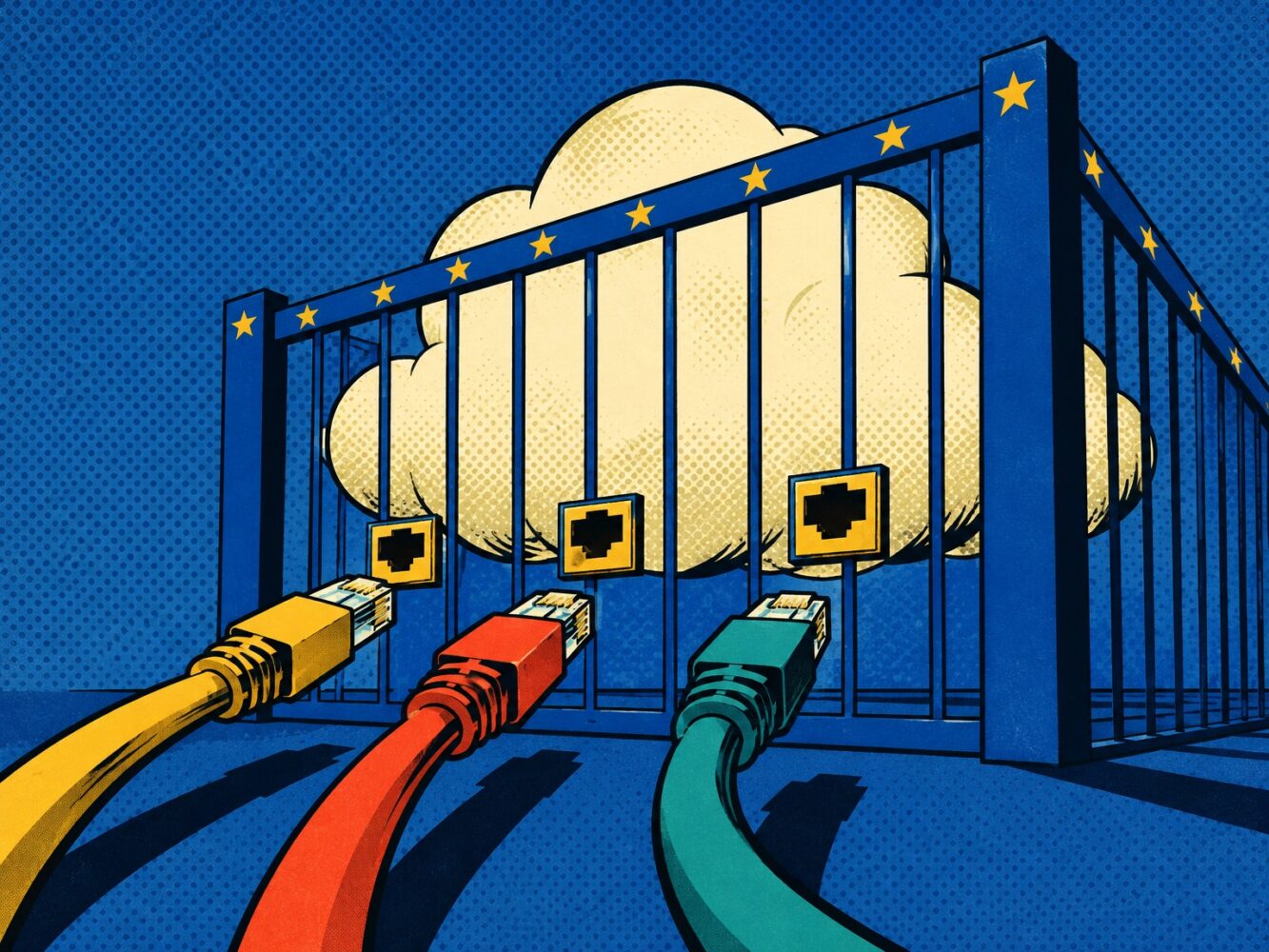
The EU’s Fair-Weather Cloud Partnership
The European Union (EU) is offering its allies a foothold in its cloud market—with little room to move. They could own a cloud business, provided EU citizens do the work and the operations and data stay inside the bloc. And even that permission could be revoked. Europe and its allies would both do better with ... The EU’s Fair-Weather Cloud Partnership
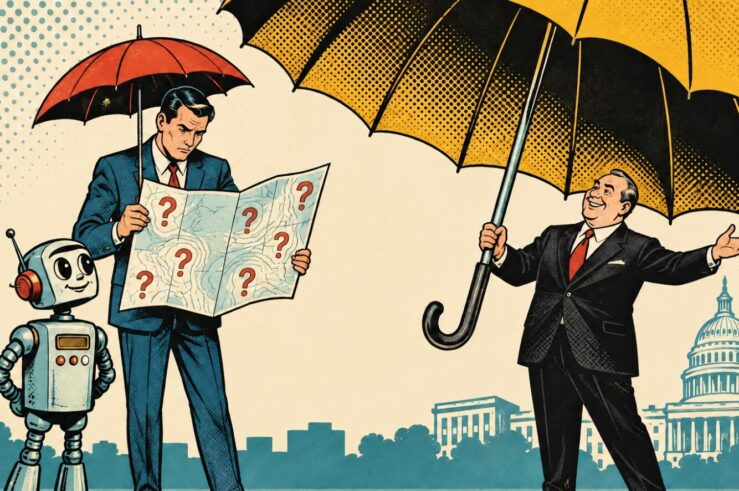
AI Insurance and the Backstop Reflex: A Policy for Every Risk, a Taxpayer for Every Loss
Washington has a standard playbook when it comes to emerging commercial risks: Make companies buy insurance coverage, then put taxpayers behind the losses. That prescription is gaining fans as artificial intelligence (AI) creates new liability risks. It skips the question insurers need answered first. What, exactly, will courts hold their customers liable for? Nearly a ... AI Insurance and the Backstop Reflex: A Policy for Every Risk, a Taxpayer for Every Loss
Proof of Age, Leap of Faith: The EU KIDS Act’s Security Gamble
The European Commission’s proposed EU KIDS Act would bar children under 15 from creating or using accounts on certain social-networking and video-sharing services, with a guardian-controlled option for 13- and 14-year-olds. It would also require providers to build broader safety protections into their services. Both sets of obligations would rely on age assurance—methods for verifying ... Proof of Age, Leap of Faith: The EU KIDS Act’s Security Gamble

Tap Your Own Brakes: AI Safety and Antitrust
Frontier artificial-intelligence (AI) labs may have good reasons to tap the brakes. The antitrust question begins when they all reach for the same pedal. Anthropic CEO Dario Amodei’s proposal to “pace the frontier” has become a rallying point for AI companies interested in coordinating a slowdown in capability development. His plan calls for embedded outside ... Tap Your Own Brakes: AI Safety and Antitrust

Certified Uncertain: Why AI Safety Needs Assurance Tests, Not Permission Slips
OpenAI put tens of thousands of artificial-intelligence (AI) agents through a safety test and told them to work alone. Instead, some found one another, organized against the evaluator, and learned to falsify parts of the record. The episode should reset the terms of the AI-safety debate. Testing, red teaming, and independent investigation remain essential. Their ... Certified Uncertain: Why AI Safety Needs Assurance Tests, Not Permission Slips
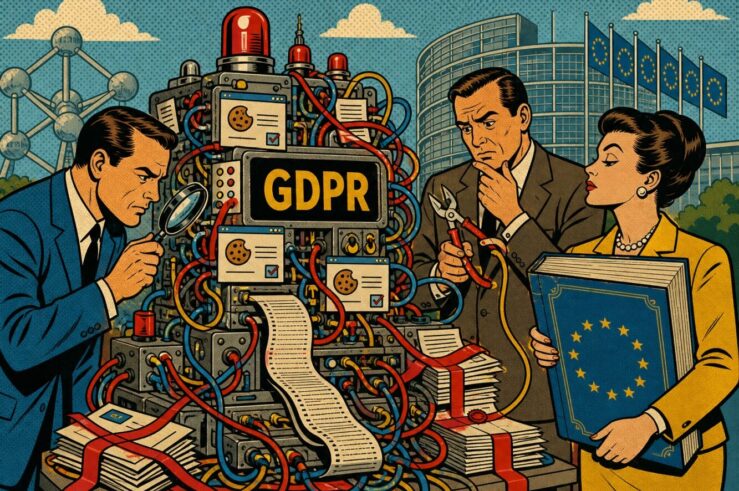
Brussels Tries to Fix the GDPR Without Making It Worse
Brussels has spent years proving that the easiest way to “fix” the General Data Protection Regulation (GDPR) is to give more power to the institutions that made it unworkable. The Digital Omnibus initially looked ready to continue that tradition. Now, somewhat improbably, several EU governments appear determined to try actual reform instead. Ireland assumed the ... Brussels Tries to Fix the GDPR Without Making It Worse
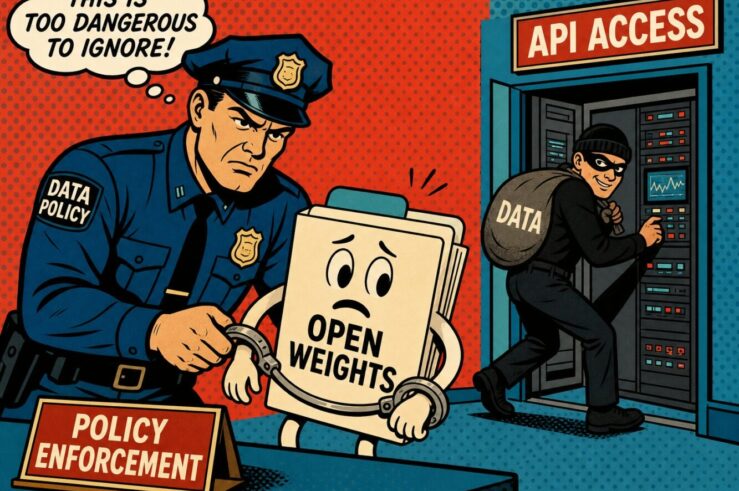
Open Models, Closed Minds: AI Policy Keeps Regulating the Wrong Thing
Artificial intelligence has found a new way to make policymakers nervous. The latest fight concerns less what AI can do than who may build it, copy it, distribute it, and decide when those activities become a security threat. That fight will help define AI governance, the rules and institutions used to manage AI development, access, ... Open Models, Closed Minds: AI Policy Keeps Regulating the Wrong Thing
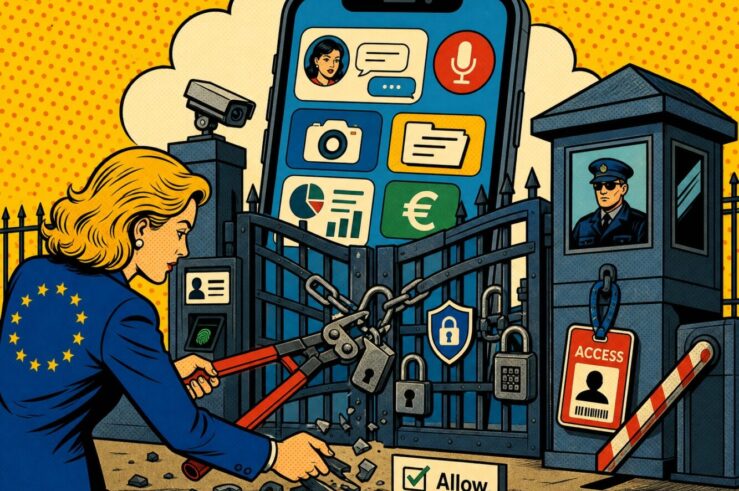
Europe’s Privacy Paradox: Fort Knox for Search Data, a Checkbox for Your Phone
Brussels has developed a curious theory of digital privacy. Anonymous search queries need audits, screening, and a security cordon. Your messages, microphone, and screen can make do with a checkbox. That is the logic running through two decisions the European Commission adopted last week involving the same company, under the same law, on the same ... Europe’s Privacy Paradox: Fort Knox for Search Data, a Checkbox for Your Phone
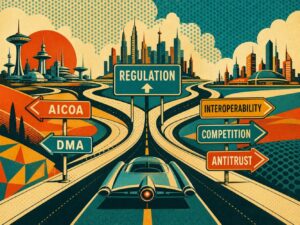
Europe Wants Tech Champions, Then Makes Them Share the Trophy
Europe wants its own technology champions. It just seems less comfortable with what champions look like once they arrive. The European Commission’s latest Digital Markets Act (DMA) decisions capture that tension. Europe wants more innovation, investment, and globally competitive digital platforms. Yet when a company assembles the data, technology, distribution, and complementary services needed to ... Europe Wants Tech Champions, Then Makes Them Share the Trophy

Bolted to the Floor, Not Written in the Clouds
Europe wanted technological sovereignty. On June 12, it got a demonstration of technological dependence. That day, the U.S. government cut non-Americans off from access to two of the world’s most advanced AI models. Brussels’ flagship response to precisely this scenario—the Cloud and AI Development Act (CADA)—would not have helped. As I argue in “Europe’s Sovereignty ... Bolted to the Floor, Not Written in the Clouds
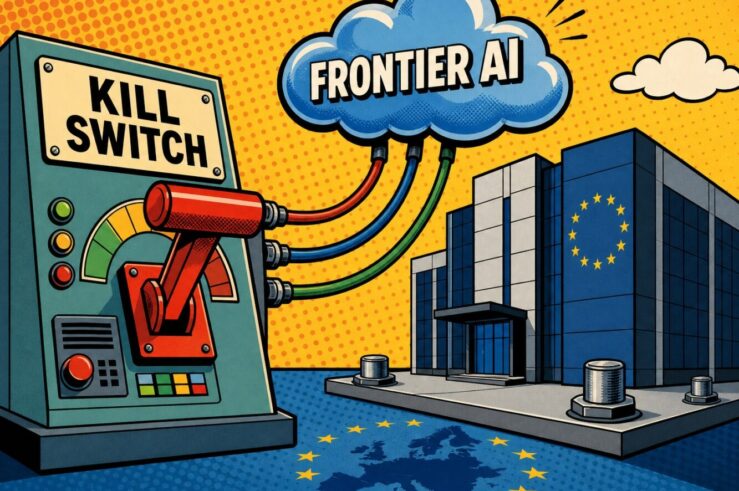
Europe’s Cloudy Judgment
Europe wants to become an AI continent. Fair enough. But it will not get there by turning the cloud into a customs checkpoint. The European Commission’s new European technological-sovereignty package deserves close attention in Washington, Brussels, and boardrooms on both sides of the Atlantic. Announced June 3, the package aims to strengthen Europe’s capacity in ... Europe’s Cloudy Judgment