Showing archive for: “Judicial Remedies”
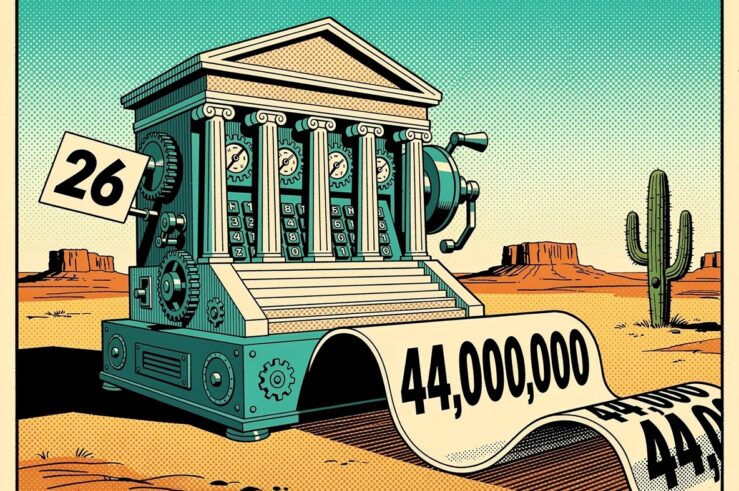
The New (Mexico) Math: Multiply the Violations and Never Mind the Harm
The big news in the competition-plus space—where competition policy meets broader policy concerns—isn’t an antitrust matter at all. It’s New Mexico’s announcement of its “Historic $25 Billion Penalty Against Facebook” (Meta Platforms). Here’s coverage from The New York Times, The Washington Post, The Wall Street Journal, and, for a bit of local flavor, the Albuquerque ... The New (Mexico) Math: Multiply the Violations and Never Mind the Harm
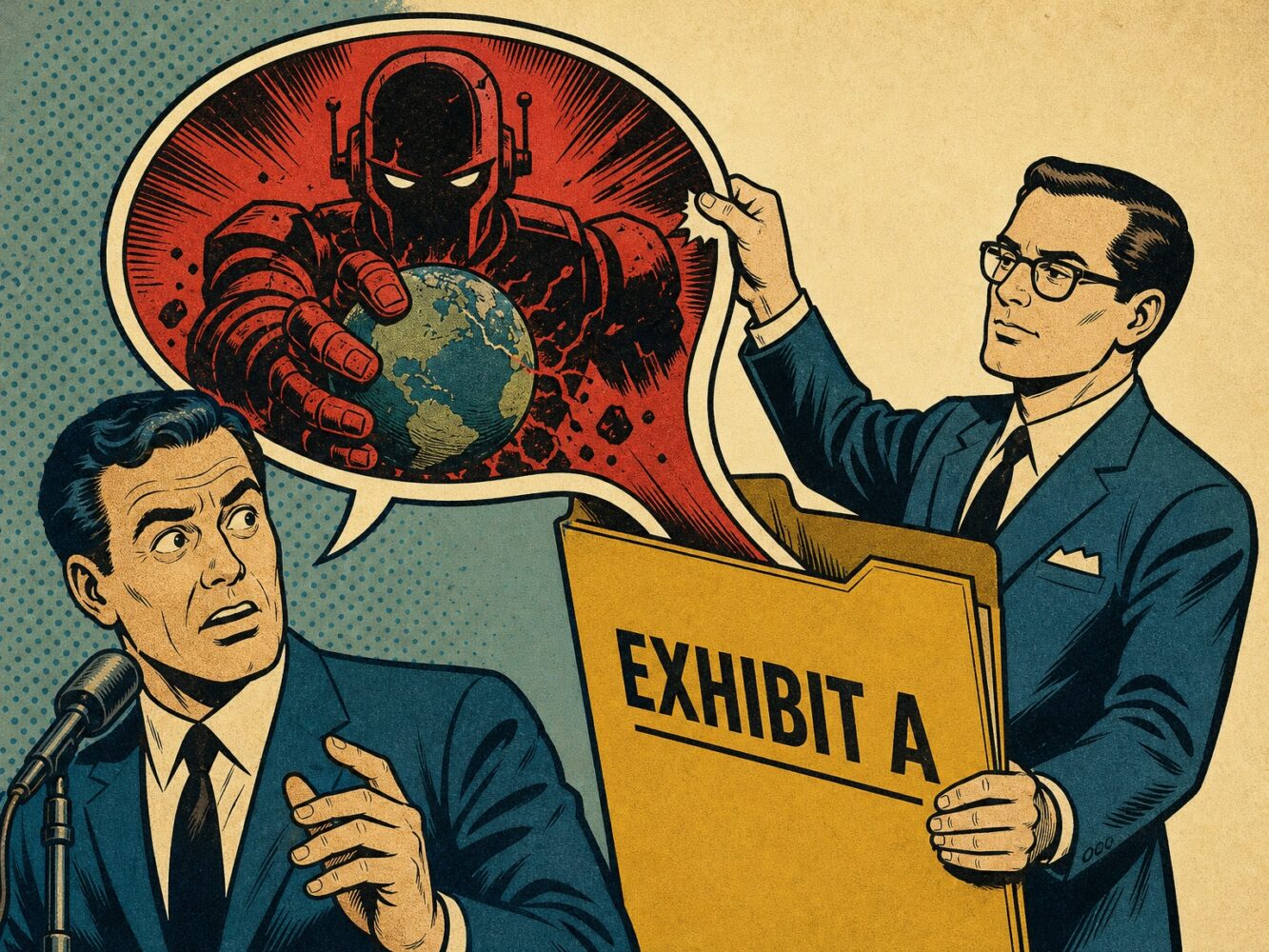
Doom, Meet Duty: AI’s Warnings Come With Legal Baggage
Predicting the end of humanity is one way to get a headline. For artificial intelligence (AI) developers, it may also be one way to hand a future plaintiff evidence. Developers have become some of the loudest voices warning about their own systems. Predictions that AI could drive humanity to extinction—once widely dismissed as absurd—now make ... Doom, Meet Duty: AI’s Warnings Come With Legal Baggage
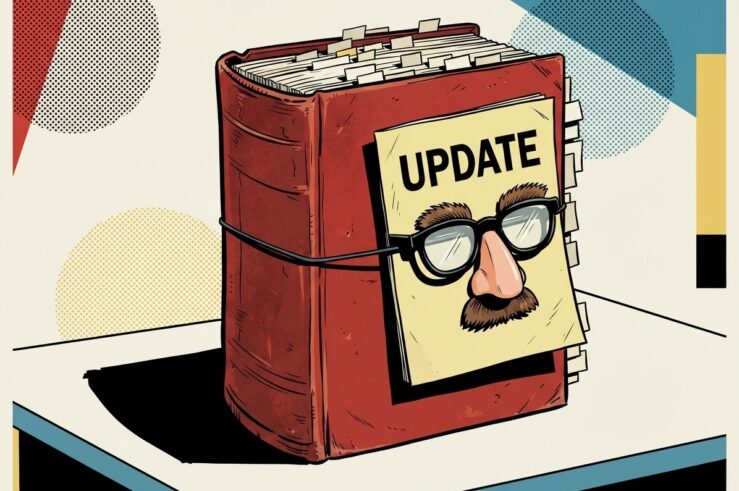
Fraud, Platforms, and the Art of Getting Ahead of Yourself
The Federal Trade Commission (FTC) wants to stop impersonation scams. Fair enough. But calling a new regulatory venture an “update” doesn’t make it one, and spotting a real problem doesn’t tell you which rules—if any—will solve it. A little more homework would help. On Sept. 24, the FTC announced an advance notice of proposed rulemaking ... Fraud, Platforms, and the Art of Getting Ahead of Yourself
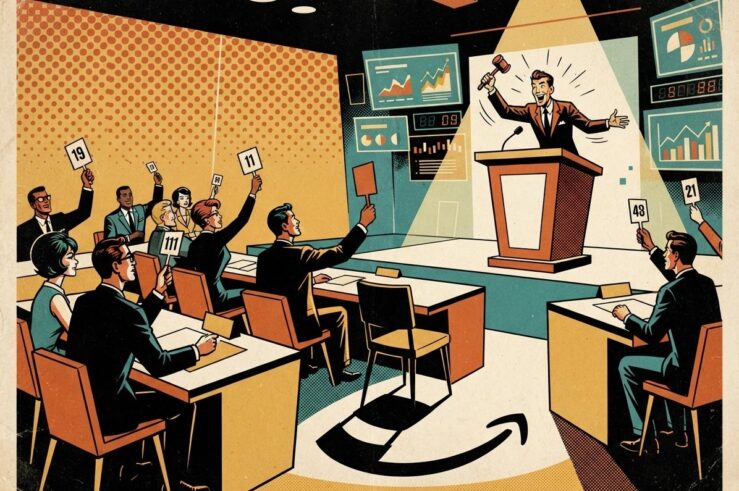
Reserve Judgment: The FTC Takes on Amazon’s Ad Auctions
The price to beat in Amazon’s advertising auctions may not have come from another advertiser at all, according to a lawsuit filed Aug. 31 by the Federal Trade Commission (FTC). In the complaint, the FTC alleges that Amazon quietly set the price itself, promising one pricing rule and using another. That allegation could support a ... Reserve Judgment: The FTC Takes on Amazon’s Ad Auctions
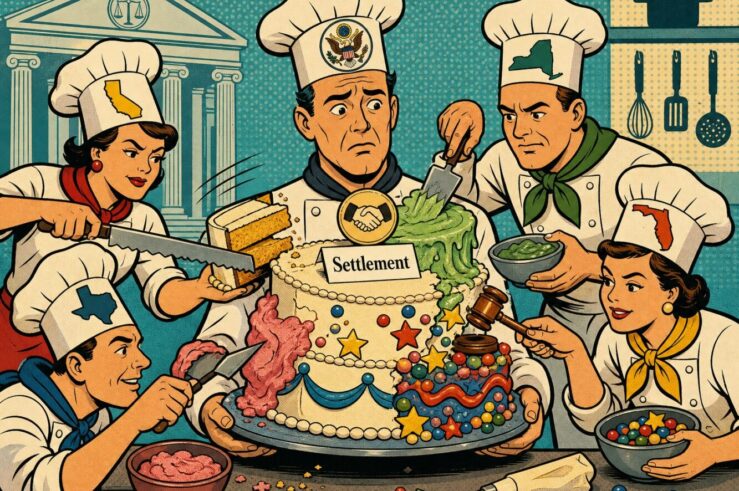
Too Many Cooks Spoil the Settlement
In American antitrust, clearing the federal gate increasingly means arriving at the state turnstiles. State attorneys general play a valuable role when harms are local or federal investigators miss key facts. But serial challenges to nationally integrated conduct turn that safeguard into a standing invitation to relitigate. The result is a system in which no ... Too Many Cooks Spoil the Settlement
The Price of Peace in the Swipe-Fee Wars
After 21 years, two failed settlements, and enough economic testimony to qualify as its own industry, the great interchange-fee war may finally be nearing a cease-fire. The terms are imperfect, and the case never had much economic merit. Even so, the proposed settlement may offer the best available escape from a dispute whose legislative sequels ... The Price of Peace in the Swipe-Fee Wars

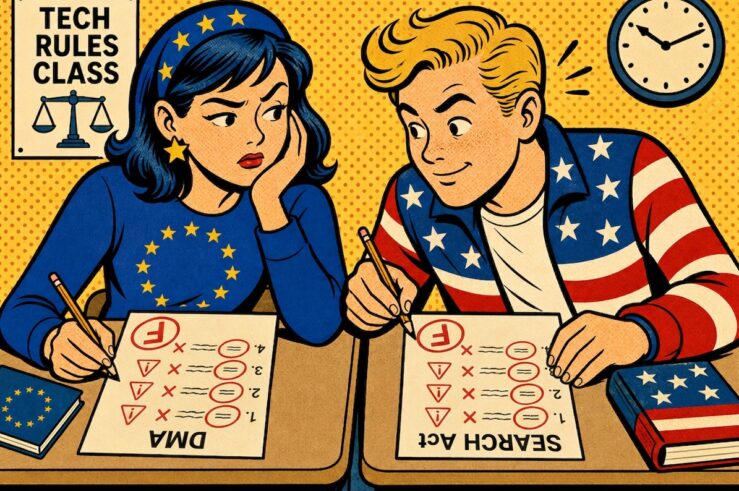
The SEARCH Act Copies Europe’s Homework—and Its Mistakes
Some in Congress want to make online search more competitive by deciding in advance how search competition should work. Sens. Amy Klobuchar (D-Minn.) and Eric Schmitt (R-Mo.) introduced the Securing Enforcement of Americans’ Right to Competition at Home (SEARCH) Act earlier this month. Billed as a bipartisan effort to protect consumers and curb Big Tech’s ... The SEARCH Act Copies Europe’s Homework—and Its Mistakes
AICOA Rises from the Grave, Still Looking for a Theory of Harm
AICOA is back from the dead, and this time it has learned a few new tricks—mostly how to lower liability thresholds, raise defense burdens, and keep treating “Big Tech” as if capitalization were a theory of harm. The American Innovation and Choice Online Act has failed twice before. Its latest incarnation is not so much ... AICOA Rises from the Grave, Still Looking for a Theory of Harm

Act First, Learn Later: AI Antitrust and the Error Costs of Regulation at Machine Speed
Competition enforcers appear to have discovered their own version of artificial intelligence: act first, learn later. In the span of a week, agencies across four continents moved to reshape how AI products are built, distributed, and integrated—mostly before anyone has shown, in a final appealable decision, that the challenged conduct harms competition. Last week, a ... Act First, Learn Later: AI Antitrust and the Error Costs of Regulation at Machine Speed

Government by Raised Eyebrow: The JAWBONE Act and the Problem of Censorship by Proxy
The easiest way for the government to censor speech is not always to ban it. Sometimes, it is to find someone else with a hand on the switch. That is the problem at the center of the current debate over free speech in the digital age. For years, the public argument focused on whether private ... Government by Raised Eyebrow: The JAWBONE Act and the Problem of Censorship by Proxy

Paramount’s Mission: Impossible Antitrust Case
Hollywood loves a sequel, and the antitrust fight over Paramount Skydance’s proposed $110 billion acquisition of Warner Bros. Discovery (WBD) is becoming one. First came the familiar streaming-monopoly scare. Now comes the more personal version: the writers, drivers, and actors who make the movies fear that a combined studio will need far fewer of them—and ... Paramount’s Mission: Impossible Antitrust Case

The FTC’s Sunk-Cost Social Network
The first rule of holes is supposed to be: stop digging. The sunk-cost fallacy is realized when we keep digging anyway—and then call it resolve. We—people—often have a hard time letting a bad thing go. That’s true even for those who are well acquainted with the sunk-cost fallacy and should know better. I’ve been there. ... The FTC’s Sunk-Cost Social Network