Showing archive for: “IO: Productivity Innovation & Technology”
Altman’s Memory Problem: The Importance of Being Idle
Your laptop’s memory has a job even when it isn’t working: being ready when you are. Sam Altman, CEO of OpenAI, the company behind ChatGPT, seems concerned about its work ethic. Altman made the case during an Oct. 29 appearance on Cheeky Pint, the podcast hosted by Stripe co-founder John Collison. They were discussing why ... Altman’s Memory Problem: The Importance of Being Idle

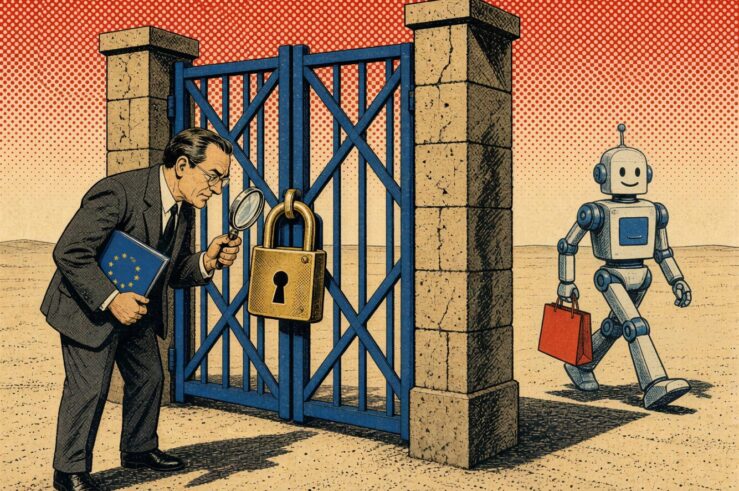
AI Is Picking the Locks on Europe’s Gatekeeper Rules
Big Tech is spending a fortune to secure a future that competition regulators seem to think it already owns. Investors aren’t so sure. They’re losing patience with the industry’s artificial intelligence (AI) bill—and questioning what all that spending will buy. Alphabet shares sank more than 12% last Thursday—the company’s worst trading day on record—after both ... AI Is Picking the Locks on Europe’s Gatekeeper Rules
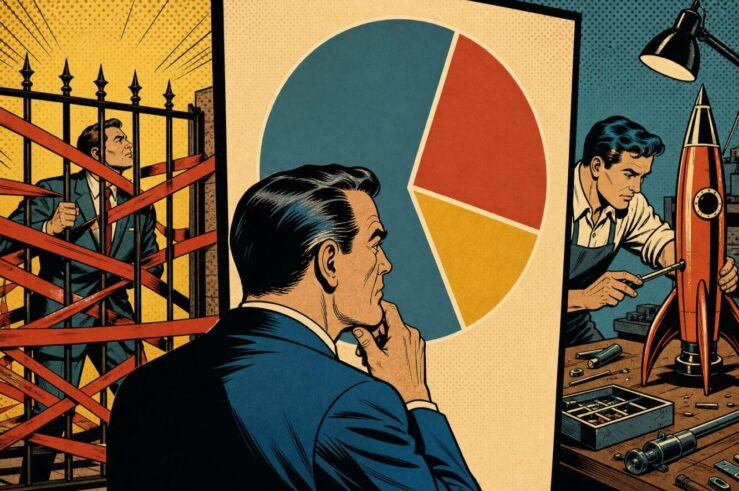
The Rivals Antitrust Can’t See
The next serious competitor may be waiting for a license, or working on a product nobody has seen yet. Neither shows up in today’s market-share figures. And much of the current antitrust debate ignores both of those figures completely, even as it ponders how aggressively the government should reshape markets. By contrast, a dynamic approach ... The Rivals Antitrust Can’t See
Competing Too Well: Europe’s New Guide to Dominance
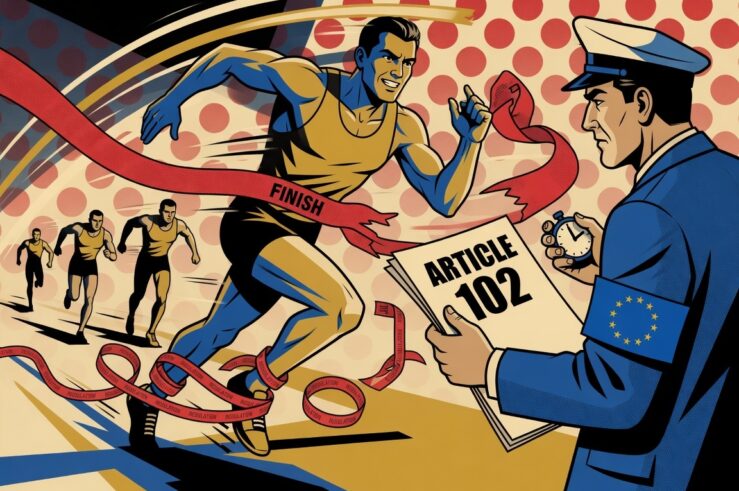
Brussels has finally given Article 102 an instruction manual. Issued Sept. 3, the European Commission’s first comprehensive Guidelines on exclusionary abuses of dominance under the Treaty on the Functioning of the European Union (TFEU) replace a legal scavenger hunt with a single framework. The catch is that the manual still gives the Commission considerable room ... Competing Too Well: Europe’s New Guide to Dominance
Four Patents and a Time Machine: CareFirst and the Perils of Backdated Antitrust
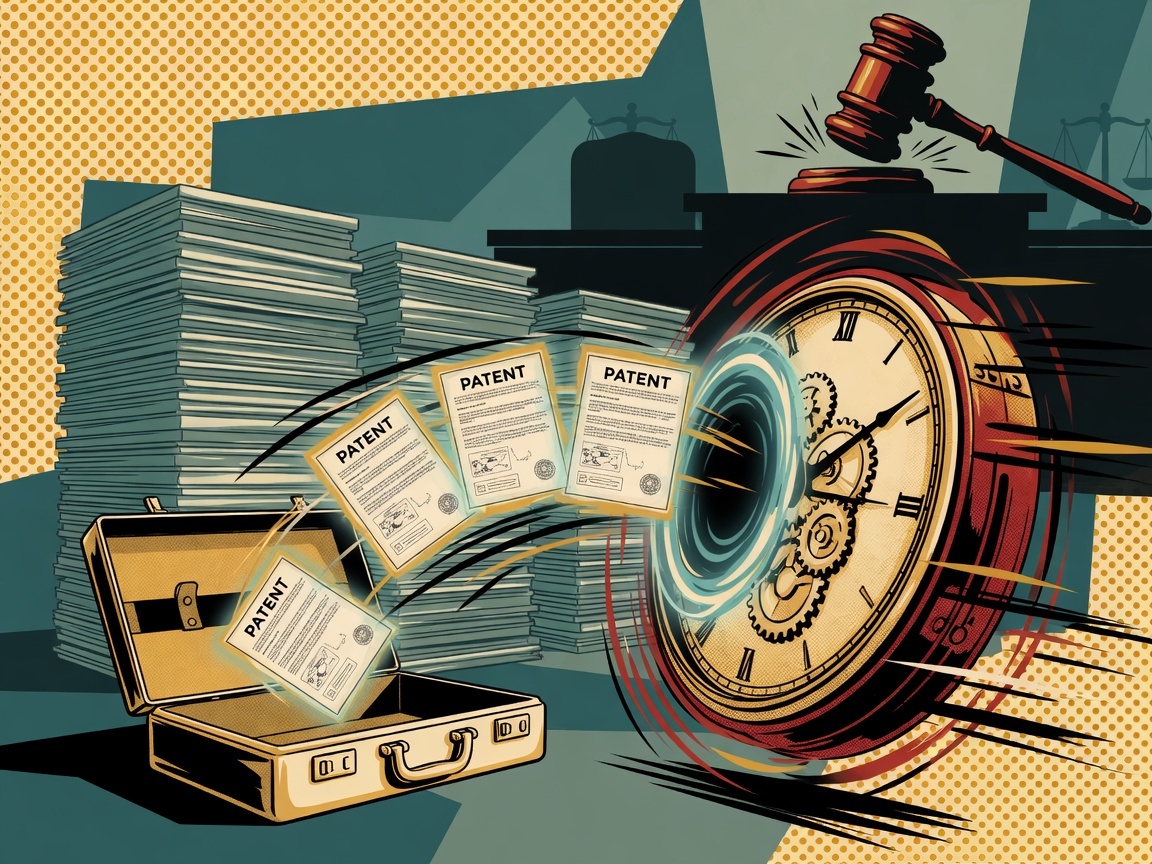
Four patents can carry a lot of antitrust baggage—especially when they come tucked inside a portfolio of more than 500. In CareFirst of Maryland v. Johnson & Johnson, health insurer CareFirst alleges that Johnson & Johnson unlawfully acquired and later asserted four patents to delay competition from biosimilars, highly similar alternatives to biologic drugs, for ... Four Patents and a Time Machine: CareFirst and the Perils of Backdated Antitrust
Open Models, Closed Minds: AI Policy Keeps Regulating the Wrong Thing
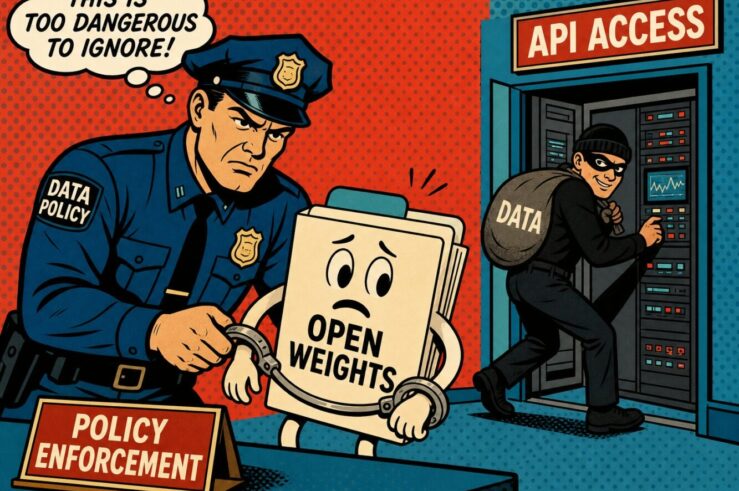
Artificial intelligence has found a new way to make policymakers nervous. The latest fight concerns less what AI can do than who may build it, copy it, distribute it, and decide when those activities become a security threat. That fight will help define AI governance, the rules and institutions used to manage AI development, access, ... Open Models, Closed Minds: AI Policy Keeps Regulating the Wrong Thing
Brussels Goes Gate-Hunting: AWS, Azure, and the DMA’s Cloud Problem
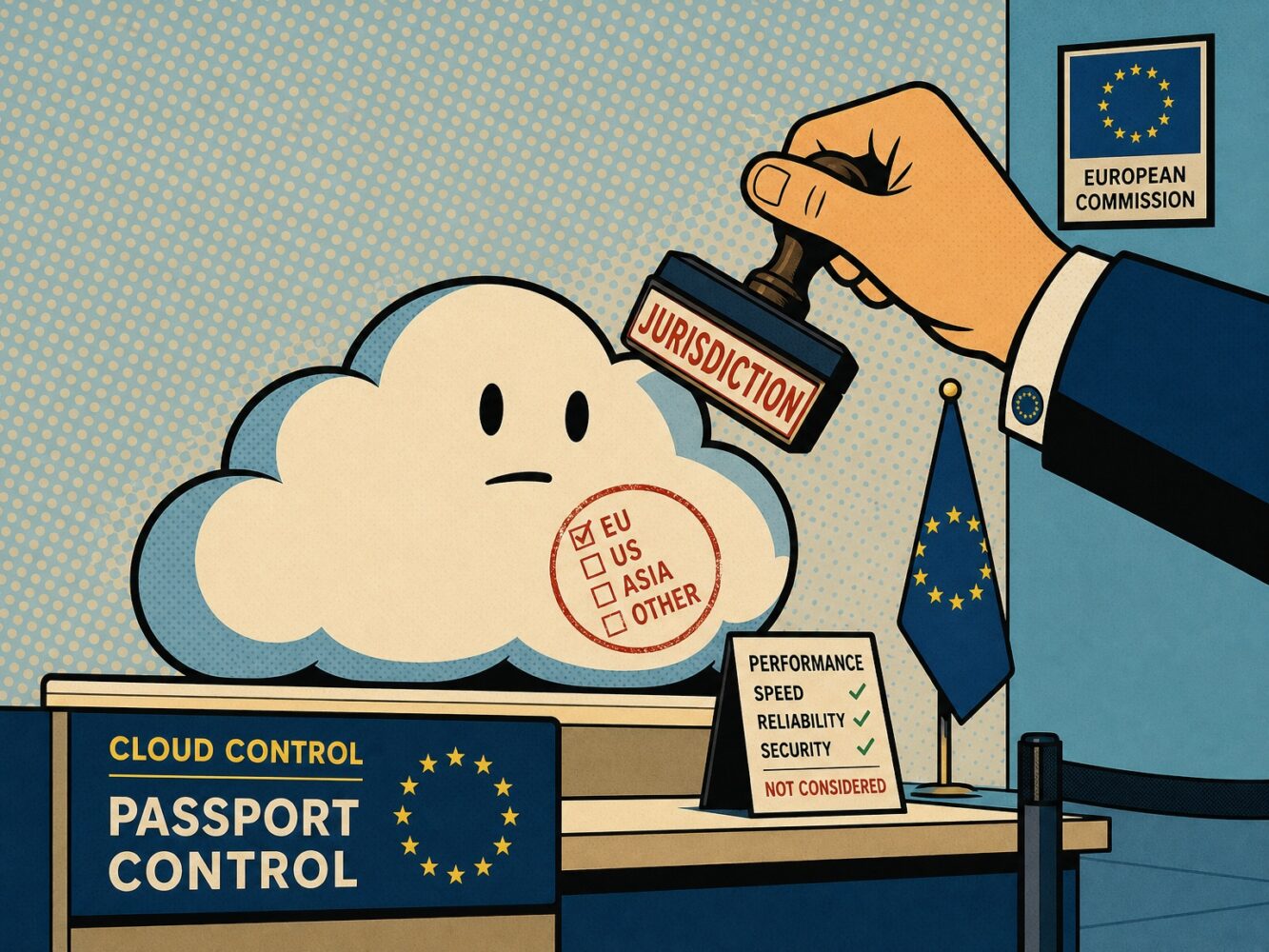
The European Commission wants to treat cloud computing as a gatekeeper market. That is the wrong diagnosis, and it would lead to the wrong cure. The Commission’s preliminary view that Amazon Web Services (AWS) and Microsoft Azure should be designated as Digital Markets Act (DMA) gatekeepers for cloud-computing services is more than another skirmish in ... Brussels Goes Gate-Hunting: AWS, Azure, and the DMA’s Cloud Problem

Europe’s Cloudy Judgment
Europe wants to become an AI continent. Fair enough. But it will not get there by turning the cloud into a customs checkpoint. The European Commission’s new European technological-sovereignty package deserves close attention in Washington, Brussels, and boardrooms on both sides of the Atlantic. Announced June 3, the package aims to strengthen Europe’s capacity in ... Europe’s Cloudy Judgment
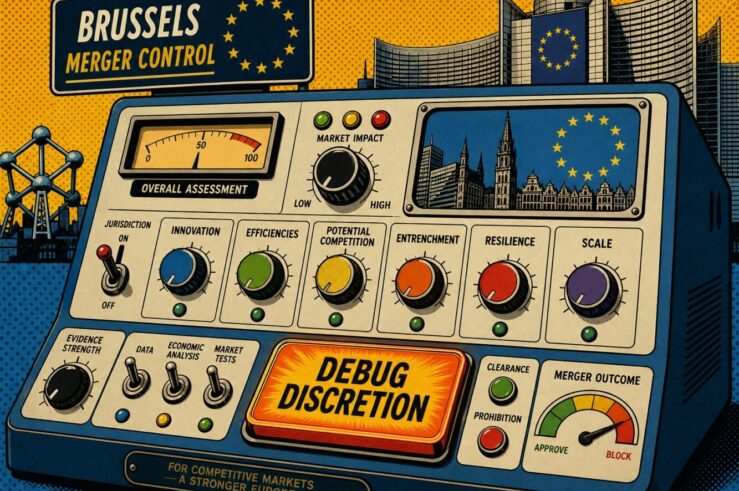
Brussels Reboots Merger Control. Now Debug the Discretion.
European Union merger control is getting a software update. The question is whether the new code will make the system faster, smarter, and better at spotting real competitive problems—or simply give the European Commission more buttons to press. The pending rewrite of European Union merger-control guidance is the broadest review of the framework in roughly ... Brussels Reboots Merger Control. Now Debug the Discretion.
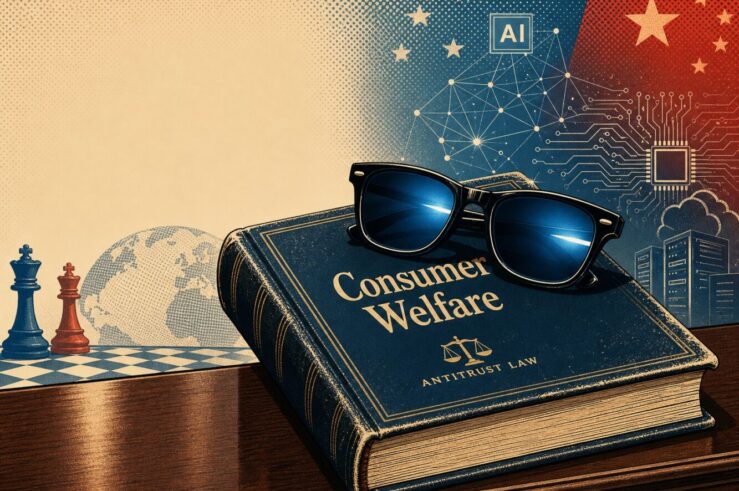
How China Accidentally Made Consumer Welfare Cool Again
The consumer welfare standard was supposed to be on the defensive. After nearly a decade of attacks from the neo-Brandeisian movement, critics had cast it as too narrow, too technocratic, and too forgiving of “Big Tech.” Yet the standard’s most important new ally may turn out to be an unexpected one: geopolitics. The consumer welfare ... How China Accidentally Made Consumer Welfare Cool Again
The Future of News and Its Frenemies
The local news business has spent the past two decades being “saved” by people who mostly seem to want it embalmed. Every new shift in how Americans consume information—websites, social feeds, newsletters, podcasts, short-form video, artificial-intelligence summaries—gets treated less like evidence of adaptation than proof that civilization will soon forget how school-board meetings work. That ... The Future of News and Its Frenemies

Competitiveness Without the Cronyism
Big mergers are back in fashion. So are “national champions,” industrial-policy wish lists, and solemn warnings that antitrust enforcement may leave the West defenseless against foreign rivals. In Washington, Brussels, and London, competition policy increasingly sounds less like economics and more like geopolitical strategy. That trend creates a real risk of confusion. Antitrust is not ... Competitiveness Without the Cronyism