Showing archive for: “International Economic Law”
The EU’s Fair-Weather Cloud Partnership
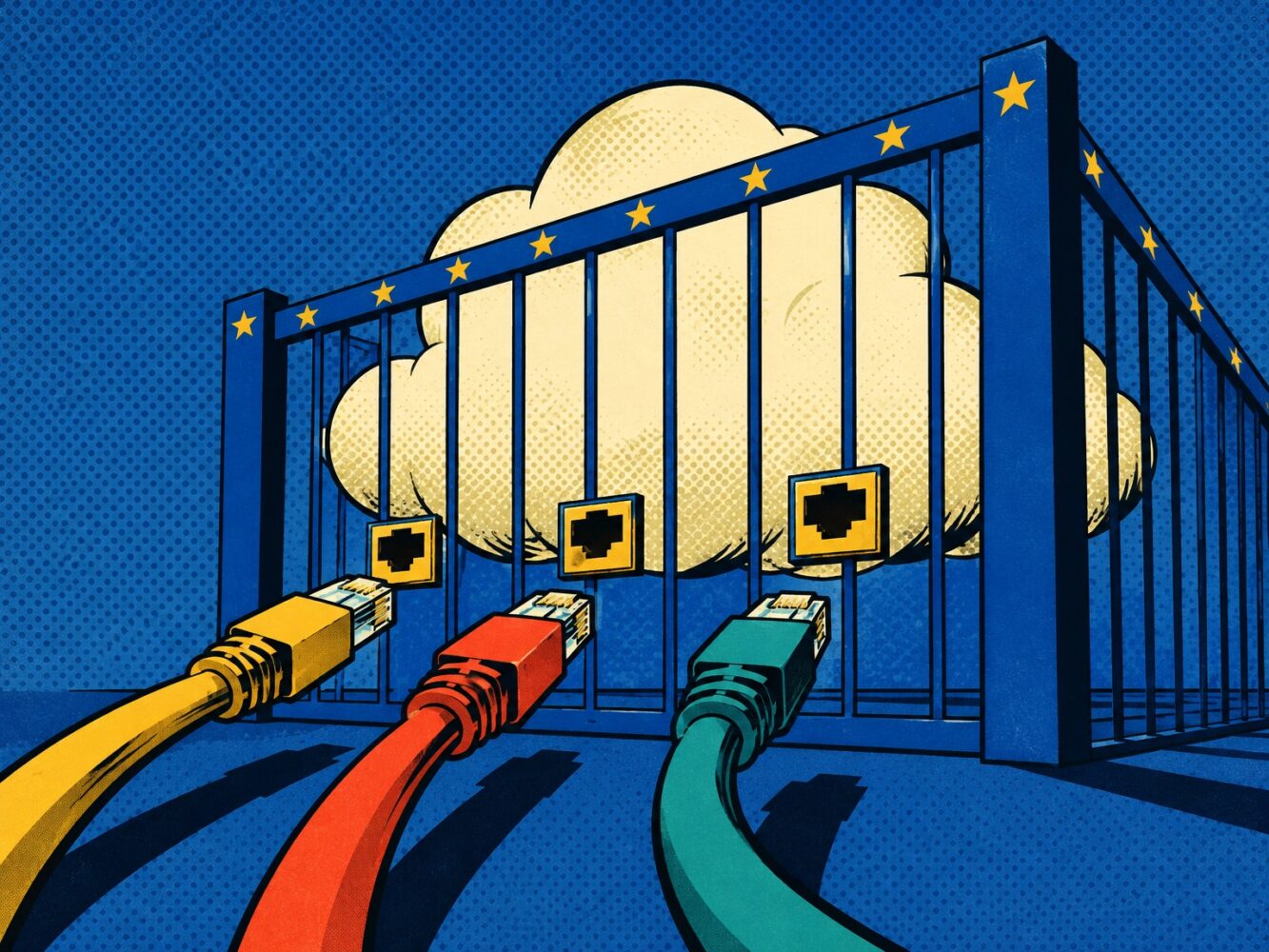
The European Union (EU) is offering its allies a foothold in its cloud market—with little room to move. They could own a cloud business, provided EU citizens do the work and the operations and data stay inside the bloc. And even that permission could be revoked. Europe and its allies would both do better with ... The EU’s Fair-Weather Cloud Partnership
Brussels Rules Without the Brussels Perks
Brussels’ latest competition guidelines should probably come with a warning label. Countries borrowing them risk importing dubious economics, remedies designed for Europe’s very specific institutional problems, and a trade fight with Washington. On Sept. 3, after a three-year process, the European Commission adopted its first guidelines on exclusionary abuses under Article 102 of the Treaty ... Brussels Rules Without the Brussels Perks

The World Wants Cures. America Gets the Check.
Everyone wants the next medical breakthrough. Few want the bill. The United States pays a disproportionate share of the cost of pharmaceutical innovation, while other wealthy countries hold down medicine prices and count on the research to keep coming. Yet much of the U.S. policy debate proposes copying their approach: because Americans frequently pay more ... The World Wants Cures. America Gets the Check.

Beyond Tariffs: Free Trade and the Friends-and-Family Plan
A trade deal can lower tariffs and yet still leave the hardest barriers untouched. The shipment clears customs, but the supplier cannot get a license, bid for a government contract, or compete with a subsidized state firm. The border is nominally open, but the market has other arrangements. As I argue in a new Mercatus ... Beyond Tariffs: Free Trade and the Friends-and-Family Plan

From Google Fines to French Wine: The Trade Case Against the DMA
Brussels has spent two years testing how much regulatory pain Washington will tolerate before reaching for the tariff book. President Donald Trump may have supplied the answer. His threatened Section 301 investigation—a process that allows the United States to retaliate against foreign practices that unfairly burden U.S. commerce—could turn Europe’s digital rulebook into a transatlantic ... From Google Fines to French Wine: The Trade Case Against the DMA

Open Models, Closed Minds: AI Policy Keeps Regulating the Wrong Thing
Artificial intelligence has found a new way to make policymakers nervous. The latest fight concerns less what AI can do than who may build it, copy it, distribute it, and decide when those activities become a security threat. That fight will help define AI governance, the rules and institutions used to manage AI development, access, ... Open Models, Closed Minds: AI Policy Keeps Regulating the Wrong Thing

Competition Law’s Fairness Gap: Why Better Procedure Requires Better Incentives
Everyone agrees competition enforcement should be fair. Agreement gets shakier once fairness starts costing agencies time, discretion, or victories. Competition authorities often warn that procedure should not become an obstacle to enforcement. Fair enough. Antitrust investigations can be slow, document-heavy, and vulnerable to delay tactics. A firm with deep pockets may try to turn “process” ... Competition Law’s Fairness Gap: Why Better Procedure Requires Better Incentives

Brussels Goes Gate-Hunting: AWS, Azure, and the DMA’s Cloud Problem
The European Commission wants to treat cloud computing as a gatekeeper market. That is the wrong diagnosis, and it would lead to the wrong cure. The Commission’s preliminary view that Amazon Web Services (AWS) and Microsoft Azure should be designated as Digital Markets Act (DMA) gatekeepers for cloud-computing services is more than another skirmish in ... Brussels Goes Gate-Hunting: AWS, Azure, and the DMA’s Cloud Problem

Bolted to the Floor, Not Written in the Clouds
Europe wanted technological sovereignty. On June 12, it got a demonstration of technological dependence. That day, the U.S. government cut non-Americans off from access to two of the world’s most advanced AI models. Brussels’ flagship response to precisely this scenario—the Cloud and AI Development Act (CADA)—would not have helped. As I argue in “Europe’s Sovereignty ... Bolted to the Floor, Not Written in the Clouds

Europe’s Cloudy Judgment
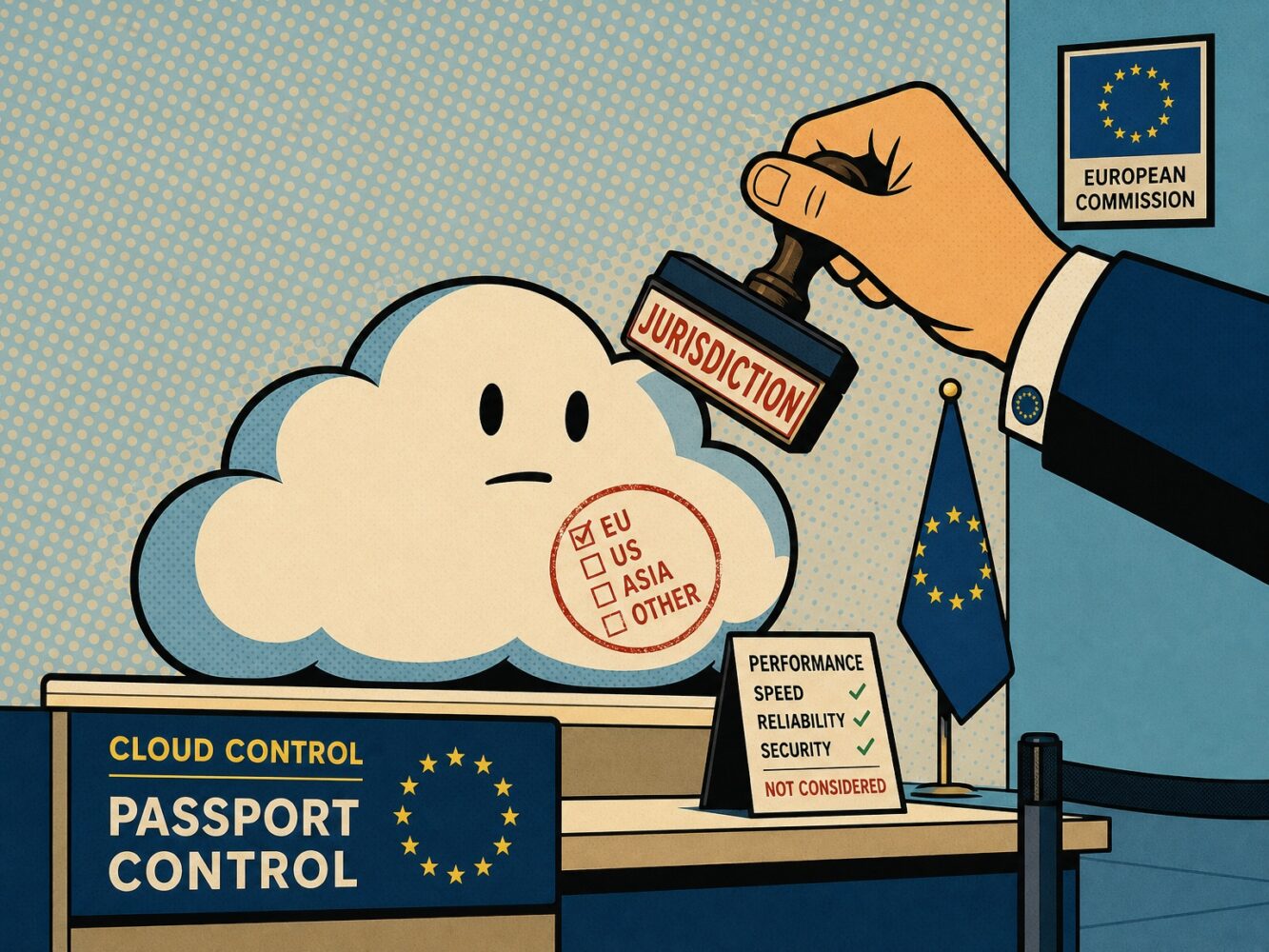
Europe wants to become an AI continent. Fair enough. But it will not get there by turning the cloud into a customs checkpoint. The European Commission’s new European technological-sovereignty package deserves close attention in Washington, Brussels, and boardrooms on both sides of the Atlantic. Announced June 3, the package aims to strengthen Europe’s capacity in ... Europe’s Cloudy Judgment
The EU’s Bid to Nationalize Space
Europe’s latest space policy has a simple theory: To build a champion, you must first clear the field. The European Commission’s newly adopted proposal to reallocate the 2 GHz mobile-satellite-service (MSS) band—a slice of radio spectrum used for satellite communications—would reserve most of that spectrum for European operators. The same proposal would limit non-EU militaries ... The EU’s Bid to Nationalize Space

You Can’t Export-Control the Future: The Case for Defensive AI
Washington keeps looking for the AI equivalent of a locked vault: control the chips, control the models, control the danger. But artificial intelligence is starting to look less like uranium and more like malware—hard to contain, easy to adapt, and most dangerous where people actually use it. The White House’s new AI executive order is ... You Can’t Export-Control the Future: The Case for Defensive AI