Showing archive for: “U.S. Administrative Law”
The FTC’s Case of Mistaken Identity: Scammers, Platforms, and Everyone in Between
Who should answer for a scam ad: the scammer, the company that sold the ad space, or the company whose software tracks the results? The Federal Trade Commission (FTC) wants to hold online platforms liable, but its definition of “platform” leaves the answer murky. It could reach beyond Google and Meta to Walmart, Uber, and ... The FTC’s Case of Mistaken Identity: Scammers, Platforms, and Everyone in Between

California Wants Broadband With No Strings Attached
California has signed on for federal broadband money, but agreeing to the terms is apparently a whole other story. While Sacramento disputes the fine print, the residents the money is supposed to connect will keep waiting. On Nov. 2, California became the last state to sign an agreement accepting its share of the $42.5 billion ... California Wants Broadband With No Strings Attached

Antitrust’s State of Prey: The Hawks Go Local
For antitrust doves—those of us who think antitrust works best with a restrained approach to policing competition—the U.S. midterm results look, at first glance, like a triumph for the hawks. Democrats have won control of both chambers of Congress, with at least 54 Senate seats and potentially their largest House majority in nearly two decades. ... Antitrust’s State of Prey: The Hawks Go Local

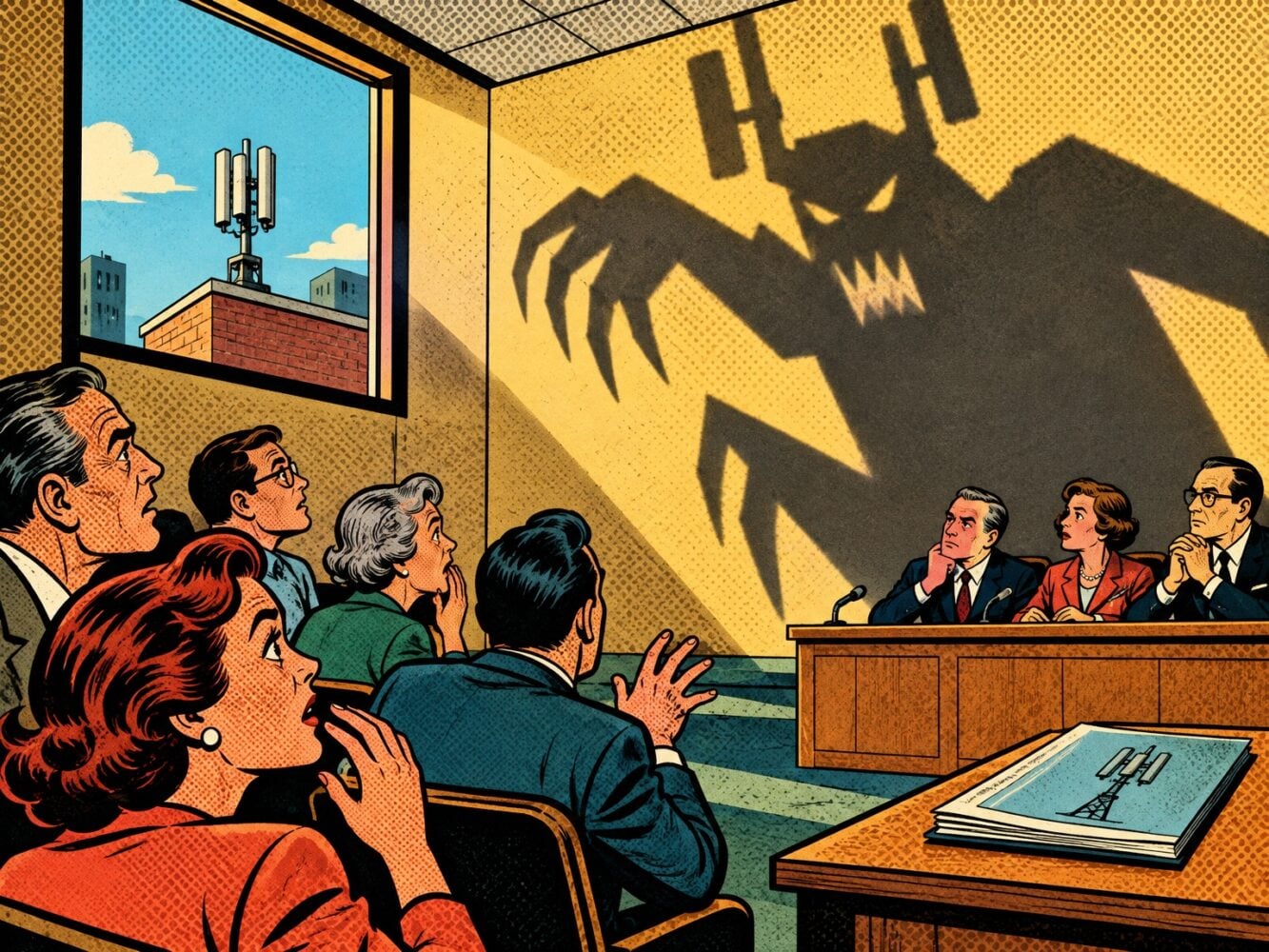
No Signal in My Backyard: How Radiation Fears Block Wireless Networks
Wireless networks have a reception problem that better antennas can’t fix. While decades of research haven’t established harm from radiofrequency (RF) exposure below federal limits, fears about those emissions can still stop an antenna from going up. America’s wireless networks grow one tower, rooftop antenna, and small-cell antenna at a time. Each needs a permit ... No Signal in My Backyard: How Radiation Fears Block Wireless Networks
Deregulation by the Ton: The FRA’s Heavy Paperwork and Lightweight Relief
In November 1962, Soviet Premier Nikita Khrushchev addressed the Central Committee plenum to vent his frustration over the glaring distortions created by the state’s central economic planning. His chief complaint concerned a metric known as val—gross industrial output measured by weight or volume. Lighting factories faced production quotas based on sheer tonnage, rather than quality ... Deregulation by the Ton: The FRA’s Heavy Paperwork and Lightweight Relief

The New (Mexico) Math: Multiply the Violations and Never Mind the Harm
The big news in the competition-plus space—where competition policy meets broader policy concerns—isn’t an antitrust matter at all. It’s New Mexico’s announcement of its “Historic $25 Billion Penalty Against Facebook” (Meta Platforms). Here’s coverage from The New York Times, The Washington Post, The Wall Street Journal, and, for a bit of local flavor, the Albuquerque ... The New (Mexico) Math: Multiply the Violations and Never Mind the Harm

Why Corner Post’s Merchant Victory May Not Ring Up Savings
Merchants persuaded a federal appeals court to throw out the Federal Reserve’s debit-card fee cap. They might want to hold the applause until they see its replacement. A ruling aimed at the Fed’s arithmetic could leave room for a higher cap—and a fuller accounting of what consumers get for those fees. In Corner Post, Inc. ... Why Corner Post’s Merchant Victory May Not Ring Up Savings

The FCC’s Public Interest in Your Personnel Files
The Federal Communications Commission (FCC) licenses television stations. Does that make it Disney’s human resources department? The agency seems to think so, invoking a “public interest” mandate to investigate the company’s diversity policies—a mandate whose meaning seems to change with whoever holds power. Under the Communications Act of 1934, as amended, the FCC has initiated ... The FCC’s Public Interest in Your Personnel Files

Antitrust at the Agencies: Pour One Out for Southern Glazer’s
The Federal Trade Commission (FTC) has settled a wine-and-spirits case, and its press release reads like a victory toast. The two commissioners who approved the deal write as if they’d rather send the bottle back. Consumers might want to check the tab. The settlement in Southern Glazer’s Wine and Spirits landed just after I’d put ... Antitrust at the Agencies: Pour One Out for Southern Glazer’s

Licensed to Wait: The High Cost of Spectrum Delay
America’s wireless future is on hold, pending another study. Federal agencies control much of the spectrum needed to build it—and the process for opening those frequencies rewards incumbents for taking their time. Sustaining U.S. leadership in wireless technology requires more spectrum—the radio frequencies that carry wireless signals—for fifth- and sixth-generation mobile networks (5G and 6G), ... Licensed to Wait: The High Cost of Spectrum Delay
Fraud, Platforms, and the Art of Getting Ahead of Yourself
The Federal Trade Commission (FTC) wants to stop impersonation scams. Fair enough. But calling a new regulatory venture an “update” doesn’t make it one, and spotting a real problem doesn’t tell you which rules—if any—will solve it. A little more homework would help. On Sept. 24, the FTC announced an advance notice of proposed rulemaking ... Fraud, Platforms, and the Art of Getting Ahead of Yourself

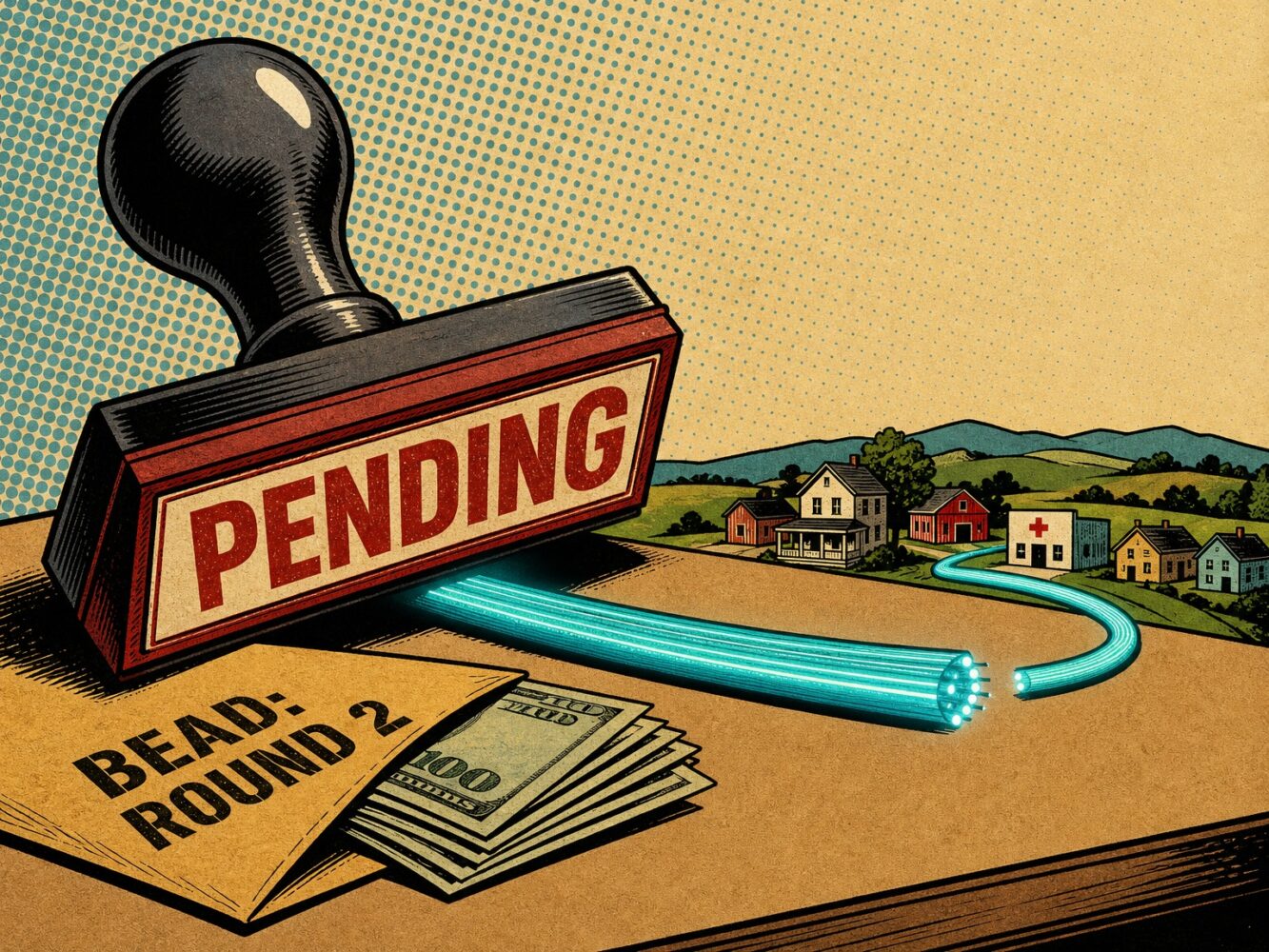
BEAD’s Second Act: The Future Is Pending Approval
The road to rural access to AI-enabled services runs through the permit office. Chips, data centers, and electricity get the attention, but delivering AI to a farmer’s field, a rural clinic, or a factory floor takes a broadband network. Building it means navigating utility poles, road crossings, and public rights-of-way—each with a gatekeeper who can ... BEAD’s Second Act: The Future Is Pending Approval