Showing archive for: “U.S. Constitutional Law: Separation of Powers & Federalism”
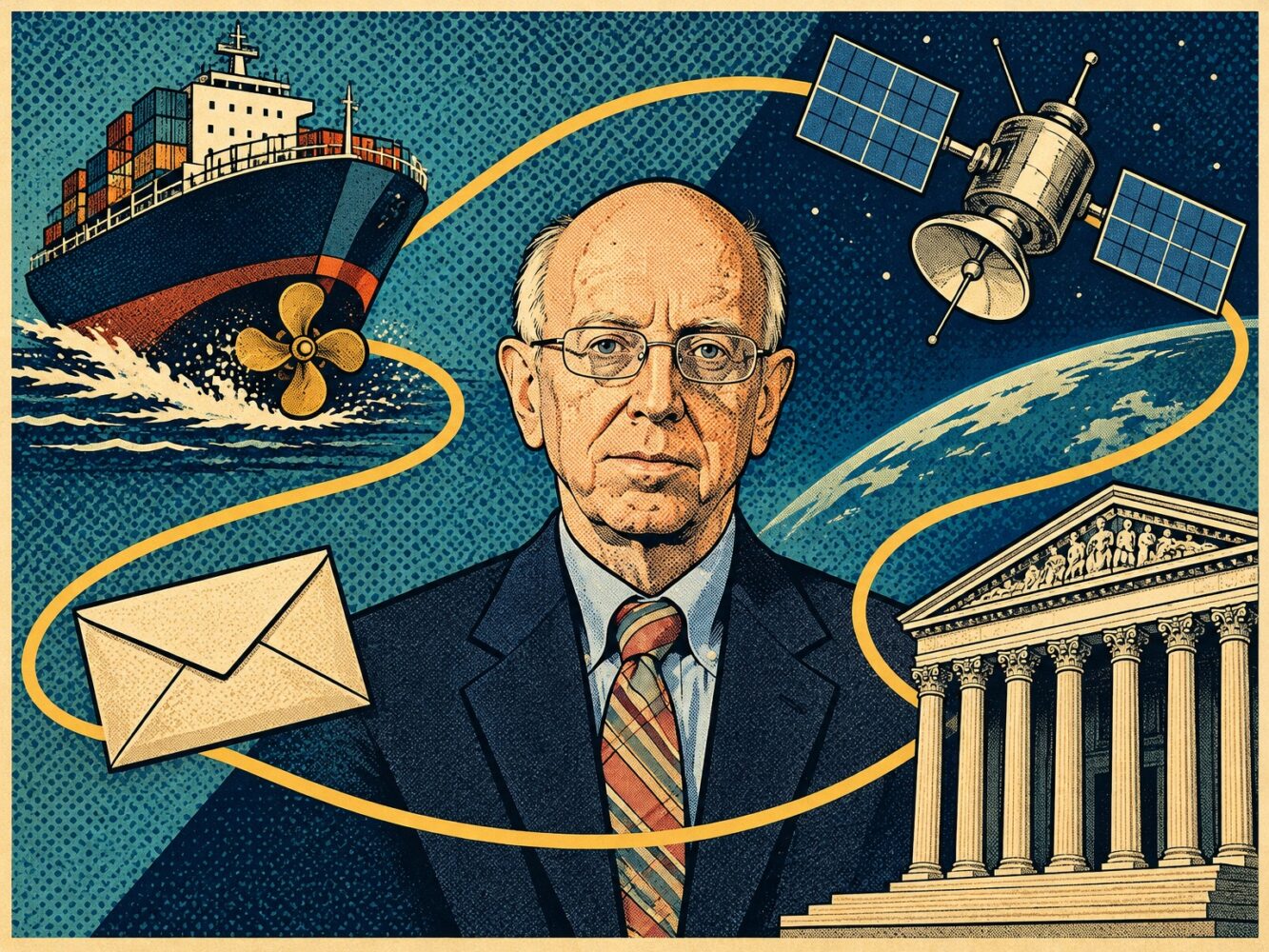
The FCC Wants Final Cut
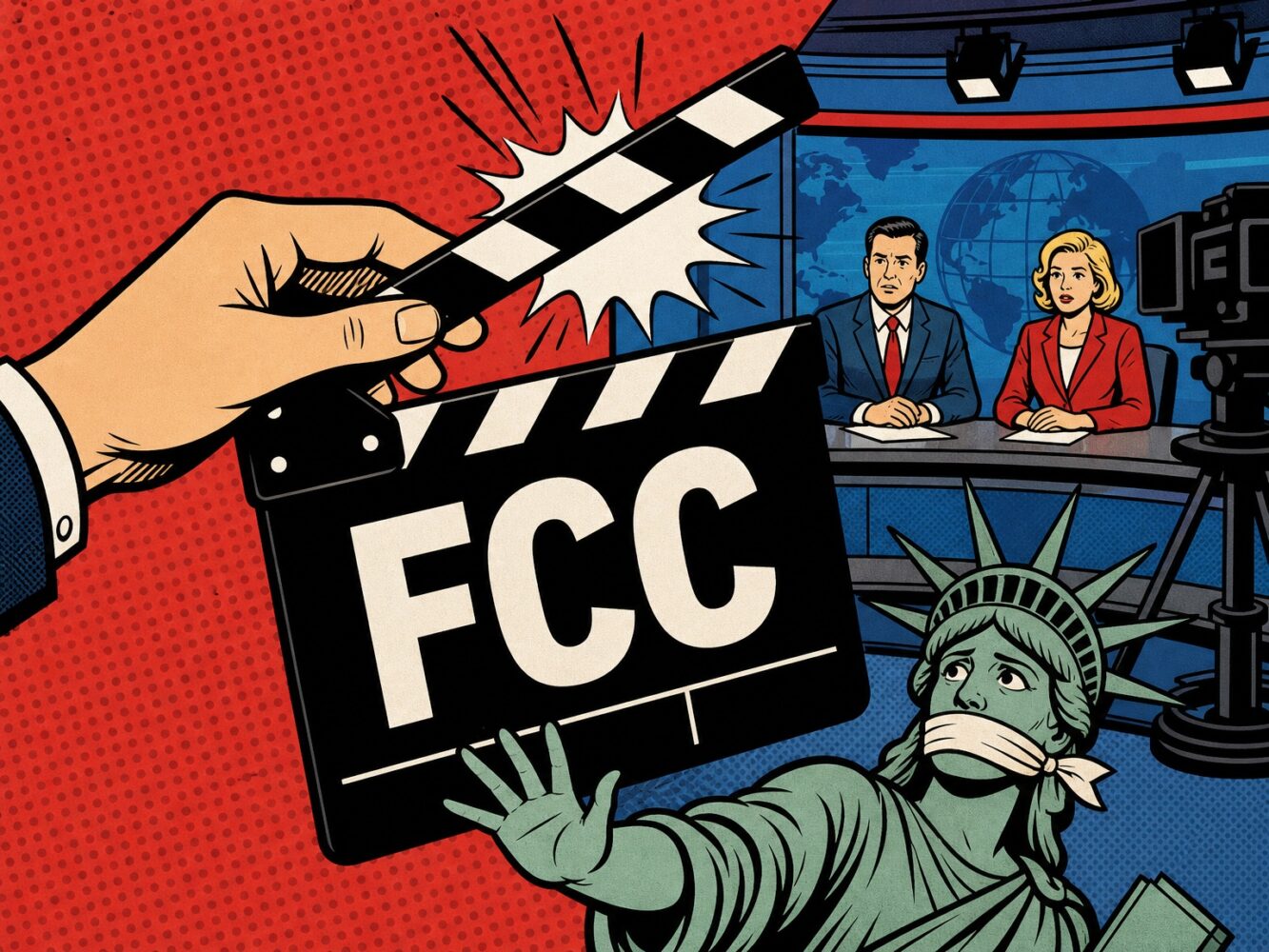
The government does not need to burn books when it can threaten licenses. Why bother with an inquisitor’s bonfire when a regulator’s raised eyebrow can do the trick? That is the modern First Amendment problem. Censorship no longer arrives only as an outright ban. More often, it comes dressed as “oversight,” “public interest,” or “compliance”—all ... The FCC Wants Final Cut
The Exit Door Theory of Consumer Finance
Consumer protection often begins with a simple question: Can the consumer walk away? If the answer is no—because switching is hard, data are locked up, markets are fragmented, or new competitors cannot enter—then the problem is not just weak consumer protection. It is weak competition. That is the frame for a deceptively basic question: How ... The Exit Door Theory of Consumer Finance

California Dreamin’ or an Antitrust Nightmare?
California is about to run a live-fire experiment in antitrust—and the working hypothesis appears to be that decades of case law and economic learning were optional. In January, I published a short post—“Rewriting Antitrust, California Style”—that touched on the inner workings (machinations?) of the California Law Review Commission (CLRC). I flagged concerns about the staff’s ... California Dreamin’ or an Antitrust Nightmare?
Guardrails, Not Roadblocks: Improving the AI Framework
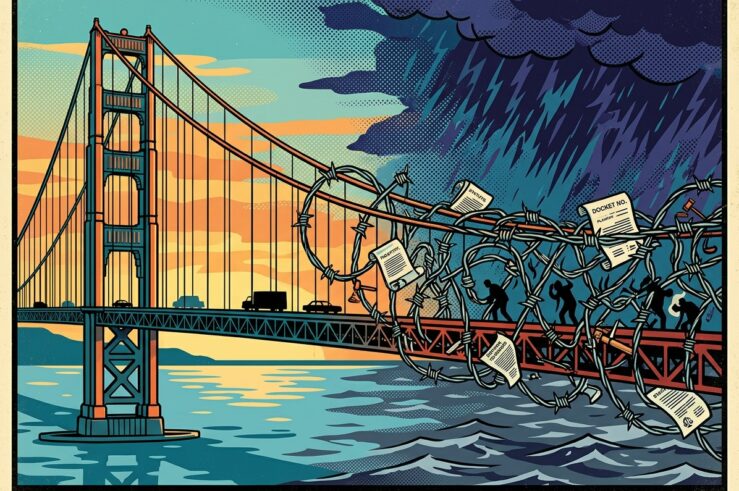
Washington has a choice: let AI policy fragment into 50 competing regimes, or set a clear federal baseline that keeps innovation moving. The Trump administration’s new artificial intelligence (AI) legislative framework stakes out the latter path—but leaves important gaps. The framework sketches broad principles to guide federal policymaking on a technology at risk of a ... Guardrails, Not Roadblocks: Improving the AI Framework

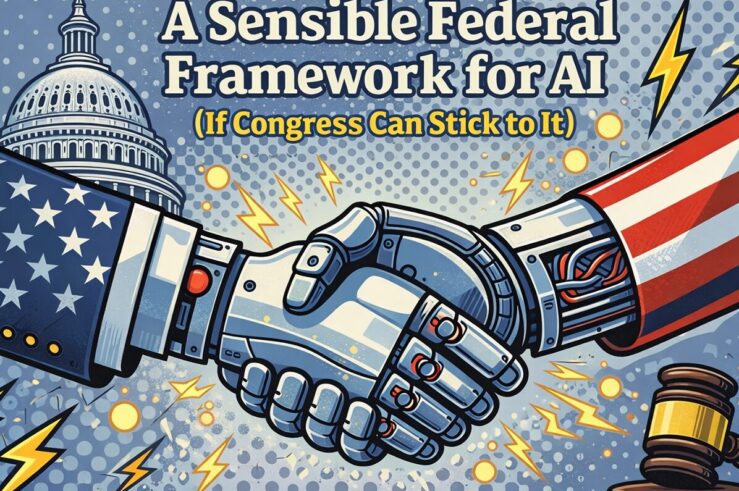
A Sensible Federal Framework for AI (If Congress Can Stick to It)
The Trump administration’s newly released national legislative framework for artificial intelligence is, in many respects, a welcome set of guidelines for US regulation of Artificial Intelligence (AI). At a moment when AI policy risks collapsing into either overbroad precaution or fragmented state-level experimentation, the framework instead gestures toward something closer to institutional restraint: a light-touch ... A Sensible Federal Framework for AI (If Congress Can Stick to It)
Antitrust Encore: When a Settlement Isn’t the End of the Show
The Live Nation/Ticketmaster antitrust trial now presents a paradox. The U.S. Department of Justice (DOJ) reportedly has settled its claims, yet the litigation continues—with a skeptical judge and 32 state plaintiffs still pressing for a breakup. That unusual posture raises deeper concerns about economics, separation of powers, and the limits of antitrust federalism. U.S. District ... Antitrust Encore: When a Settlement Isn’t the End of the Show

Half a Swipe, Whole Lot of Mess: Platform Economics and the Interchange Fee Cases
Interchange-fee regulation now anchors at least three federal appellate cases. Courts will get them wrong unless they recognize a threshold fact: payment-card networks are multisided platforms. Interchange fees are the amounts card-issuing banks withhold from a transaction before paying merchant-acquiring banks. On a $100 purchase with a 2% interchange fee, the issuing bank keeps $2 ... Half a Swipe, Whole Lot of Mess: Platform Economics and the Interchange Fee Cases

Regulating the Tool or the Trouble? A Survey of State AI Bills
Debates about federal preemption in artificial-intelligence (AI) policy often pose a stark choice: Congress adopts a national framework and states lose the ability to police harmful conduct, or states retain broad authority and businesses face a 50-state compliance patchwork that chills innovation. Our review of state AI bills suggests the debate is aimed at the ... Regulating the Tool or the Trouble? A Survey of State AI Bills

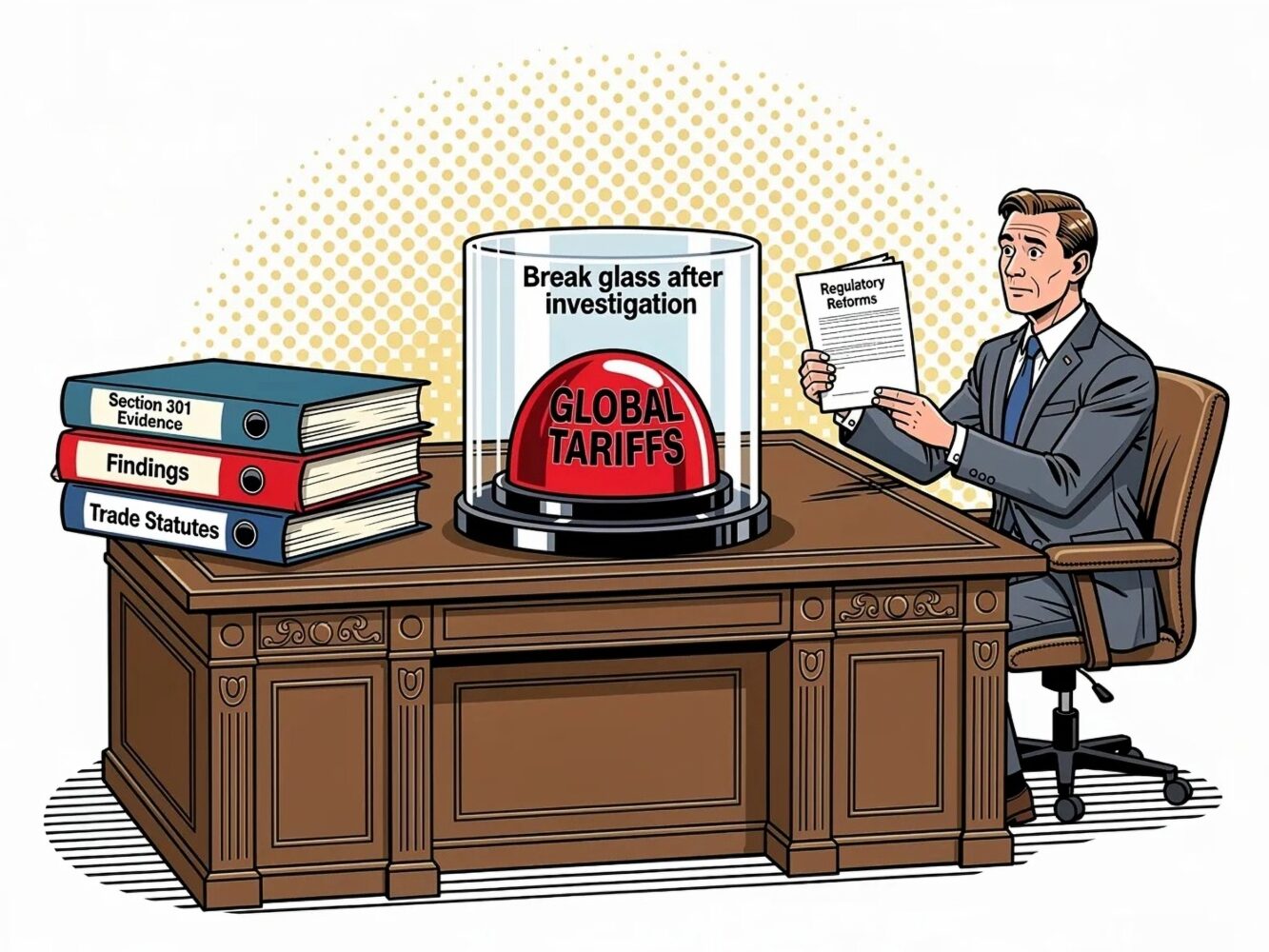
The End of Free-Range Tariffs: Discipline Comes to Trade Policy
The Supreme Court just clipped one presidential tariff tool. It didn’t disarm U.S. trade policy. Properly used, the decision could push tariffs toward a more disciplined role: countering foreign market distortions and bargaining them away. The Court’s Feb. 20 ruling striking down President Donald Trump’s tariff-setting authority under the International Emergency Economic Powers Act (IEEPA) ... The End of Free-Range Tariffs: Discipline Comes to Trade Policy
Antitrust Unmoored: Constitutional Limits on California’s RSFC
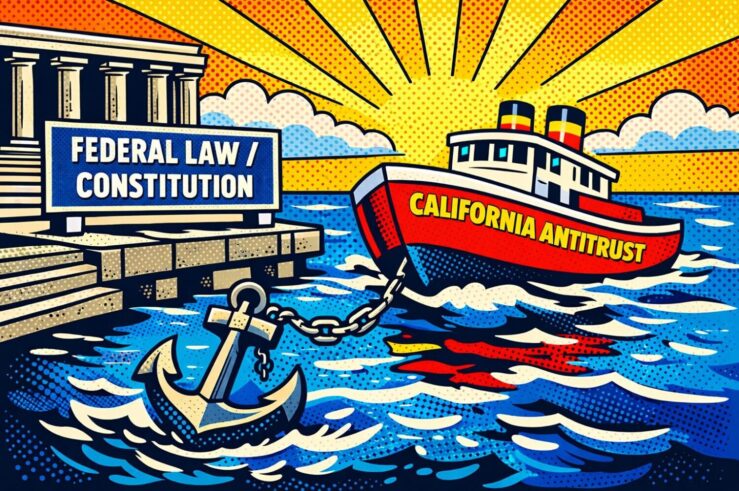
Much ink has been spilled on a draft California antitrust bill’s treatment of single-firm conduct. Most critiques focus on its economic flaws—particularly its departure from settled federal antitrust principles and the policy costs that follow. The bill’s constitutional vulnerabilities deserve equal scrutiny. If California lawmakers remain unmoved by the economic risks of imposing new burdens ... Antitrust Unmoored: Constitutional Limits on California’s RSFC
Beyond a Moratorium: Toward a Competency-Based Approach to AI Governance
As state legislatures across the country prepare to convene in early 2026, a predictable panic is setting in among the architects of the artificial-intelligence (AI) revolution. From Sacramento to Hartford, legislation appears certain to proliferate seeking to regulate everything from algorithmic discrimination to the fundamental compute power used to train large language models (LLMs). The ... Beyond a Moratorium: Toward a Competency-Based Approach to AI Governance
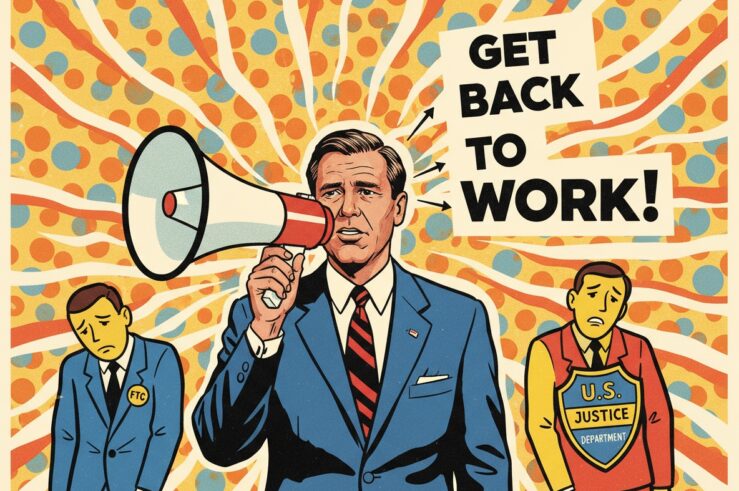
My Fellow Americans, Our Long National Nightmare/Recent 43-Day Congressional Dysfunction Is Over
I’m not sure I’ve quoted Gerald Ford here before, but never mind that. The big news at the agencies—not least the antitrust agencies, but in this case, all of them—is that we the people of the United States of America are once more, as a polity, back in “business.” The federal government is now funded ... My Fellow Americans, Our Long National Nightmare/Recent 43-Day Congressional Dysfunction Is Over