Showing archive for: “Innovation Law & Policy”
Nothing Runs Like a Deere You Can Repair
Farmers have won the right to repair—at least, if they own John Deere equipment. In July, the Federal Trade Commission (FTC) announced a settlement requiring Deere to give farmers and independent repair shops access to the software, manuals, and other resources needed to fix its products. The settlement sensibly balances consumers’ immediate interest in affordable ... Nothing Runs Like a Deere You Can Repair

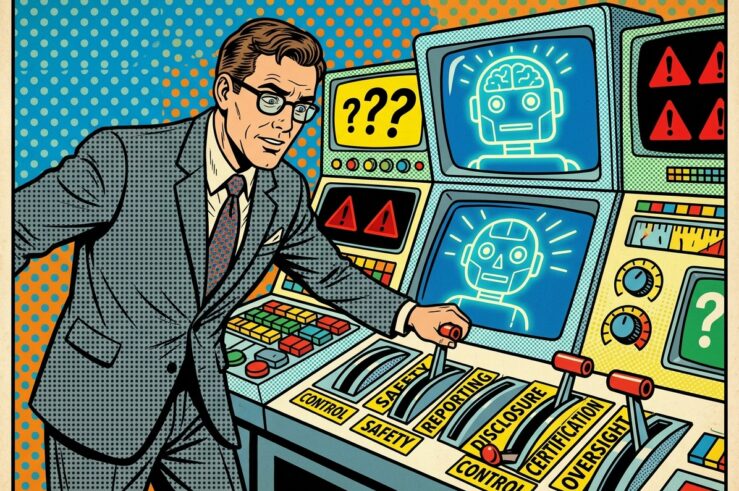
Open Weights, Closed Ranks: The AI Manifesto War
The AI industry has entered its manifesto era. Executives, researchers, and employees are issuing rival plans to keep advanced models safe. The fine print contains a less advertised question: Would those plans protect the public—or protect today’s leaders from the open models gaining on them? That competition question starts with open-source AI models. These models ... Open Weights, Closed Ranks: The AI Manifesto War
The AI Boom Still Runs on Old-Fashioned Airwaves
AI may live in the cloud, but the cloud still needs roads. Those roads are communications networks—and the airwaves they depend on may determine how far and fast the AI boom can travel. That two-way relationship will take center stage tomorrow, when the U.S. Senate Commerce Subcommittee on Telecommunications and Media holds a hearing titled ... The AI Boom Still Runs on Old-Fashioned Airwaves

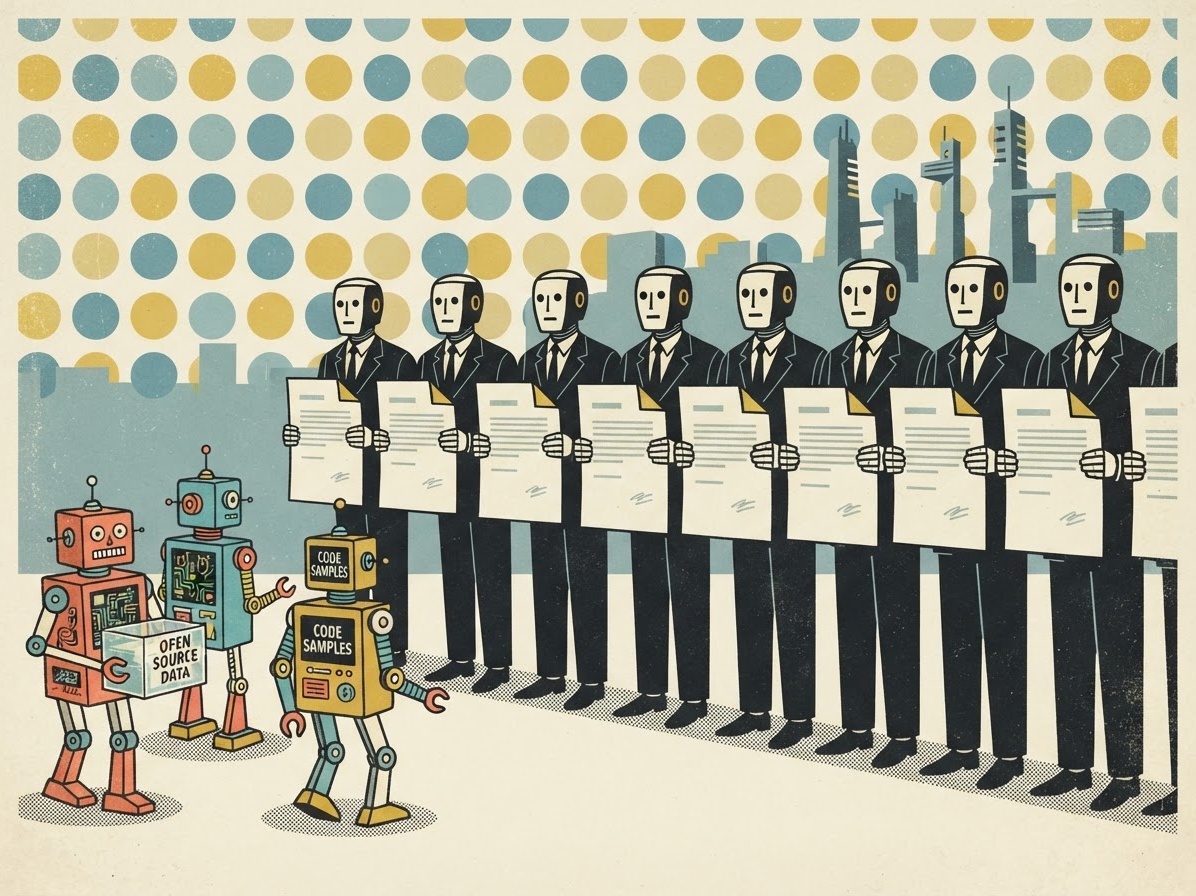
Open Models, Closed Minds: AI Policy Keeps Regulating the Wrong Thing
Artificial intelligence has found a new way to make policymakers nervous. The latest fight concerns less what AI can do than who may build it, copy it, distribute it, and decide when those activities become a security threat. That fight will help define AI governance, the rules and institutions used to manage AI development, access, ... Open Models, Closed Minds: AI Policy Keeps Regulating the Wrong Thing

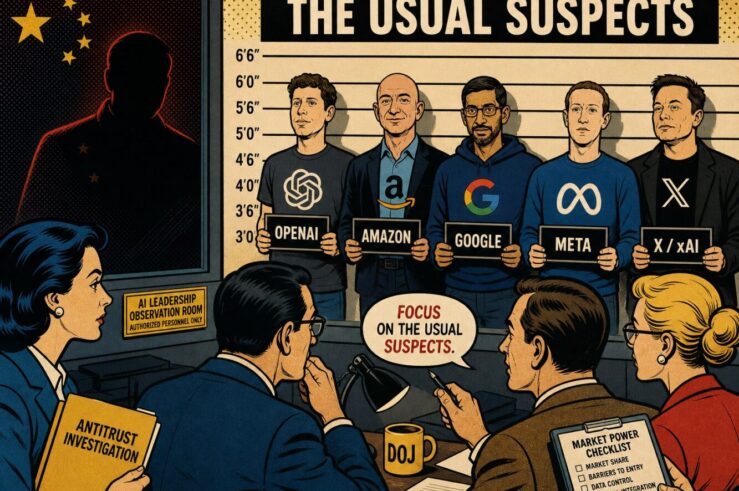
The Missing Rival: China and the Limits of AI Antitrust
The standard AI competition story has plenty of supposed villains. It just keeps leaving out one of the biggest. Regulators and academics warn that a small group of firms—including Amazon, Anthropic, Google, and OpenAI, with Microsoft and Meta sometimes added—will dominate generative artificial intelligence. Their advantages in computing power, capital, data, and distribution will harden ... The Missing Rival: China and the Limits of AI Antitrust
Android and the Art of Regulatory Self-Harm
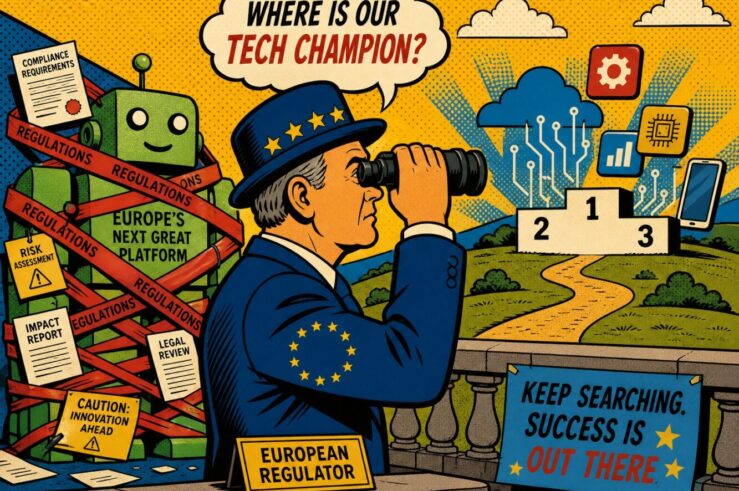
Europe keeps asking where its technology champions are. In Google Android, the Court of Justice of the European Union (CJEU) offered part of the answer: build a successful platform, and Brussels may spend the next decade treating its architecture as evidence. The CJEU’s final judgment in Google Android, handed down last week, will be celebrated ... Android and the Art of Regulatory Self-Harm
The Fatal Conceit Gets a GPU Cluster: Bernie Sanders’ Plan to Socialize AI
The American A.I. Sovereign Wealth Fund Act rests on a sweeping claim about the ownership of value created by artificial intelligence. Because AI models are trained on data generated by the public, the bill treats the resulting gains as a public resource subject to state control and redistribution. Sen. Bernie Sanders’ (I-Vt.) proposal would require ... The Fatal Conceit Gets a GPU Cluster: Bernie Sanders’ Plan to Socialize AI
Killer Theories and Acqui-Hire Alibis
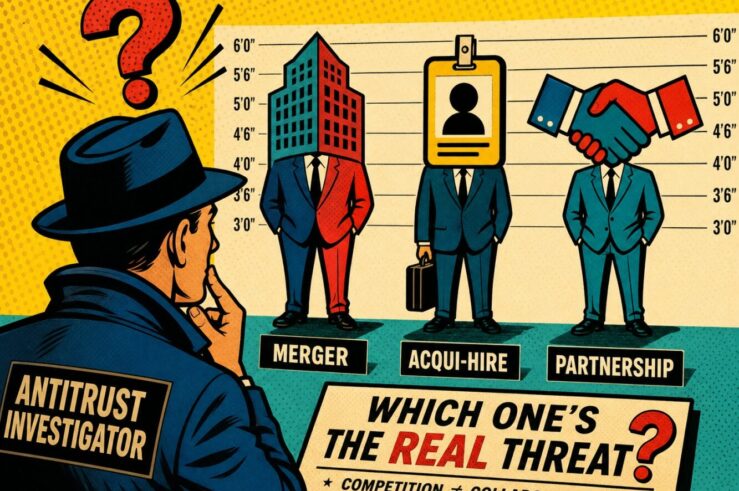
Antitrust agencies have a habit of giving new labels to old anxieties. In artificial intelligence, the latest worry is that partnerships between large technology firms and startups are not partnerships at all, but mergers in clever disguises. In the first article in this series, we examined how Brazil’s Administrative Council for Economic Defense (CADE) has ... Killer Theories and Acqui-Hire Alibis
Bolted to the Floor, Not Written in the Clouds
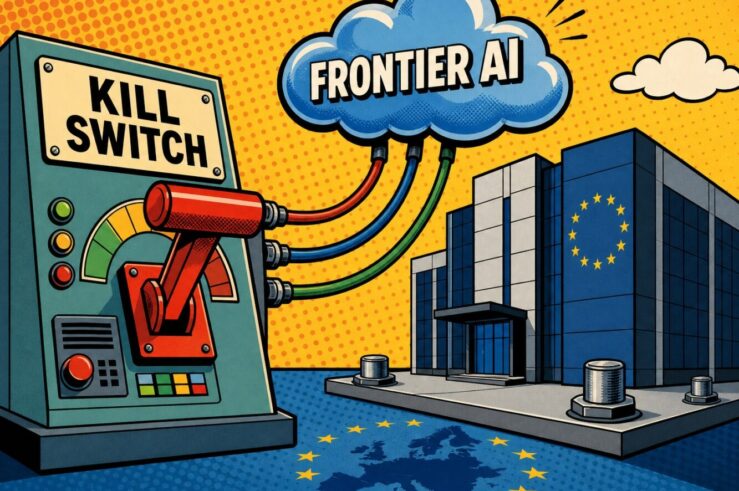
Europe wanted technological sovereignty. On June 12, it got a demonstration of technological dependence. That day, the U.S. government cut non-Americans off from access to two of the world’s most advanced AI models. Brussels’ flagship response to precisely this scenario—the Cloud and AI Development Act (CADA)—would not have helped. As I argue in “Europe’s Sovereignty ... Bolted to the Floor, Not Written in the Clouds
Brussels’ AI Catch-22: Siri, Define ‘Choice’
Did Apple jump, or was it pushed? That is the question Brussels would rather not answer after Apple announced that its new Siri AI features will not ship on iPhones and iPads in the European Union. The European Commission says Apple made a free choice. Apple’s actual choice was between opening the iPhone in ways ... Brussels’ AI Catch-22: Siri, Define ‘Choice’

The DMA Meets the Rule of Law
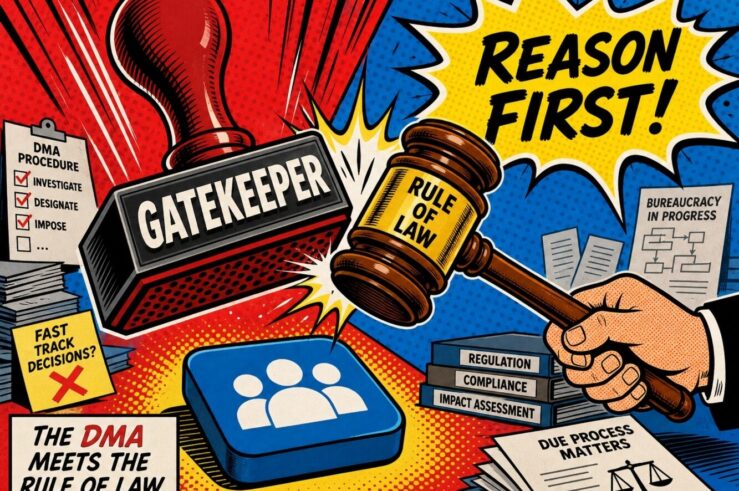
The European Union’s Digital Markets Act was built to move fast: designate gatekeepers, impose obligations, and reshape digital markets before the lawyers can finish sharpening their pencils. But in Meta Platforms Ireland v. Commission, the General Court offered a useful reminder: even Europe’s new digital rulebook still has to pass through an old-fashioned door marked ... The DMA Meets the Rule of Law
Artificial Intelligence, Natural Ignorance
Everyone in Washington seems to agree that artificial intelligence must be governed. The only real dispute is who gets the steering wheel. Congress? Federal agencies? State legislatures? Some newly minted task force with a long acronym and a taste for reporting requirements? That debate is already too narrow. President Donald Trump’s recent executive order on ... Artificial Intelligence, Natural Ignorance