The FCC’s Sleeping Power Over the Press
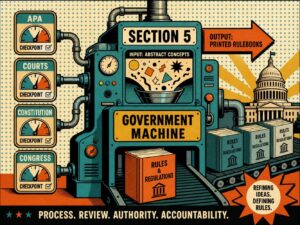
The Trump administration says it wants to end federal censorship. Its recent statements suggest something else. In the executive order “Restoring Freedom of Speech and Ending Federal Censorship,” the White House asserted: The First Amendment to the United States Constitution, an amendment essential to the success of our Republic, enshrines the right of the American ... The FCC’s Sleeping Power Over the Press

The 65-Year-Old Law That Still Shapes How You Watch Sports
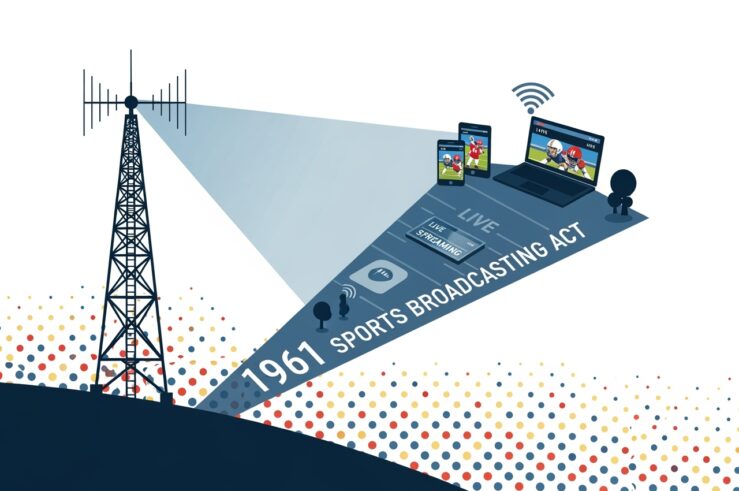
Earlier this month, Federal Communications Commission (FCC) Chairman Brendan Carr asked a pointed question: what happens to local broadcasting if live sports keep migrating to streaming platforms? In a public notice, the FCC seeks comment on sports-broadcasting practices and market developments. The agency focuses on the growing shift of live sports from national broadcast networks ... The 65-Year-Old Law That Still Shapes How You Watch Sports
Gigabit or Bust: The Mirage of Insufficient Broadband Competition
Regulators keep searching for a simple test to declare broadband markets “competitive.” The California Public Utilities Commission’s Public Advocates Office (Cal Advocates) thinks it found one: count gigabit networks. If a market lacks multiple overlapping gigabit-capable systems, Cal Advocates suggests in a report released last month, regulators should treat it as effectively noncompetitive. That framing ... Gigabit or Bust: The Mirage of Insufficient Broadband Competition

The FCC Still Thinks You Have Rabbit Ears
Federal video regulation still treats broadcast, cable, and streaming as separate worlds. Consumers do not. The gap between how the law classifies video services and how people actually watch them is widening, and it increasingly distorts competition across the modern media marketplace. Last week, the International Center for Law and Economics (ICLE) hosted a panel ... The FCC Still Thinks You Have Rabbit Ears

The Platform in Your Living Room
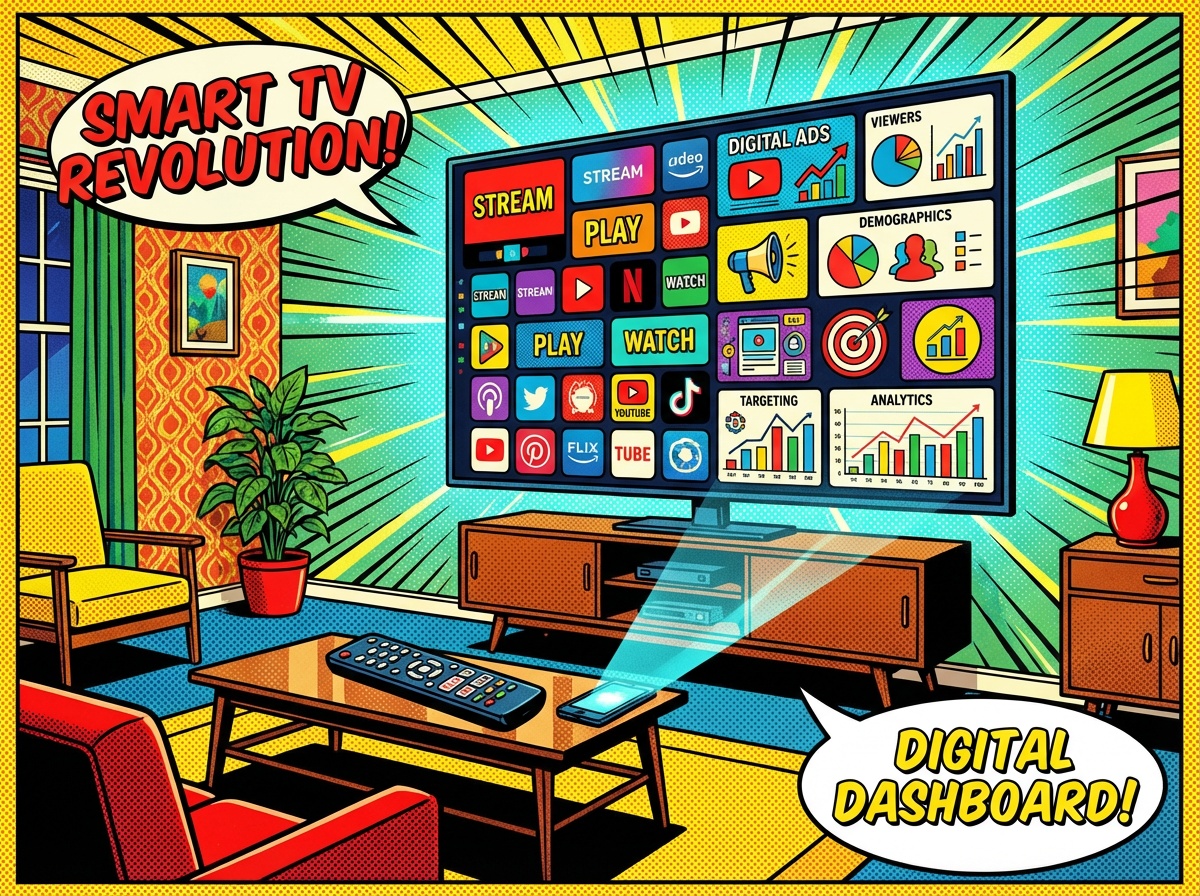
Over the last few decades, antitrust scholars and practitioners have scrutinized the role of platforms—particularly intermediaries—in the internet economy. Many intermediary platforms also compete in the markets they facilitate. That dual role raises familiar concerns about self-preferencing and the risk that a firm may advantage its own products or services. Regulators have focused primarily on ... The Platform in Your Living Room
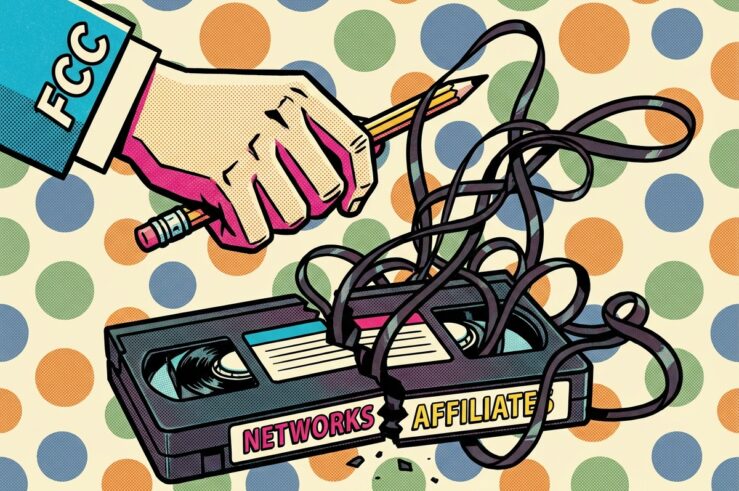
Affiliates vs Networks: The FCC’s Attempt to Rewind a Broken Tape
The Trump administration has had a mixed approach to date on reforming the broadcasting rules. On one hand, broadcast-ownership reforms have been a key issue this year for Republican appointees at the Federal Communications Commission (FCC), as they seek to help struggling broadcasters keep pace with their digital rivals. On the other hand, the president ... Affiliates vs Networks: The FCC’s Attempt to Rewind a Broken Tape
Rules Down, Rockets Up: The Year Telecom Policy Hit Reset
The Federal Communications Commission (FCC) and National Telecommunications and Information Administration (NTIA) have had a busy year on numerous fronts, but perhaps none more important than their work on broadband deployment and adoption. At the FCC, Chairman Brendan Carr made his “Build America” agenda a key agency priority, while the NTIA implemented a variety of ... Rules Down, Rockets Up: The Year Telecom Policy Hit Reset

Troubling Content Quotas Down Under
The Australian Content Requirements for Subscription Video on Demand Bill 2025 (ACO Bill), introduced earlier this month in the Parliament of Australia, would require large video-streaming platforms to spend either 10% of their Australian expenditures or 7.5% of their Australian revenues on locally produced original programs. While framed as a cultural measure, the bill functions ... Troubling Content Quotas Down Under
The Curious Case of ‘Competition’ in Broadcast Regulation
The Federal Communications Commission (FCC) recently kicked off its latest quadrennial review of broadcast-ownership rules, a statutorily mandated process to determine whether changes in the media marketplace obviate the need for the rules and if they still serve the public interest. Theoretically, this should encompass economic analysis of the competitive effects of the various technologies ... The Curious Case of ‘Competition’ in Broadcast Regulation