Showing archive for: “South & Central American Law”
Before Brazil Scrubs In: The Case Against Digital-Market Surgery
Brazil’s digital markets do not need a regulatory savior so much as a careful doctor. Bill 4,675/2025 arrives with the bedside manner of a reform, but the instruments of major surgery: a new bureaucracy, decade-long designations, and open-ended obligations for firms deemed systemically important. Before Congress scrubs in, it should ask whether the patient is ... Before Brazil Scrubs In: The Case Against Digital-Market Surgery

From Buenos Aires to the World: Trading Away Distortions
The United States and Argentina signed a trade and investment liberalization agreement last week aimed squarely at market distortions. The pact would cut tariff and non-tariff barriers, while targeting entrenched Argentine government-sponsored anticompetitive practices. The agreement offers a template for future Trump administration trade deals that focus on such distortions. More broadly, initiatives of this ... From Buenos Aires to the World: Trading Away Distortions

Apple in Brazil: Ex Post Antitrust Meets Ex Ante Ambitions
Brazil’s competition authority (CADE) and Apple signed a Dec. 29 settlement agreement (Termo de Compromisso de Cessação, or TCC) resolving a high-stakes antitrust investigation Mercado Livre initiated in 2022 in Brazil and Mexico. Mercado Livre is Latin America’s leading e-commerce and marketplace platform. The agreement marks a watershed moment for Brazil’s digital economy. CADE will ... Apple in Brazil: Ex Post Antitrust Meets Ex Ante Ambitions

Will Brazil Subtly Sweep Consumer Welfare Under the Rug?
Brazil’s long-anticipated Bill 4,675/2025, which President Luiz Inácio Lula da Silva’s government submitted last month to Congress, proposes to enact ex-ante regulation for digital markets (I offered an initial assessment here). While presented as a natural evolution of competition law, the proposal would instead alter some foundational aspects of the Brazilian antitrust framework. The measure ... Will Brazil Subtly Sweep Consumer Welfare Under the Rug?

Brazil’s Digital Markets Bill: A DMA Through the Back Door?
The Brazilian government’s executive branch hosted a political ceremony last week in which it unveiled its “Digital Brazil Agenda,” which proposes six government projects to build a “safer, more competitive, and more innovative digital environment.” The most high-profile of these was the Digital Child and Teenager Act, which would set rules for how social-media platforms ... Brazil’s Digital Markets Bill: A DMA Through the Back Door?

Beyond the Bark: Brazil’s Prudent Path in Digital Regulation
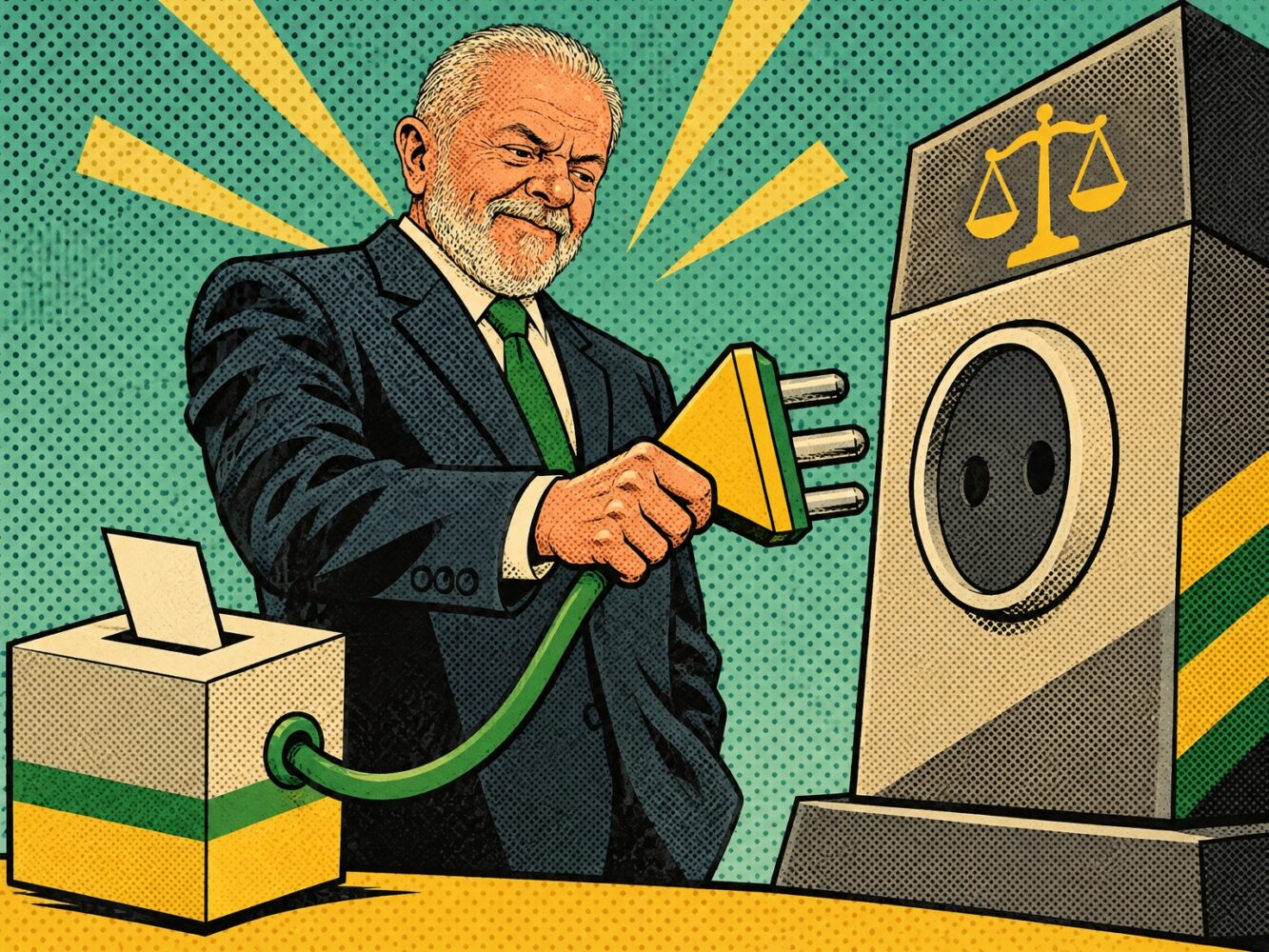
Brazilian President Luiz Inácio Lula da Silva recently endorsed giving the Administrative Council for Economic Defense (CADE) much more power to regulate Big Tech, even as U.S. President Donald Trump threatens to impose tariffs “on countries whose taxes, legislation and regulations target US big tech companies such as Google, Meta, Amazon and Apple.” Trump’s declaration ... Beyond the Bark: Brazil’s Prudent Path in Digital Regulation

Lessons from the UK for Brazil’s Digital Market Strategy
Brazil is broadly expected to move forward in the very near future with plans to adopt ex-ante competition regulations to govern digital platforms. Indeed, in the wake of a public consultation launched by the Ministry of Finance in early 2024, President Luiz Inácio Lula da Silva and the administration have spent much of the past ... Lessons from the UK for Brazil’s Digital Market Strategy

The View from Brazil: A TOTM Q&A with Gustavo Augusto Freitas de Lima
Gustavo, could you please tell us a bit about yourself and your professional background? I’m a law practitioner with a master’s degree in law and public policy, specializing in constitutional and administrative law. I served as a federal attorney and litigator before the Brazilian Supreme Court and was appointed by the attorney general as the ... The View from Brazil: A TOTM Q&A with Gustavo Augusto Freitas de Lima

Rearranging Deck Chairs on the Titanic of Latin American Competition Policy
Competition authorities and policymakers around the world have devoted a growing proportion of their time and resources over the last decade to digital markets. Typically, this attention has been accompanied by vocal antipathy toward large digital platforms, as regulators and lawmakers invoke the need to “rein in digital monopolies” that allegedly cause a broad array ... Rearranging Deck Chairs on the Titanic of Latin American Competition Policy

Is Brazil’s Digital Markets Proposal Based on Genuine Consensus or Unproven Narrative?
A popular narrative has emerged in Brazil in recent years about the “genuine consensus” supporting the need for more stringent regulation of digital markets. This narrative has been fueled by a growing number of cases of alleged anticompetitive conduct by so-called “global mega-corporations,” including the Mercado Livre/Apple case and the more recent Meta/Apple case. The ... Is Brazil’s Digital Markets Proposal Based on Genuine Consensus or Unproven Narrative?
Parsing Brazil’s ‘More Flexible’ Approach to Digital Markets
Following an extensive consultation period, Brazil’s Ministério da Fazenda (Ministry of Finance) last October unveiled its final digital-platform report. Given the public stances previously taken by Brazil’s would-be digital regulators—the antitrust agency Conselho Administrativo de Defesa Econômica (CADE) and the telecommunications regulator Agência Nacional de Telecomunicações (Anatel)—it was likely inevitable that the report would endorse ... Parsing Brazil’s ‘More Flexible’ Approach to Digital Markets

What the IMF Gets Wrong About Costa Rica’s Payment-Card Caps
The Asamblea Legislativa de la República de Costa Rica (Costa Rica’s legislature) moved in 2020 to empower the Banco Central de Costa Rica (BCCR), the nation’s central bank, to impose price controls on fees charged by both payment-card issuers and acquirers. I have written previously about the perverse effects these price controls can generate (here, ... What the IMF Gets Wrong About Costa Rica’s Payment-Card Caps