Brazilian President Luiz Inácio Lula da Silva recently endorsed giving the Administrative Council for Economic Defense (CADE) much more power to regulate Big Tech, even as U.S. President Donald Trump threatens to impose tariffs “on countries whose taxes, legislation and regulations target US big tech companies such as Google, Meta, Amazon and Apple.”
Trump’s declaration followed an executive order he signed in February that pledged the U.S. government’s commitment to defend American companies against asymmetric international regulations. Brazil, however, has not backed down. Even after the United States imposed 50% tariffs on Brazilian imports, for example, da Silva doubled down on regulating and taxing U.S. tech firms. More recently, he responded to Trump that “any company operating in Brazil, whether Russian, Chinese, or American, must follow Brazilian regulations”.
Brazil is, of course, both a sovereign country and an important market—a “chronically online nation of 212 million”, as the New York Times put it. Brazilians are a proud people and rightly see their country as an important player in Latin America, if not the world. As could have been predicted, Trump’s tactics and message have generated backlash, with more support for the current Brazilian authorities and their proposals.
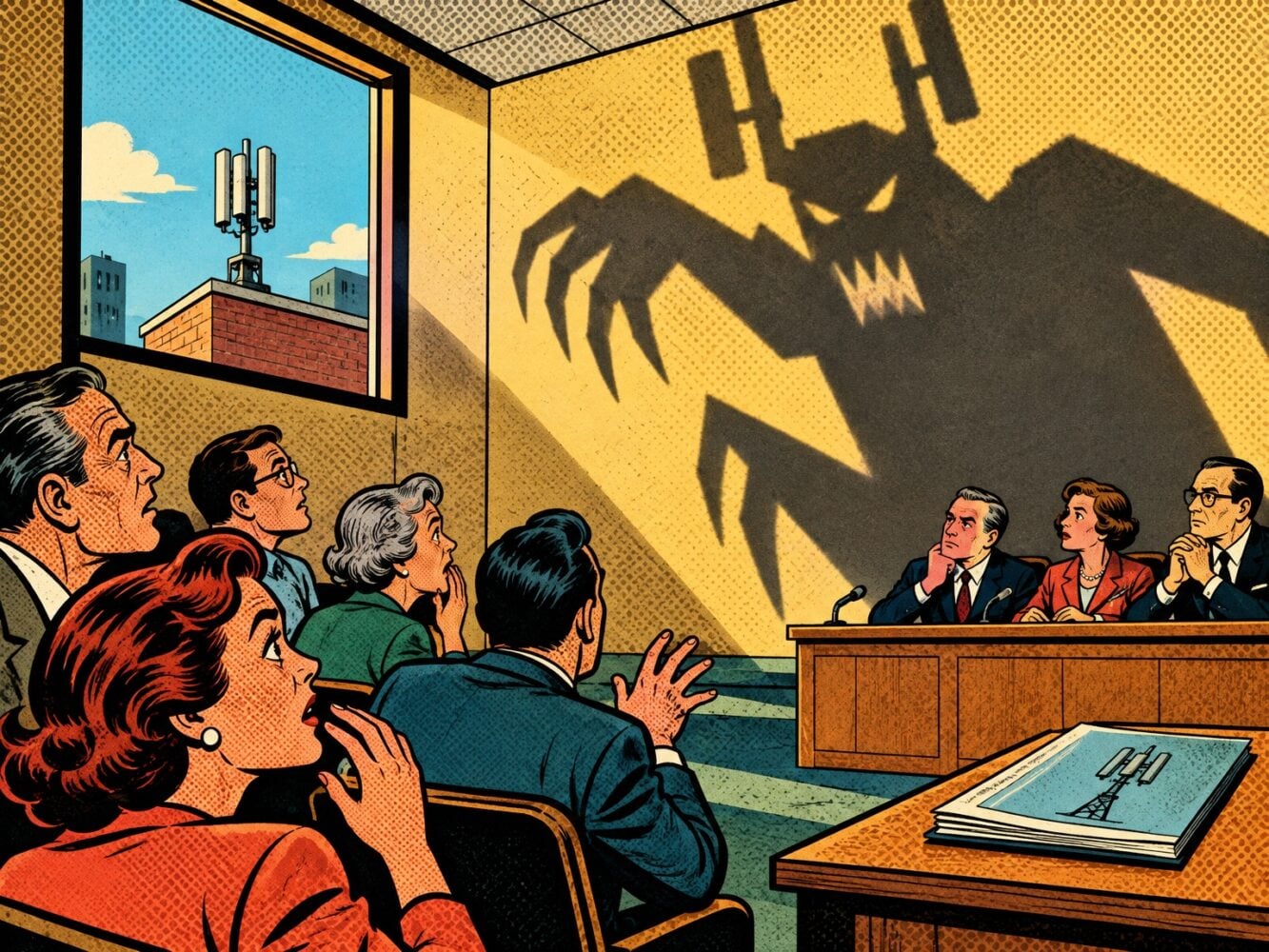
But entering into a game of tug-of-war against Trump could be a dangerous miscalculation. Beneath the bluster, there’s a kernel of truth that demands attention: many of the proposed digital-market regulations, while framed as universally beneficial, disproportionately affect U.S. technology giants and, whether intentional or not, can favor local tech companies. It does not appear to be a goal of these bills to favor Brazilian digital companies over American companies, but Trump and other U.S. politicians could have that impression from what has happened in other jurisdictions. This underlying dynamic, coupled with Trump’s proven willingness to use tariffs as a weapon, makes the threat a credible one.
Trump’s threat now extend beyond digital markets regulation to even traditional antitrust enforcement. After the European Commission fined Google about €2.95 billion (US$ 3.5 billion) for the allegedly anti-competitive behavior in the ad-tech market, Trump called the move “unfair” and warned he might launch a trade investigation, and possibly impose tariffs, unless the decision is reversed. This echoes his earlier posture and reinforces that even regular antitrust actions abroad, beyond these new regulatory moves, can trigger US reprisals.
For Brazil, the prospect of U.S. tariffs is not merely an abstract policy debate; it’s a tangible threat to export industries, economic growth and, ultimately, Brazilians’ livelihoods. According to Brazilian government estimates, 35.9% (US$14.5 billion) of Brazilian exports to the United States would be affected by Trump’s 50% tariff’s rule; 44.6% (US$18 billion) would be excluded from the general 50% tariffs rule; and 19.5% (US$7.9 billion) would be levied on specific and different tariffs.
The agricultural sector, a cornerstone of Brazil’s economy, could be particularly vulnerable and suffer various differing consequences. For example, while orange juice was excluded from the 50% general tariff, coffee and beef were covered. Any disruption to trade flows with the United States, Brazil’s second-largest trading partner, would send shockwaves through the economy, affecting everything from commodity prices to employment rates. The Federation of São Paulo State’s Industries noted that a study by Cedeplar UFMG found the effects of Trump’s tariffs would be to lower Brazilian GDP by 0.2% in 2025 and 0.38% in 2026, with those sectors affected by the general 50% tariff suffering the greatest impact.
Some might argue in favor of a principled stance for sovereignty. Prudence, however, dictates that, even in the face of perceived pressure, a nation must prioritize the well-being of its people. Is the potential benefit of a new digital regulation, often speculative and difficult to quantify, worth the concrete and immediate risk of significant economic harm in a direct dispute between the presidents of the two nations?
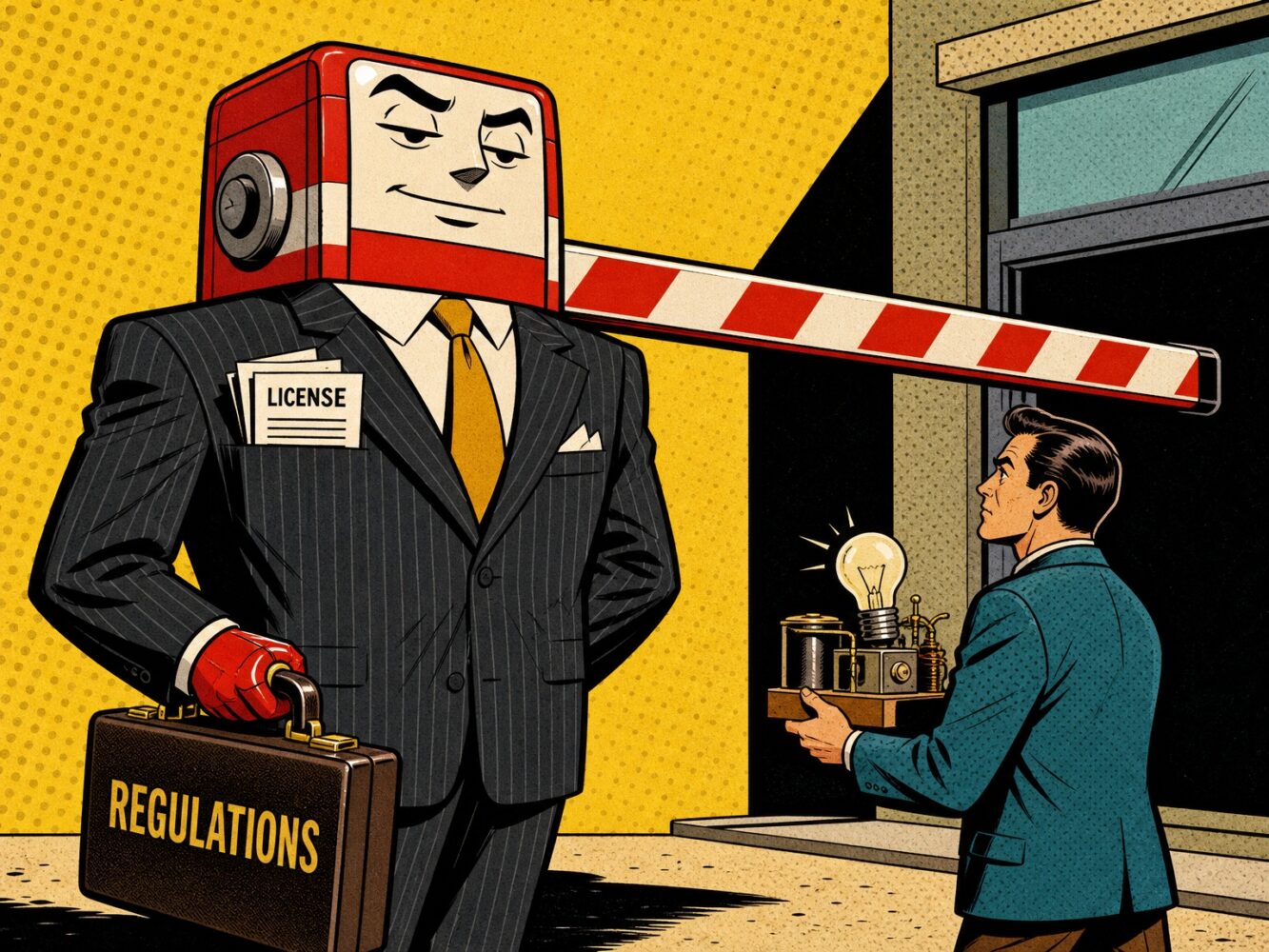
This brings us to the heart of the argument: countries should carefully assess whether regulating digital markets is truly necessary, and whether it should rank as a genuine public-policy priority, given the scarcity of enforcement resources. Everything indicates that, in Brazil, there is a consensus to do so. But recognizing the risks of ex-ante, general, and rigid regulation, the country has prudently shifted to a more flexible case-by-case, approach (although not exempt of risks).
Given the obvious geopolitical threat, any new regulations should include limiting principles that ensure interventions would actually benefit consumers (such as, for instance, provisions that tether “gatekeeper” designations to significant market power) and the possibility of efficiency defenses. Waiting for more evidence regarding the functioning of similar ex-ante digital regulation regimes would certainly enrich the discussion. Waiting for the outcome of the antitrust cases that CADE has initiated against some digital platforms would also be prudent.
The latter is a crucial point. Antitrust law already provides tools to address many of the harms invoked to justify new digital market regulations. While imperfect, it remains flexible enough to curb anticompetitive behavior, without prohibiting practices that are efficient and benefit consumers. Even if choosing not to pass such regulations were ultimately a mistake, there would still be room to adopt them later. By contrast, the costs of error run much deeper: once enacted, laws and regulations are far harder to reverse.
In sum, the message for Brazil is clear: proceed with caution. The threat of higher U.S. tariffs is a serious economic risk that cannot be ignored. While the impulse to regulate large tech companies is understandable from a sovereignty perspective, the potential costs of doing so—especially in today’s volatile geopolitical climate—are substantial.