Showing archive for: “Legislation & Statutory Interpretation”
The DMA’s Magic Words and Missing Off Switch
The European Union’s Digital Markets Act (DMA) depends on two terms that lawmakers never defined. “Fairness” and “contestability” determine how the European Commission measures gatekeeper compliance, imposes new obligations, and grades its own performance every three years. The law uses both terms liberally but explains neither. Recital 79 even promises that the Commission will apply ... The DMA’s Magic Words and Missing Off Switch

One AI, Two Rulebooks: Brussels’ ChatGPT Conundrum
ChatGPT can draft a memo, plan a trip, and search the web. As of Aug. 31, it can add another line to its regulatory résumé: The European Commission has designated it a “very large online search engine” under the Digital Services Act (DSA). The label may sound technical, but it captures a central problem for ... One AI, Two Rulebooks: Brussels’ ChatGPT Conundrum

Fiber Freeze: How Maple Grove Made a Cable Franchise the Price of Broadband
The Federal Communications Commission’s (FCC) Build America Agenda rests on a simple premise: Stop making it so hard to build. Federal and state policymakers have spent years reducing permitting delays, resolving pole-attachment disputes, and easing access to public rights-of-way—the public corridors used for infrastructure such as roads, utility poles, and fiber lines. These obstacles slow ... Fiber Freeze: How Maple Grove Made a Cable Franchise the Price of Broadband

Cartels With Benefits: The Trouble With Extending Labor’s Antitrust Exemption
Antitrust law’s usual instruction to competitors who agree on price is admirably brief: Don’t. Labor law makes a deliberate exception for employees who bargain collectively. Advocates now want that exception to cover at least some independent contractors, including rideshare drivers, truck owner-operators, consultants, and other small-business owners. The proposal may sound like a tidy way ... Cartels With Benefits: The Trouble With Extending Labor’s Antitrust Exemption

Google, the Unruh Act, and the Legal Risk of Knowing Your Audience
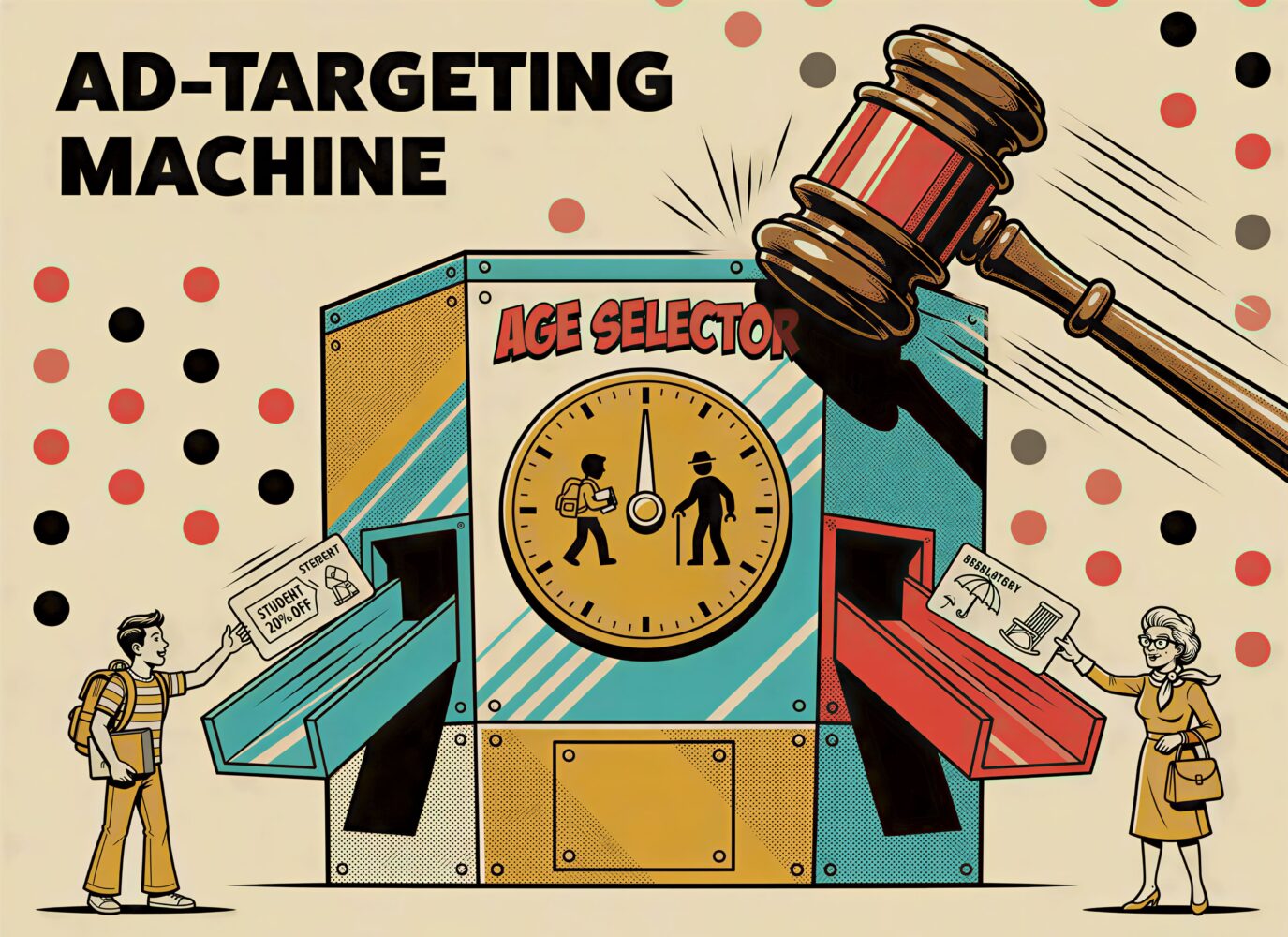
Advertising’s oldest rule is simple: Know your audience. In California, following it may get an online platform sued. Show retirement-home ads to seniors and student discounts to college students, and sensible targeting can suddenly look like unlawful discrimination. That question is now before California’s Sixth Appellate District. The dispute arises from a trial court ruling in ... Google, the Unruh Act, and the Legal Risk of Knowing Your Audience
Brussels Tries to Fix the GDPR Without Making It Worse
Brussels has spent years proving that the easiest way to “fix” the General Data Protection Regulation (GDPR) is to give more power to the institutions that made it unworkable. The Digital Omnibus initially looked ready to continue that tradition. Now, somewhat improbably, several EU governments appear determined to try actual reform instead. Ireland assumed the ... Brussels Tries to Fix the GDPR Without Making It Worse

Too Many Cooks Spoil the Settlement
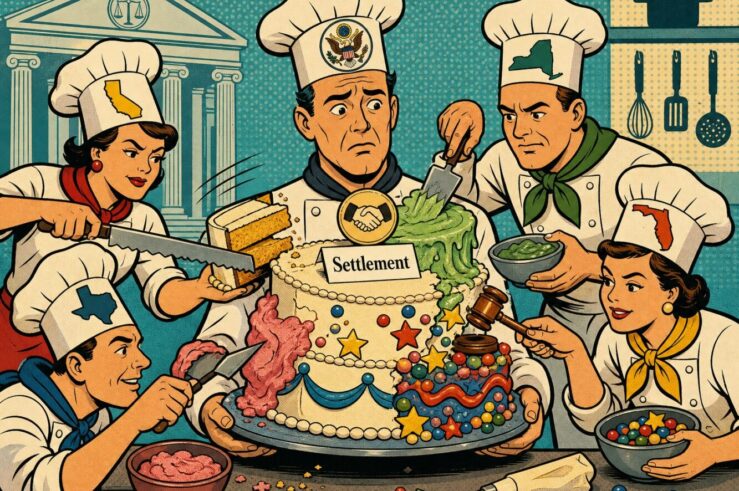
In American antitrust, clearing the federal gate increasingly means arriving at the state turnstiles. State attorneys general play a valuable role when harms are local or federal investigators miss key facts. But serial challenges to nationally integrated conduct turn that safeguard into a standing invitation to relitigate. The result is a system in which no ... Too Many Cooks Spoil the Settlement
Pulling the 39% Thread: Why the FCC Must Fix More Than the Broadcast Cap
The Federal Communications Commission’s (FCC) 39% broadcast-ownership cap is a rule for a three-network world trying to govern a streaming one. Retiring it makes sense. Retiring it by itself does not. For four decades, the FCC has barred any company from owning television stations that collectively reach more than 39% of U.S. television households. The ... Pulling the 39% Thread: Why the FCC Must Fix More Than the Broadcast Cap

The FTC’s AI Accuracy Statement Needs a Fact Check
A policy statement about accuracy should, at minimum, be precise. The Federal Trade Commission’s (FTC) Proposed Policy Statement Concerning the Suppression of Accuracy in Artificial Intelligence Systems (AI Policy Statement) struggles with that assignment. The International Center for Law & Economics (ICLE) submitted comments in response to the FTC’s request for input, and this post ... The FTC’s AI Accuracy Statement Needs a Fact Check

The Crime of Winning: How Europe’s DMA Punishes Google for Competing
Brussels has found a new way to punish success. Today, the European Commission fined Google €890 million under the Digital Markets Act (DMA) for two familiar business practices—featuring its own products and charging for customers its platform helps attract. The Commission imposed €460 million for “self-preferencing,” or giving Google’s services prominent placement in search results, ... The Crime of Winning: How Europe’s DMA Punishes Google for Competing

Europe’s Privacy Paradox: Fort Knox for Search Data, a Checkbox for Your Phone
Brussels has developed a curious theory of digital privacy. Anonymous search queries need audits, screening, and a security cordon. Your messages, microphone, and screen can make do with a checkbox. That is the logic running through two decisions the European Commission adopted last week involving the same company, under the same law, on the same ... Europe’s Privacy Paradox: Fort Knox for Search Data, a Checkbox for Your Phone

The SEARCH Act Copies Europe’s Homework—and Its Mistakes
Some in Congress want to make online search more competitive by deciding in advance how search competition should work. Sens. Amy Klobuchar (D-Minn.) and Eric Schmitt (R-Mo.) introduced the Securing Enforcement of Americans’ Right to Competition at Home (SEARCH) Act earlier this month. Billed as a bipartisan effort to protect consumers and curb Big Tech’s ... The SEARCH Act Copies Europe’s Homework—and Its Mistakes