Showing archive for: “Law Politics & the Media”
The War on Social Media Is Really a War on Community
Australia’s online-safety amendment took effect Dec. 10, banning social-media use nationwide by individuals under age 16. Under terms of the law, social-media platforms that fail to take “reasonable steps” to prevent minors from registering and maintaining accounts may face fines up to A$49.5 million. It now appears that the European Commission, France, Denmark, Greece, Romania, ... The War on Social Media Is Really a War on Community

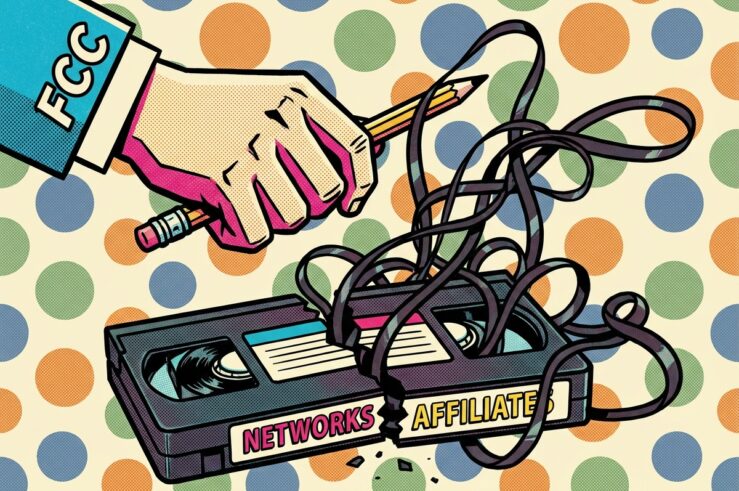
Affiliates vs Networks: The FCC’s Attempt to Rewind a Broken Tape
The Trump administration has had a mixed approach to date on reforming the broadcasting rules. On one hand, broadcast-ownership reforms have been a key issue this year for Republican appointees at the Federal Communications Commission (FCC), as they seek to help struggling broadcasters keep pace with their digital rivals. On the other hand, the president ... Affiliates vs Networks: The FCC’s Attempt to Rewind a Broken Tape
Streaming Market Shares: Error 404, Data Not Found
No matter who acquires Warner Bros. Discovery, whether it’s ultimately Netflix or Paramount Skydance, the deal will be one of the largest media mergers in history. Yet antitrust authorities reviewing these transactions face an unusual obstacle: they cannot reliably calculate market shares for the streaming services at the heart of the proposed deals. The standard ... Streaming Market Shares: Error 404, Data Not Found

Evaluating the Sale of Warner Bros Discovery to Netflix from an Antitrust Perspective
Warner Bros. Discovery (WBD) has announced that it is selling its major assets to Netflix, including Warner Bros. Pictures (home of Harry Potter), DC Studios, and HBO Max. Netflix was chosen among a group of bidders that also included Paramount and Comcast. This post explores some of the antitrust issues and hurdles that a combined ... Evaluating the Sale of Warner Bros Discovery to Netflix from an Antitrust Perspective

Metrics, Markets, and Merger Scrutiny: A Netflix-WBD Combination
This morning’s announced merger between Netflix and Warner Bros. Discovery (WBD) would create a global media company of unprecedented scale. The transaction will also almost certainly attract scrutiny from antitrust regulators—most likely the U.S. Justice Department (DOJ) Antitrust Division, rather than the Federal Trade Commission (FTC). The deal would offer a direct test of the ... Metrics, Markets, and Merger Scrutiny: A Netflix-WBD Combination
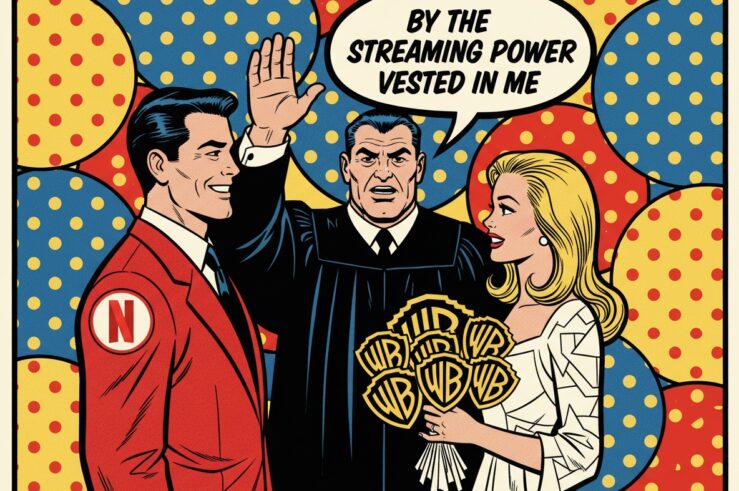
Warner Bros Discovery Sale May Raise Antitrust Questions
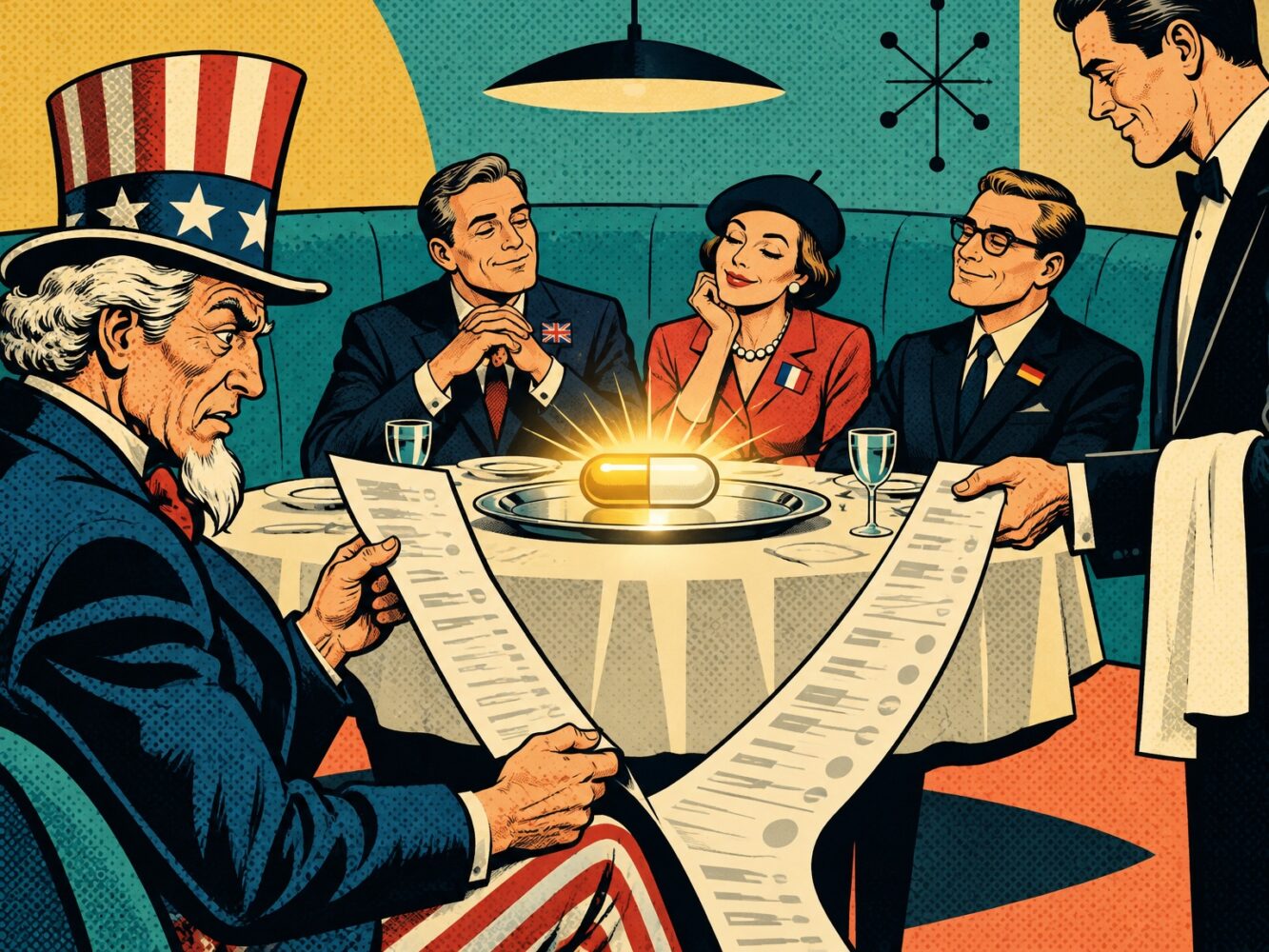
Decades ago, home entertainment consisted of three television channels. Then came cable TV, the videocassette recorder, and the internet. Today, we are in another entertainment revolution, as people are cutting the cord on cable TV and turning to dozens of streaming services for their entertainment. And now, Warner Bros. Discovery (WBD) is seeking buyers for ... Warner Bros Discovery Sale May Raise Antitrust Questions
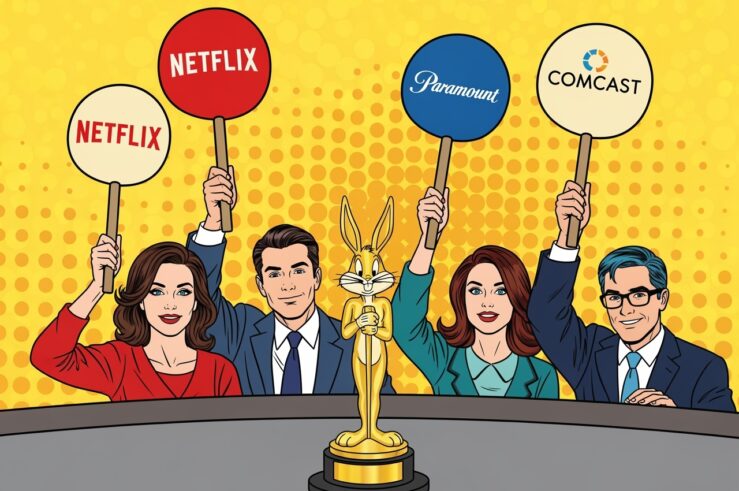
The FCC’s Ambivalent Approach to Broadcast Regulation
A pair of proceedings currently before the Federal Communications Commission (FCC) illustrate a puzzling incongruity. While the agency proposes in one docket to eliminate broadcasters’ ownership restrictions, in another, it explores imposing new regulations on their contractual relationships. This divergence highlights how the FCC’s flexible application of the “public interest” standard may serve the interests ... The FCC’s Ambivalent Approach to Broadcast Regulation
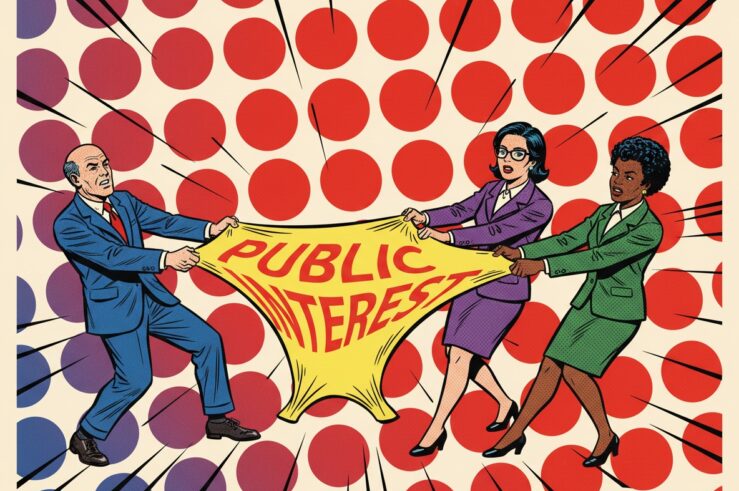
Troubling Content Quotas Down Under
The Australian Content Requirements for Subscription Video on Demand Bill 2025 (ACO Bill), introduced earlier this month in the Parliament of Australia, would require large video-streaming platforms to spend either 10% of their Australian expenditures or 7.5% of their Australian revenues on locally produced original programs. While framed as a cultural measure, the bill functions ... Troubling Content Quotas Down Under
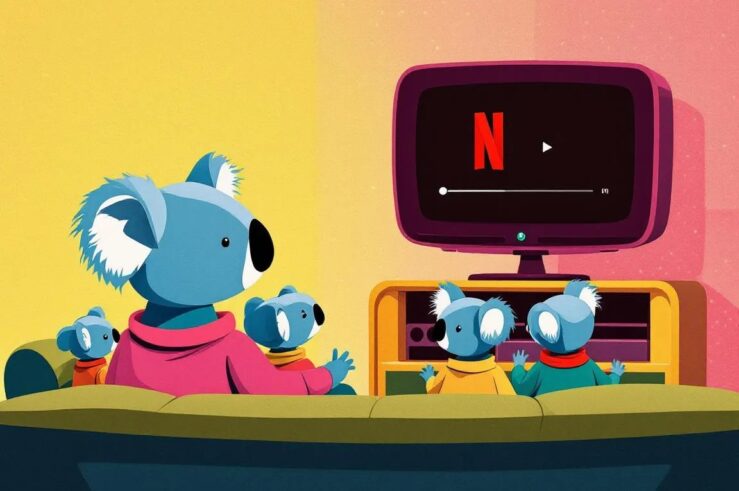
The Curious Case of ‘Competition’ in Broadcast Regulation
The Federal Communications Commission (FCC) recently kicked off its latest quadrennial review of broadcast-ownership rules, a statutorily mandated process to determine whether changes in the media marketplace obviate the need for the rules and if they still serve the public interest. Theoretically, this should encompass economic analysis of the competitive effects of the various technologies ... The Curious Case of ‘Competition’ in Broadcast Regulation

First Amendment Jurisprudence Should Reflect Economic Reality: Why Red Lion and Pacifica Must Fall
The U.S. legal landscape is riddled with anachronisms, but few are as indefensible and economically nonsensical as the justifications for regulating broadcast content. This bizarre notion that radio and television broadcasters deserve fewer First Amendment protections than newspapers, websites, or cable networks is a vestige of mid-20th-century technological reasoning that has long overstayed its constitutional ... First Amendment Jurisprudence Should Reflect Economic Reality: Why Red Lion and Pacifica Must Fall

Broadcast, Cable, and Creative Destruction: What This Year’s Nobel Teaches Us About Cord Cutting
The timing could hardly be better. As traditional television continues on its years-long decline—with millions of cable subscribers cutting the cord, broadcast audiences shrinking, and streaming splintering into a dozen rival platforms—this year’s Nobel Memorial Prize in Economic Sciences has gone to three scholars who have spent their careers studying this very kind of market ... Broadcast, Cable, and Creative Destruction: What This Year’s Nobel Teaches Us About Cord Cutting
A Clean Slate Approach to Broadcast Regulation
The Federal Communications Commission’s (FCC) recently issued notice calling for a review of the agency’s broadcast-ownership rules raises a foundational question: what purpose do these rules serve in a world of digital abundance? Indeed, FCC Chair Brendan Carr has observed the fundamental changes in how broadcasters compete in a marketplace of “numerous online audio and ... A Clean Slate Approach to Broadcast Regulation