Showing archive for: “Public Goods & Regulation in Health Economics”
One Split Doesn’t Fit All: What CVS’ Breakup Really Says About PBM Reform
CVS Health plans to split in two, but its pharmacy benefit manager would still own a pharmacy business. That complicates any attempt to cast the breakup as an endorsement of laws banning such ownership. CVS wants to separate some services and keep others together. Should lawmakers let companies and their customers test those choices—or make ... One Split Doesn’t Fit All: What CVS’ Breakup Really Says About PBM Reform
The World Wants Cures. America Gets the Check.
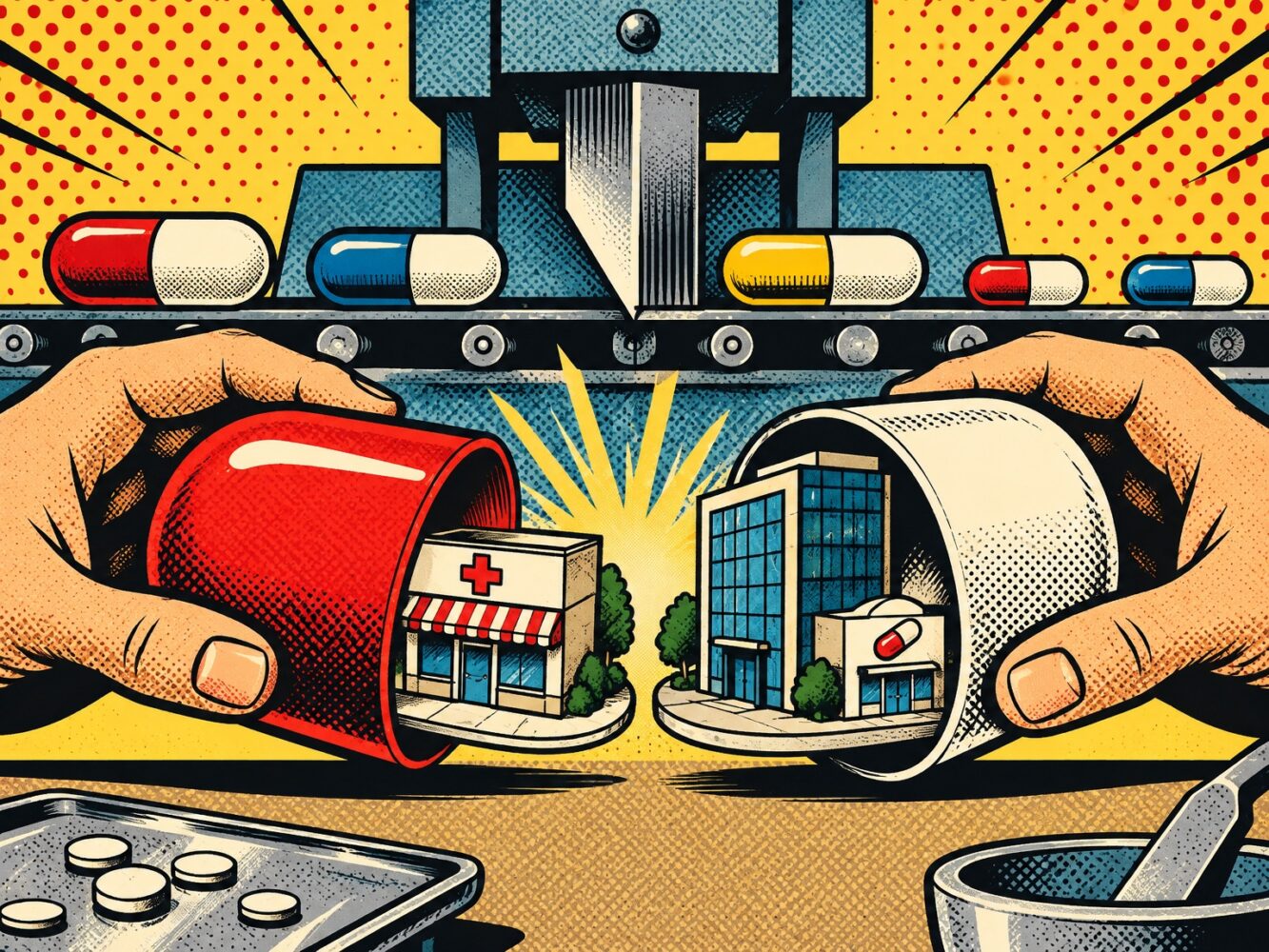
Everyone wants the next medical breakthrough. Few want the bill. The United States pays a disproportionate share of the cost of pharmaceutical innovation, while other wealthy countries hold down medicine prices and count on the research to keep coming. Yet much of the U.S. policy debate proposes copying their approach: because Americans frequently pay more ... The World Wants Cures. America Gets the Check.
Borrowed Prices: Pharmaceuticals and the American Tab
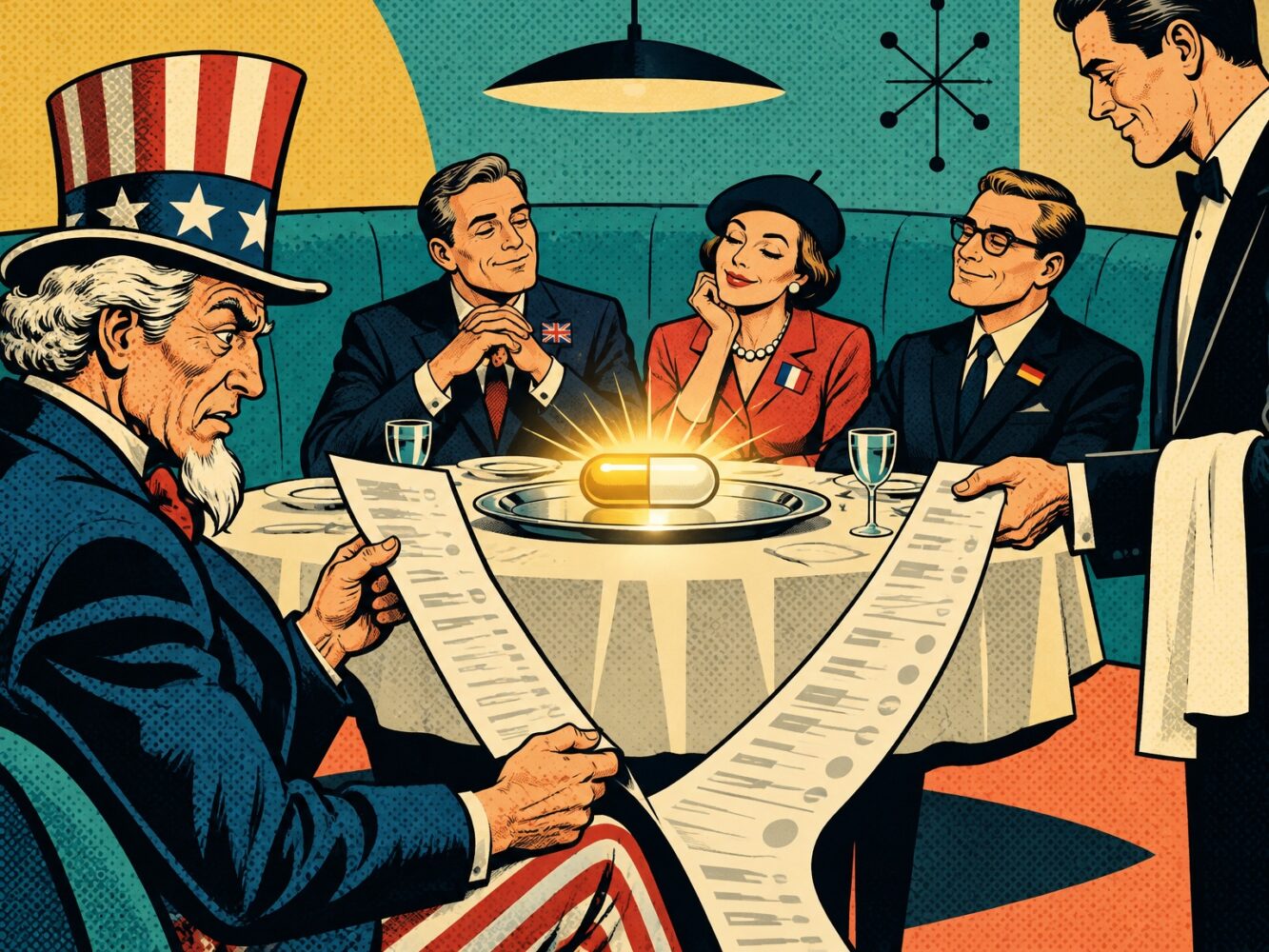
The Centers for Medicare & Medicaid Services (CMS) has proposed two sweeping Innovation Center models—the Global Benchmark for Efficient Drug Pricing Model (GLOBE) and the Guarding U.S. Medicare Against Rising Drug Costs Model (GUARD)—that would tie Medicare drug payments to prices set by foreign governments. Framed as pragmatic cost-containment tools, the models would import foreign ... Borrowed Prices: Pharmaceuticals and the American Tab

The FTC, Express Scripts, and the High Cost of Lower Copays
Nearly 17 months after the Federal Trade Commission filed suit against the nation’s three largest pharmacy benefit managers (PBMs), the agency has reached a settlement with one of them: Express Scripts. The complaint alleged that PBMs harmed competition and patients by inflating insulin prices. PBMs negotiate drug prices with pharmaceutical manufacturers and pharmacies on behalf ... The FTC, Express Scripts, and the High Cost of Lower Copays
Fraud, PBMs, and the Cost of Looking the Other Way
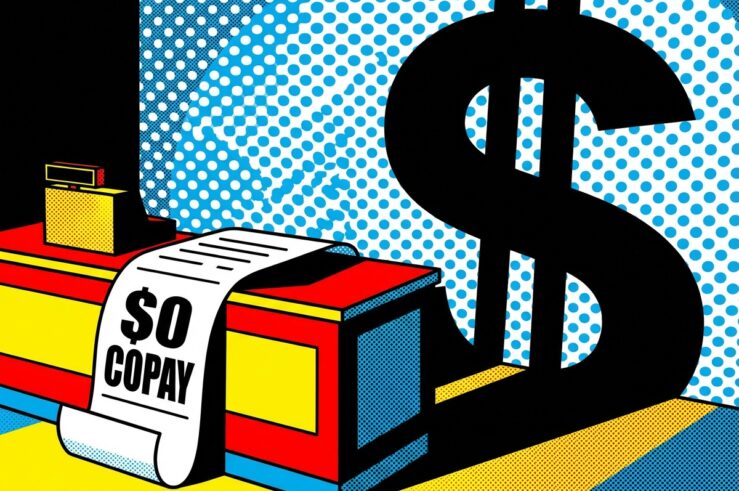
Last month, the U.S. House Judiciary Committee released an interim staff report examining CVS Health’s relationships with digital pharmacy services. Led by Chairman Jim Jordan (R-Ohio), the report takes aim at a core policy concern: rising health-care costs. It frames competition and innovation as central tools for addressing those costs, a welcome emphasis in a ... Fraud, PBMs, and the Cost of Looking the Other Way

The Many Tradeoffs of Trump’s ‘Fat Shot’ Deal
Earlier this month, President Donald Trump announced deals with drugmakers to reduce prices and expand access to GLP-1 weight-loss drugs like Ozempic, Zepbound, and Wegovy. Originally developed to help diabetics manage their blood sugar, the drugs mimic the natural hormone glucagone-like-peptide-1 (GLP-1). GLP-1s trigger the pancreas to release insulin at times of high blood-sugar levels, ... The Many Tradeoffs of Trump’s ‘Fat Shot’ Deal

The Risks of Adopting Foreign Price Controls for Drugs
Recent reports indicate that President Donald Trump is urging House Republicans to adopt a “most favored nation” (MFN) policy for Medicaid drug purchasing, linking U.S. prices to the lowest rates paid by other countries. While the goal of reducing Medicaid costs is understandable—particularly amid growing concerns about drug affordability—relying on foreign pricing benchmarks would risk ... The Risks of Adopting Foreign Price Controls for Drugs

Back to the Future (of Competition Research and Advocacy)
The Federal Trade Commission (FTC) announced April 14 that it has “launched a public inquiry into the impact of federal regulations on competition, with the goal of identifying and reducing anticompetitive regulatory barriers.” A request for public comment (RPC) on the inquiry has also been published in the Federal Register. Bravo. The inquiry will not ... Back to the Future (of Competition Research and Advocacy)

The FTC Takes On Pharmaceutical Benefit Managers
The Federal Trade Commission (FTC) announced Sept. 20 that it was suing the three largest pharmaceutical benefit managers (PBMs)—Caremark Rx, Express Scripts (ESI), and Optum—alleging competition and consumer-protection law violations. This commentary provides information on controversies surrounding the economic effects of PBMs that led up to the suit. A follow-up commentary will assess the lawsuit ... The FTC Takes On Pharmaceutical Benefit Managers

The FTC Case Against PBM Rebates
About a month ago, the Wall Street Journal reported that the Federal Trade Commission (FTC) was preparing an antitrust suit against the nation’s three largest pharmaceutical benefit managers (PBMs), the intermediaries who negotiate drug prices on behalf of insurers and who manage benefits for nearly nine in 10 insured Americans. This development followed a two-year ... The FTC Case Against PBM Rebates

The WHO’s Insufficient Curiosity and Humility
Five months from now, health ministers from the 194 sovereign states recognized by the United Nations (UN) will meet in Geneva to discuss and possibly agree to amendments to the International Health Regulations (IHRs), which are intended to “prevent, protect against, prepare, control and provide a public health response to the international spread of diseases.” ... The WHO’s Insufficient Curiosity and Humility

Three Problems with Accelerated Access: Will They Be Overcome?
This post discusses three important problems with the Food and Drug Administration’s (FDA) accelerated-approval process. The first is that regulatory authorities and patient groups maintain that, legally, the standards of accelerated approval are the same as standard approval. Yet from a risk perspective, the standards are quite different; by shifting risk taking from regulator to ... Three Problems with Accelerated Access: Will They Be Overcome?