Showing archive for: “Property Casualty & Life Insurance”
Old Insurance Wisdom for New AI Risks
Artificial intelligence (AI) may be new to the insurance market, but uncertainty is an old customer. Insurers have spent centuries figuring out how to price unfamiliar risks, reward precautions, and avoid betting the whole portfolio on the same weak link. AI gives them new facts to assess, not a reason to discard that experience. In ... Old Insurance Wisdom for New AI Risks

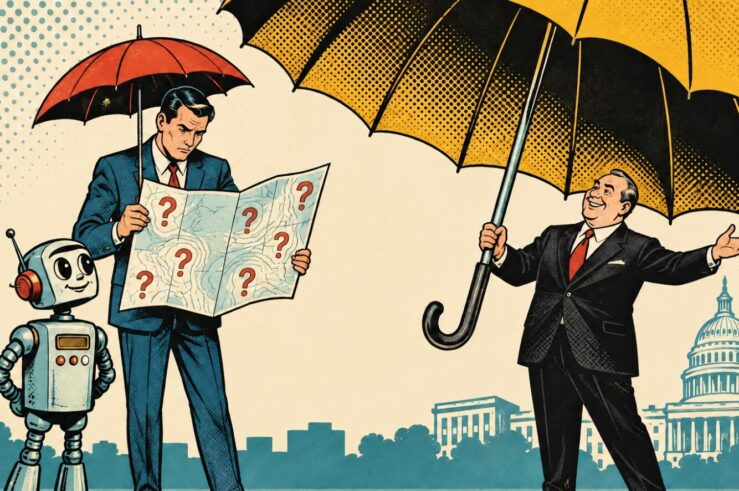
AI Insurance and the Backstop Reflex: A Policy for Every Risk, a Taxpayer for Every Loss
Washington has a standard playbook when it comes to emerging commercial risks: Make companies buy insurance coverage, then put taxpayers behind the losses. That prescription is gaining fans as artificial intelligence (AI) creates new liability risks. It skips the question insurers need answered first. What, exactly, will courts hold their customers liable for? Nearly a ... AI Insurance and the Backstop Reflex: A Policy for Every Risk, a Taxpayer for Every Loss
Private Credit, Public Panic: Why Life Insurers Are Stronger Than the Headlines Suggest
Private credit has become the financial system’s latest designated villain: opaque, fast-growing, and—depending on the headline—one bad quarter away from dragging insurers, banks, and retirees down with it. For the past two years, warnings about life insurers’ private-credit investments have become a staple of financial commentary. In 2024, the International Monetary Fund cautioned that private ... Private Credit, Public Panic: Why Life Insurers Are Stronger Than the Headlines Suggest

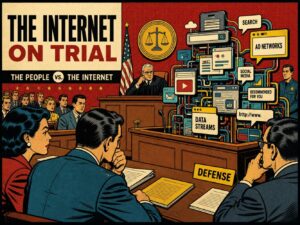
How Changing Section 230 Could Disrupt Insurance Markets
In recent years, a diverse cross-section of advocates and politicians have leveled criticisms at Section 230 of the Communications Decency Act and its grant of legal immunity to interactive computer services. Proposed legislative changes to the law have been put forward by both Republicans and Democrats. It remains unclear whether Congress (or the courts) will ... How Changing Section 230 Could Disrupt Insurance Markets

The FTC Releases its Credit-Based Insurance Scores Report
Available here. Here are a few of the key findings of the study which examined the use of credit-based scores to determine automobile insurance rates: Scores effectively predict the number of claims consumers file and the total cost of those claims. Their use is likely to make the price of insurance better match the risk ... The FTC Releases its Credit-Based Insurance Scores Report

Morrison at ELS Blog
Ed Morrison (Columbia) has a great series of guest blogs at the always worth reading ELS Blog on a few research questions in bankruptcy and torts as well as a methodological entry. I am a little bit late with the link (his guest stint ended December 8th ), but I really enjoyed the posts. Here ... Morrison at ELS Blog