The Federal Trade Commission (FTC) issued an unprecedented policy statement Jan. 14 titled “Exemption of Protected Labor Activity by Workers from Antitrust Liability,” which provides that the commission will not sue nonunionized workers who engage in certain potentially anticompetitive joint conduct. This statement could undermine competition and reduce consumer welfare, without providing any real benefits to labor.
Just two days later, the FTC and the U.S. Justice Department (DOJ) jointly released new “Antitrust Guidelines for Business Activities Affecting Workers.” The 2025 FTC-DOJ guidelines took a more aggressive approach toward business conduct than the 2016 joint FTC-DOJ statement on “Antitrust Guidance for Human Resource Professionals,” which it would replace.
The two back-to-back January actions were the culmination of Biden administration antitrust-enforcement efforts to place far greater emphasis on potential harm to labor interests, in addition to the traditional antitrust concern with promoting consumer welfare.
The FTC voted to release both the Jan. 14 policy statement and the Jan. 16 guidelines by partisan 3-2 votes, with sharp dissenting statements by the two FTC Republican commissioners. In contrast, the Obama FTC adopted the 2016 joint statement by a unanimous bipartisan vote.
Thus, there is a serious possibility that the last-minute Biden initiatives may be set aside by the new Trump administration antitrust leadership.
FTC Policy Statement
The Jan. 14 FTC policy statement is in tension with the American antitrust concern that collusion among competitors is (as the late Justice Antonin Scalia put it) “the supreme evil” of antitrust. Collusion denies consumers the benefits of competition among suppliers of a good or service. The end result normally is higher prices, diminished quality, and a less vibrant economy.
Like businesses, workers also supply a service: their own labor.
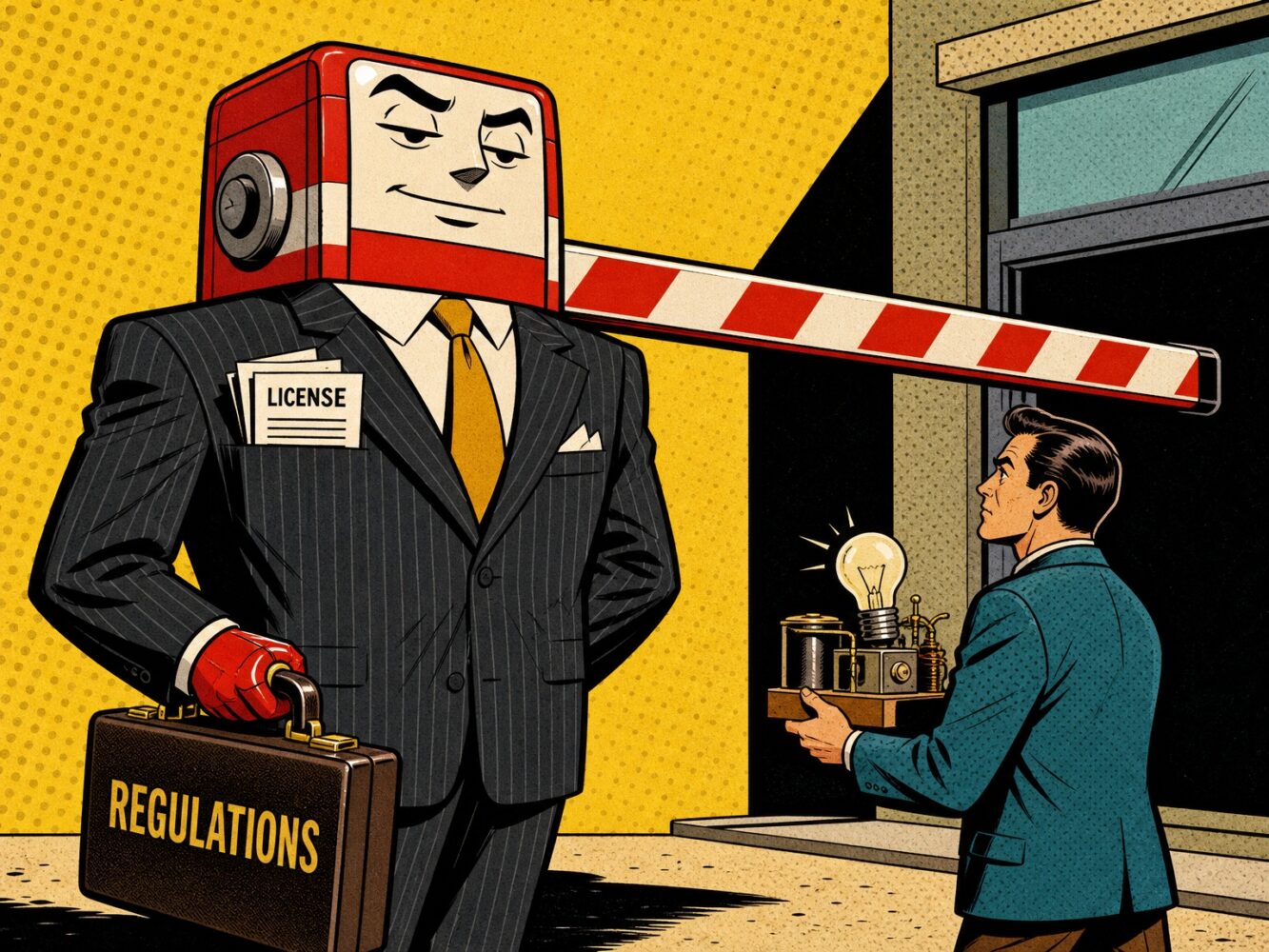
Congress, however, provided antitrust exemptions for certain joint activity among union members, such as collective bargaining over wages and benefits. These exemptions are embodied in provisions of the Clayton Act and the Norris-LaGuardia Act.
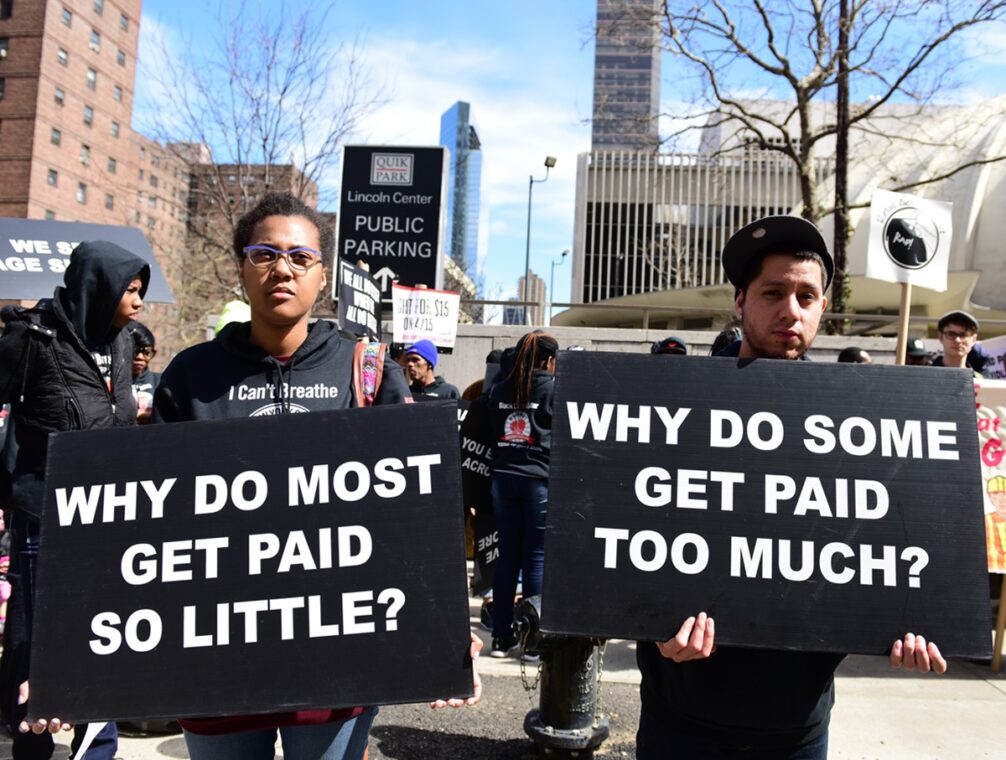
The FTC policy statement seeks to extend this antitrust immunity beyond the union context to other categories of labor. As the FTC press release accompanying the policy statement emphasizes:
[T]he Commission will not challenge collective action by independent contractors and gig workers, which include rideshare and food delivery drivers, that provide labor services and are seeking better compensation and job conditions because such activities are exempted under the antitrust statutes.
The policy statement seeks to interpret existing law to support its position, and reflects the previously enunciated views of Commissioner Alvaro Bedoya. Nevertheless, this position is legally questionable. As labor-law expert Alexander MacDonald put it:
Bedoya’s interpretation would upset a century of careful balancing between antitrust and labor policy. It would also expose the contractors themselves to serious risks of abuse. And it would undermine well-established rules against collusion, price fixing, and other restraints on trade.
The FTC’s pathbreaking effort to expand the labor-antitrust exemption also raises serious economic issues, to the extent that it would encourage non-union collusive activity. The spread of collective labor action outside of unions could undermine market competition and harm the economy. It could also, as Alexander MacDonald stresses, “heighten industrial strife, expose workers to abuse, and hollow out federal antitrust law.” Independent contractors and gig workers who value their freedom to control their own working conditions might, for example, be pressured into accepting a collective bargain that did not advance their personal interests.
Fortunately, the policy statement may have little impact. The DOJ did not endorse it. Moreover, it does not have the force of law and will have no special standing before a court. Nothing would prevent the DOJ, state enforcers, or injured private parties from successfully suing to strike down collusive non-union labor agreements. Potential non-union colluders presumably will take note. Given this reality, the FTC’s questionable expenditure of scarce resources on developing the statement may have been wasted.
The 2025 FTC-DOJ Antitrust Guidelines
The 2025 FTC-DOJ Antitrust Guidelines sweep more broadly and have a more negative tone toward business conduct than the superseded bipartisan 2016 guidance statement.
The 2016 guidance statement focused on two specific employer agreements that raise antitrust problems. It explained that:
- naked agreements among employers not to recruit certain employees or not to compete on terms of compensation are illegal; and
- sharing information with competitors about terms and conditions of employment can run afoul of the antitrust laws.
The guidance statement, however, had some positive aspects for business. It noted that joint ventures among competitors may pass muster if they include restrictions reasonably necessary to a larger legitimate collaboration. It explored ways in which information-sharing terms can be tailored to be lawful. It acknowledged that confidential information exchanges may be legal in the context of proposed mergers, provided appropriate precautions are taken.
The 2025 guidelines harp on the threat of criminal liability and say less about possible allowable information exchanges. They also go far beyond the 2016 guidance by highlighting two additional areas of antitrust concern:
- employment agreements that restrict workers’ freedom to leave their job, including noncompete agreements; and
- “other restrictive, exclusionary, or predatory employment conditions,” including overly broad nondisclosure agreements, training-repayment agreement provisions, nonsolicitation agreements, and exit provisions.
The guidelines focus solely on potential harm, while ignoring the potential procompetitive aspects of agreements in these two new categories. Narrowly tailored noncompetes may spur beneficial investment in worker training. Appropriate nondisclosure and training-related agreements may encourage more hiring by protecting employers’ interests.
The unbalanced nature of the 2025 guidelines, compared to the 2016 guidance statement, might dissuade employers from considering some contracts that could enhance employment opportunities. A more nuanced evaluation of restrictive contracts could have provided more useful practical guidance for employers without sacrificing government-enforcement interests.
What Will Trump Antitrust Enforcers Do?
President Donald Trump has designated Commissioner Andrew Ferguson as the FTC’s new chairman. In his dissenting statements on the policy statement and the guidelines, Ferguson (joined by Commissioner Melissa Holyoak) bluntly stated that “it is senseless for the Biden-Harris Commission to announce, on its way out the door, its plans for the future. It has no future.”
It will, however, take the departure of outgoing FTC Chair Lina Khan, and the confirmation of recently nominated Republican Mark Meador to the commission, in order to create a potential FTC majority for withdrawing the new policy statement and FTC-DOJ Guidelines. Once confirmed as assistant U.S. attorney general for antitrust, Gail Slater could unilaterally announce the DOJ’s withdrawal from the FTC-DOJ guidelines, if she so chooses, but her views on the guidelines are unknown.
Accordingly, while the 2025 policy statement and the FTC guidelines may be on life support, it would be premature to pronounce their impending demise. The particulars of the new administration’s antitrust-labor policy remain to be determined.