Showing archive for: “UMC & UDAP”
The Case of the Missing Sale: The FTC’s Personalized-Pricing Blind Spot
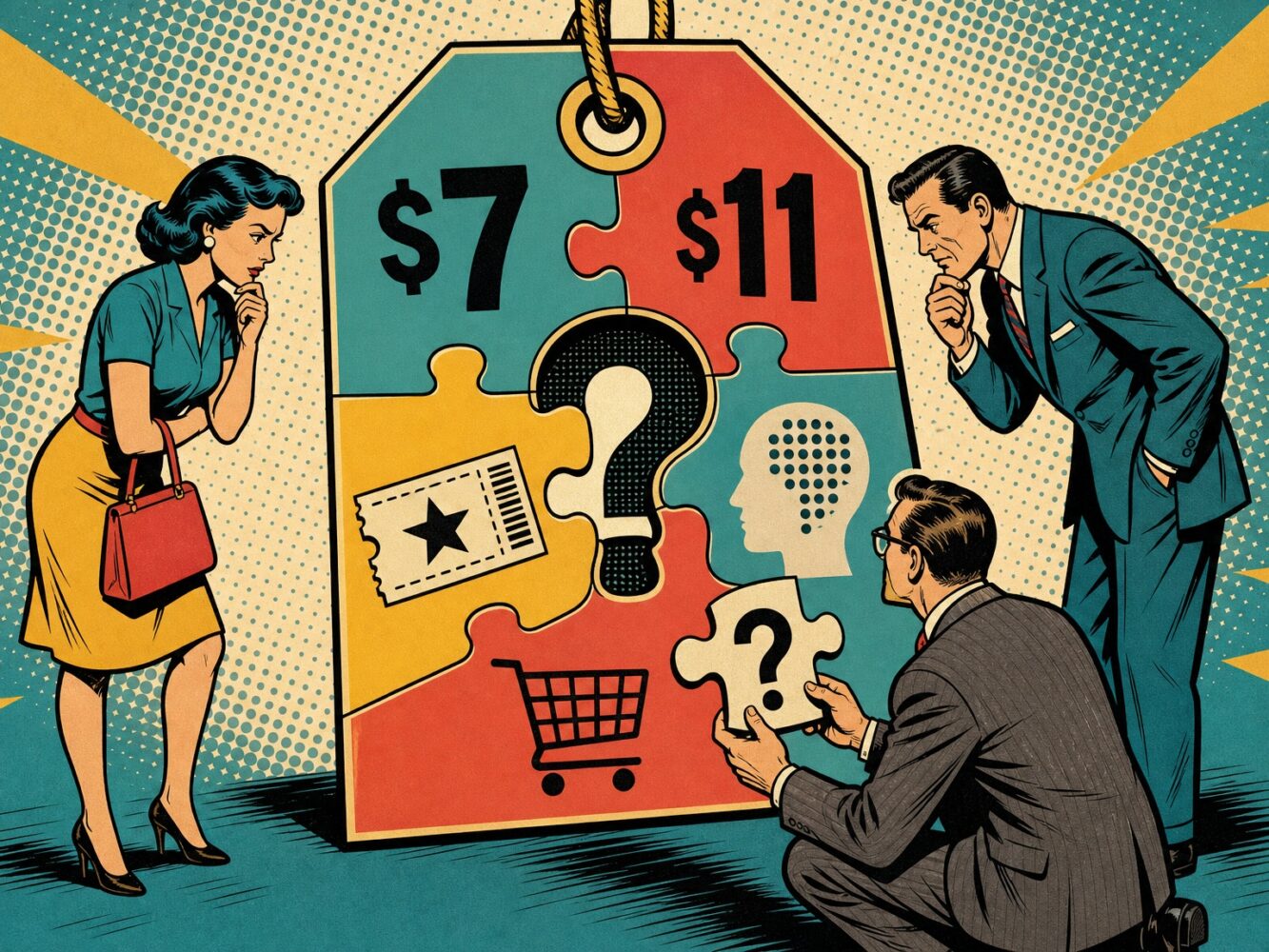
Suppose a retailer charges $10 for a service. One customer values it at $11 and buys it. Another values it at $8 and walks away. The retailer sends the second customer a $3 coupon. She pays $7, gets something worth $8 to her, and the retailer makes a sale it otherwise would have missed. The ... The Case of the Missing Sale: The FTC’s Personalized-Pricing Blind Spot

Your Price May Vary: The FTC’s Personalized-Pricing Puzzle
A price that knows your name may be creepy. It may also be a bargain. That ambiguity sits at the heart of the Federal Trade Commission’s (FTC) proposed enforcement policy statement on personalized pricing, which opens with a candid admission: The practice is “not well understood,” and its effects on consumers remain “unclear.” That uncertainty ... Your Price May Vary: The FTC’s Personalized-Pricing Puzzle
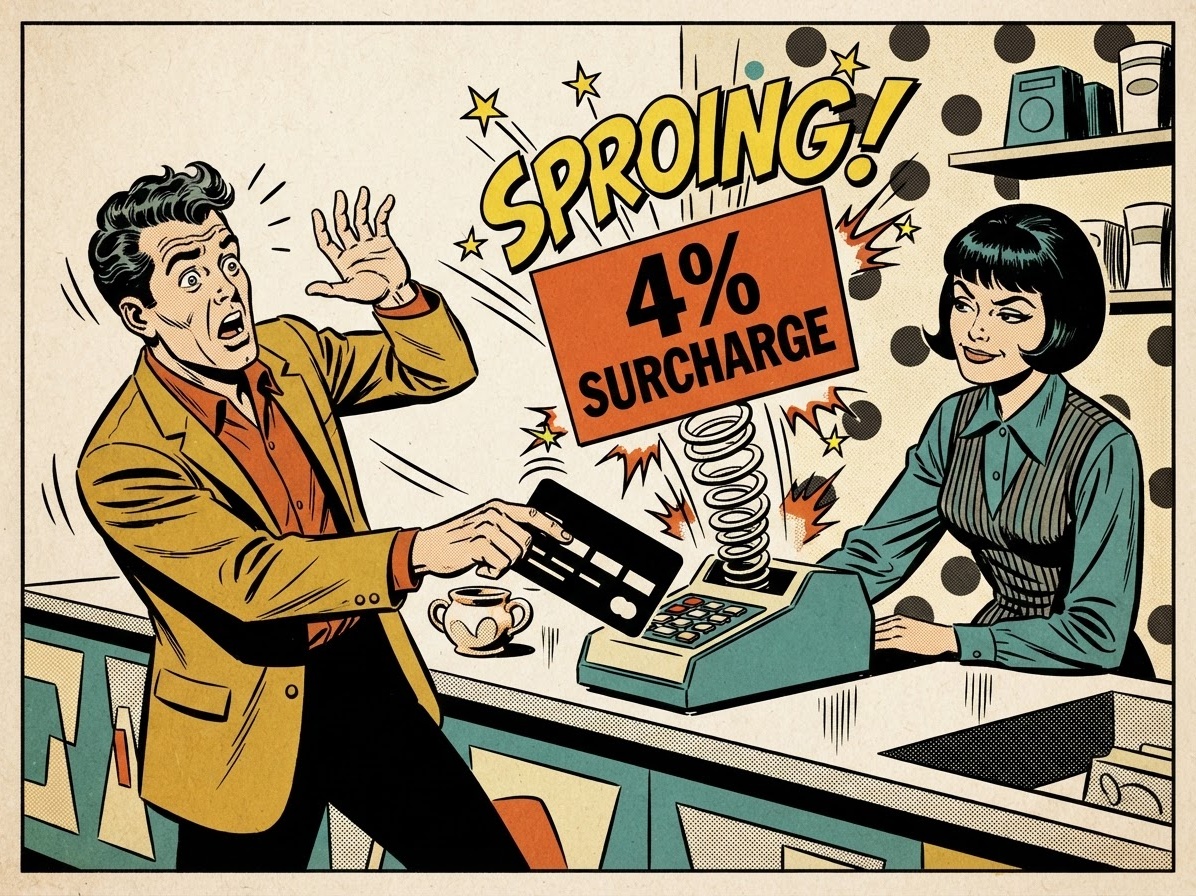
A Fee Too Far: Merchants, Surcharges, and the War on Plastic
Earlier this summer, my family took a vacation to Ocean City, Maryland, where the boardwalk offered ice cream, souvenirs, and an unexpected lesson in payment economics. Every retailer we visited added a surcharge of at least 3% for credit-card payments, yet not one posted a sign. I discovered the charges only later, while checking my ... A Fee Too Far: Merchants, Surcharges, and the War on Plastic
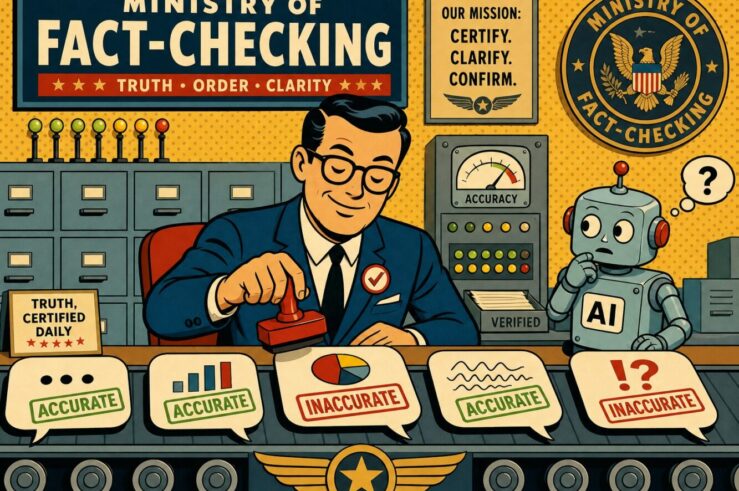
The FTC’s AI Accuracy Statement Needs a Fact Check
A policy statement about accuracy should, at minimum, be precise. The Federal Trade Commission’s (FTC) Proposed Policy Statement Concerning the Suppression of Accuracy in Artificial Intelligence Systems (AI Policy Statement) struggles with that assignment. The International Center for Law & Economics (ICLE) submitted comments in response to the FTC’s request for input, and this post ... The FTC’s AI Accuracy Statement Needs a Fact Check
Government by Raised Eyebrow: The JAWBONE Act and the Problem of Censorship by Proxy
The easiest way for the government to censor speech is not always to ban it. Sometimes, it is to find someone else with a hand on the switch. That is the problem at the center of the current debate over free speech in the digital age. For years, the public argument focused on whether private ... Government by Raised Eyebrow: The JAWBONE Act and the Problem of Censorship by Proxy

Antitrust at the Agencies: National Nanny Hangover Edition
The Federal Trade Commission’s (FTC) rulemaking machinery is humming again. Is it being tuned for optimal performance—or revved for another trip into the ditch? Most of the current action has to do with consumer protection. That’s par for the course, really. Apart from issuing the ill-fated noncompete rule, since vacated—comments here if anyone wants a ... Antitrust at the Agencies: National Nanny Hangover Edition

Addicted to Vagueness: Lawmakers Can’t Regulate Social Media by Vibes
A lawsuit over infinite scroll sounds, at first blush, like a fight over product design. Make the app less sticky. Stop nudging teens to keep scrolling. Turn down the algorithmic dopamine machine. But the harder constitutional question is whether courts can do all that through broad, after-the-fact liability standards without telling platforms what the law ... Addicted to Vagueness: Lawmakers Can’t Regulate Social Media by Vibes

Turning Down the Thinking: A Law & Economics Trilogue on AI Throttling
Three section leads at the International Center for Law & Economics (ICLE) read the same viral GitHub post and reached three different conclusions. Call it a trilogue—three views, one problem, and a technology that refuses to sit still. The GitHub issue filed last week against Anthropic’s Claude Code product carried a blunt title: “Claude Code ... Turning Down the Thinking: A Law & Economics Trilogue on AI Throttling

Speech, Section 5, and Some Curious Scribbling: A First Amendment Story
The line between regulating conduct and regulating speech can be thin—and sometimes, suspiciously convenient. Last week, my International Center for Law & Economics (ICLE) colleagues Ben Sperry and Jeff Westling published a post here at Truth on the Market titled “The FCC’s Sleeping Power over the Press.” It’s not about antitrust, but it’s well worth ... Speech, Section 5, and Some Curious Scribbling: A First Amendment Story

Antitrust at the Agencies: Moderation in All Things Edition
This Just In Judge Amit P. Mehta’s memorandum opinion in the Google Search case has dropped. It’s 230 pages, and I’ve merely skimmed it. A careful discussion–from me or anyone else–will wait a bit. For now, the remedies are quite a bit more than Google had proposed, but at the same time, a good deal ... Antitrust at the Agencies: Moderation in All Things Edition

Competition Law and Technology-Platform Censorship
The Federal Trade Commission (FTC) recently launched a public inquiry into technology platform censorship. Digital-platform censorship clearly raises serious policy concerns. Nevertheless, before filing lawsuits, the FTC and its fellow enforcement agency, the U.S. Justice Department (DOJ) will need to factor in platforms’ First Amendment protections and limitations on agency statutory authority. Bringing platform-censorship cases may ... Competition Law and Technology-Platform Censorship

Antitrust at the Agencies: Private Anticompetitive Censorship Edition
A Feb. 20 press release from the Federal Trade Commission (FTC) announces “Federal Trade Commission Launches Inquiry on Tech Censorship.” That is, “a public inquiry to better understand how technology platforms deny or degrade users’ access to services based on the content of their speech or affiliations, and how this conduct may have violated the ... Antitrust at the Agencies: Private Anticompetitive Censorship Edition