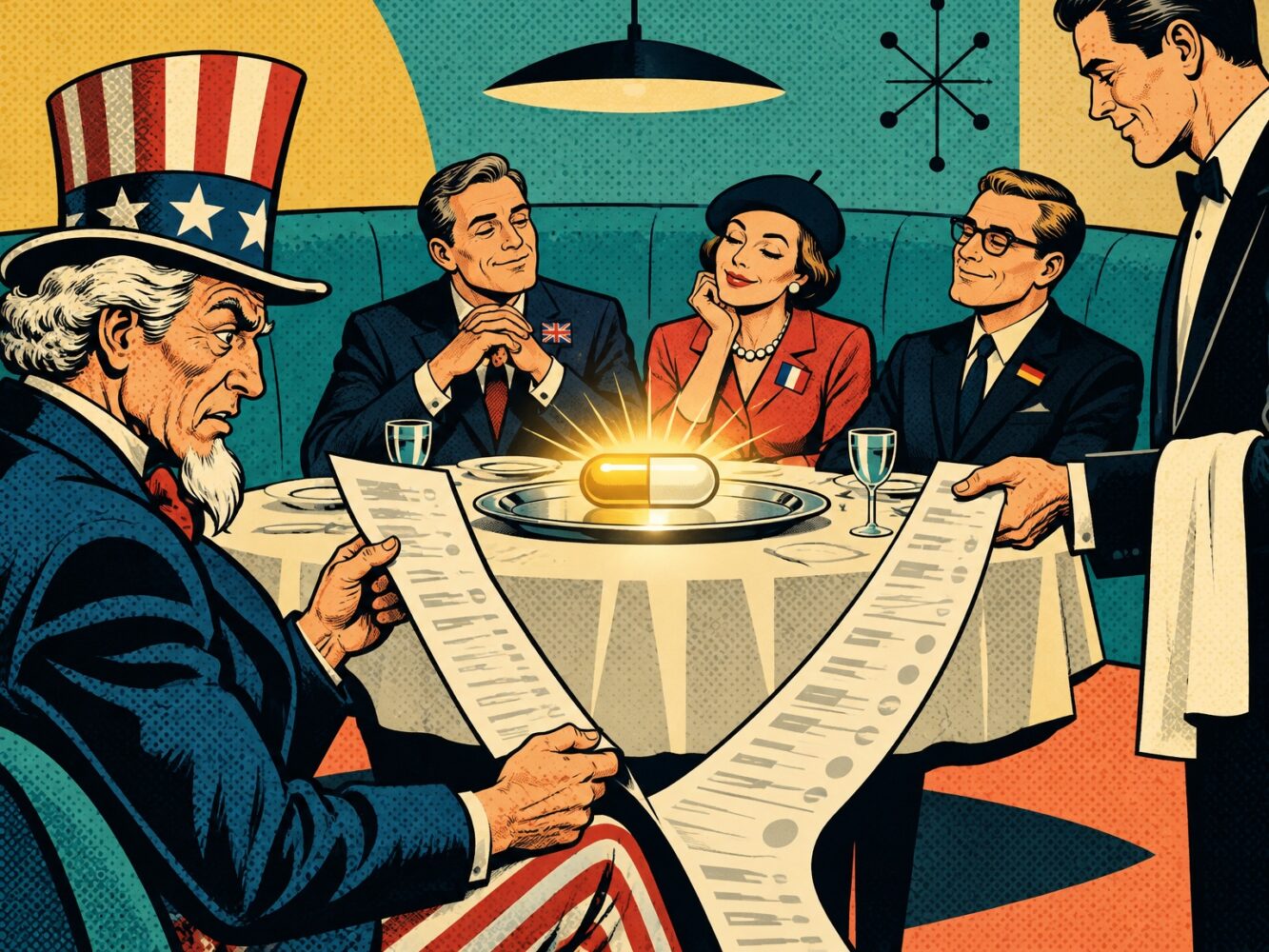
The World Wants Cures. America Gets the Check.
Everyone wants the next medical breakthrough. Few want the bill. The United States pays a disproportionate share of the cost of pharmaceutical innovation, while other wealthy countries hold down medicine prices and count on the research to keep coming. Yet much of the U.S. policy debate proposes copying their approach: because Americans frequently pay more ... The World Wants Cures. America Gets the Check.
Beyond Tariffs: Free Trade and the Friends-and-Family Plan
A trade deal can lower tariffs and yet still leave the hardest barriers untouched. The shipment clears customs, but the supplier cannot get a license, bid for a government contract, or compete with a subsidized state firm. The border is nominally open, but the market has other arrangements. As I argue in a new Mercatus ... Beyond Tariffs: Free Trade and the Friends-and-Family Plan

California’s COMPETE Act: May the Best Firm Lose
Gov. Gavin Newsom has signed Assembly Bill 1776, the so-called COMPETE Act, making California the first state to add a general prohibition on anticompetitive conduct by individual firms to its principal antitrust statute. Newsom’s announcement casts the law as a way to help small businesses and stop large companies from “shutting out competition.” The law ... California’s COMPETE Act: May the Best Firm Lose

The Rivals Antitrust Can’t See
The next serious competitor may be waiting for a license, or working on a product nobody has seen yet. Neither shows up in today’s market-share figures. And much of the current antitrust debate ignores both of those figures completely, even as it ponders how aggressively the government should reshape markets. By contrast, a dynamic approach ... The Rivals Antitrust Can’t See
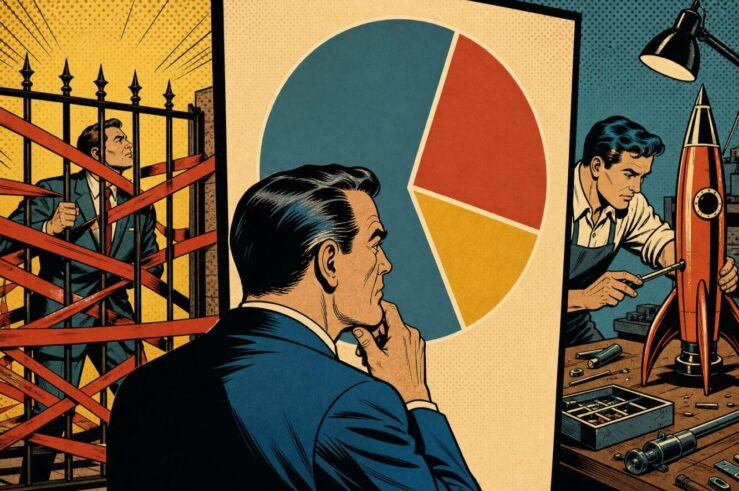
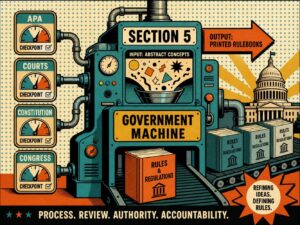
The EPA Takes Its Thumb Off the Power Switch
Power-plant rules do more than regulate pollution. They can also regulate competitors out of the market. That is the overlooked significance of the Environmental Protection Agency’s (EPA) recent repeal of most Biden administration greenhouse-gas standards for power plants. The move is an environmental-policy reversal and also a competition-policy reform. The final rule is only a ... The EPA Takes Its Thumb Off the Power Switch
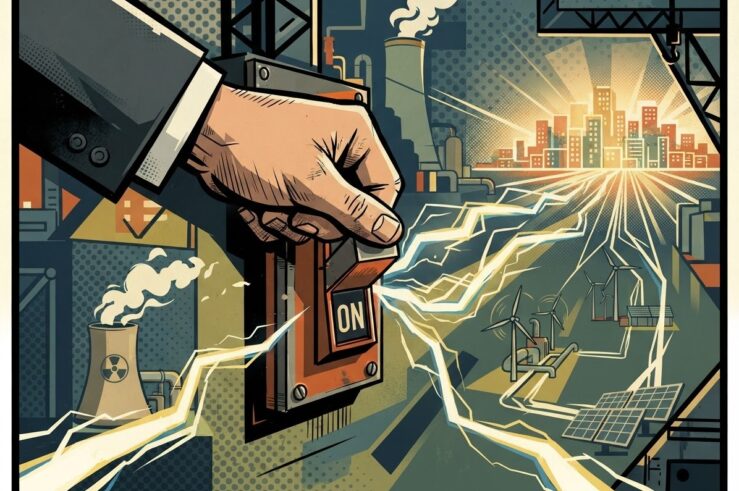
Prime Targets: Amazon, No-Poach Rules, and the Limits of Antitrust
The State of New Jersey’s antitrust case against Amazon begins with a serious allegation: that Amazon restricted drivers from moving among competing delivery contractors. But the state’s complaint goes much farther. It argues that Amazon’s entire Delivery Service Partner (DSP) system unlawfully gives the company monopsony power over both the small businesses that deliver its ... Prime Targets: Amazon, No-Poach Rules, and the Limits of Antitrust
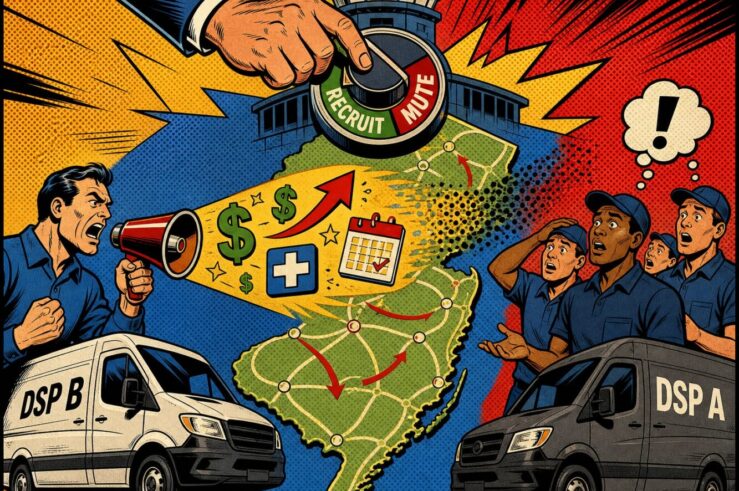
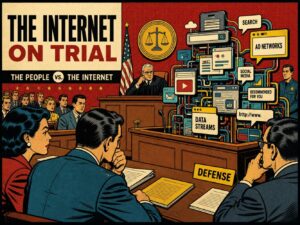
Reserve Judgment: The FTC Takes on Amazon’s Ad Auctions
The price to beat in Amazon’s advertising auctions may not have come from another advertiser at all, according to a lawsuit filed Aug. 31 by the Federal Trade Commission (FTC). In the complaint, the FTC alleges that Amazon quietly set the price itself, promising one pricing rule and using another. That allegation could support a ... Reserve Judgment: The FTC Takes on Amazon’s Ad Auctions

Competing Too Well: Europe’s New Guide to Dominance
Brussels has finally given Article 102 an instruction manual. Issued Sept. 3, the European Commission’s first comprehensive Guidelines on exclusionary abuses of dominance under the Treaty on the Functioning of the European Union (TFEU) replace a legal scavenger hunt with a single framework. The catch is that the manual still gives the Commission considerable room ... Competing Too Well: Europe’s New Guide to Dominance
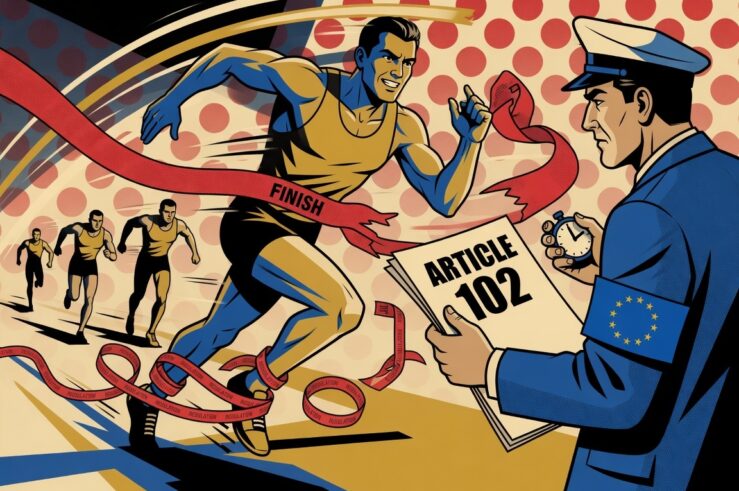
Your Price May Vary: The FTC’s Personalized-Pricing Puzzle
A price that knows your name may be creepy. It may also be a bargain. That ambiguity sits at the heart of the Federal Trade Commission’s (FTC) proposed enforcement policy statement on personalized pricing, which opens with a candid admission: The practice is “not well understood,” and its effects on consumers remain “unclear.” That uncertainty ... Your Price May Vary: The FTC’s Personalized-Pricing Puzzle

Four Patents and a Time Machine: CareFirst and the Perils of Backdated Antitrust
Four patents can carry a lot of antitrust baggage—especially when they come tucked inside a portfolio of more than 500. In CareFirst of Maryland v. Johnson & Johnson, health insurer CareFirst alleges that Johnson & Johnson unlawfully acquired and later asserted four patents to delay competition from biosimilars, highly similar alternatives to biologic drugs, for ... Four Patents and a Time Machine: CareFirst and the Perils of Backdated Antitrust
Cartels With Benefits: The Trouble With Extending Labor’s Antitrust Exemption
Antitrust law’s usual instruction to competitors who agree on price is admirably brief: Don’t. Labor law makes a deliberate exception for employees who bargain collectively. Advocates now want that exception to cover at least some independent contractors, including rideshare drivers, truck owner-operators, consultants, and other small-business owners. The proposal may sound like a tidy way ... Cartels With Benefits: The Trouble With Extending Labor’s Antitrust Exemption

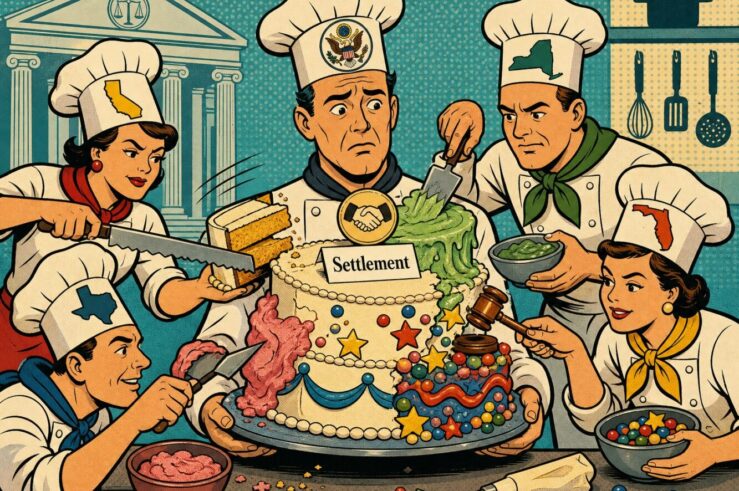
Too Many Cooks Spoil the Settlement
In American antitrust, clearing the federal gate increasingly means arriving at the state turnstiles. State attorneys general play a valuable role when harms are local or federal investigators miss key facts. But serial challenges to nationally integrated conduct turn that safeguard into a standing invitation to relitigate. The result is a system in which no ... Too Many Cooks Spoil the Settlement