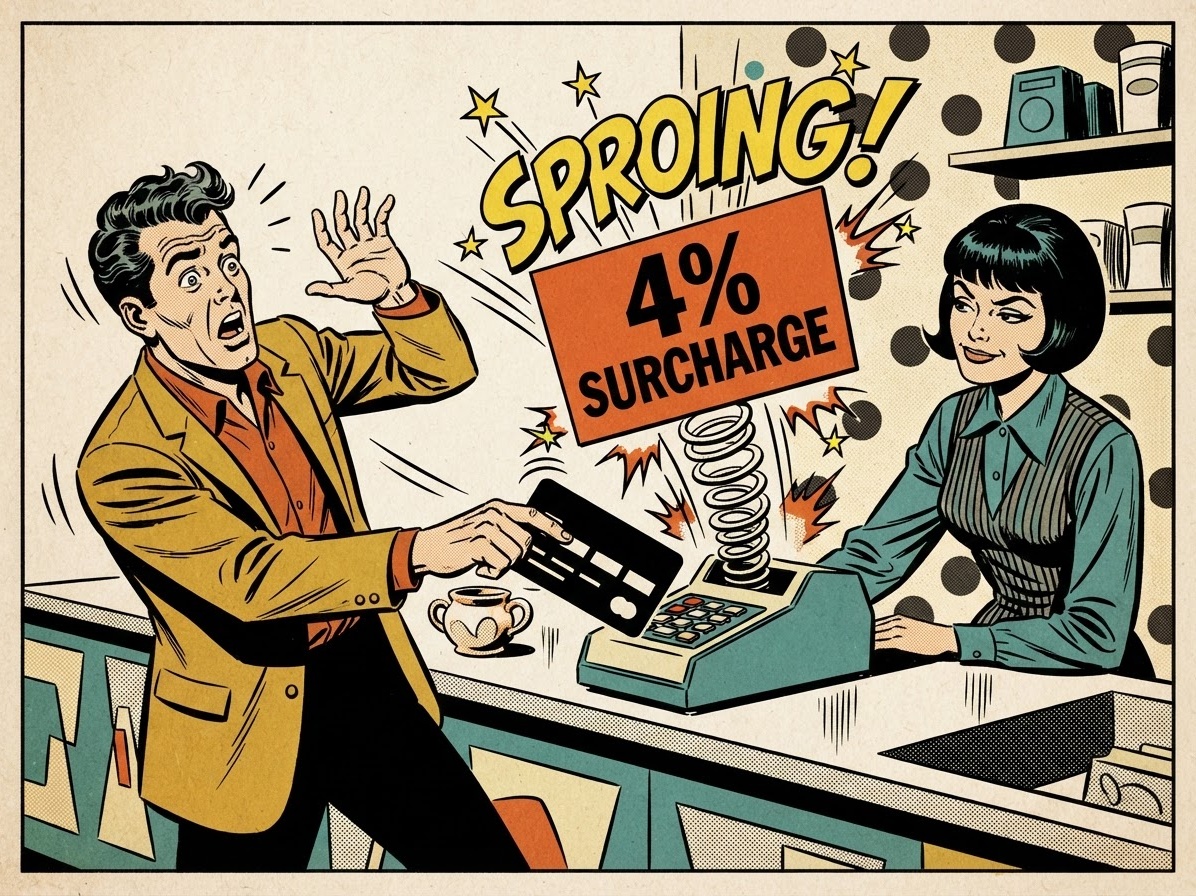
Earlier this summer, my family took a vacation to Ocean City, Maryland, where the boardwalk offered ice cream, souvenirs, and an unexpected lesson in payment economics. Every retailer we visited added a surcharge of at least 3% for credit-card payments, yet not one posted a sign. I discovered the charges only later, while checking my receipts. Some merchants surcharged both debit and credit cards, while others targeted credit cards alone.
Ocean City was hardly an outlier. Over the past month, my dentist, mechanic, and a tree service have all charged me extra for using a credit card—and those are just the surcharges I noticed or someone disclosed.
Meanwhile, merchants have taken their fight against card-processing fees to state legislatures. In Illinois, they secured a law exempting state and local taxes and gratuities from interchange fees—the portion of a card-processing charge that goes to the bank that issued the card. The idea has since spread unevenly to several other states.
Colorado’s version was especially convoluted. It carved out smaller Colorado banks and imposed price controls on fees for charitable donations. The governor recently vetoed it. Meanwhile, Illinois has delayed its law’s effective date, and the Office of the Comptroller of the Currency has announced plans to preempt it.
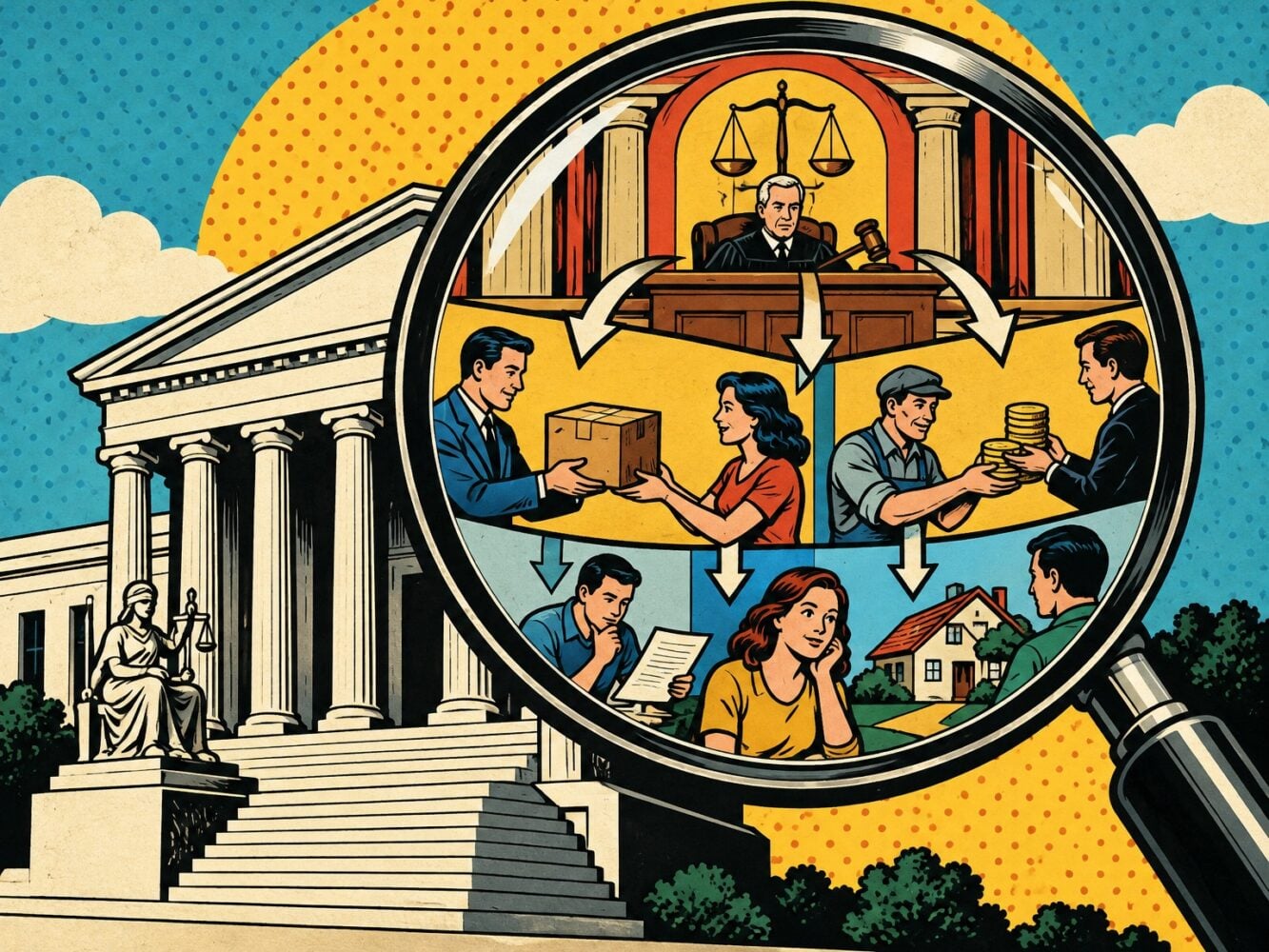
Retailers have also turned to the courts. In North Dakota and Kentucky, they have filed federal lawsuits challenging the Federal Reserve Board’s formula for setting the maximum interchange fees that large banks may charge on debit-card transactions. Congress required those limits through the so-called Durbin Amendment to the 2010 Dodd-Frank financial-reform law.
Federal Reserve rules adopted in 2011 cut the permitted rates roughly in half. The result was higher bank fees, a sharp decline in free checking, and the disappearance of debit-card rewards. Retailers nonetheless argue that the remaining fees are still too generous because banks may recover costs associated with fraud prevention, fraud losses, dispute resolution, and other consumer protections. Cutting the fees further would not make those costs disappear. It would merely shift more of them to consumers.
Retailers have also spent millions lobbying Congress to extend some of the Durbin Amendment’s worst features to credit cards. That effort would raise costs, restrict access to credit, and weaken payment security—all in the name of lowering a fee that consumers rarely see but ultimately help pay.
Time to Swipe Back
The merchants’ war on debit and credit cards is especially ironic because ubiquitous access to electronic payments helped save the U.S. economy—and millions of small retailers and restaurants—during the COVID-19 pandemic. Many businesses had stopped accepting checks long before then. Cash posed health concerns and could not support the online economy that emerged during the pandemic. Now that retailers benefit from consumers’ embrace of cashless payments, some have turned that convenience into a consumer headache and a new profit center.
Enough special-interest pleading at consumers’ expense. Each of these problems has a direct solution.
First, state attorneys general should crack down on retailers’ deceptive and excessive surcharges. Businesses should disclose before purchase whether they impose a surcharge and how much it will be. Instead, consumers often learn about the fee only after the transaction—or after checking the receipt at home.
Merchants insist that surcharges merely cover their costs. The numbers suggest otherwise. The standard 3% surcharge substantially exceeds the average credit-card interchange fee, and I now encounter surcharges of 3.5% and even 4%. That pattern should surprise no one. In every country that has allowed merchants to surcharge credit-card transactions, merchants have charged more than their actual acceptance costs.
Regulators in other countries have responded by requiring clearer disclosure. Merchants should not advertise one price on a shelf or menu, then charge another at checkout. If a fee exceeds the merchant’s actual cost, the merchant should have to say so plainly rather than hide it behind euphemisms such as “service fee.” Regulators should also bar merchants from surcharging debit cards whose fees the Durbin Amendment already limits.
The Federal Trade Commission (FTC) has recently targeted hidden charges for tickets, hotel resorts, and other purchases. Hidden and excessive card surcharges belong on that list.
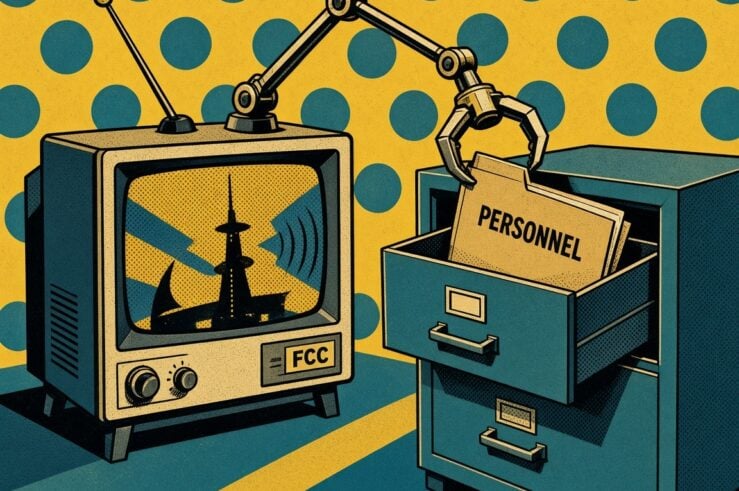
Second, the comptroller should follow through on plans to preempt Illinois’ law and the copycat measures that follow it. Colorado’s variation shows what happens once the political process takes over. A special-interest bidding war begins, and the carveouts and complications multiply.
If politicians can ban interchange fees on taxes and tips or impose price controls on transactions with charities, why stop there? Groceries, car repairs, prescription drugs, and any other politically favored purchase could be next.
Third, courts considering challenges to the Durbin Amendment’s implementation should recognize the payment-card system’s complexity and respect the Federal Reserve’s judgment. They should not let merchants’ litigation campaign gut the fraud prevention, dispute resolution, and other protections that consumers rely on whenever they use a debit card.
The Price Isn’t Right Until the Receipt
Merchants helped make electronic payments the default, and they know consumers now depend on them. Many no longer accept checks. Businesses in tourist areas also know that customers do not want to carry a pocketful of cash. Too many have exploited those habits to impose stealth price increases at checkout.
The modern payment-card system delivers extraordinary convenience and enormous benefits to consumers, merchants, and the broader economy. Those benefits depend on smooth, nearly universal acceptance—and on prices consumers can trust. Regulators should ensure that the system works for everyone, not just the merchants gaming it.
The swipe should complete the sale, not spring a trap.