After the U.S. Supreme Court decided Free Speech Coalition v. Paxton last year, I wrote that the “broader war over age verification and parental consent online isn’t over.” As we head into 2026, that prediction looks right.
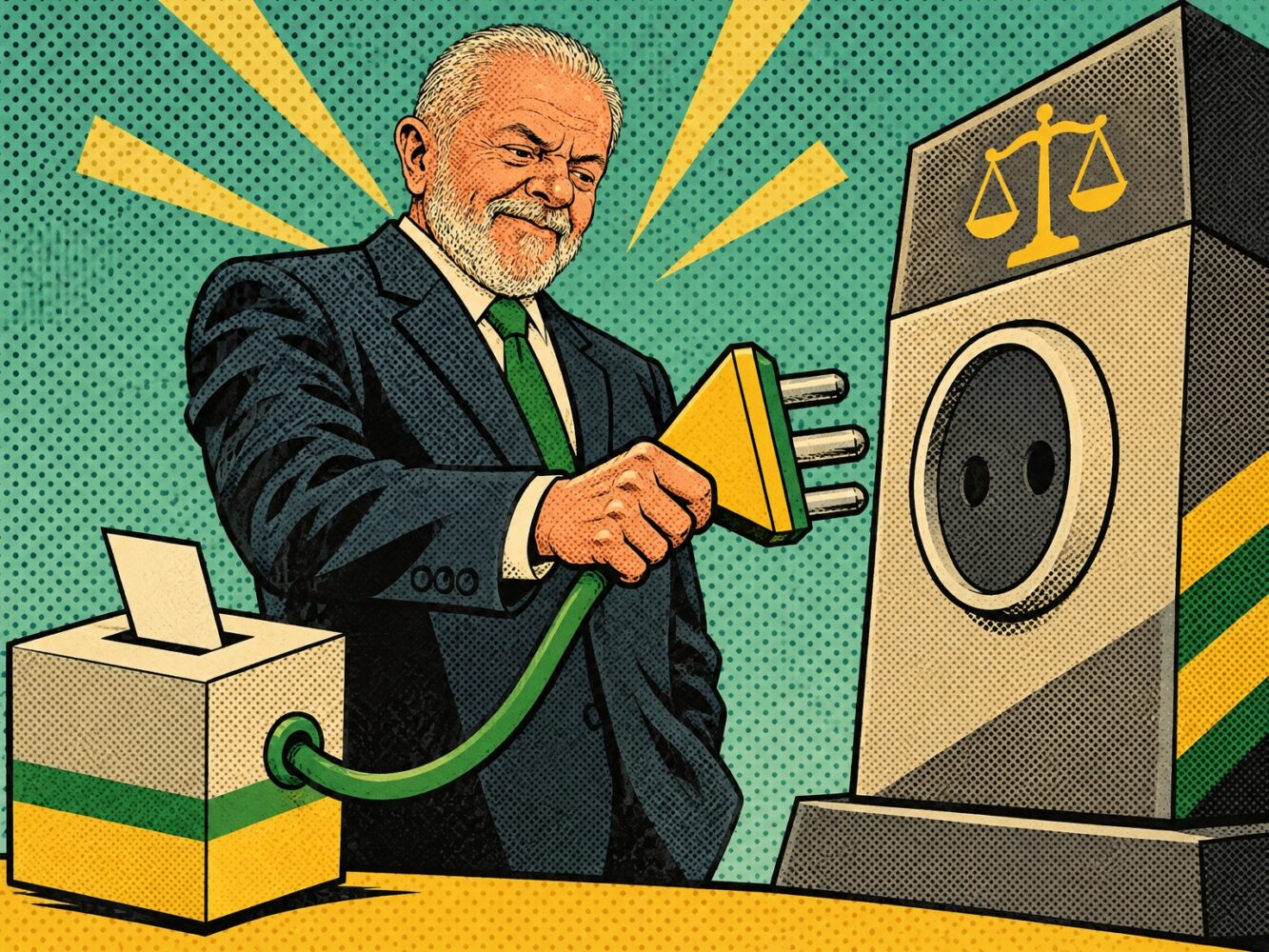
The fight has shifted. Lawmakers have moved their focus from social-media platforms to app stores. But the basic problem hasn’t changed: the First Amendment still stands in the way.
By now, the pattern is clear. Federal courts have repeatedly held that age-verification and parental-consent mandates for social media block minors’ access to lawful speech and fail constitutional scrutiny. These laws don’t use the least-restrictive means. Courts point instead to a wide range of tools that already let parents and teens manage online risks without forcing everyone to prove their age just to speak or read.
Put simply, families can address these harms more directly and at lower cost than the government can by regulating speech.
Nothing in the Supreme Court’s 2025 decision in Free Speech Coalition changes this. The Court applied intermediate scrutiny only “[b]ecause speech that is obscene to minors is unprotected.” It stressed that only “where the speech in question is unprotected” may states impose content-based restrictions “without triggering strict scrutiny.”
Justice Brett Kavanaugh made the point explicit. Reviewing the Court’s First Amendment cases, including Free Speech Coalition, he noted that “[g]iven those precedents, it is no surprise that the District Court in [NetChoice, LLC v. Fitch] enjoined enforcement of the Mississippi law and that seven other Federal District Courts have likewise enjoined enforcement of similar state laws.”
The App Store Detour
With that ground largely settled, the fight has shifted from social media to app stores. That move fares no better. As I’ve written before, under these laws “minor users would be unable to access any apps, no matter how innocuous, without verifiable parental consent.” A child couldn’t open an app store to read The New York Times, check the weather, use a calculator, look up a word in the dictionary, read the Bible, or watch a cartoon—without parental approval first.
Blocking access to entire app stores that are overwhelmingly filled with protected speech is hard to square with the First Amendment.
A federal court in Texas just underscored the point. The U.S. District Court for the Western District of Texas blocked that state’s App Store Accountability Act, explaining that:
It restricts access to a vast universe of speech by requiring Texans to prove their age before downloading a mobile app or accessing paid content within those apps and requires minors to obtain parental consent. The Act is akin to a law that would require every bookstore to verify the age of every customer at the door and, for minors, require parental consent before the child or teen could enter and again when they try to purchase a book… [T]he Court finds a likelihood that, when considered on the merits, SB 2420 violates the First Amendment.
Texas argued, as others have, that age checks and parental consent for app access are neutral rules and should face lighter scrutiny. The court wasn’t convinced. It found that the law “specifically sought to shield minors from certain speech the State deems objectionable or harmful (as Texas acknowledged at the hearing),” making it content-based and subject to strict scrutiny.
Put plainly, the law’s entire purpose is to block minors from speech the state doesn’t like.
Parental Tools Beat Speech Bans
When the aim is to protect minors from harmful speech, Supreme Court precedent draws a firm line. It “does not include a free-floating power to restrict the ideas to which children may be exposed.” As the district court put it, “nothing suggests Texas’s interest in preventing minors from accessing a wide variety of apps that foster protected speech (such as the Associated Press, the Wall Street Journal, Substack, or Sports Illustrated) is compelling.”
The law also sweeps far too broadly. Even if protecting minors from online mental-health harms were a compelling interest, this approach all but shuts minors out of app stores entirely unless parents pre-approve every download. Not just risky apps—all apps. As the court explained:
[N]othing in the record suggests, for instance, that teens suffer from mental health disorders from using a dictionary or weather app, even though those apps are age-restricted and subject to parental override under the Act in the same way as social media… [I]t bans minors from downloading apps and content from all apps, not a narrowly tailored subset of apps deemed, for example, harmful or addictive based on evidence… [Texas] has not demonstrated that age-screening everyone in Texas and banning minors from accessing app store content without individualized parental consent is the least restrictive method to eliminate that harm.
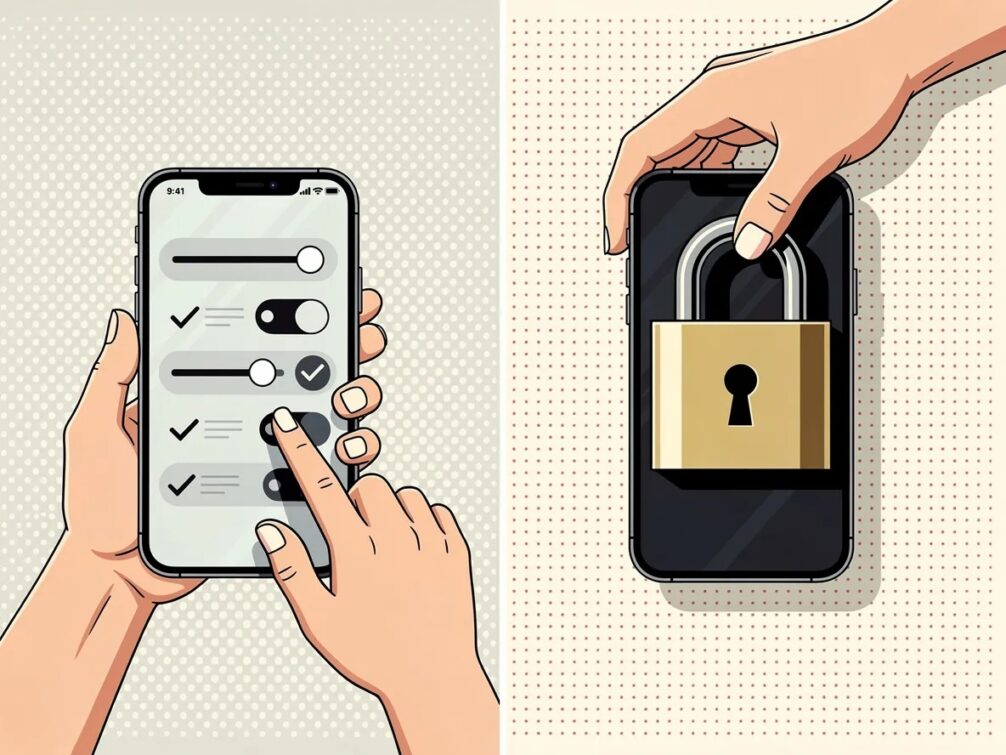
So where does that leave efforts to protect kids online? With different tools. Broad age-verification and parental-consent mandates aimed at protected speech are unlikely to survive First Amendment review. A better path focuses on tools that already exist—many offered by app stores and device makers themselves—that help parents and teens manage online risks without blocking lawful speech for everyone.